
In today's fast-paced manufacturing landscape, molding technologies play a crucial role in producing high-quality, durable, and cost-effective parts. Whether you're a hobbyist or an industrial manufacturer, understanding different molding techniques—such as Reaction Injection Molding (RIM), resin molds, silicone molds, and blow molds—can help you choose the best method for your project. This article dives into these processes, highlighting their advantages, applications, and key considerations.
Reaction Injection Molding (RIM): Precision and Efficiency
Reaction Injection Molding (RIM) is a high-performance manufacturing process that combines two liquid components—typically polyurethane or polyurea—in a mixing chamber before injecting them into a mold. The chemical reaction creates a strong, lightweight part with excellent structural integrity. RIM is ideal for producing large, complex parts with tight tolerances, such as automotive panels, medical equipment, and industrial enclosures. Its ability to incorporate reinforcements like fiberglass makes it a preferred choice for durable, high-strength applications. Compared to traditional injection molding, RIM operates at lower pressures, reducing tooling costs while maintaining precision.

Reaction Injection Molding (RIM): Precision and Efficiency
Reaction Injection Molding (RIM) is a high-performance manufacturing process that combines two liquid components—typically polyurethane or polyurea—in a mixing chamber before injecting them into a mold. The chemical reaction creates a strong, lightweight part with excellent structural integrity. RIM is ideal for producing large, complex parts with tight tolerances, such as automotive panels, medical equipment, and industrial enclosures. Its ability to incorporate reinforcements like fiberglass makes it a preferred choice for durable, high-strength applications. Compared to traditional injection molding, RIM operates at lower pressures, reducing tooling costs while maintaining precision.
Resin Molds: Versatility for Detailed Creations
Resin molds are widely used in crafting, prototyping, and small-scale production due to their flexibility and fine detail reproduction. Epoxy and polyurethane resins are common choices, offering varying cure times, hardness levels, and finishes. Resin molding is popular in jewelry making, decorative items, and even functional prototypes because it captures intricate designs with minimal shrinkage. Since resin molds can be made from silicone or other flexible materials, they allow for easy demolding without damaging delicate parts. However, proper ventilation and curing conditions are essential to avoid bubbles or imperfections in the final product.
Silicone Molds: Durability and Reusability
Silicone molds are a favorite among DIY enthusiasts and manufacturers for their non-stick properties and long lifespan. These molds can withstand high temperatures, making them suitable for casting materials like wax, low-melt metals, and even food-grade products. Silicone’s flexibility ensures easy release of complex shapes, which is why it’s commonly used in baking, candle making, and urethane casting. Additionally, silicone molds are reusable and durable, often lasting hundreds of cycles without degradation. For industrial applications, high-grade platinum-cure silicone offers superior tear resistance and minimal shrinkage, ensuring consistent results.
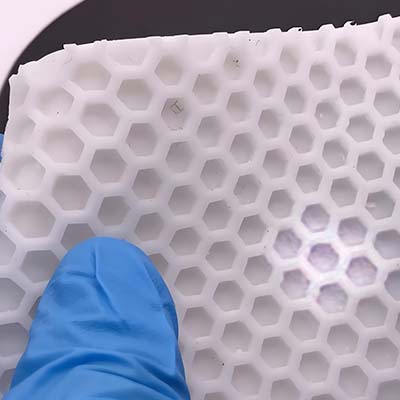
Resin molds are widely used in crafting, prototyping, and small-scale production due to their flexibility and fine detail reproduction. Epoxy and polyurethane resins are common choices, offering varying cure times, hardness levels, and finishes. Resin molding is popular in jewelry making, decorative items, and even functional prototypes because it captures intricate designs with minimal shrinkage. Since resin molds can be made from silicone or other flexible materials, they allow for easy demolding without damaging delicate parts. However, proper ventilation and curing conditions are essential to avoid bubbles or imperfections in the final product.
Silicone Molds: Durability and Reusability
Silicone molds are a favorite among DIY enthusiasts and manufacturers for their non-stick properties and long lifespan. These molds can withstand high temperatures, making them suitable for casting materials like wax, low-melt metals, and even food-grade products. Silicone’s flexibility ensures easy release of complex shapes, which is why it’s commonly used in baking, candle making, and urethane casting. Additionally, silicone molds are reusable and durable, often lasting hundreds of cycles without degradation. For industrial applications, high-grade platinum-cure silicone offers superior tear resistance and minimal shrinkage, ensuring consistent results.
Blow Molds: Ideal for Hollow Plastic Products
Blow molding is a go-to method for manufacturing hollow plastic products, such as bottles, containers, and automotive fuel tanks. The process involves inflating heated plastic (usually HDPE, PET, or PVC) into a mold cavity, where it cools and solidifies into the desired shape. Blow molds are highly efficient for mass production, offering fast cycle times and low material waste. Variations like injection blow molding and stretch blow molding enhance precision and strength, making them suitable for medical and beverage industries. While blow molding requires significant upfront tooling investment, its scalability makes it cost-effective for high-volume runs.
Choosing the Right Molding Technique
Selecting the appropriate molding method depends on factors like material properties, production volume, part complexity, and budget. Reaction Injection Molding excels in structural components, resin molds are perfect for detailed art and prototypes, silicone molds offer versatility for small batches, and blow molds dominate hollow plastic manufacturing. By understanding these processes, manufacturers and hobbyists alike can optimize their workflows and achieve superior results.
Future Trends in Molding Technology
As materials science advances, molding techniques continue to evolve. Innovations like biodegradable resins, automated RIM systems, and 3D-printed silicone molds are pushing the boundaries of what’s possible. Sustainability is also a growing focus, with manufacturers adopting recycled plastics and energy-efficient processes. Staying informed about these trends ensures businesses remain competitive in an ever-changing industry.
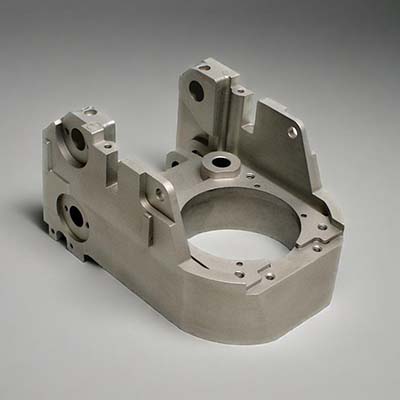
Whether you're asking, "Do it molds?" or exploring advanced techniques, modern molding technologies offer endless possibilities. From RIM’s industrial strength to resin’s artistic precision, each method has unique benefits tailored to specific needs. By leveraging the right approach, you can enhance product quality, reduce costs, and streamline production—ensuring success in any molding project.
Blow molding is a go-to method for manufacturing hollow plastic products, such as bottles, containers, and automotive fuel tanks. The process involves inflating heated plastic (usually HDPE, PET, or PVC) into a mold cavity, where it cools and solidifies into the desired shape. Blow molds are highly efficient for mass production, offering fast cycle times and low material waste. Variations like injection blow molding and stretch blow molding enhance precision and strength, making them suitable for medical and beverage industries. While blow molding requires significant upfront tooling investment, its scalability makes it cost-effective for high-volume runs.
Choosing the Right Molding Technique
Selecting the appropriate molding method depends on factors like material properties, production volume, part complexity, and budget. Reaction Injection Molding excels in structural components, resin molds are perfect for detailed art and prototypes, silicone molds offer versatility for small batches, and blow molds dominate hollow plastic manufacturing. By understanding these processes, manufacturers and hobbyists alike can optimize their workflows and achieve superior results.
Future Trends in Molding Technology
As materials science advances, molding techniques continue to evolve. Innovations like biodegradable resins, automated RIM systems, and 3D-printed silicone molds are pushing the boundaries of what’s possible. Sustainability is also a growing focus, with manufacturers adopting recycled plastics and energy-efficient processes. Staying informed about these trends ensures businesses remain competitive in an ever-changing industry.
Whether you're asking, "Do it molds?" or exploring advanced techniques, modern molding technologies offer endless possibilities. From RIM’s industrial strength to resin’s artistic precision, each method has unique benefits tailored to specific needs. By leveraging the right approach, you can enhance product quality, reduce costs, and streamline production—ensuring success in any molding project.

Request Your DFM & Quote – Upload Your Drawings
ㆍFill in your requirements and upload your 2D&3D file, we will feedback your project quotation and DFM within 24 hours.ㆍFile types: STEP, STP, IGES, IGS, SLDPRT, 3DM, SAT or X_T files File size: < 128 MB Part size: < 1500*1500*1500 mm
ㆍPrivacy: We respect your privacy. Here you can find an example of a non-disclosure agreement. By submitting this form, you agree to our terms & conditions and privacy policy.
ㆍPrivacy: We respect your privacy. Here you can find an example of a non-disclosure agreement. By submitting this form, you agree to our terms & conditions and privacy policy.
