
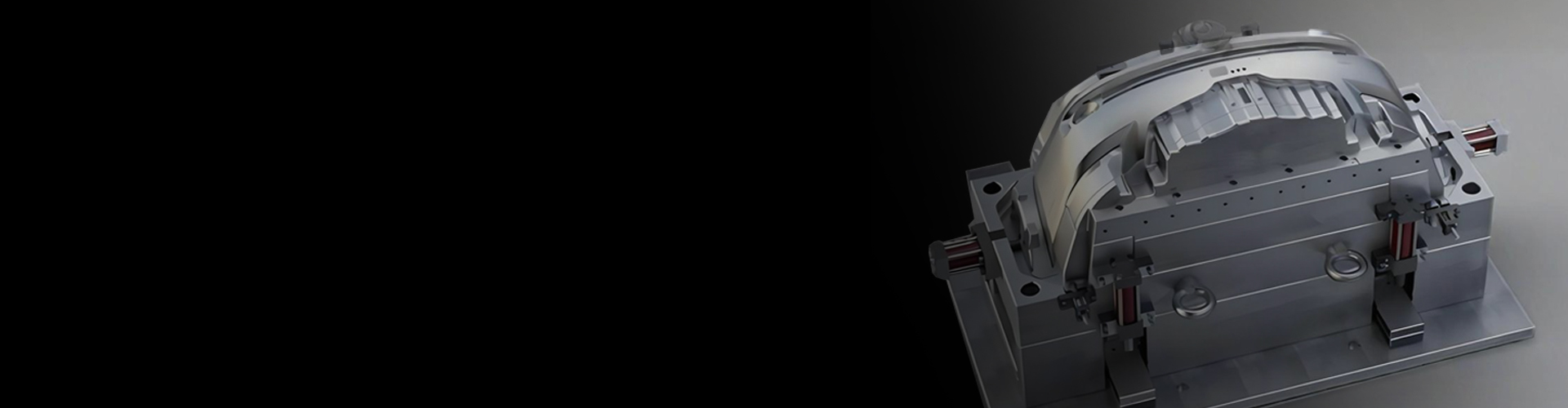



Silicone Mold
Fabricated from RTV Silicone, these molds enable rapid (hours/days), low-cost prototyping via vacuum casting of urethanes, ideal for concept models and prototypes with a short life of ~10-50 parts.

Resin Mold
Made from epoxy or metal-filled resins, they offer higher strength for reaction injection molding (RIM) of engineering plastics, supporting functional testing and pilot runs of ~100-1,000 parts.
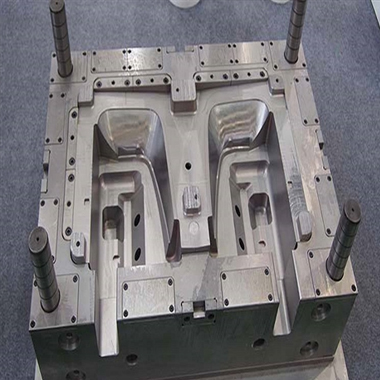
Aluminum Alloy Mold
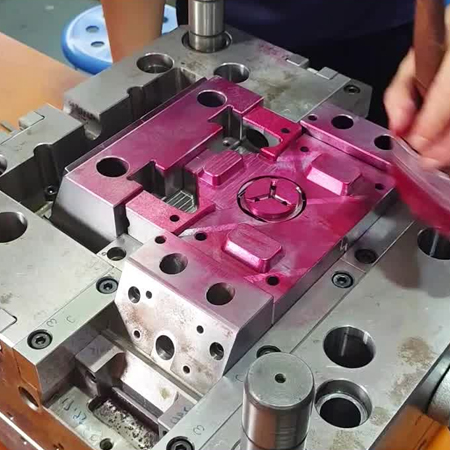
Machined from alloys like 7075 via HSM, they are durable production tools for standard injection molding, offering fast cycles and lifespans of thousands of parts for bridge production and medium-volume runs.
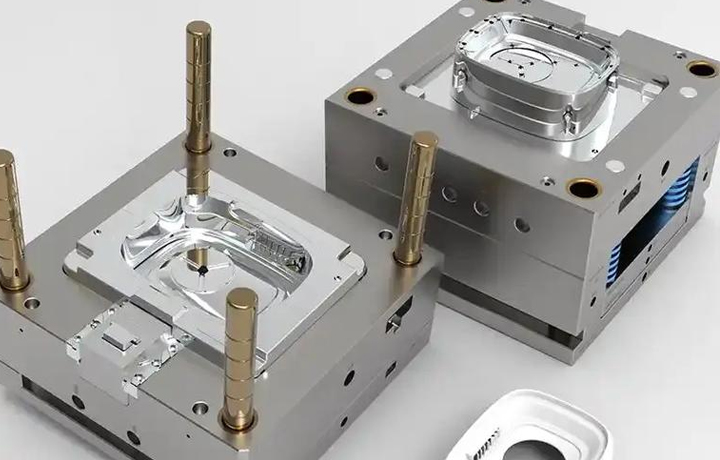
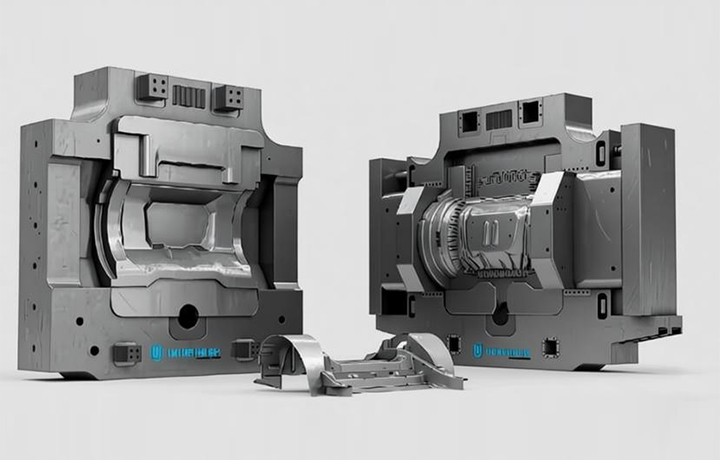
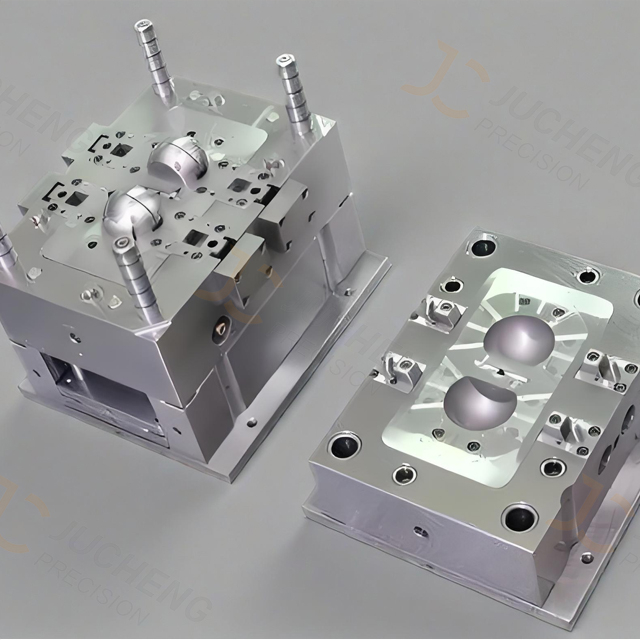
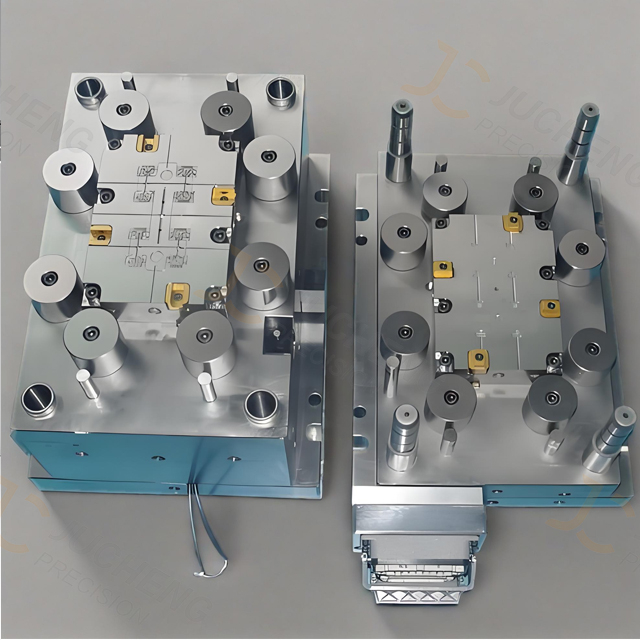
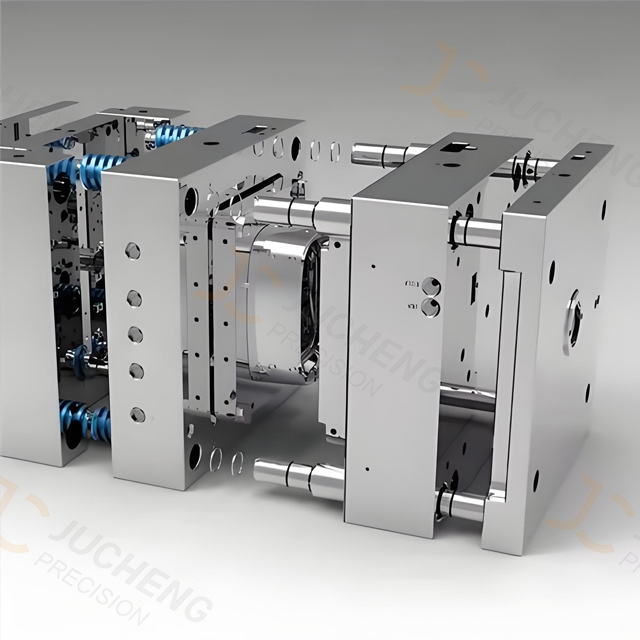
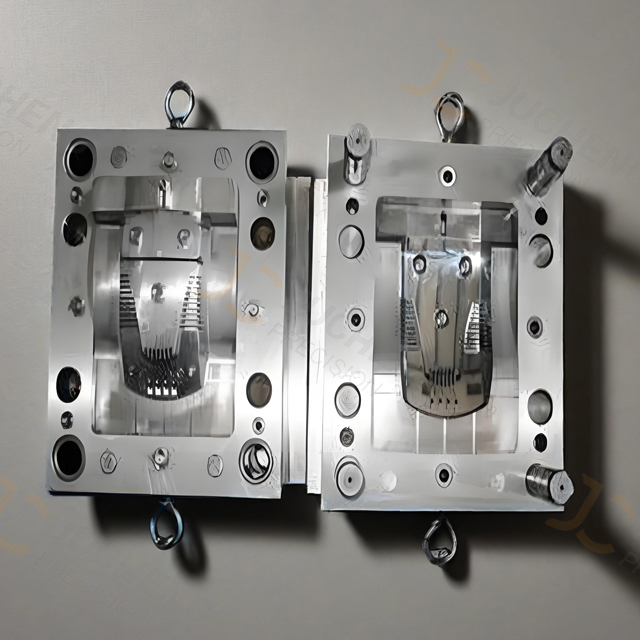
Mass Production Mold Manufacturing Capabilities




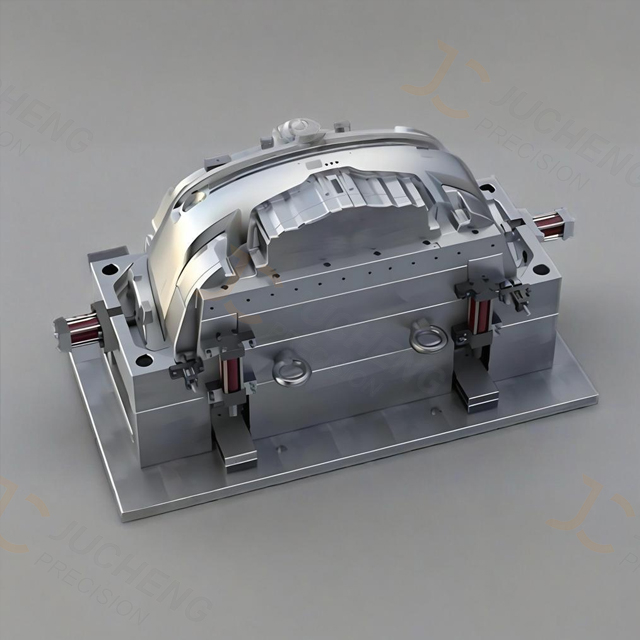
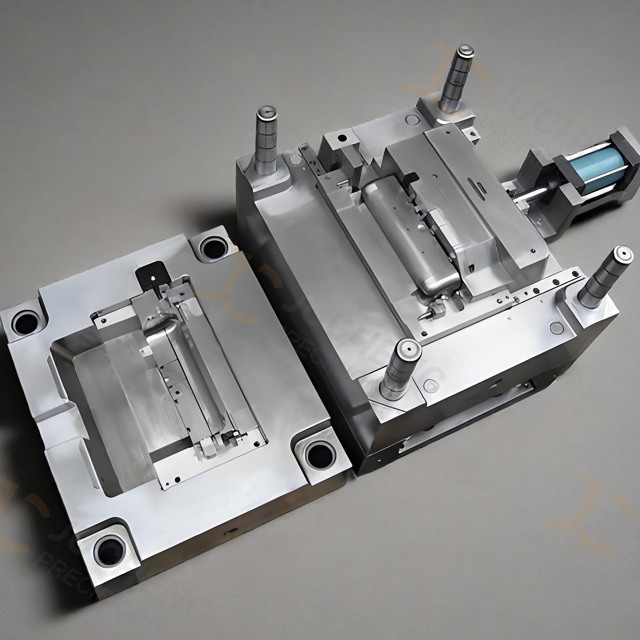
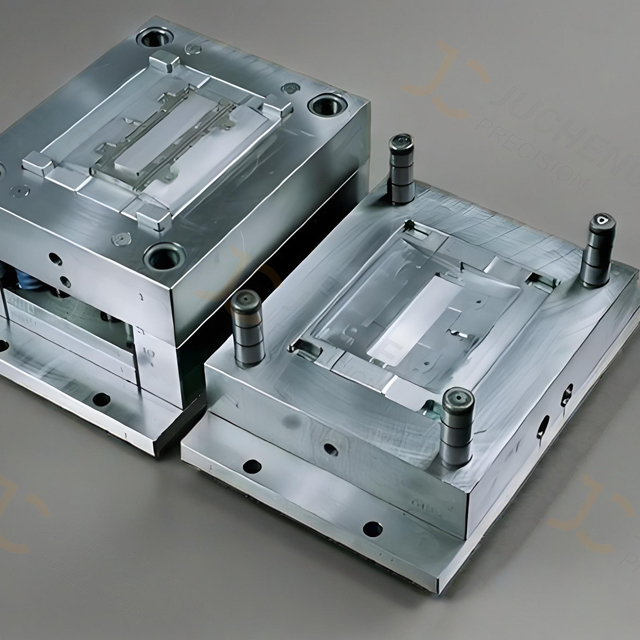
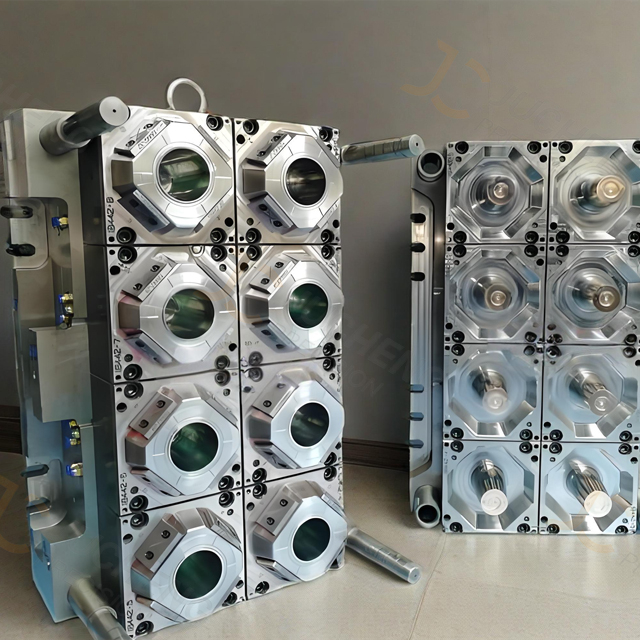
-
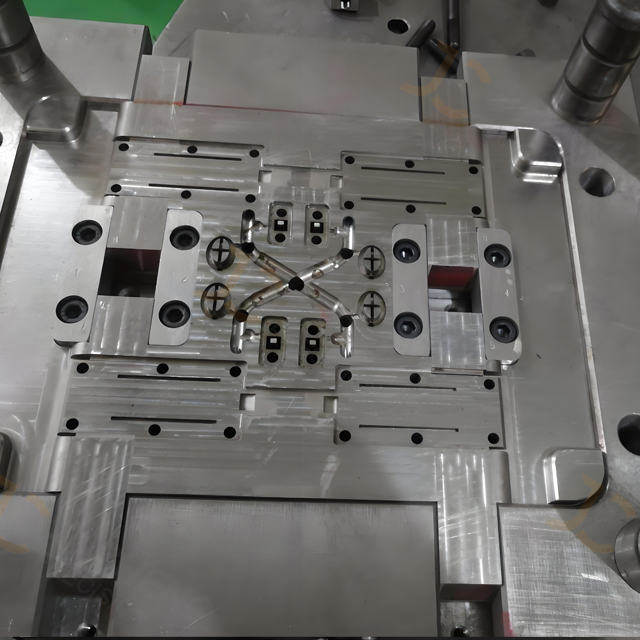
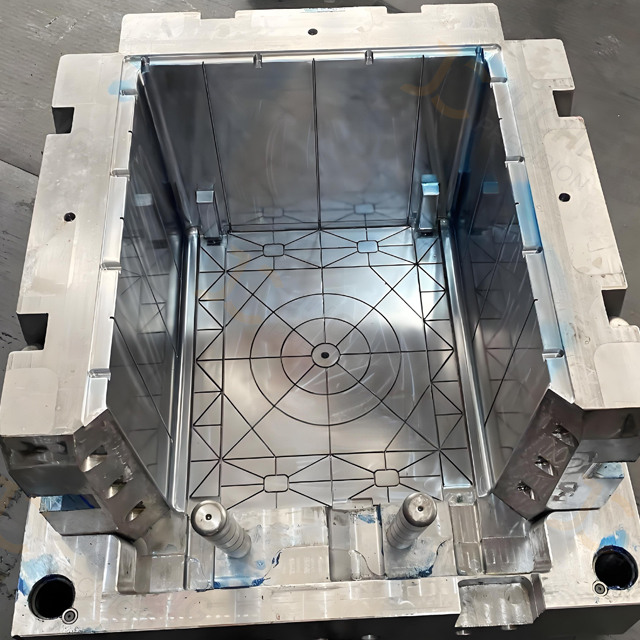
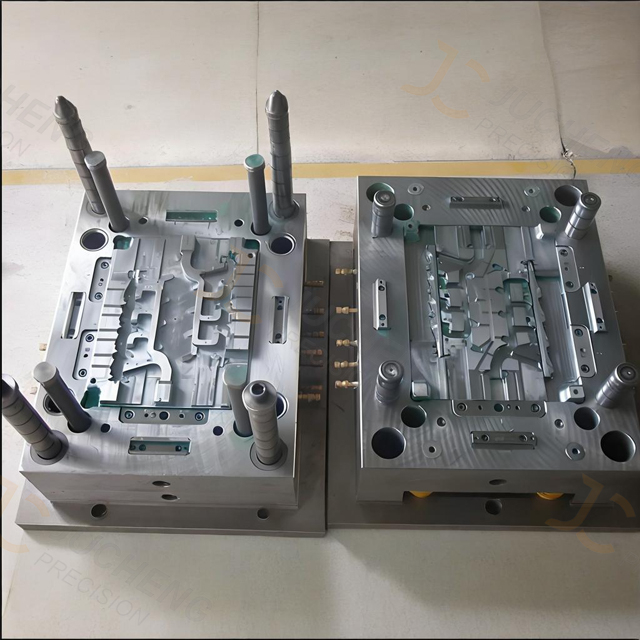
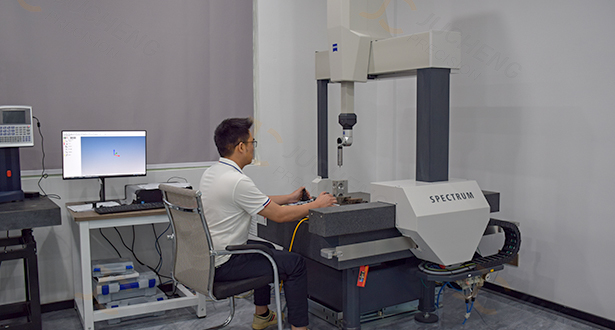
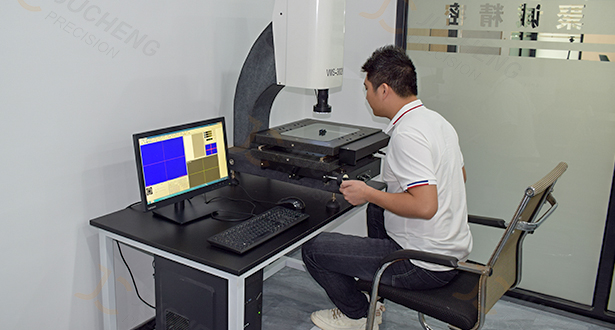
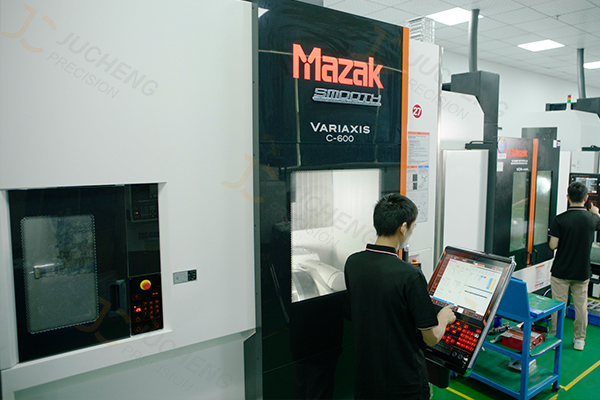
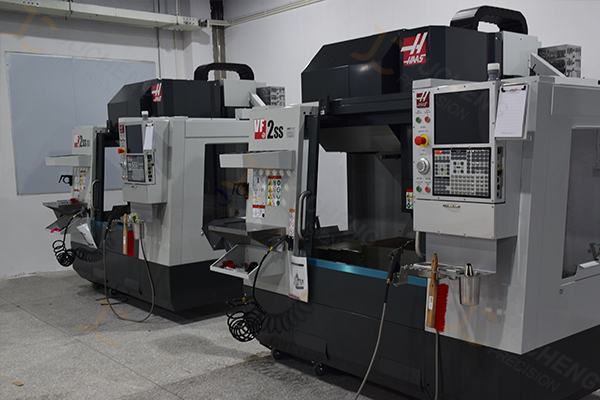
 ±0.005mm (0.0002") machining tolerance capability Ra0.2μm surface finish standards Swiss/German 5-axis CNC and Japanese EDM equipment Full-coordinate measuring machine (CMM) verification
 -
 15-20 day standard turnaround (30% faster than industry average) 7-10 day rush service options Modular design system with 5,000+ standardized components 24/7 production scheduling capability
 -
 DFM analysis reduces tooling costs by 15-30% Mold flow simulation prevents costly redesigns Lifecycle cost optimization reports Localized high-quality material sourcing
 -
 North American/European certified tool steels Premium options: S136, H13 (Uddeholm/ASSAB) Specialty materials for: • Mirror polishing (Ra<0.05μm) • Corrosive environments • High-wear applications
 -
 DFM/DFA concurrent engineering In-house: • CNC machining (5-axis) • EDM (0.1mm electrode capability) • Precision grinding • Automated polishing
 -
 1-year comprehensive warranty Preventative maintenance programs 48-hour emergency response Continuous improvement partnership
-
±0.005mm (0.0002") machining tolerance capability Ra0.2μm surface finish standards Swiss/German 5-axis CNC and Japanese EDM equipment Full-coordinate measuring machine (CMM) verification
-
15-20 day standard turnaround (30% faster than industry average) 7-10 day rush service options Modular design system with 5,000+ standardized components 24/7 production scheduling capability
-
DFM analysis reduces tooling costs by 15-30% Mold flow simulation prevents costly redesigns Lifecycle cost optimization reports Localized high-quality material sourcing
-
North American/European certified tool steels Premium options: S136, H13 (Uddeholm/ASSAB) Specialty materials for: • Mirror polishing (Ra<0.05μm) • Corrosive environments • High-wear applications
-
DFM/DFA concurrent engineering In-house: • CNC machining (5-axis) • EDM (0.1mm electrode capability) • Precision grinding • Automated polishing
-
1-year comprehensive warranty Preventative maintenance programs 48-hour emergency response Continuous improvement partnership
-
Key Material Requirements: Wear resistance, corrosion resistance, thermal conductivity, polishability Common Material Categories:
Material Type Standard Grades Characteristics & Applications Pre-hardened Steel P20 (1.2738), 718 (1.2738H) HRC 28-32 hardness, general-purpose for medium/low complexity molds (appliances/consumer goods) Quenched Steel H13 (1.2344), S7 (1.2363) Heat-resistant (≤600°C), ideal for glass-filled plastics or high-temp engineering resins (PEEK, PA66) Stainless Steel S136 (1.2083), 420 (1.2085) Mirror polish (Ra≤0.012μm), medical/optical-grade molds, corrosion-resistant High-Speed Steel ASP23, ASP60 Extreme wear resistance for glass-reinforced materials (30%GF-PA) or high-volume production (>1M cycles) Copper Alloys AMPCO 940 Superior thermal conductivity for rapid cooling inserts Specialty Materials VAR (Vacuum Arc Remelted) Ultra-clean isotropic steel for precision optical lens molds
-
Key Material Requirements: Impact resistance, wear resistance, fatigue strength Common Material Categories:
Material Type Standard Grades Characteristics & Applications Tool Steels SKD11 (D2), SKD61 (AISI H13) High hardness (HRC 58-62) for blanking/bending dies (medium-volume) Powder Metallurgy Steel DC53, V4E Superior chipping resistance for precision blanking (clearance ≤5% material thickness) Carbides WC-Co (YG15/YG20) Ultimate wear resistance for high-speed stamping (≥800 SPM) or electrical steel punching High-Speed Steel M2 (1.3343), M35 (1.3243) Red hardness for progressive die critical components (punches) Matrix Steel 65Nb (6Cr4W3Mo2VNb) Fatigue-resistant for high-strength sheet metal (stainless steel/titanium) deep drawing Surface Treatments TD coating/TiCN Surface hardness HV2000+, extends die life 3-5x
-
Key Material Requirements: Thermal fatigue resistance, high-temperature strength, erosion resistance Common Material Categories:
Material Type Standard Grades Characteristics & Applications Hot Work Steels H13 (1.2344), H11 (1.2343) Industry standard (withstands 650°C), aluminum/zinc die casting (100K-200K cycles) Premium Modified Steels QRO90, DIEVAR 30% better thermal crack resistance for large thin-wall parts (auto structural) Copper Alloys CuCrZr, CuBe Rapid heat dissipation for sprue bushings/ejector pins Coatings AlCrN, DLC Prevents soldering, improves release High-Temp Alloys Nimonic 80A Extreme conditions (magnesium die casting), withstands 900°C Inserts Tungsten-based (Anviloy 1150) High-melting-point components for plunger tips
-
Corresponding Process: Vacuum Casting● Core Material: Two-component Polyurethane (PU) Resins. This is the most common and primary material. These liquid resins are mixed under vacuum and poured into the silicone mold to cure. ● Material Properties & Simulation Capabilities:· Standard Grades: Can simulate the mechanical properties and appearance of common plastics like ABS, PP, PC, PA (Nylon), PMMA (Acrylic). Available in various hardness levels (from soft elastomers to rigid parts). · Transparent Grades: Transparent PU resins can produce high-clarity prototypes, simulating the appearance of PMMA, PC, or glass. · Specialty Grades: Include high-temperature resistant (can withstand over 120°C short-term), flame-retardant (up to UL94-V0 rating), and elastomeric grades (simulating rubber).● Advantage: Very wide range of material simulations, colorable, capable of producing parts from soft to hard, transparent to opaque.● Limitation: The long-term aging resistance, chemical resistance, and ultimate mechanical strength are typically inferior to true engineering plastics. Primarily used for validation, not for final long-term use.
-
Corresponding Process: Low-Pressure Injection Molding ● Core Material: Real thermoplastic pellets. ● Common Materials:· Commodity Plastics: ABS, PP, PE, PS. · Engineering Plastics: PA (Nylon), POM (Acetal), PC, PMMA, PET, PBT. · Some Performance Plastics: Such as glass-fiber reinforced nylon.● Advantage: The produced parts are in the genuine, intended material, possessing real mechanical properties, chemical resistance, and thermal performance. This is its key value proposition. ● Limitation: Due to the mold's strength limits, injection pressure and temperature cannot be too high. Therefore, materials with good flow characteristics (typically higher Melt Flow Index) are preferred. Not suitable for high-temperature plastics (e.g., PPS, PEEK) or highly filled materials.
-
Corresponding Process: Standard Injection Molding ● Core Material: Virtually all commercial thermoplastic materials. ● Common Materials: Almost all materials compatible with production injection molds can be used, including:· All materials suitable for Resin Molds. · Materials with poorer flow or higher processing temperatures: e.g., PC/ABS blends, reinforced PP, high-temperature nylons. · Highly filled materials: e.g., glass-fiber or carbon-fiber reinforced composites with high filler content.● Advantage: Offers the broadest material selection, producing parts identical in performance to final production parts. Allows for validation of real material shrinkage, weld lines, and other processing characteristics. ● Note: For plastics with strong corrosiveness (e.g., PVC) or extreme abrasiveness (e.g., some mineral-filled grades), the service life of aluminum molds will be significantly reduced. Material selection should be cautious, or surface treatments may be required.
SERVICE
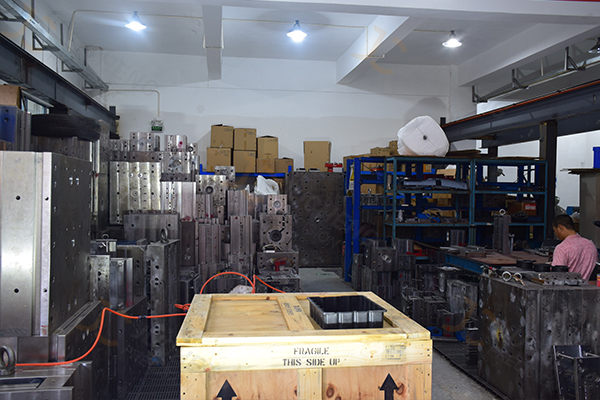
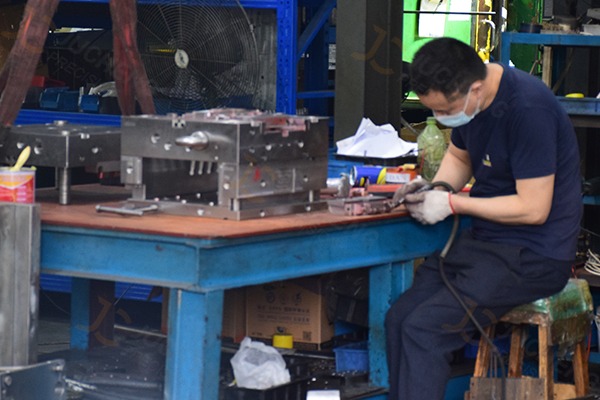
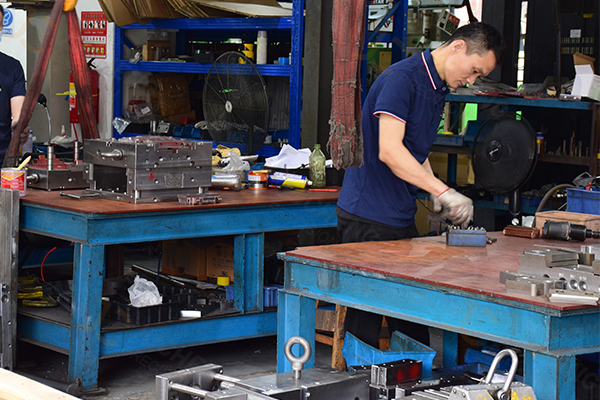
Rapid tooling uses 3D printing and fast molds to speed up creating prototypes and production parts from design to real product.
05
2025-09
Aluminum 3D printing creates strong, lightweight, complex metal parts for aerospace, automotive, and custom tooling applications.

Request Your DFM & Quote – Upload Your Drawings
ㆍFill in your requirements and upload your 2D&3D file, we will feedback your project quotation and DFM within 24 hours.ㆍFile types: STEP, STP, IGES, IGS, SLDPRT, 3DM, SAT, X_T, DWG, DXF, STL, PDF, ZIP and more. File size: < 128 MB Part size: < 1500*1500*1500 mm
ㆍPrivacy: We respect your privacy. Here you can find an example of a non-disclosure agreement. By submitting this form, you agree to our terms & conditions and privacy policy.
ㆍPrivacy: We respect your privacy. Here you can find an example of a non-disclosure agreement. By submitting this form, you agree to our terms & conditions and privacy policy.
