
Silicone molds have become indispensable tools for crafters, manufacturers, and culinary enthusiasts alike. Whether you're creating custom resin art, baking intricate desserts, or prototyping industrial parts, understanding how to make silicone molds properly ensures high-quality results. This guide explores various techniques, including reaction injection molding for industrial applications, while also covering food-safe silicone baking molds and artistic silicone resin molds.

Understanding Silicone Mold Making
Silicone molds are flexible, durable, and capable of capturing fine details, making them ideal for replicating objects with precision. The process involves creating a negative impression of an original model, which can then be used to produce multiple copies. Two-part silicone rubber compounds (typically platinum-cure or tin-cure) are most commonly used due to their excellent reproduction accuracy and heat resistance.
Step-by-Step Process for Making Silicone Molds
1. Choose the Right Silicone
Platinum-cure silicone offers superior detail reproduction and is ideal for resin casting and delicate prototypes.
Tin-cure silicone is more affordable and suitable for less intricate projects but may shrink slightly over time.
Food-grade silicone is necessary for baking molds to ensure safety and compliance with FDA standards.
2. Prepare the Master Model
Clean the original object thoroughly to remove dust or residues.
Apply a release agent (if needed) to prevent sticking, especially for porous materials like clay or wood.
Silicone molds are flexible, durable, and capable of capturing fine details, making them ideal for replicating objects with precision. The process involves creating a negative impression of an original model, which can then be used to produce multiple copies. Two-part silicone rubber compounds (typically platinum-cure or tin-cure) are most commonly used due to their excellent reproduction accuracy and heat resistance.
Step-by-Step Process for Making Silicone Molds
1. Choose the Right Silicone
Platinum-cure silicone offers superior detail reproduction and is ideal for resin casting and delicate prototypes.
Tin-cure silicone is more affordable and suitable for less intricate projects but may shrink slightly over time.
Food-grade silicone is necessary for baking molds to ensure safety and compliance with FDA standards.
2. Prepare the Master Model
Clean the original object thoroughly to remove dust or residues.
Apply a release agent (if needed) to prevent sticking, especially for porous materials like clay or wood.
3. Build a Mold Box
Construct a containment frame around the model using acrylic, LEGO bricks, or cardboard to hold the liquid silicone.
Seal gaps with hot glue or clay to prevent leaks.
4. Mix and Pour the Silicone
Follow the manufacturer’s ratio for Part A and Part B components.
Stir slowly to avoid introducing air bubbles, then degas in a vacuum chamber if necessary.
Pour the silicone in a thin stream over the model to capture fine details.
5. Cure and Demold
Allow the silicone to cure at room temperature (typically 4-24 hours).
Gently remove the master model, leaving a perfect cavity for casting.
Reaction Injection Molding (RIM) for Industrial Silicone Molds
While DIY mold making uses hand-poured silicone, reaction injection molding (RIM) is an advanced manufacturing process where liquid silicone is injected under high pressure into a closed mold. This method is ideal for mass-producing complex, high-strength parts with consistent wall thickness. RIM is commonly used in automotive, medical, and aerospace industries due to its efficiency and scalability.

Construct a containment frame around the model using acrylic, LEGO bricks, or cardboard to hold the liquid silicone.
Seal gaps with hot glue or clay to prevent leaks.
4. Mix and Pour the Silicone
Follow the manufacturer’s ratio for Part A and Part B components.
Stir slowly to avoid introducing air bubbles, then degas in a vacuum chamber if necessary.
Pour the silicone in a thin stream over the model to capture fine details.
5. Cure and Demold
Allow the silicone to cure at room temperature (typically 4-24 hours).
Gently remove the master model, leaving a perfect cavity for casting.
Reaction Injection Molding (RIM) for Industrial Silicone Molds
While DIY mold making uses hand-poured silicone, reaction injection molding (RIM) is an advanced manufacturing process where liquid silicone is injected under high pressure into a closed mold. This method is ideal for mass-producing complex, high-strength parts with consistent wall thickness. RIM is commonly used in automotive, medical, and aerospace industries due to its efficiency and scalability.
Creating Silicone Baking Molds for Culinary Use
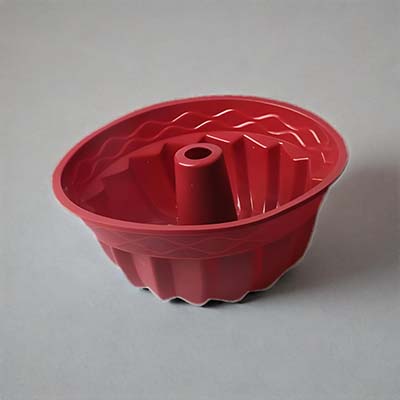
Food-safe silicone baking molds require platinum-cure or FDA-approved tin-cure silicone to withstand oven temperatures without degrading. These molds are perfect for chocolates, cakes, and ice cubes. Ensure proper ventilation during curing, and avoid using non-food-safe additives. A glossy finish can be achieved by brushing on a thin layer of silicone before the main pour.
Crafting Silicone Resin Molds for Art and Jewelry
Artists favor silicone resin molds for their ability to capture intricate textures for epoxy resin projects. Use a high-shore hardness silicone (like 20A or 30A) to prevent deformation when demolding rigid resin casts. For undercuts, consider a two-part mold with registration keys for alignment.
Troubleshooting Common Issues
Food-safe silicone baking molds require platinum-cure or FDA-approved tin-cure silicone to withstand oven temperatures without degrading. These molds are perfect for chocolates, cakes, and ice cubes. Ensure proper ventilation during curing, and avoid using non-food-safe additives. A glossy finish can be achieved by brushing on a thin layer of silicone before the main pour.
Crafting Silicone Resin Molds for Art and Jewelry
Artists favor silicone resin molds for their ability to capture intricate textures for epoxy resin projects. Use a high-shore hardness silicone (like 20A or 30A) to prevent deformation when demolding rigid resin casts. For undercuts, consider a two-part mold with registration keys for alignment.
Troubleshooting Common Issues
- Bubbles in the mold? Degas the silicone or pour in layers.
- Torn edges? Use a thicker mold wall or reinforce with fiberglass mesh.
- Sticky surface? Extend curing time or check mixing ratios.
Mastering how to make silicone molds opens endless possibilities for creativity and production. From DIY crafts to industrial reaction injection molding, selecting the right materials and techniques ensures flawless results. Whether crafting silicone baking molds for gourmet treats or detailed silicone resin molds for art, precision and patience are key. With practice, you can produce professional-grade molds tailored to any project.

Request Your DFM & Quote – Upload Your Drawings
ㆍFill in your requirements and upload your 2D&3D file, we will feedback your project quotation and DFM within 24 hours.ㆍFile types: STEP, STP, IGES, IGS, SLDPRT, 3DM, SAT, X_T, DWG, DXF, STL, PDF, ZIP and more. File size: < 128 MB Part size: < 1500*1500*1500 mm
ㆍPrivacy: We respect your privacy. Here you can find an example of a non-disclosure agreement. By submitting this form, you agree to our terms & conditions and privacy policy.
ㆍPrivacy: We respect your privacy. Here you can find an example of a non-disclosure agreement. By submitting this form, you agree to our terms & conditions and privacy policy.
