


Surgical orthopedic reconstruction demands biocompatible materials capable of enduring lifelong physiological stresses while minimizing localized tissue rejection. Fabricating highly complex load-bearing bone plates, spinal cages, or customized cranial meshes requires an exceptional balance of mechanical strength and sub-micron dimensional precision. Executing medical implant prototyping allows clinical engineers to evaluate biomechanical alignment, perform structural stress distribution simulations, and verify bone-ingrowth porous zones under high-precision test parameters. Sourcing medical-grade titanium, cobalt-chrome, and certified polyetheretherketone (PEEK) represents a non-negotiable step to satisfy rigid global healthcare regulations before human clinical trials begin.
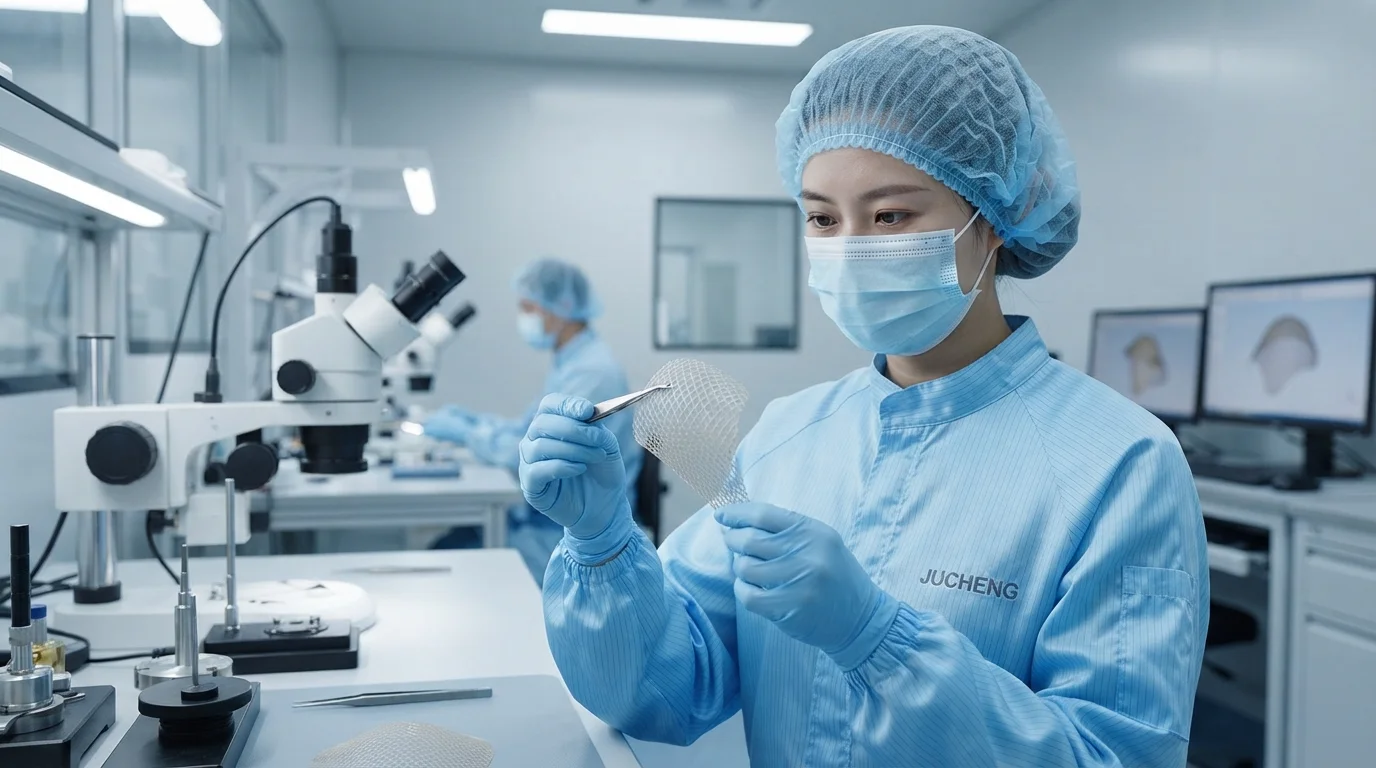
Table of Contents
1. Bone Plate Fabrication and 5-Axis CNC Titanium Milling
2. Trabecular Porous Structures via DMLS Additive Printing
3. Cleanroom Manufacturing, Micro-CNC, and ISO 13485 Standards
Bone Plate Fabrication and 5-Axis CNC Titanium Milling

Question: Why is 5-axis CNC machining mandatory for orthopedic bone plates? Complex contoured surfaces require simultaneous multi-axis toolpaths to carve smooth organic curves without tool marks.
Contoured cranial plates and structural orthopedic fixtures feature complex, organic surface profiles designed to mimic natural bone structures. Machining these intricate components from solid Grade 5 ELI titanium billets demands highly rigid setups and high-torque 5-axis CNC milling machines. Sub-micron coordinate alignments prevent surface defects that could lead to localized fatigue cracking when subjected to dynamic muscular loads. Polishing machined surfaces meticulously reduces cell friction, promoting safe integration into surrounding anatomical tissues.
Various rapid prototyping applications in reconstructive orthopedics rely on simultaneous multi-axis milling to eliminate extensive secondary tooling steps. Carbide-coated micro-endmills carve intricate retention screw threads down to micro-tolerances, ensuring secure fastener engagement during surgical procedures. Technical engineers optimize cutting feeds to prevent raw titanium from work-hardening during high-speed machining passes.
Trabecular Porous Structures via DMLS Additive Printing
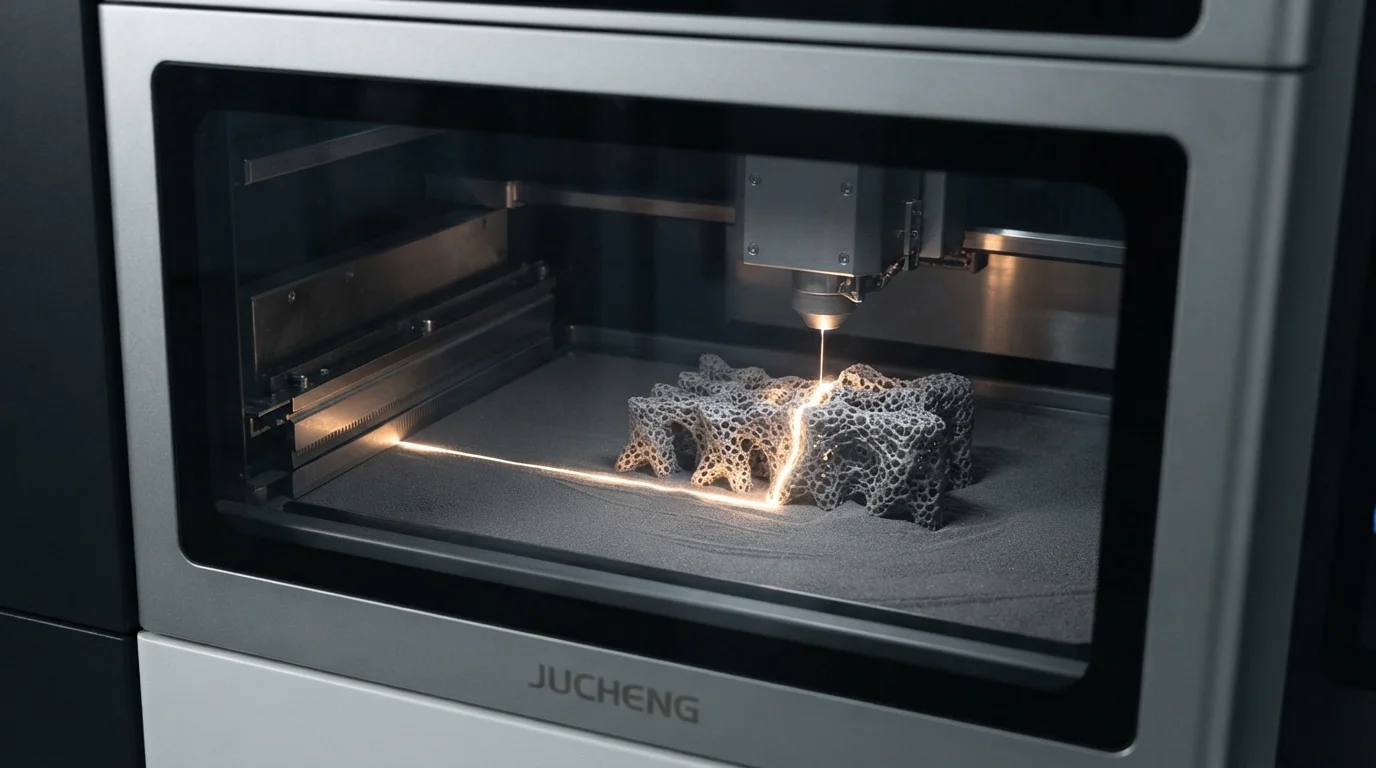
Question: How is bone ingrowth achieved on metallic implant prototypes? Direct metal laser sintering prints highly controlled porous trabecular networks directly onto the implant core to promote osteoingrafting.
Long-term implant survival depends heavily on successful osteoingrafting, where natural bone cells bond permanently with the fabricated metal surface. Direct Metal Laser Sintering (DMLS) delivers precise, porous lattice configurations that mimic natural trabecular bone porosity. Printed titanium meshes undergo hot isostatic pressing (HIP) thermal cycles to close internal micro-cavities, bringing mechanical strength near forged limits. Secondary micro-milling then refines crucial joint interface faces to preserve sub-micron dimensional alignments.
Choosing the correct biocompatible material represents a paramount concern when engineering these custom porous implants. This technical comparison table highlights standard biocompatible materials utilized in joint and skeletal reconstruction:
| Material Base | Elastic Modulus | Bio-Safety Standards | Recommended Orthopedic Part |
|---|---|---|---|
| Titanium Ti-6Al-4V ELI | 114 GPa | ISO 10993, ASTM F136 | Hip joints, load-bearing bone plates |
| PEEK (Optima grade) | 3.6 GPa | Certified USP Class VI | Cranial implants, spinal fusion cages |
| Cobalt-Chromium-Molybdenum | 220 GPa | ISO 5832-12, ASTM F1537 | Knee replacements, dynamic load joints |
Cleanroom Manufacturing, Micro-CNC, and ISO 13485 Standards
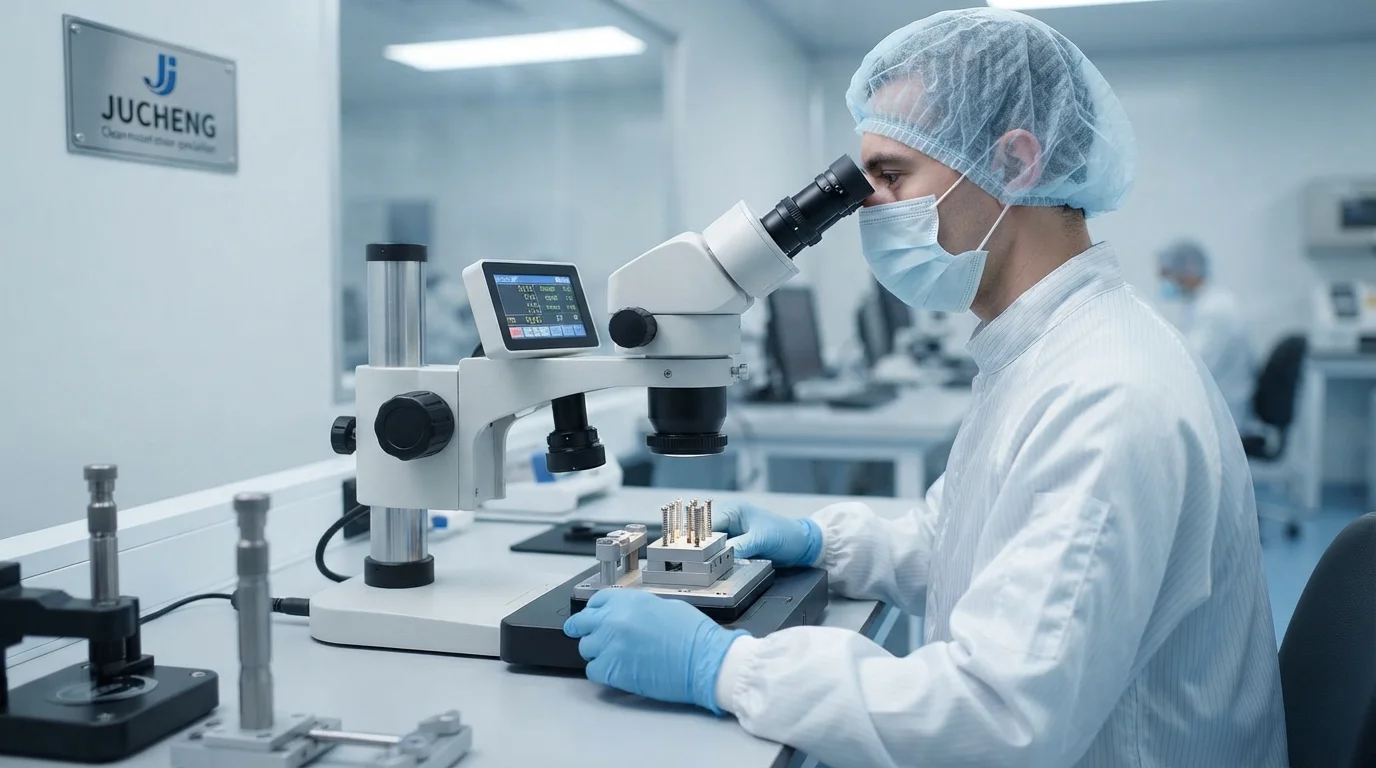
Question: What cleanroom standards are mandatory for medical implants? Component validation and final packaging occur in certified cleanrooms under strict bioburden control protocols.
Aesthetic excellence and mechanical strength are meaningless if the surgical prototype carries biological contamination or trace particulate residue. Jucheng Precision manages a highly controlled manufacturing infrastructure utilizing a certified ISO 13485 quality management system. Automated coordinate measuring machines measure complex freeform geometries against digital CAD models inside temperature-controlled metrology labs. Factory teams deliver full material Certificate of Analysis (CoA) reports to verify compliance with healthcare audit protocols.
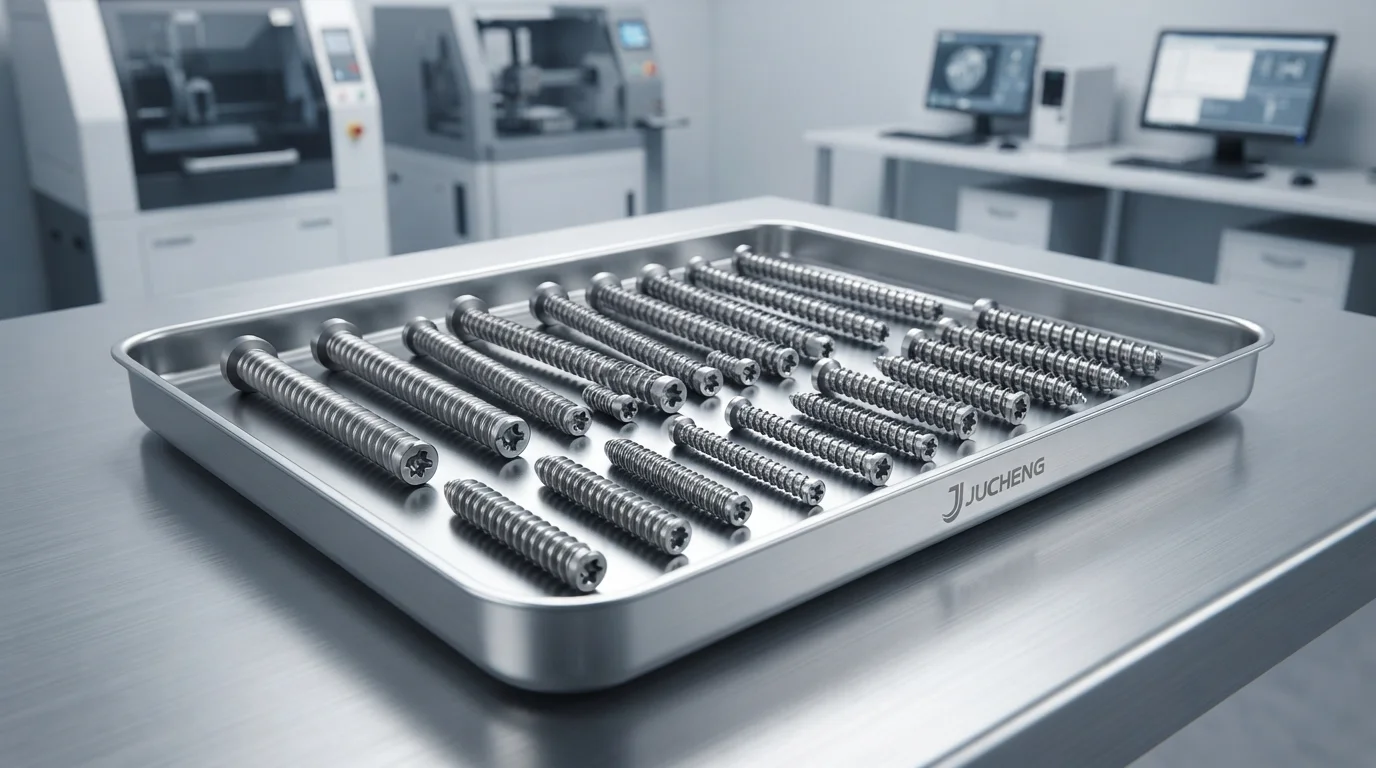
Processing high-end orthopedic bone screws and micro-gimbal linkages requires specialized micro-CNC machining capabilities running on precision 5-axis Haas/Mazak machines. Technical specialists execute exhaustive 24-hour free DFM engineering reviews to optimize draft heights, wall margins, and parting lines before cutting medical-grade metals. Operating under a strict no-MOQ policy allows surgical startups to validate medical implant prototyping steps across multiple small-batch design iterations economically. Specialized ultrasonic cleaning baths remove microscopic cutting oils, preparing implants for clinical cleanroom verification.
Partnering with a certified manufacturing partner ensures that medical implant prototyping phases transition seamlessly to mid-volume series production. Secure data servers protect highly sensitive cranial and joint layout designs throughout every phase of fabrication. Orthopedic designers acquire exceptionally reliable, biocompatible implants optimized for direct anatomical installation.
Frequently Asked Questions (FAQ)
What is the most bio-safe material for permanent medical implant prototyping?
Titanium Grade 5 ELI and implantable-grade PEEK represent the premier choices for permanent biological contact. Both materials exhibit outstanding chemical resistance, zero cellular toxicity, and pass rigid ISO 10993 biocompatibility testing.
Can surgical implant prototypes be manufactured in an ISO Class 7 cleanroom?
Component molding, final ultrasonic wash cycles, and double-bag packaging are conducted inside certified cleanroom environments. Sterile handling procedures prevent environmental particulates or bioburden from contaminating sensitive implant surfaces.
Why is PEEK preferred over titanium for spinal fusion cages?
Polyetheretherketone exhibits an elastic modulus of approximately 3.6 GPa, which closely matches natural cortical bone stiffness. This biomechanical compliance prevents stress shielding, a condition where overly stiff metal implants weaken surrounding bone structures.

