


Validating critical, high-load assemblies requires a systematic manufacturing approach that delivers authentic material strength and sub-micron dimensional clearances. Sourcing high-fidelity physical mockups allows mechatronics groups to identify assembly interferences, validate snap-fit deflection limits, and check internal printed circuit board (PCB) clearances realistically. Product development teams use these tactile test units to perform physical drop-tests and thermal runaway simulations, ensuring components survive real-world operational environments safely. Sourcing solid-billet machined components represents the gold standard for dynamic mechanical checks, as layered additive prints lack the necessary mechanical flexibility and fatigue limits. Let’s look at the material benefits of subtractive manufacturing and explore how multi-axis milling secures complete geometric compliance.
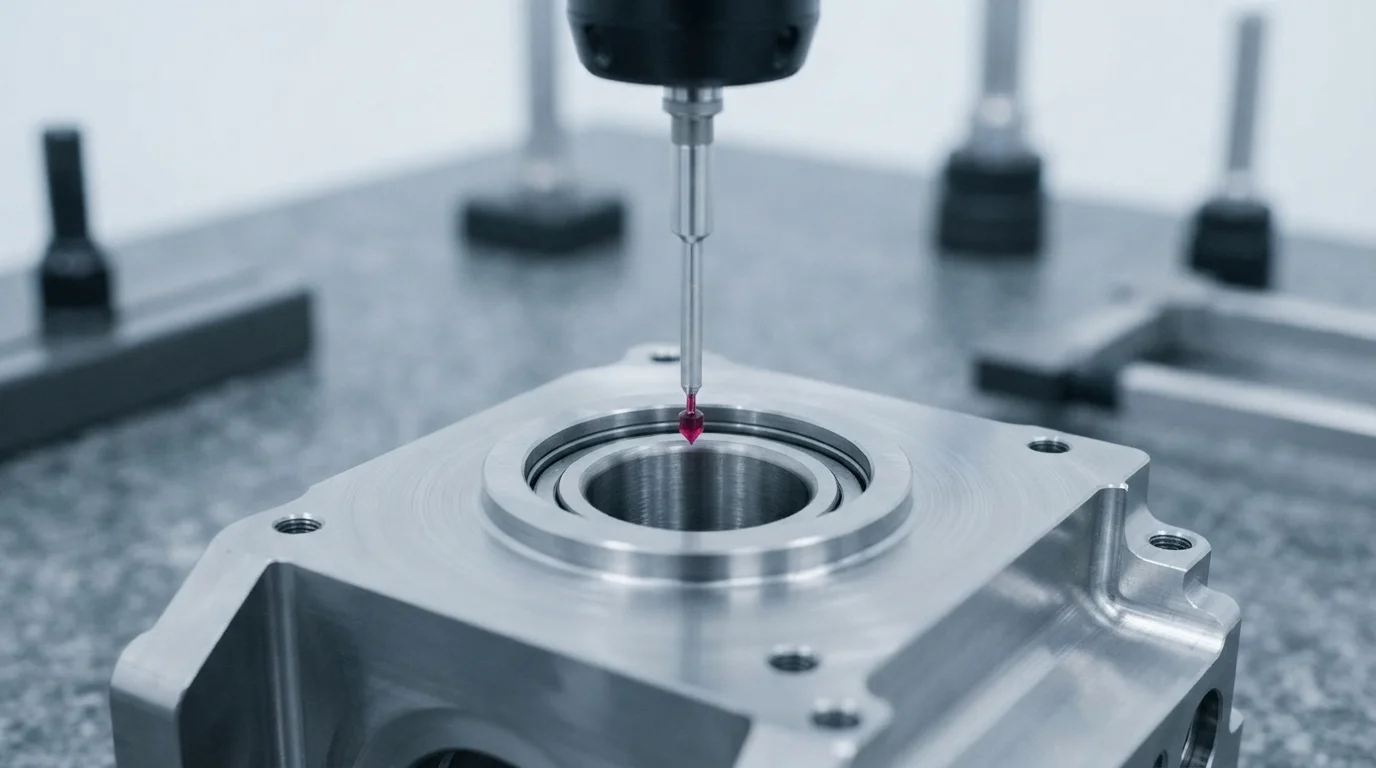
Table of Contents
1. Extreme Dimensional Accuracy and Tight Tolerances
2. Superior Surface Finishes and Direct Machining of Production Metals
Extreme Dimensional Accuracy and Tight Tolerances
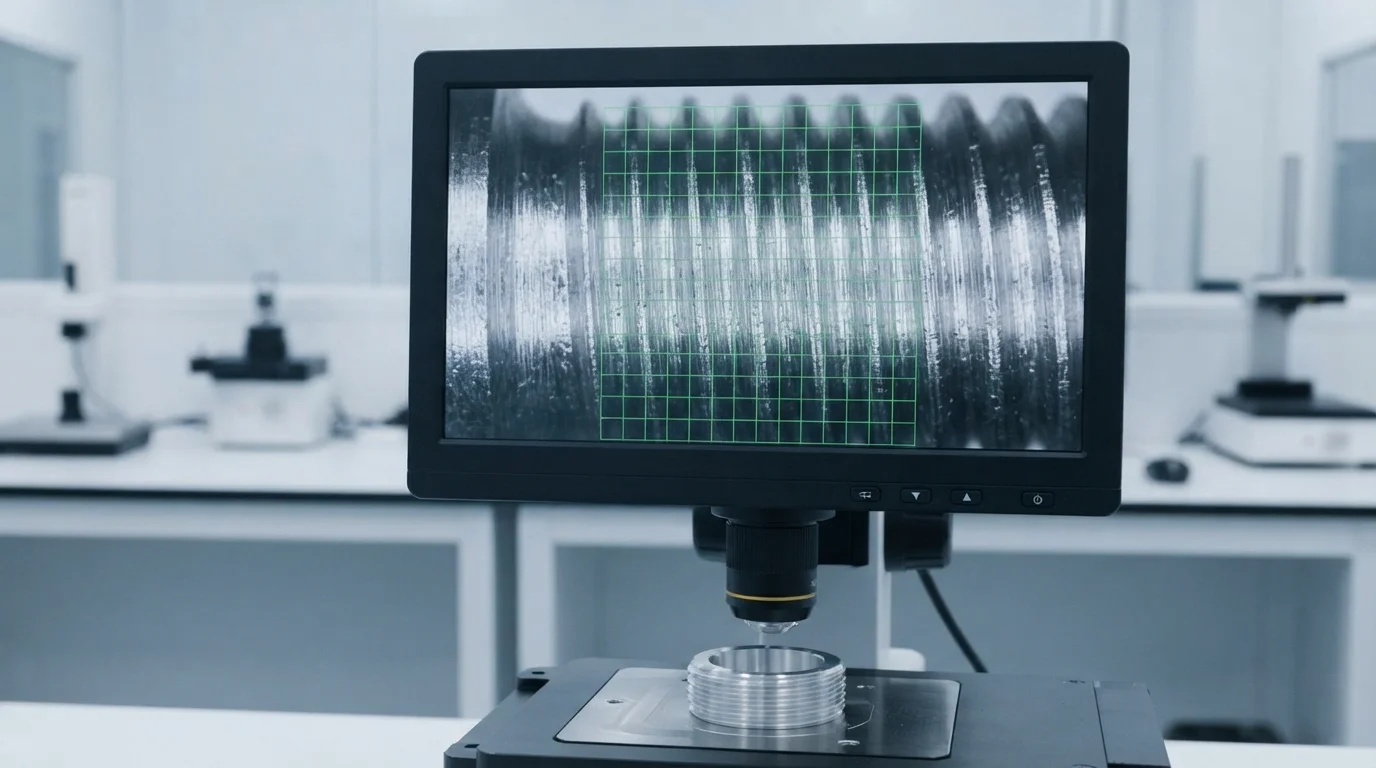
Question: Why do engineers choose subtractive milling over 3D printing for critical bearing bores? High-precision multi-axis machining centers hold clearances down to ±0.01 mm, preventing radial play and ensuring smooth bearing rotation.
Standard additive manufacturing platforms deliver outstanding design freedom but fall short when required to hold sub-micron concentricity or precise thread pitches. Sourcing custom components from a versatile Prototype Service platform ensures engineers utilize the physical accuracy of multi-axis milling. Subtractive machining avoids the thermal shrinkage and warping issues of 3D printing, enabling operators to hold extreme dimensional tolerances with outstanding repeatability. Analyzing the exact advantages of cnc for rapid prototyping helps mechanical design groups plan critical mounting features confidently.
Rotary joint mechanisms and sliding tracks demand absolute dimensional repeatability to eliminate gear backlash and ensure precise motion transfer. Sourcing machined parts with highly accurate geometric dimensioning and tolerancing (GD&T) profiles ensures multi-part enclosures snap together cleanly. Standardizing non-critical clearances allows high-speed milling spindles to clear raw stock quickly, maximizing cutting efficiency. Understanding the baseline advantages of rapid prototyping allows mechatronics groups to bypass these high capital barriers safely during early development.
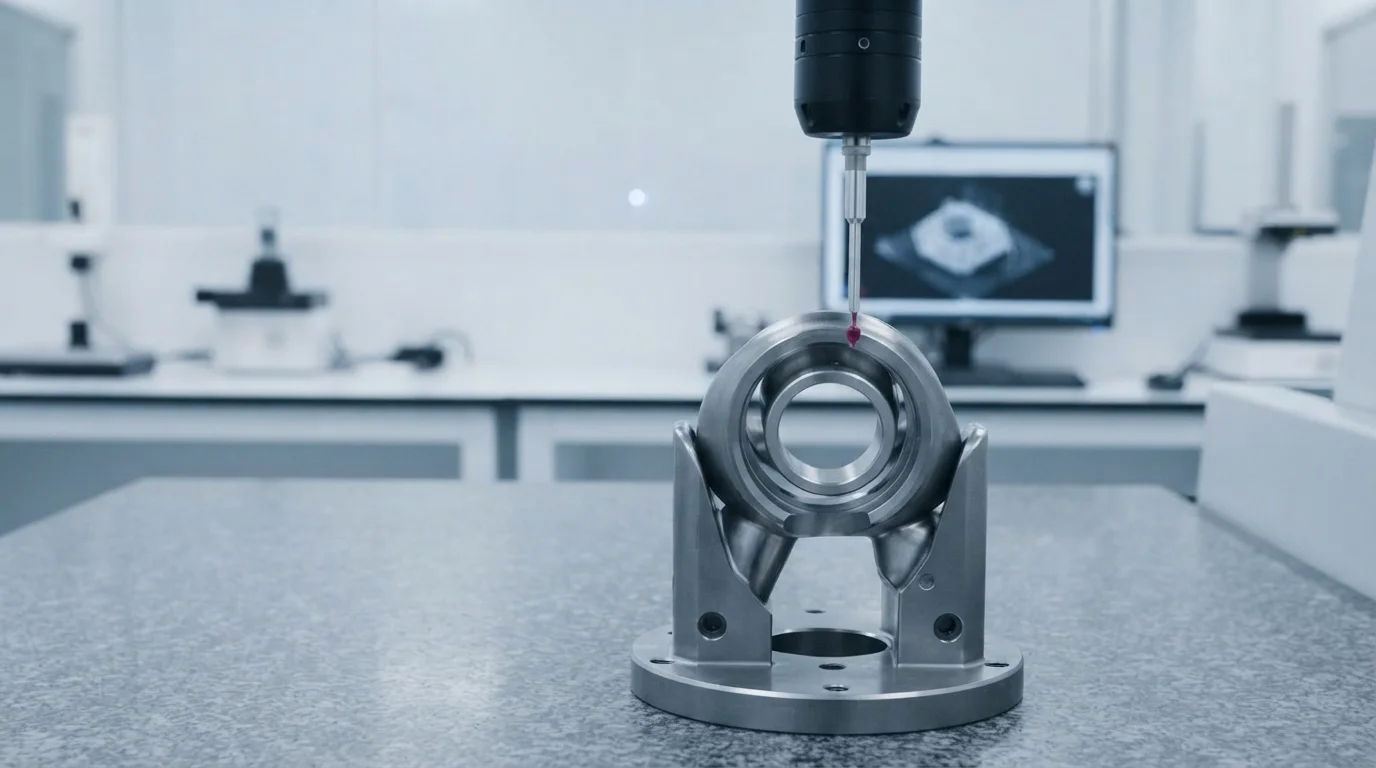
High-precision coordinate measuring machines verify crucial dimensions to prevent assembly misalignments of complex multi-part hardware assemblies. Splicing raw CAD files precisely allows experienced toolmakers to analyze parting lines, draft angles, and wall thicknesses using advanced mold flow simulation software. Sourcing your copies from a partner with extensive in-house capabilities ensures you receive honest, cost-saving advice for your specific hardware program. Technical engineering groups secure stable, cost-effective manufacturing routes by addressing geometric boundaries systematically.
Superior Surface Finishes and Direct Machining of Production Metals

Question: Why do CNC machined parts have superior cosmetic finishes compared to 3D prints? Subtractive milling leaves a highly flat, uniform surface free of layer-stacking ridges, simplifying the application of anodization and painting.
Jucheng Precision supports mechatronics startups by delivering highly optimized, cost-saving fabrication options that protect development budgets from unnecessary expenses. Sourcing our expert 24-hour free DFM reviews helps product groups optimize gate placements, parting lines, and draft profiles before cutting metal or pouring silicone. Sourcing high-quality prototypes ensures your designs are built to withstand severe dynamic forces safely. Sourcing your components from our certified, single-roof manufacturing facility prevents communication errors, ensuring design changes are propagated across all stages safely.
Direct block machining allows developers to test parts using standard aerospace-grade Aluminum, Titanium, or high-tensile Stainless Steel. Solid metal billet processing preserves the isotropic grain alignments of the raw alloys, preventing internal porosity defects common in metal sintering. Sourcing functional parts milled from solid engineering blocks provides authentic material behavior under dynamic loading. Symmetrical component designs simplify holding fixtures, reducing initial setup labor hours dramatically.
Pragmatic application of the advantages of cnc for rapid prototyping allows designers to bypass the rough, layered textures characteristic of standard 3D Printing Service models. Milled metal components receive decorative Surface Finishes easily, including bead-blasting and custom anodizing, to replicate final consumer goods beautifully. This detailed technical comparison outlines baseline performance differences across standard rapid manufacturing options:
| Prototyping Technology | Tolerance Precision | Material Options | Surface Finish Baseline |
|---|---|---|---|
| 3D Printing (SLA) | ±0.15 mm to ±0.20 mm | Brittle photopolymers | Layered, requires hand-sanding |
| CNC Machining | ±0.01 mm to ±0.05 mm | Production metals & plastics | Smooth, tool-mark uniform |
| Vacuum Casting | ±0.20 mm to ±0.30 mm | Polyurethane resins | Texture-replicated, molded |
Choosing between subtractive milling and additive deposition depends heavily on whether your custom design requires structural load-bearing tests. Standardizing your CAD geometries early allows you to use standard cutting tools, illustrating the actual advantages of cnc for rapid prototyping programs. Sourcing early DFM reviews ensures non-critical tolerances are loosened to prevent unnecessary machining hours.
Frequently Asked Questions (FAQ)
Why choose CNC over 3D printing for functional prototypes?
SLA and SLS printing resins provide fast concept models but exhibit high brittleness under tension, causing snap-fit tabs to break instantly. Subtractive CNC milling from extruded bars of Delrin or Nylon delivers functional snap-fits matching production-grade molded mechanics. Machined engineering plastics recover their shape completely after deflection, allowing designers to perform accurate assembly checks.
Does complex surface polishing increase prototyping bills dramatically?
Manual hand-polishing, vapor-polishing, and multi-layer painting require intensive labor hours, which can double your overall project bill. Specifying standard bead-blasted or raw machine finishes for internal structures or early visual models lowers your total finishing expenditures. Product designers coordinate with manufacturing specialists to apply decorative coatings only on visible external show faces.
How can mold tooling expenses be reduced for short-run production?
Most silicone molds yield twenty to thirty clean pulls before the rubber becomes brittle and begins to tear. Designing parts with gentle draft angles and generous fillets helps preserve the cavity walls, extending mold life up to forty runs. Sourcing early DFM reviews simplifies split line layouts, eliminating the need for expensive mechanical sliders in rapid molds.

