


Developing advanced physical mockups under strict corporate environmental standards requires a balanced manufacturing approach that minimizes material waste, raw energy consumption, and downstream scrap components. Modern procurement departments face intense pressure to satisfy strict environmental, social, and governance (ESG) compliance guidelines across global supply chains. Sourcing additive or subtractive hardware models helps design groups eliminate physical trial-and-error cycles, preserving massive quantities of raw plastic and metal billets. Successful product development groups evaluate ecological footprints early to prevent unnecessary landfill waste during early design validation gateways.
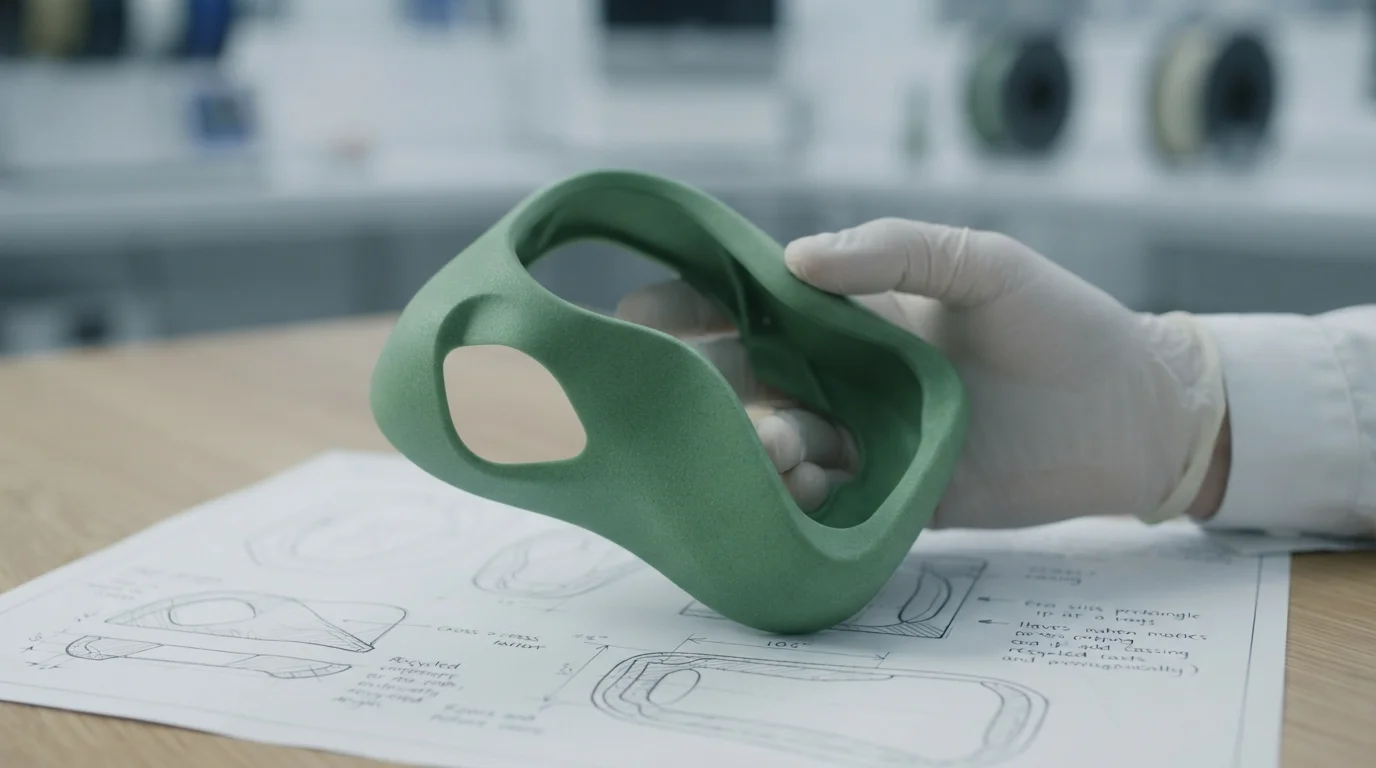
Analyzing the critical environmental benefits of rapid prototyping processes helps sustainable brands design lightweight, optimized structures without wasting energy on high-volume production setup errors. Jucheng Precision supports mechatronics startups by delivering highly optimized, cost-saving fabrication options that protect development budgets from excessive raw material expenditures. Sourcing our expert 24-hour free DFM reviews helps product groups optimize gate placements, parting lines, and draft profiles before cutting metal or pouring silicone. Having both in-house tool design and thirty-five high-precision molding presses ensures you receive completely honest, practical advice.
Table of Contents
1. Reducing Raw Material Waste Through Additive Layer Deposition
Reducing Raw Material Waste Through Additive Layer Deposition
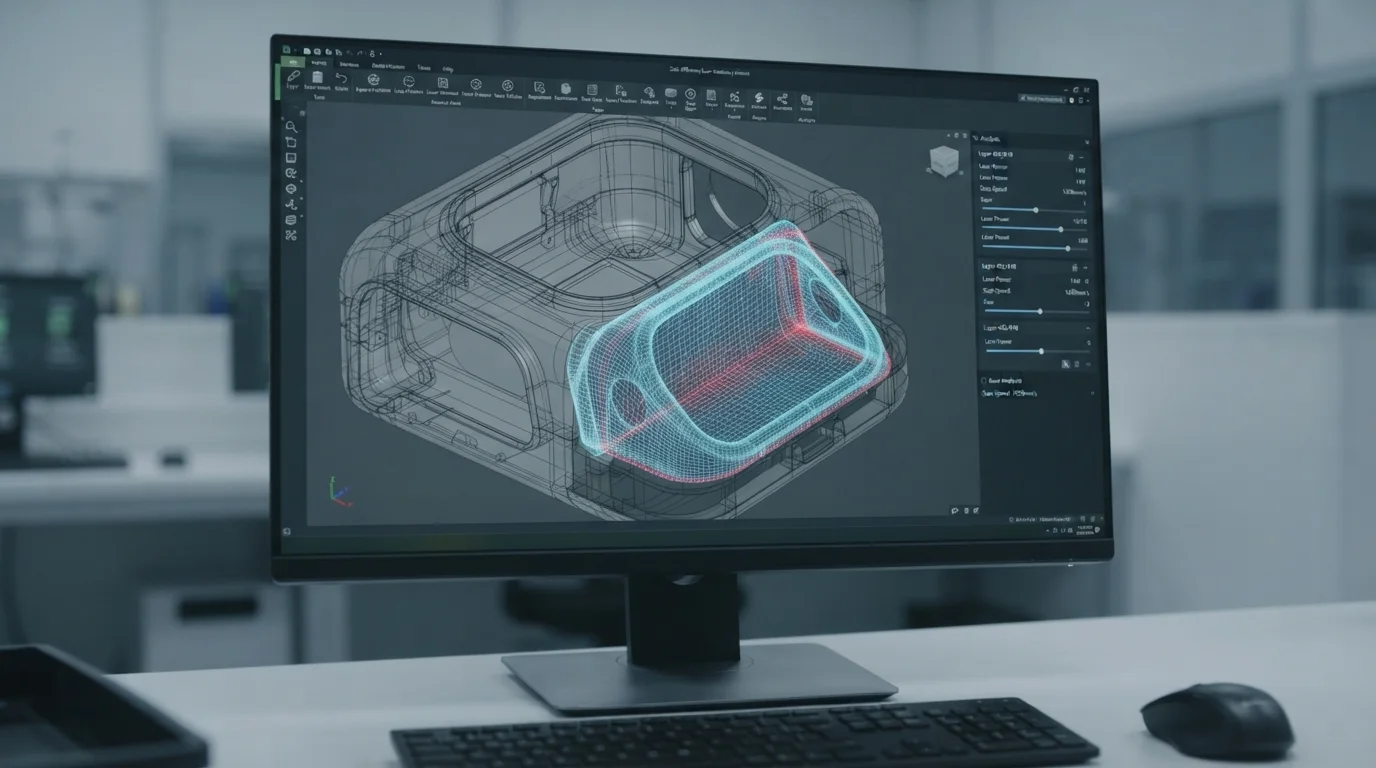
Question: How does 3D printing reduce material waste compared to CNC machining? Additive manufacturing only deposits material where structural features are required, minimizing scrap shavings.
Subtractive machining processes cut material away from solid blocks, creating considerable scrap metal or plastic shavings that cannot be recycled easily. Sourcing custom plastic enclosures from an advanced 3D Printing Service platform allows teams to build complex geometries while consuming only the exact volume of polymer required. Slicing CAD files precisely allows experienced toolmakers to analyze parting lines, draft angles, and wall thicknesses using advanced mold flow simulation software. Sourcing your copies from a partner with extensive in-house capabilities ensures you receive honest, cost-saving advice for your specific hardware program.
Polygonal 3D printing methods like selective laser sintering (SLS) reuse unfused powder from previous runs, reducing raw material waste almost completely. Solid, heavy features use significant amounts of liquid resin or powder, driving up the raw material portion of your invoice. Slicing software measures the bounding box dimensions of your CAD files, predicting exactly how many vertical layers must be cured to complete the job. Tall components require more vertical layer steps, increasing overall printing hours even if the part itself is thin and lightweight.
Understanding the baseline advantages of rapid prototyping allows mechatronics groups to bypass these high capital barriers safely during early development. Sourcing physical validation models early in your developmental cycle ensures you avoid hidden fees like mold redesigns and gating errors. Sourcing high-quality prototypes ensures your designs are built to withstand severe dynamic forces safely. Sourcing your components from our certified, single-roof manufacturing facility prevents communication errors, ensuring design changes are propagated across all stages safely.
Lowering Carbon Footprints by Eliminating Scrapped Molds
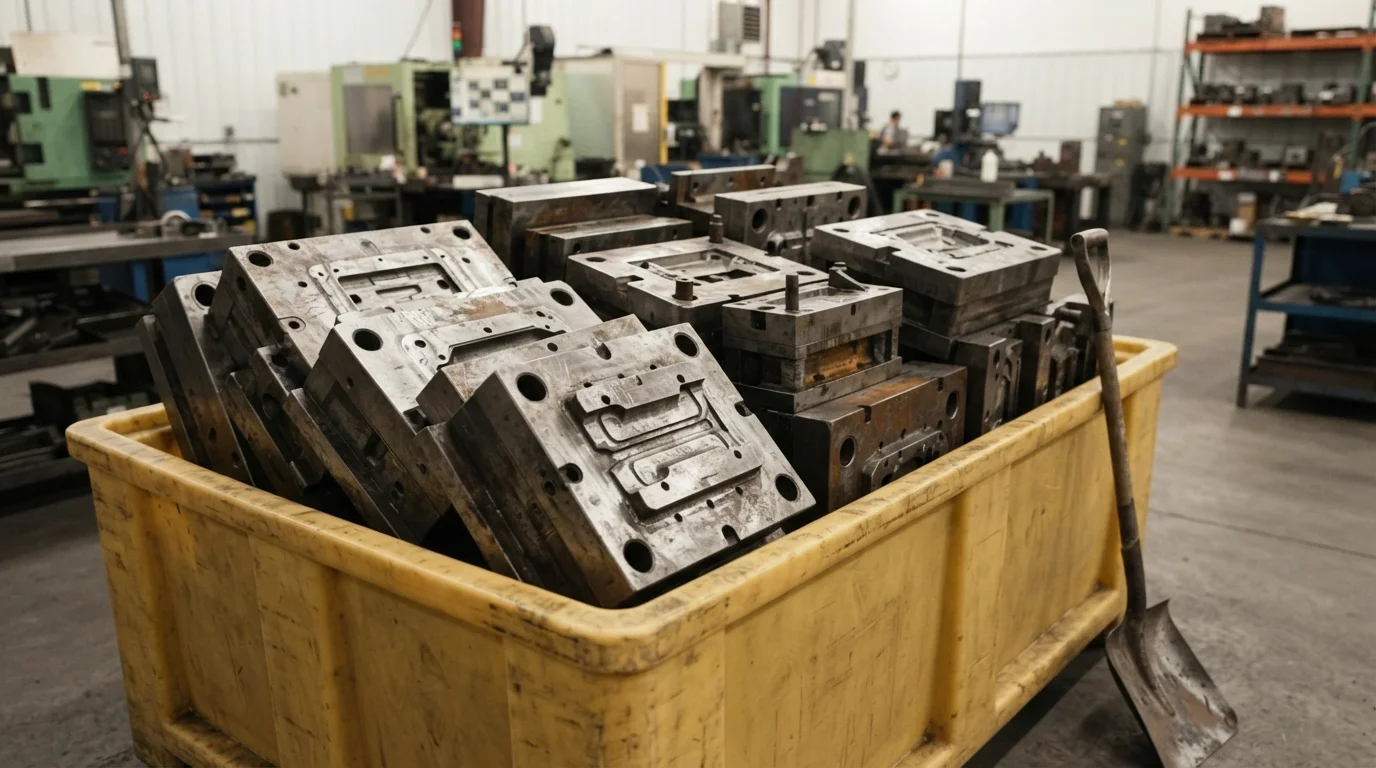
Question: How does prototyping prevent mold scrap energy waste? Physical validation checks identify design defects before expensive steel injection molds are fabricated, preventing entire mold assemblies from being scrapped.
Manufacturing massive hardened steel molds requires months of precision machining and manual toolroom fittings, creating a massive bottleneck for fast-moving hardware programs. Sourcing alternative, fast-turnaround fabrication methods explains how the environmental benefits of rapid prototyping help developers lower their overall carbon footprint. Slicing CAD files precisely allows experienced toolmakers to analyze parting lines, draft angles, and wall thicknesses using advanced mold flow simulation software. Sourcing your copies from a partner with extensive in-house capabilities ensures you receive honest, cost-saving advice for your specific hardware program.
Choosing to execute your early-stage evaluations using identical production-grade resins helps mechanical groups validate long-term mechanical wear. Sourcing functional CNC Machining Service parts from extruded billets of ABS, Nylon (PA), or aluminum Aluminum provides authentic material behavior before cutting tool steel. This detailed materials validation eliminates mechanical failure risks when transitioning prototype to production design configurations. Early validation prevents expensive engineering changes when scaling up to high-volume injection molding.
Selecting the correct structural material involves balancing raw physical properties with overall milling times and tool wear. This technical comparison table highlights baseline material waste and carbon behaviors across standard rapid fabrication methods:
| Manufacturing Metric | Rapid Prototyping Standard | Traditional Manufacturing Standard | Primary B2B Environmental Influence |
|---|---|---|---|
| Material Waste Factor | Low (Only support structures) | High (Up to 80% scrap billet) | Dictates raw polymer usage and landfill waste |
| Lead Time to Samples | 3 to 15 business days | 8 to 12 weeks minimum | Determines time-to-market speed and launch velocity |
| Energy Consumption | Low (Automated slicing) | Extreme (Hard steel milling) | Influences total carbon footprint of scrapped molds |
Frequently Asked Questions (FAQ)
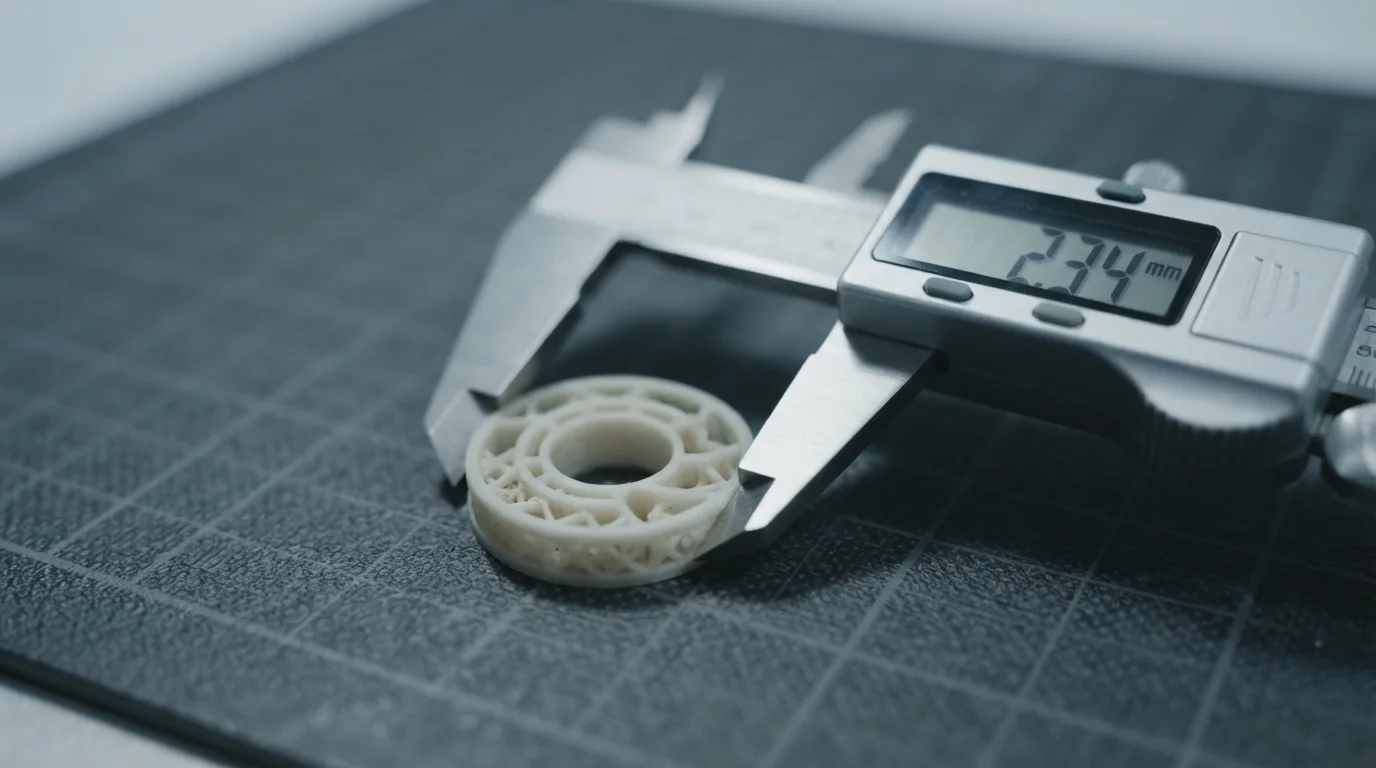
How does rapid prototyping support sustainable manufacturing?
Low-end additive printing processes cannot simulate the physical strength of production thermoplastics, making structural part testing highly prone to failure. Sourcing functional parts milled from solid engineering polymers represents a critical milestone to validate realistic mechanical wear. Sourcing early DFM reviews ensures non-critical tolerances are loosened to prevent unnecessary machining hours, illustrating the environmental benefits of rapid prototyping programs.
Can 3D printed parts survive functional assembly validation tests?
SLA and SLS printing resins provide fast concept models but exhibit high brittleness under tension, causing snap-fit tabs to break instantly. Subtractive CNC milling from extruded bars of Delrin or Nylon delivers functional snap-fits matching production-grade molded mechanics. Machined engineering plastics recover their shape completely after deflection, allowing designers to perform accurate assembly checks. Sourcing high-quality Prototype Service models ensures finished hardware matches target mechanical parameters perfectly.
How many parts can you pull from a single silicone mold before it fails?
Most silicone molds yield twenty to thirty clean pulls before the rubber becomes brittle and begins to tear. Designing parts with gentle draft angles and generous fillets helps preserve the cavity walls, extending mold life up to forty runs. Sourcing early DFM reviews simplifies split line layouts, eliminating the need for expensive mechanical sliders in rapid molds.

