


Developing customized plastic parts in low to medium volumes requires product designers to balance high-risk upfront mold investments with long-term per-part manufacturing costs. Sourcing a transparent bridge tooling cost program helps engineering groups avoid the massive capital expenditure (CapEx) associated with multi-cavity hardened steel production molds. Standard prototyping services represent a quick route for form studies, but transitioning those designs to physical molded plastic parts demands a scalable, robust mold strategy. Slicing complex three-dimensional CAD geometries precisely ensures early-stage parts release cleanly from core cavities without scuffing or warping. Meticulous planning prevents expensive engineering reworks, ensuring custom assemblies transition seamlessly from early prototypes to mass production.
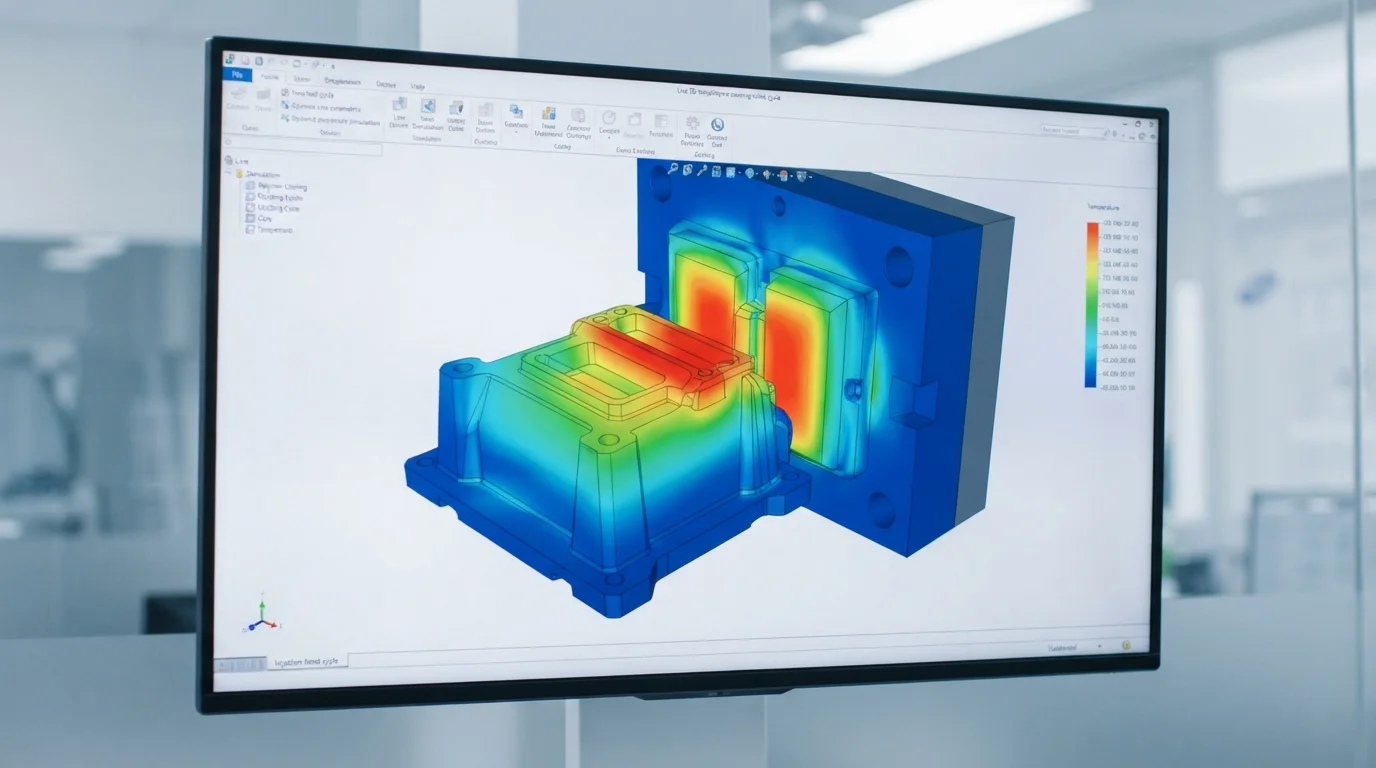
Table of Contents
1. Analyzing MUD Frames and Material Savings Over Steel
2. Billet Volumes and G Code Programming Hour Breakdown
Analyzing MUD Frames and Material Savings Over Steel
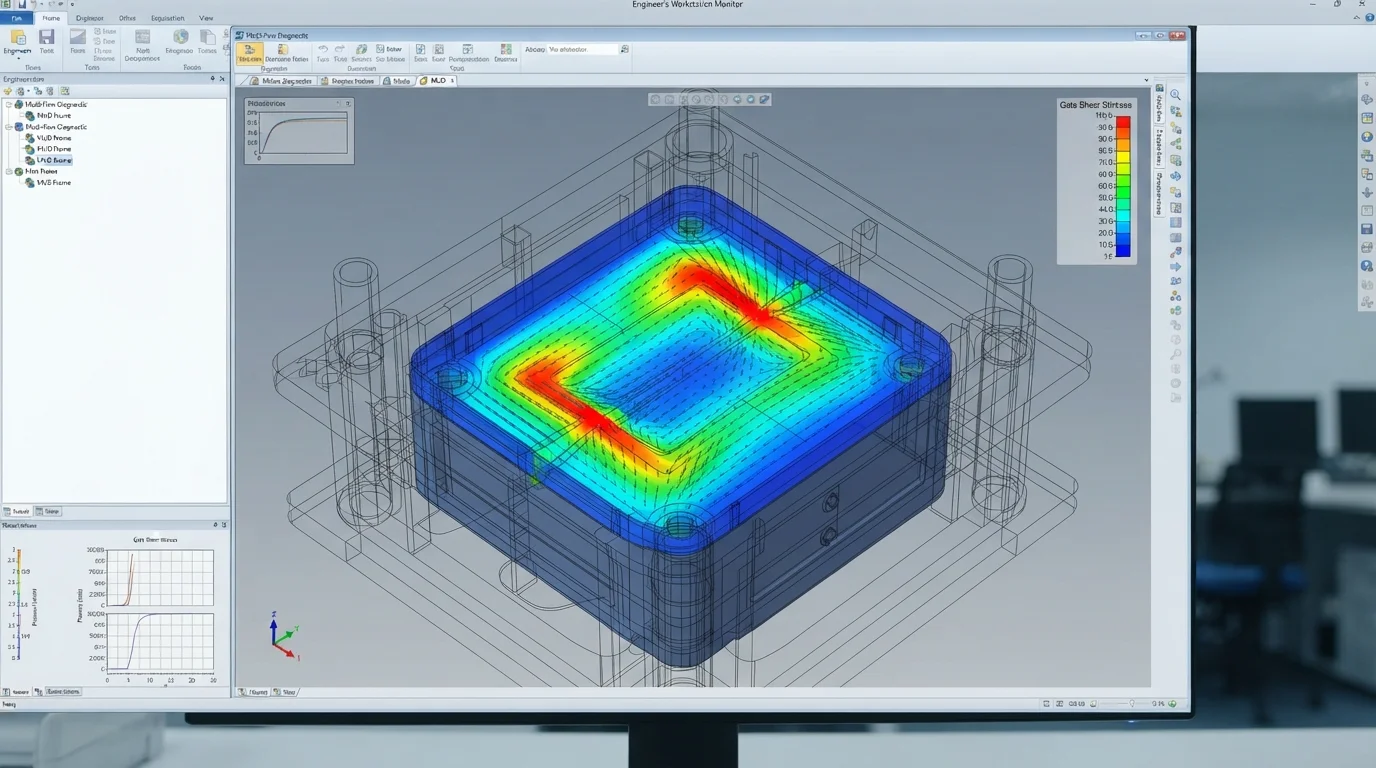
Question: Why do bridge molds cost significantly less than production molds? Sourcing soft metals like aluminum or soft steel combined with standard modular unit die (MUD) frames eliminates custom mold base fabrication fees.
Navigating the transition from early visual prototypes to mass-production molds requires a highly coordinated manufacturing strategy. For mechatronics startups, understanding how to apply bridge tooling programs is essential to scale up without locking up valuable development cash flow. Sourcing intermediate molds fabricated from soft metals allows product groups to fulfill crowdfunding orders or conduct extensive clinical trials safely. These temporary tooling options deliver parts molded from genuine polypropylene, ABS, or glass-filled nylon, satisfying rigid field testing guidelines perfectly.
Jucheng Precision supports mechatronics startups by delivering highly optimized, cost-saving fabrication options that protect development budgets from unnecessary expenses. Sourcing our expert 24-hour free DFM reviews helps product groups optimize gate placements, parting lines, and draft profiles before cutting metal or pouring silicone. Sourcing a dedicated Rapid Tooling Service using aluminum or soft steel cores delivers genuine injection-molded components from production-grade resins within weeks. Sourcing rapid tooling allows product developers to validate gating, parting lines, and draft angles under real machine pressures.
Standardizing vertical draft angles, filleted corners, and nominal wall thicknesses is the primary method to prevent mold flash. Mold parting line shut-offs are hand-fitted precisely, ensuring polymer does not escape under high clamping pressures. Sourcing early DFM reviews simplifies split line layouts, eliminating the need for expensive mechanical sliders in rapid molds.
Billet Volumes and G Code Programming Hour Breakdown
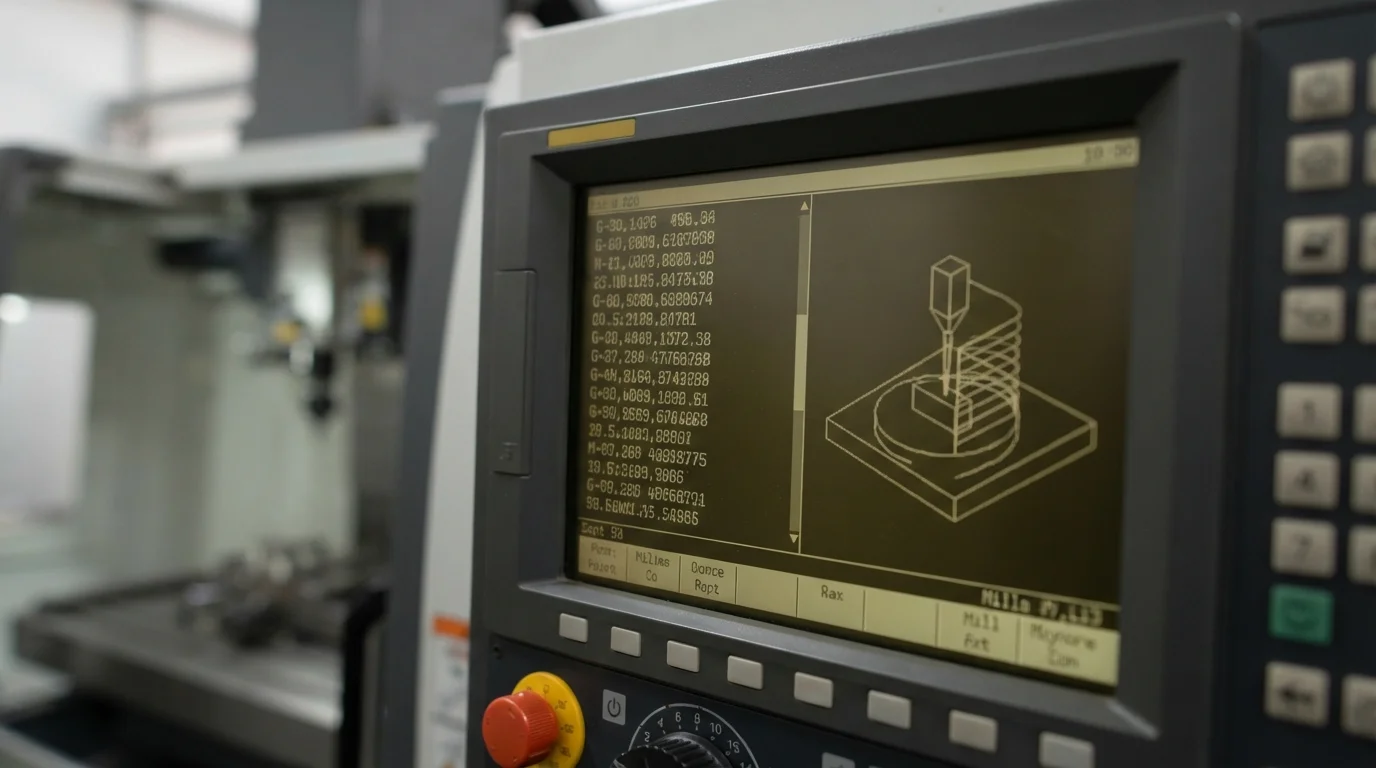
Question: What are the primary labor cost drivers in bridge mold manufacturing? High-speed CAM G-code programming, multi-axis CNC spindle hours, and precision manual cavity polishing constitute the major labor expenses.
Evaluating your comprehensive bridge tooling cost requires analyzing physical toolpath complexity and raw block sizes carefully. CNC programmers write custom G-code coordinates to control multi-axis milling paths, driving up initial setup labor hours. Slicing CAD files precisely allows experienced toolmakers to analyze parting lines, draft angles, and wall thicknesses using advanced mold flow simulation software. Sourcing your copies from a partner with extensive in-house capabilities ensures you receive honest, cost-saving advice for your specific hardware program.
Selecting the correct structural material involves balancing raw physical properties with overall milling times and tool wear. Sourcing high-fidelity mockups of structural linkages from a professional Prototype Service is ideal for early form studies, but those CAD files often violate mass-production injection molding physics. This technical comparison table highlights baseline cost behaviors across different manufacturing approaches to help you plan your hardware budget:
| Manufacturing Metric | Rapid Prototyping Standard | Traditional Manufacturing Standard | Primary B2B Financial Influence |
|---|---|---|---|
| Initial Tooling Cost | Zero to low ($200 – $500 per mold) | Extreme ($10,000 – $50,000+) | Dictates upfront development risk and cash flow |
| Minimum Order Quantity | Zero MOQ (No minimum penalties) | High (5,000 to 10,000+ units) | Influences warehouse inventory storage costs |
| Lead Time to Samples | 3 to 15 business days | 8 to 12 weeks minimum | Determines time-to-market speed and launch velocity |
Choosing to execute your early-stage evaluations using identical production-grade resins helps mechanical groups validate long-term mechanical wear. Sourcing functional CNC Machining Service parts from extruded billets of ABS, Nylon (PA), or aluminum Polypropylene (PP) provides authentic material behavior before cutting Tool Steel core blocks. This detailed materials validation eliminates mechanical failure risks when transitioning prototype to production design configurations. Early validation prevents expensive engineering changes when scaling up to high-volume injection molding.
Projecting Financial Returns for NPI Hardware Launches
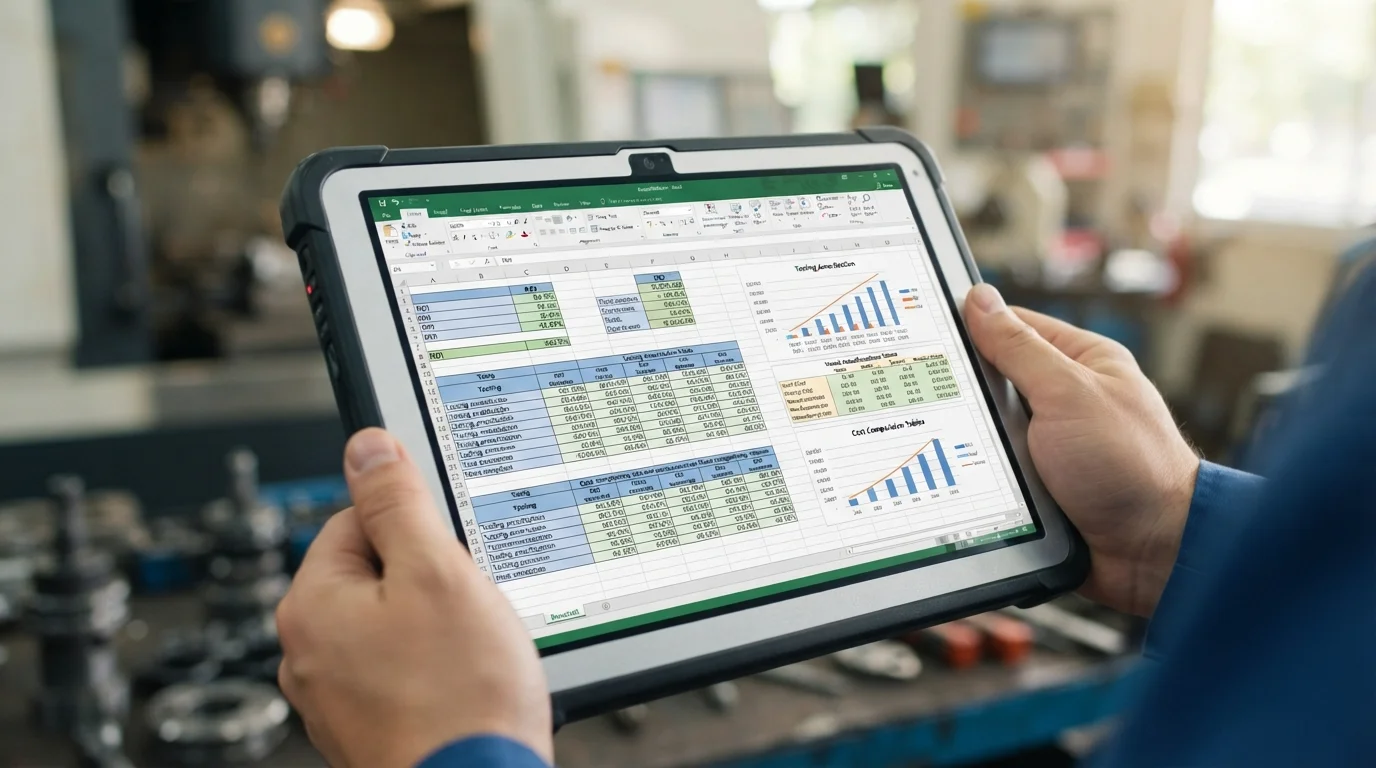
Question: How does bridge tooling speed up return on investment (ROI)? Delivering functional, production-representative plastic parts months ahead of traditional hard tooling launches allows consumer brands to generate revenue sooner.
Transitioning to an automated Injection Molding Service requires a complete overhaul of raw prototype CAD geometries to accommodate mold release physics. Delivering molded parts months ahead of mass production schedules allows startups to launch marketing campaigns and fulfill retail orders rapidly. Sourcing these transitional setups reduces your market entry risk, proving sales traction before investing heavily in automated mass molding facilities. Symmetrical component designs simplify holding fixtures, reducing initial setup labor hours dramatically.
Partnering with a certified manufacturer helps you navigate the transition from early visual mockups to low-volume bridge tooling seamlessly. Sourcing your quotes manually ensures experienced engineers analyze your 3D STEP files to find additional ways of optimizing your target bridge tooling cost. Custom components undergo rigorous coordinate metrology checks to confirm exact dimensional compliance. Sourcing high-quality prototypes ensures your designs are built to withstand severe dynamic forces safely.
Frequently Asked Questions (FAQ)
How long does a rapid tooling mold last?
Aluminum rapid molds utilizing QC-10 or highly wear-resistant alloys handle glass-filled resins efficiently for medium runs of 10,000 to 100,000 parts. Tooling components are designed with robust gate locations to minimize fiber shearing during injection. Sourcing early DFM reviews simplifies split line layouts, eliminating the need for expensive mechanical sliders in rapid molds, protecting your overall short-run budget.
Can custom plastic molds handle high-stiffness carbon fiber resins?
Vacuum casting in silicone molds represents an excellent, low-cost method to manufacture twenty to fifty plastic enclosures cheaply. Sourcing custom polyurethane parts from silicone molds becomes highly cost-effective before investing in aluminum or soft steel cores. Product designers utilize Vacuum Casting to replicate production-grade polymer qualities, including flexible elastomer overmolding.
How many parts can you pull from a single silicone mold before it fails?
Most silicone molds yield twenty to thirty clean pulls before the rubber becomes brittle and begins to tear. Designing parts with gentle draft angles and generous fillets helps preserve the cavity walls, extending mold life up to forty runs. Sourcing early DFM reviews simplifies split line layouts, eliminating the need for expensive mechanical sliders in rapid molds.

