


When toolroom managers translate digital CAD designs into physical tool paths, the choice of raw metal block dictates spindle operating hours, carbide cutter durability, and shop floor throughput. While some projects demand the heavy-duty resilience of hardened steel, others prioritize the swift material removal rates of lightweight non-ferrous alloys. Navigating these production trade-offs requires a clear understanding of how metallurgical composition dictates milling behavior.
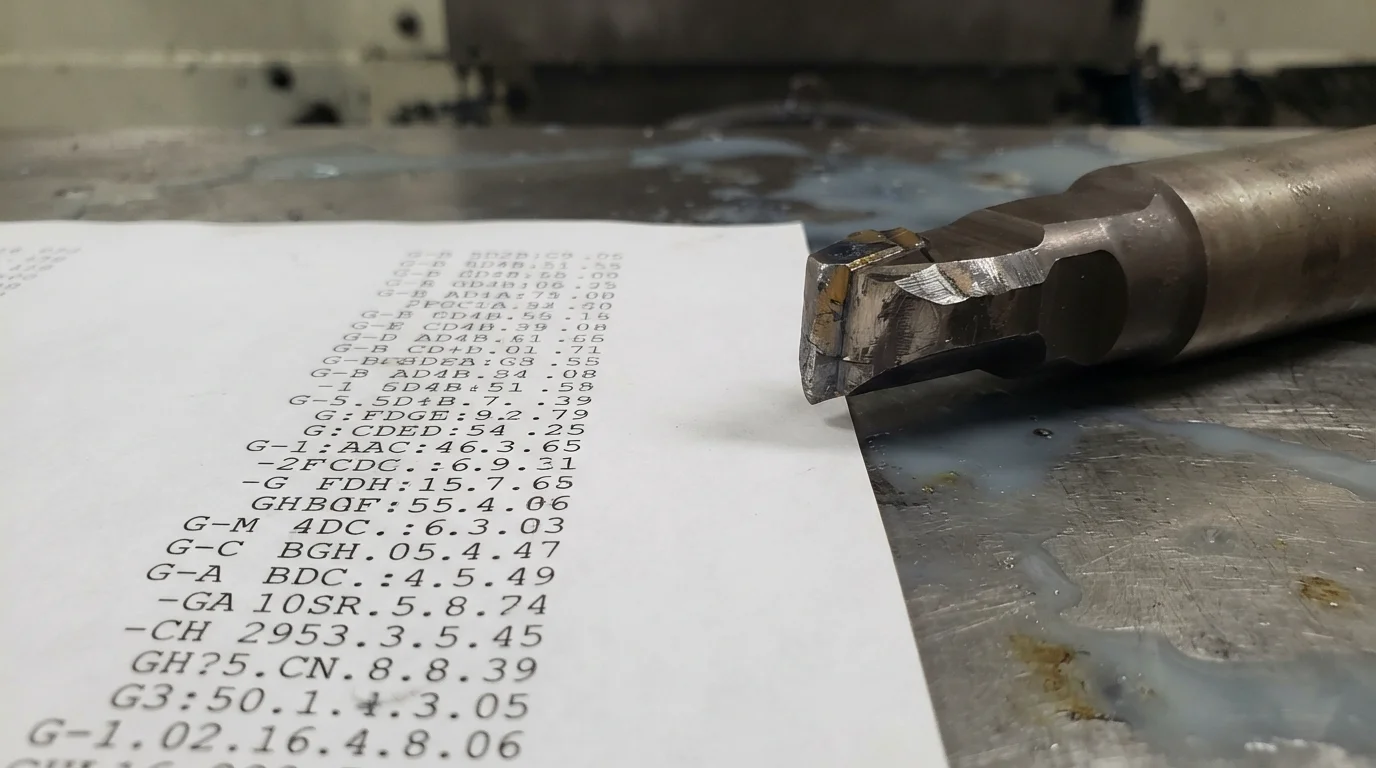
Investigating the machinability of p20 steel vs aluminum uncovers massive performance deltas in spindle speeds, tool wear rates, and surface finishes straight off the mill. Exploring these milling dynamics helps rapid tooling facilities optimize toolpath strategies and deliver finished bridge molds ahead of tight deadlines.
Table of Contents
1. Why Aluminum Machines 3x to 5x Faster Than P20 Steel
2. Tool Wear and Cutting Edge Degradation in Hardened Materials
Why Aluminum Machines 3x to 5x Faster Than P20 Steel
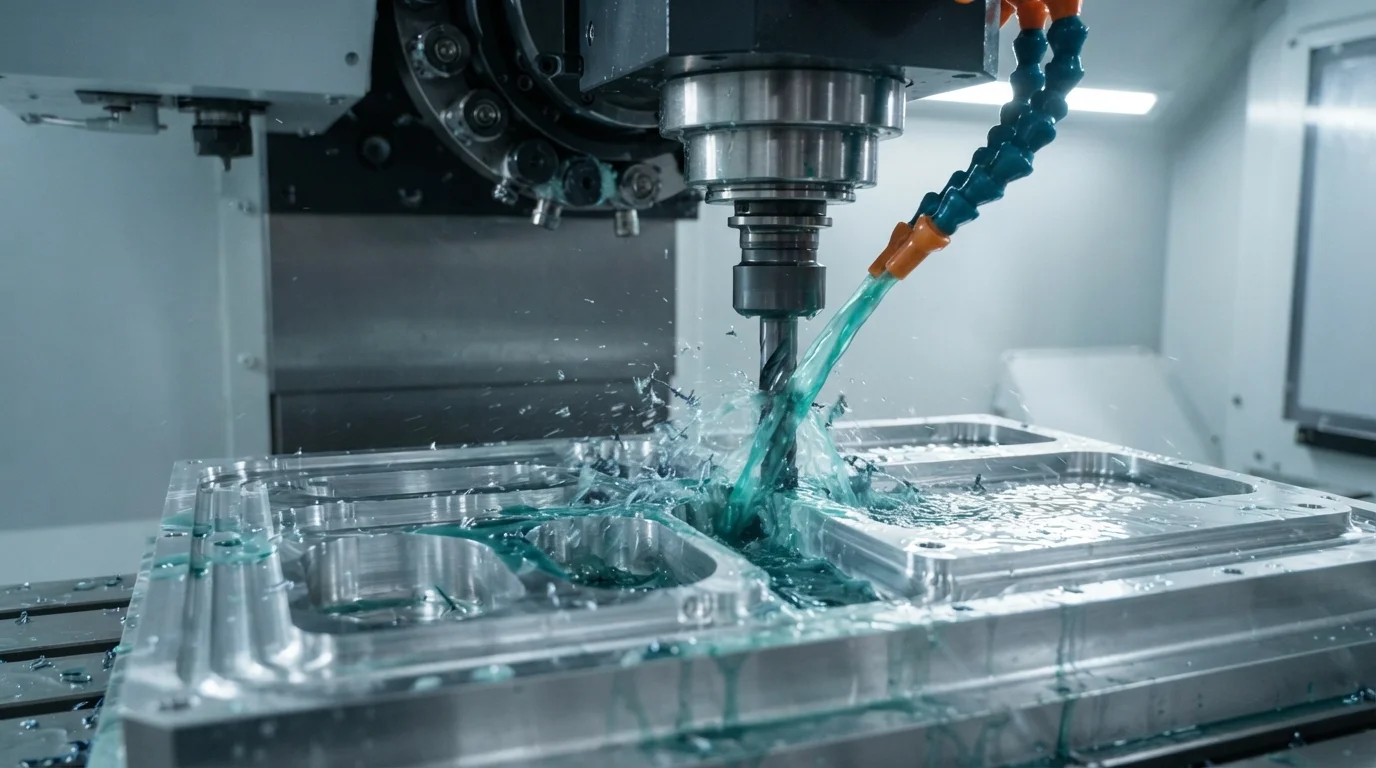
Question: What structural properties allow aerospace aluminum plates to be milled at such extreme spindle speeds compared to pre-hardened steel? Aluminum’s lower density and softer matrix generate significantly lower cutting resistance, permitting high feed rates and deep axial engagement passes.
High-speed machining centers processing AL7075-T6 aluminum can execute aggressive roughing passes that peel away metal chips rapidly without inducing excessive thermal stress on carbide endmills. Conversely, milling pre-hardened P20 steel requires conservative step-downs, slower spindle revolutions, and careful chip evacuation to protect cutting edges. Sourcing a dedicated CNC Machining Service equipped with multi-axis workstations maximizes efficiency across both metal types.
Contrasting milling efficiencies across rapid tooling alloys involves monitoring specific shop-floor metrics:
| Machining Parameter | AL7075-T6 Aluminum Milling | Pre-Hardened P20 Steel Milling |
|---|---|---|
| Spindle Speed & Feed Rates | Extremely high RPM and rapid linear travel | Moderate RPM with controlled feed reduction |
| Material Removal Rate (MRR) | Up to 5x faster pocket clearing times | Slower incremental layer clearing passes |
| Carbide Cutter Longevity | Extended tool life due to minimal frictional heat | Faster thermal wear requiring scheduled replacements |
Tool Wear and Cutting Edge Degradation in Hardened Materials
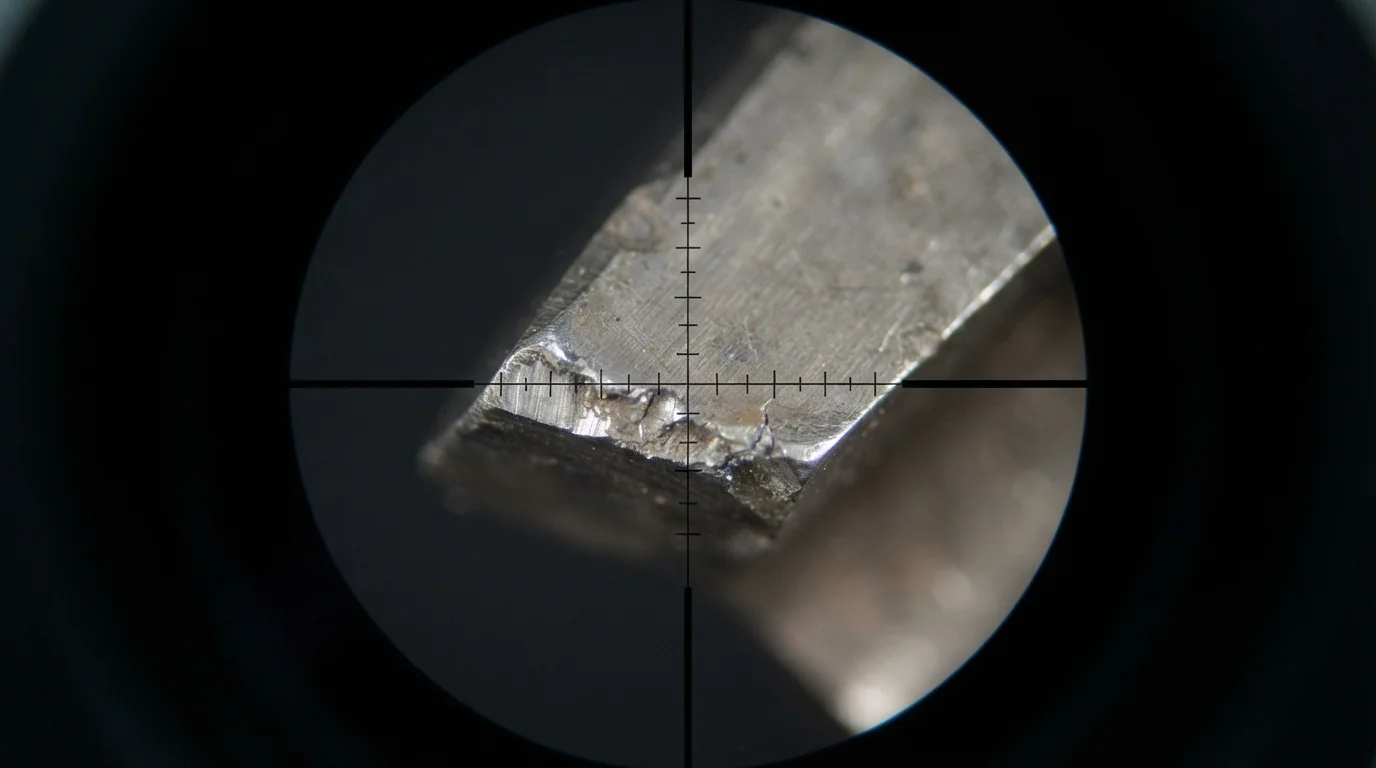
Question: How does the abrasive hardness of P20 steel affect cutting tool expenditures during extended pocket-milling operations? The dense martensitic structure of pre-hardened steel creates high localized friction, accelerating flank wear and micro-chipping on standard carbide endmills.
Toolroom machinists programming P20 steel blocks must utilize specialized TiAlN-coated carbide tooling and maintain strict coolant pressure to dissipate frictional heat. Ignoring these precautions leads to sudden cutter failure, which can ruin a mold cavity mid-machining. Utilizing an experienced Rapid Tooling Service ensures cutting parameters are optimized for each specific alloy.
Controlling tool wear and ensuring predictable machining workflows involves monitoring key operational rules:
- Selecting coated endmills—Deploying high-performance multi-flute carbide cutters engineered for alloy steels
- Optimizing step-over ratios—Limiting radial engagement prevents excessive tool deflection during deep steel pocketing
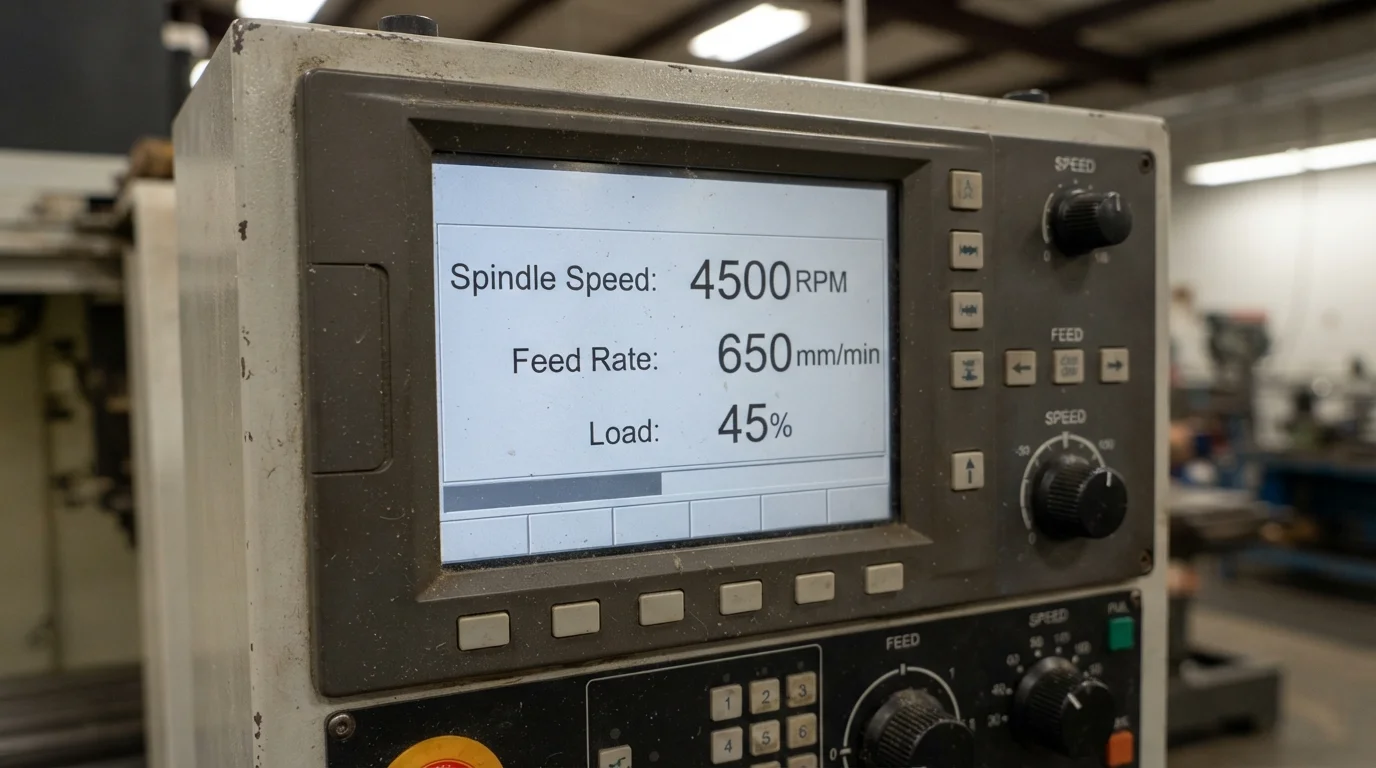
- Monitoring spindle load metrics—Tracking real-time machine feedback to detect dull cutting edges early
Surface Finish Straight Off the CNC Machine Bed
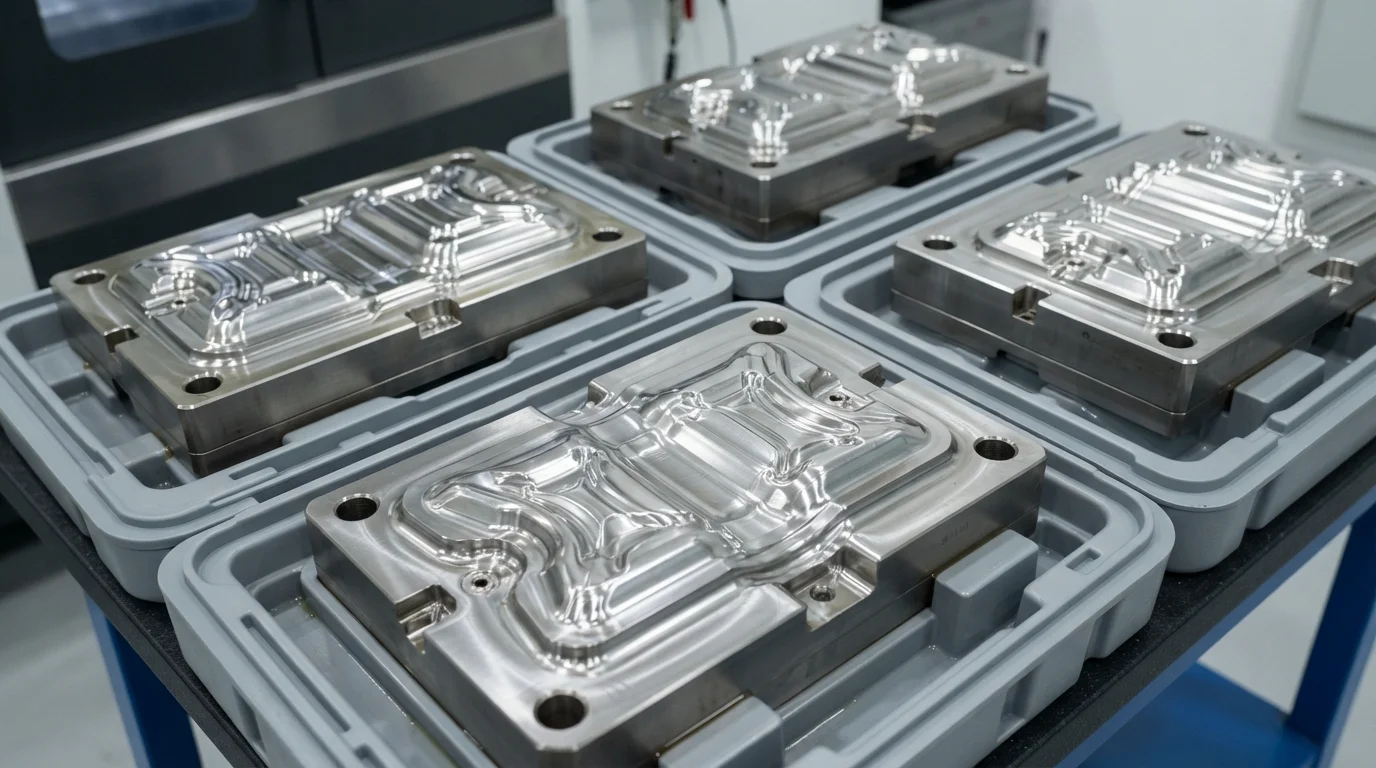
Achieving smooth cosmetic surfaces straight off the CNC machine bed reduces subsequent manual polishing labor. Aluminum alloys excel at retaining clean micro-finishes during high-speed finishing passes, whereas P20 steel often requires secondary benching to eliminate minor cutter marks. Leveraging Jucheng Precision’s expansive workshop floor housing 150+ advanced CNC centers and 35+ specialized injection molding presses under strict ISO 9001 governance, our machining teams ensure rapid mold fabrication runs at peak efficiency. Explore how our high-speed milling capabilities accelerate your bridge tooling timelines today.
Frequently Asked Questions (FAQ)
Why is aluminum significantly faster to machine than P20 steel?
Aluminum’s lower density and softer matrix generate far less cutting resistance, allowing high spindle speeds, aggressive feed rates, and deep material removal passes.
How does tool wear differ when milling P20 steel compared to aluminum?
P20 steel’s dense, hard structure creates high frictional heat and flank wear, requiring specialized coated carbide endmills and conservative feed rates, whereas aluminum causes minimal thermal cutter wear.
How does Jucheng Precision handle high-speed rapid mold milling?
Jucheng Precision operates 150+ advanced CNC machining centers and 35+ injection presses under ISO 9001 quality controls, ensuring fast, highly accurate mold cutting for both aluminum and P20 steel.

