


Evaluating powder metallurgy technologies for lightweight structural components frequently leads engineering groups to consider thermal debinding and sintering pathways for soft light alloys. Sourcing high-density aluminum parts through powder-based injection, however, introduces severe thermodynamic obstacles that prevent widespread industrial adoption. Understanding the physical reality of metal injection molding aluminum helps mechatronics designers avoid developmental dead-ends and select viable manufacturing alternatives. Surface oxide formations and narrow temperature margins complicate powder sintering, making subtractive billet milling or high-pressure die casting far more reliable choices for commercial launches.
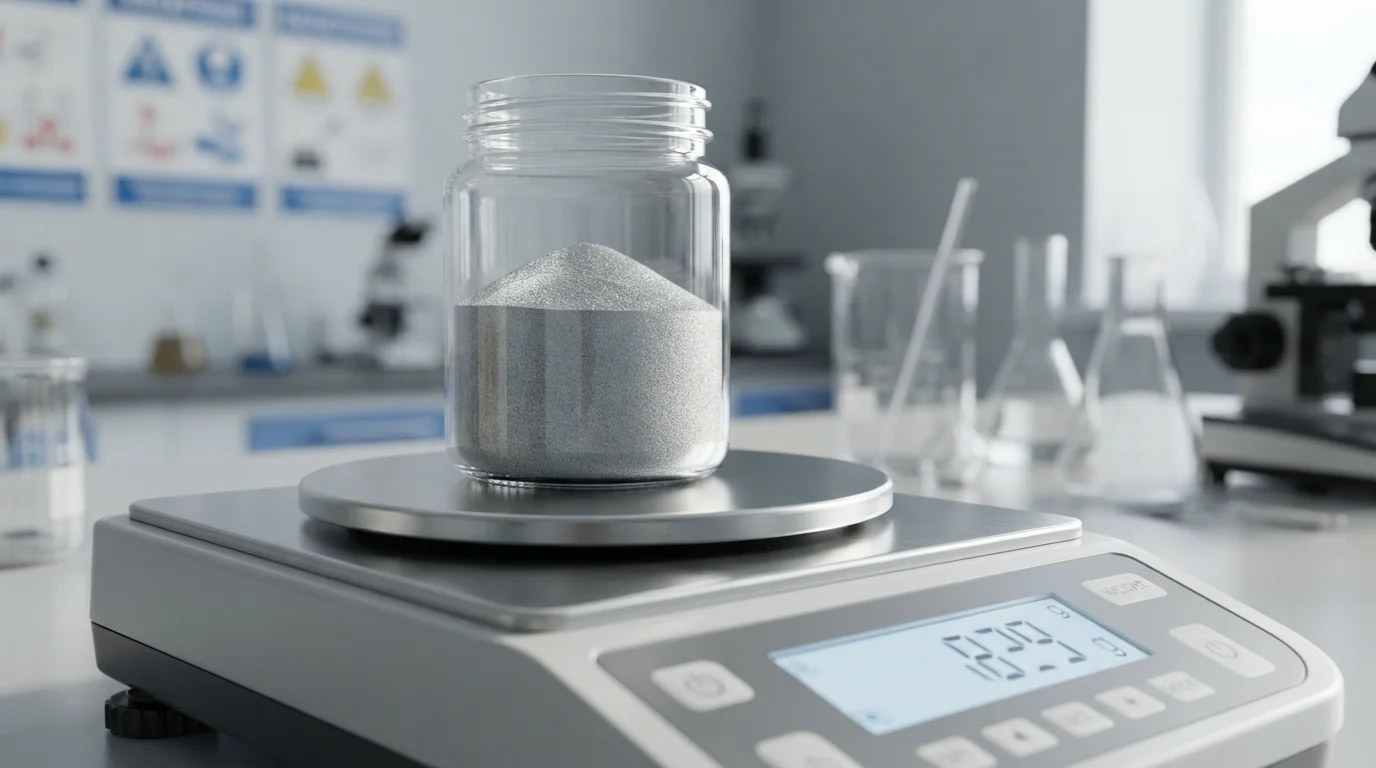
Table of Contents
1. Metallurgical Obstacles of Oxide Barriers and Narrow Sintering Windows
2. Die Casting Solutions for High Volume Aluminum Production
3. Five Axis CNC Billet Milling for Prototypes and Low Volume Runs
Metallurgical Obstacles of Oxide Barriers and Narrow Sintering Windows
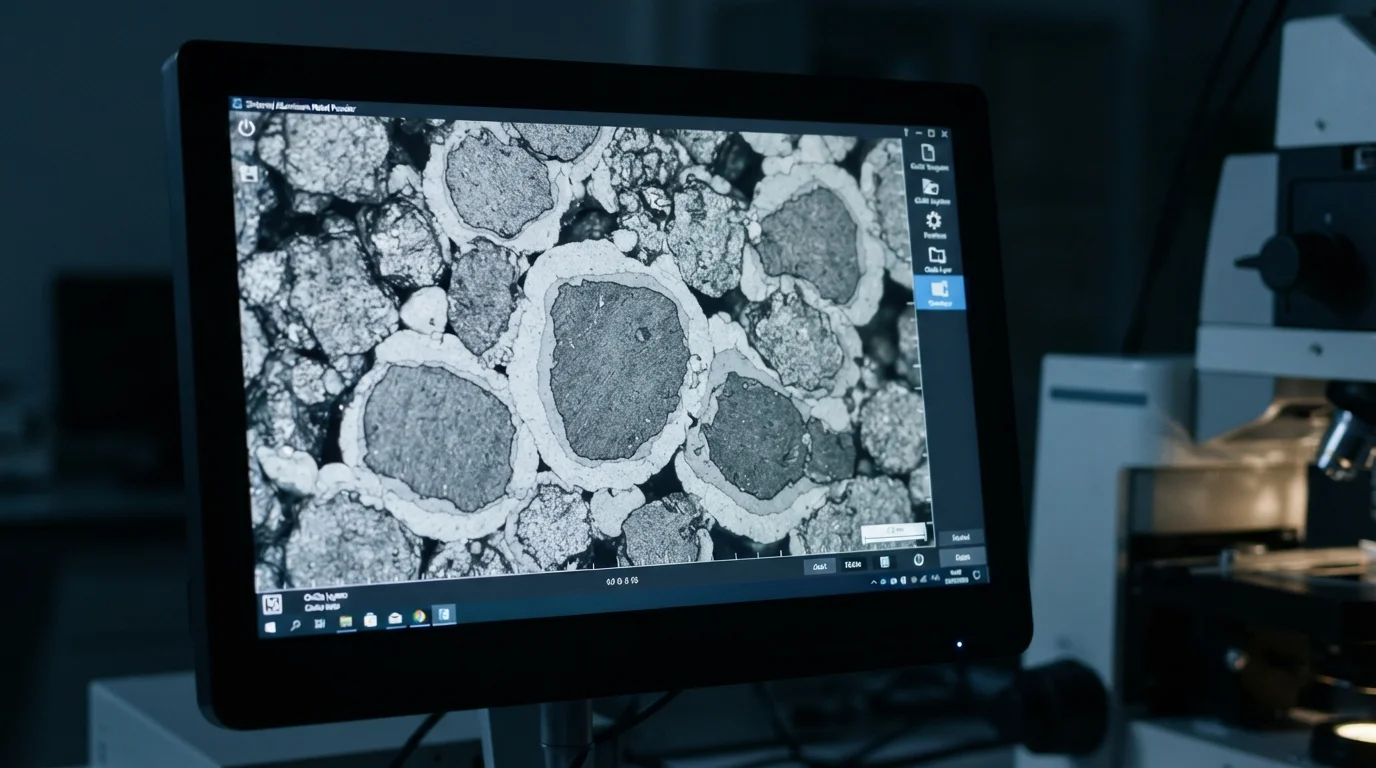
Question: Why is aluminum difficult to process via metal injection molding? Fine aluminum powder particles develop a tough alumina oxide skin (Al₂O₃) instantly, which prevents metallic diffusion bonding at temperatures below aluminum’s melting point.
Processing stainless steel or titanium powders via an automated Injection Molding Service platform is widely established, yet aluminum powder chemistry presents unique metallurgical barriers. Atomized Aluminum powder particles react with atmospheric oxygen instantly, forming an extremely stable alumina surface film that requires temperatures over 1000°C to break down. Pure aluminum melts at 660°C, creating an impossible thermodynamic conflict where the powder melts completely before the surface oxide skin decomposes. Sourcing experimental powder processes often results in porous, structurally weak parts with poor dynamic fatigue strength.
Thermal binder removal introduces additional processing complications because organic binder degradation ranges overlap with aluminum’s narrow sintering window. Carbon residues remain trapped inside the metallic matrix if binder burnout temperatures exceed polymer limits, inducing localized brittleness. Slicing complex CAD files precisely allows experienced toolmakers to evaluate alternative fabrication pathways that deliver isotropic density cleanly. Sourcing proven manufacturing methods protects developmental budgets from high experimental setup fees.
Die Casting Solutions for High Volume Aluminum Production
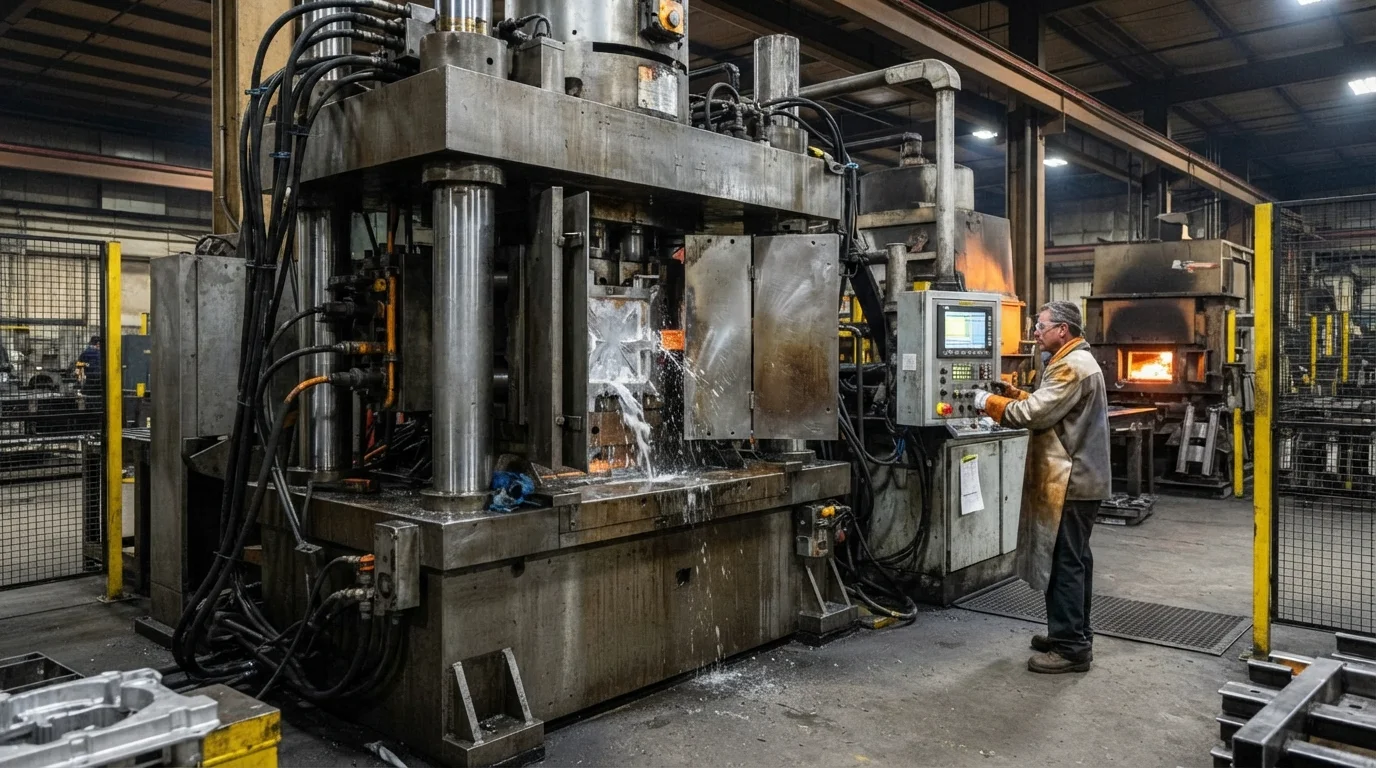
Question: What is the best high-volume alternative to aluminum MIM? High-pressure die casting forces liquid aluminum directly into hardened steel molds, producing complex thin-walled parts rapidly.
High-volume production requiring tens of thousands of complex metal parts relies on a dedicated Die Casting Service rather than experimental powder molding. Cold-chamber die casting forces molten aluminum into Tool Steel cavities under high hydraulic pressures, filling thin wall sections rapidly. Liquid metal solidification occurs within seconds, allowing high-capacity presses to cycle continuously with high repeatability. Sourcing hard steel die-casting tooling guarantees exceptional dimensional stability across high-volume production series.
Selecting appropriate metal-forming processes involves balancing target production volumes with initial tooling CapEx limits. This technical comparison table outlines baseline performance differences between experimental powder injection, high-pressure die casting, and multi-axis billet milling:
| Manufacturing Process | Initial Tooling CapEx | Internal Part Density | Best Cost-Saving Volume |
|---|---|---|---|
| Metal Injection Molding (Al-MIM) | High (Custom steel dies) | 90% to 95% (Trapped porosity) | Academic / Specialized experimental |
| High-Pressure Die Casting | Extreme ($20,000 – $80,000+) | 95% to 98% (Dense shell) | Over 10,000 units (high volume) |
| 5-Axis CNC Billet Milling | Zero tooling CapEx | 100% (Solid isotropic billet) | 1 to 10,000 units (NPI & bridge runs) |
Five Axis CNC Billet Milling for Prototypes and Low Volume Runs
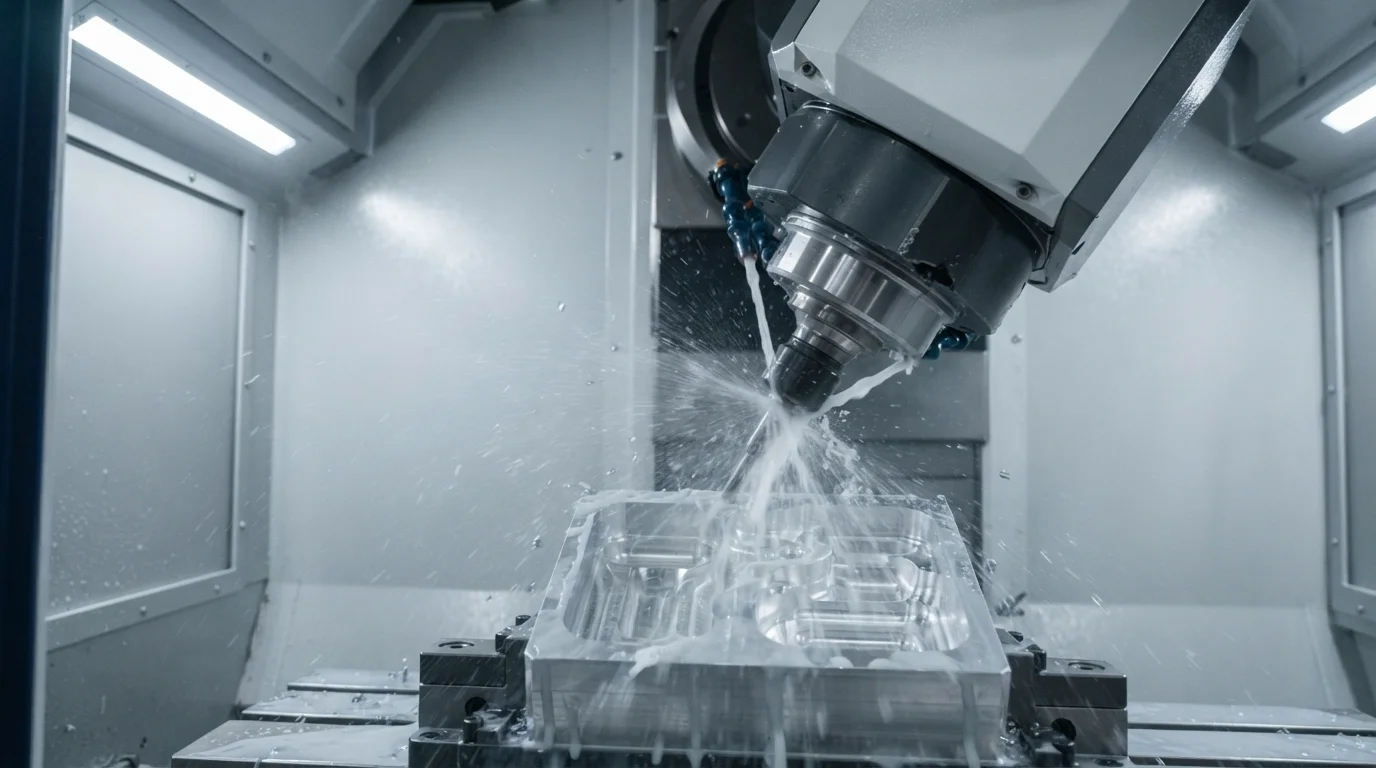
Question: Why is 5-axis CNC machining the premier choice for low-volume aluminum parts? Billet milling eliminates mold fees entirely, delivers 100% isotropic material density, and holds micro-tolerances down to ±0.01 mm.
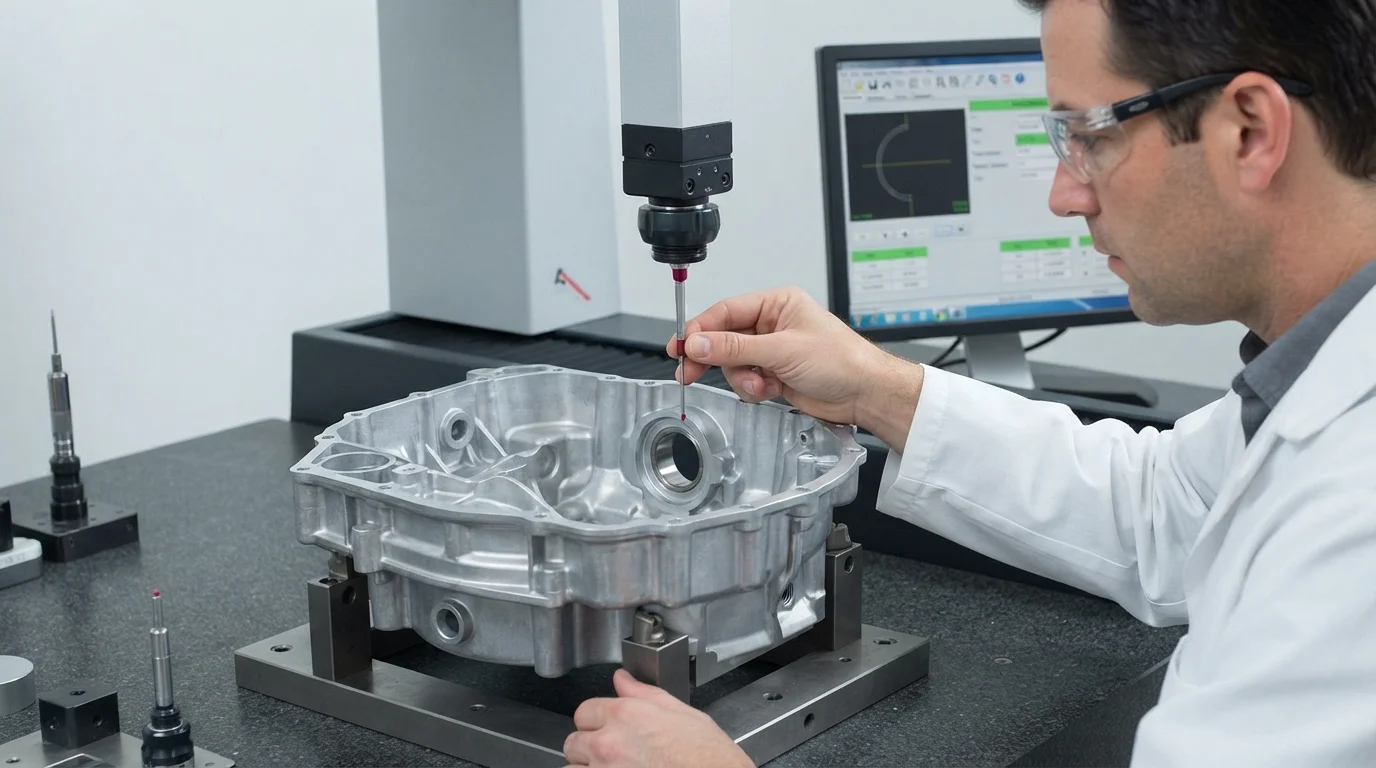
Sourcing multi-axis subtractive milling represents the most practical pathway when evaluating metal injection molding aluminum alternatives for prototypes or short-run production. Solid billet machining on an advanced CNC Machining Service platform preserves the authentic metallurgical grain structures of wrought AL6061-T6 or AL7075-T6 stock. High-speed spindles carve complex geometries directly from solid metal blocks, bypassing mold fabrication lead times completely. Evaluating metal injection molding aluminum options highlights why direct CNC milling remains the industry standard for high-strength, low-volume components.
Jucheng Precision supports mechatronics startups by delivering highly optimized, cost-saving fabrication options that protect development budgets from unnecessary expenses. Sourcing our expert 24-hour free DFM reviews helps product groups optimize gate placements, parting lines, and draft profiles before cutting metal. Sourcing a dedicated 3D Printing Service using AlSi10Mg metal powder or direct CNC milling ensures you receive completely honest, practical advice for your specific hardware program. Sourcing customized aluminum tooling setups provides superior thermal equilibrium across thin and thick features.
Frequently Asked Questions (FAQ)
Can aluminum powder be injection molded commercially?
While specialized research labs process aluminum powders under controlled low-oxygen atmospheres, aluminum MIM remains industrially uncompetitive compared to high-speed CNC milling and die casting.
What is the primary difference between MIM and die casting?
High-pressure die casting forces molten aluminum into hardened steel mold cavities, producing dense parts at high production speeds. Metal injection molding blends metal powder with plastic binders, requiring lengthy debinding and sintering cycles inside specialized vacuum furnaces.
Is metal 3D printing a good alternative to aluminum MIM?
Direct Metal Laser Sintering (DMLS) metal 3D printing handles low volumes of complex aluminum parts without tooling CapEx. High-volume runs over 10,000 units are far more economical when processed via automated high-pressure die casting.

