


Automotive structural components must withstand extreme thermal fluctuations and severe vibrational loads during high-speed road testing. Engineering teams evaluate body stiffness, crash safety, and fatigue limits using physical mockups before executing expensive production stamping. Utilizing high-performance metals and real engineering plastics ensures prototype assemblies perform exactly like die-cast or molded parts. This detailed technical evaluation reviews CNC machining, rapid injection molding, and certified quality systems required for vehicle validation.

Table of Contents
1. Concept Validation to Functional Road Testing
2. CNC Machining Billet Aluminum for Structural Components
3. Rapid Tooling Injection Molding for Auto Interiors
Concept Validation to Functional Road Testing
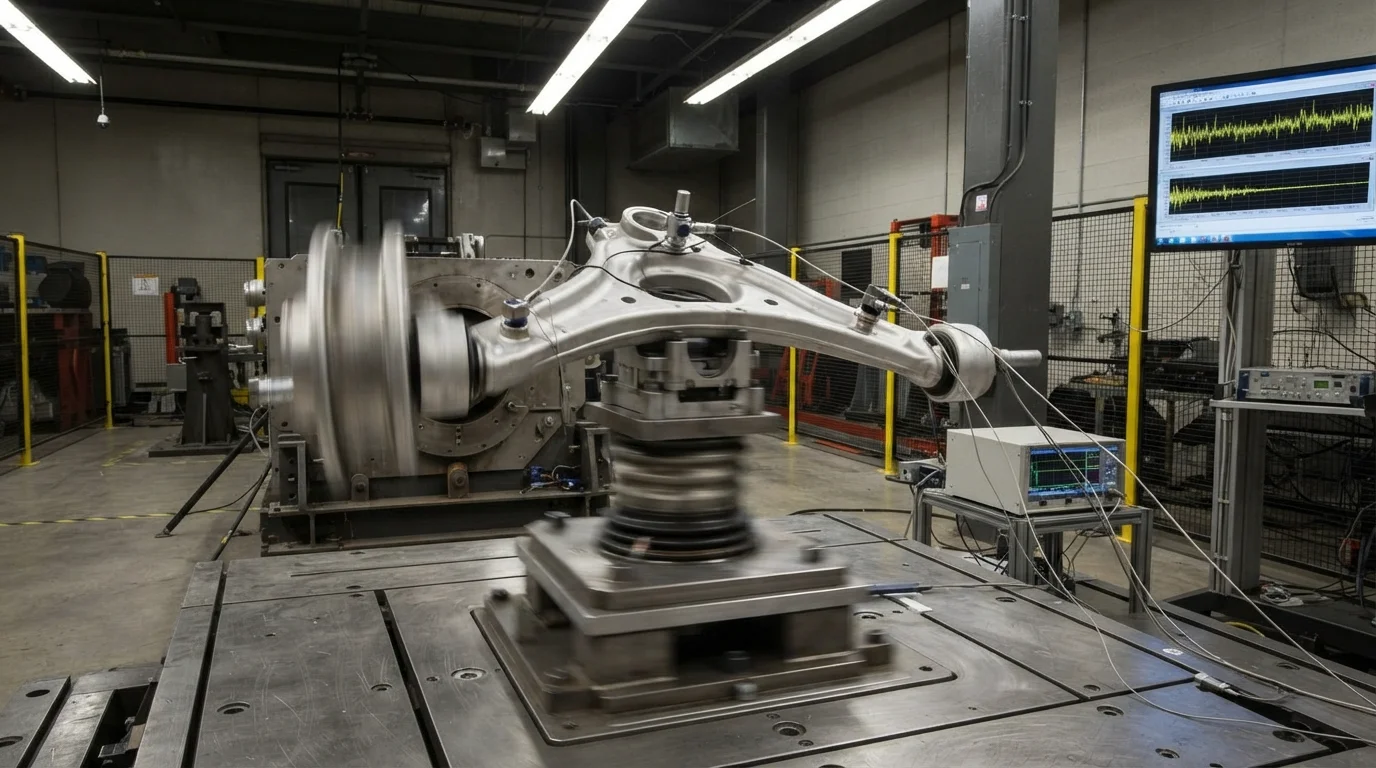
Question: Can prototype vehicle parts withstand real road testing? Real engineering materials fabricated through precise machining support extreme mechanical vibration and high-speed evaluation.
Design iterations in vehicle engineering progress rapidly from conceptual mockups to highly stressed functional components. Engineers use rapid prototyping automotive methodologies to evaluate aerodynamic coefficients in wind tunnels and ensure physical clearance in engine bays. Early phase models allow designers to refine surface aesthetics, while later stage prototypes must survive rigorous proving ground validation. Selecting production-representative processes prevents structural failures during track testing.
Aerodynamic validation using high-fidelity scale models provides critical drag and lift coefficient data before full-size vehicle testing. Prototype panels must snap together with identical gaps and flushness expected in consumer vehicles. Implementing functional prototypes eliminates dimensional interferences that could delay vehicle commercialization schedules.
CNC Machining Billet Aluminum for Structural Components
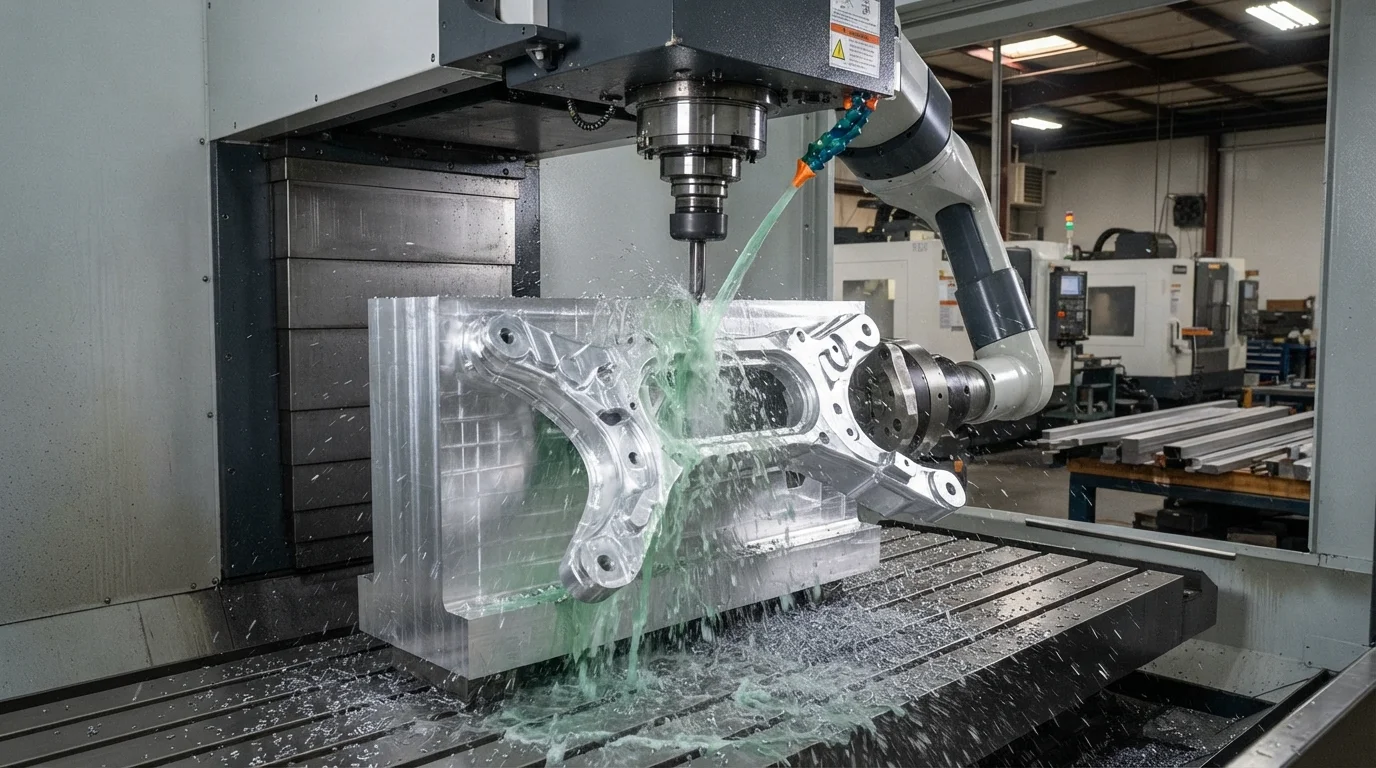
Question: Why use billet aluminum instead of casting for auto prototypes? Machining from solid billets replicates the grain structure and mechanical strength of high-pressure die castings.
Suspension knuckles, engine mounts, and transmission casings must endure high mechanical fatigue. CNC machining from solid billet blocks of Al6061-T6 or Al7075-T6 provides the structural integrity required for these critical components. Machined parts achieve sub-micron dimensional accuracy, maintaining critical hole alignments for ball joints and bearings. Surface roughness is carefully controlled through bead blasting to eliminate stress concentration zones.
Implementing multi-axis CNC milling centers streamlines rapid prototyping automotive workflows by eliminating expensive setup times. High-speed spindles cut complex 3D profiles efficiently, allowing rapid iteration of light alloy parts. Machined structural assemblies undergo precise inspection to ensure they fit correctly within chassis subframes.
Structural chassis plates are often milled from high-yield alloys to prevent buckling under intense aerodynamic downforce. Physical tests demand components that resist twisting forces under hard acceleration. This technical table compares common lightweight metals utilized during vehicle structural prototyping:
| Alloy Grade | Yield Strength | Fatigue Limit | Automotive Component Application |
|---|---|---|---|
| Al6061-T6 | 276 MPa | 96 MPa | Suspension brackets, electronics heat sinks |
| Al7075-T6 | 503 MPa | 159 MPa | Steering knuckles, highly stressed chassis mounts |
| AZ91D Magnesium | 150 MPa | 97 MPa | Lightweight powertrain gearbox housings |
Rapid Tooling Injection Molding for Auto Interiors
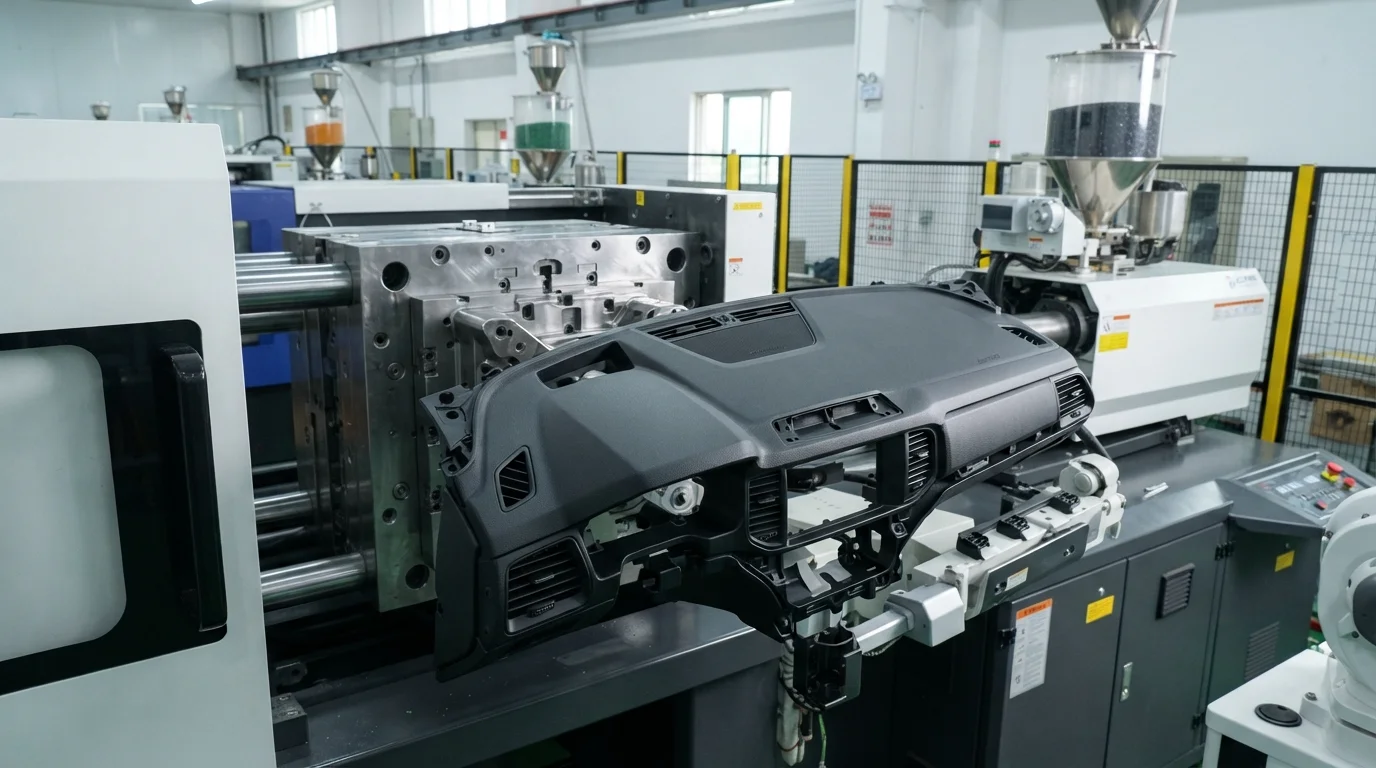
Question: How are functional plastic auto parts prototyped economically? Aluminum rapid tooling produces parts from actual production-grade resins at a fraction of standard steel mold costs.
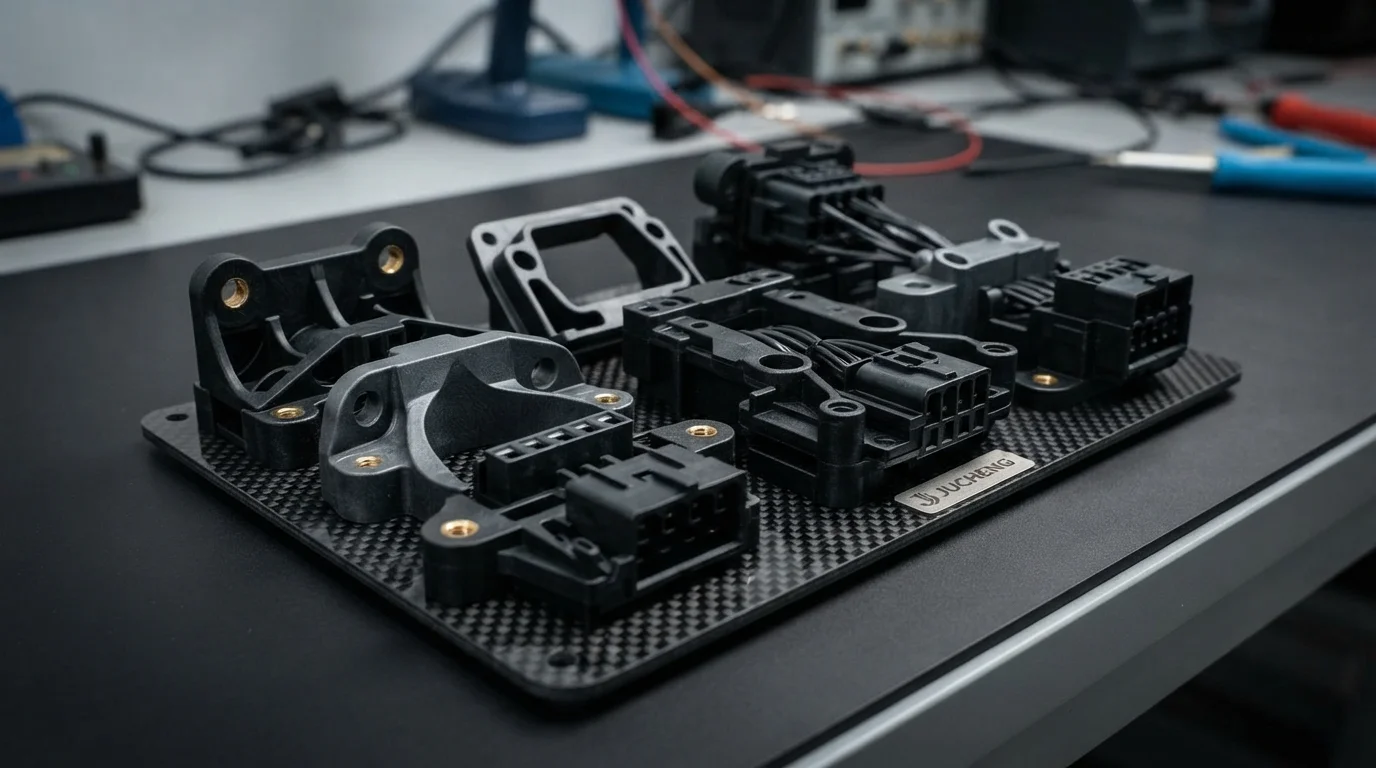
Instrument panels, glovebox doors, and air vents require the exact look, feel, and mechanical behavior of production components. Vacuum casting or 3D printing often fails to replicate the texture or impact performance of modified polypropylene or ABS. Rapid injection molding using aluminum molds offers a high-fidelity solution for low-volume production runs. Tooling engineers run these molds on high-clamping-force presses to ensure zero flash along critical parting lines.
Various rapid prototyping applications in automotive interiors rely on this bridge-tooling method to validate assembly snap-fits. Molded parts feature molded-in textures that match master styling specifications. This validation step occurs before committing millions of dollars to hard steel production tooling.
Integrating electronic components within plastic bezel assemblies requires precise molded-in boss clearances to prevent cracking. Fasteners must thread into structural bosses without stripping the polymer matrix. Utilizing genuine injection resins allows engineering groups to perform destructive drop-testing and dynamic airbag deployment validations safely.
IATF 16949 Certified Automotive Manufacturing at Jucheng
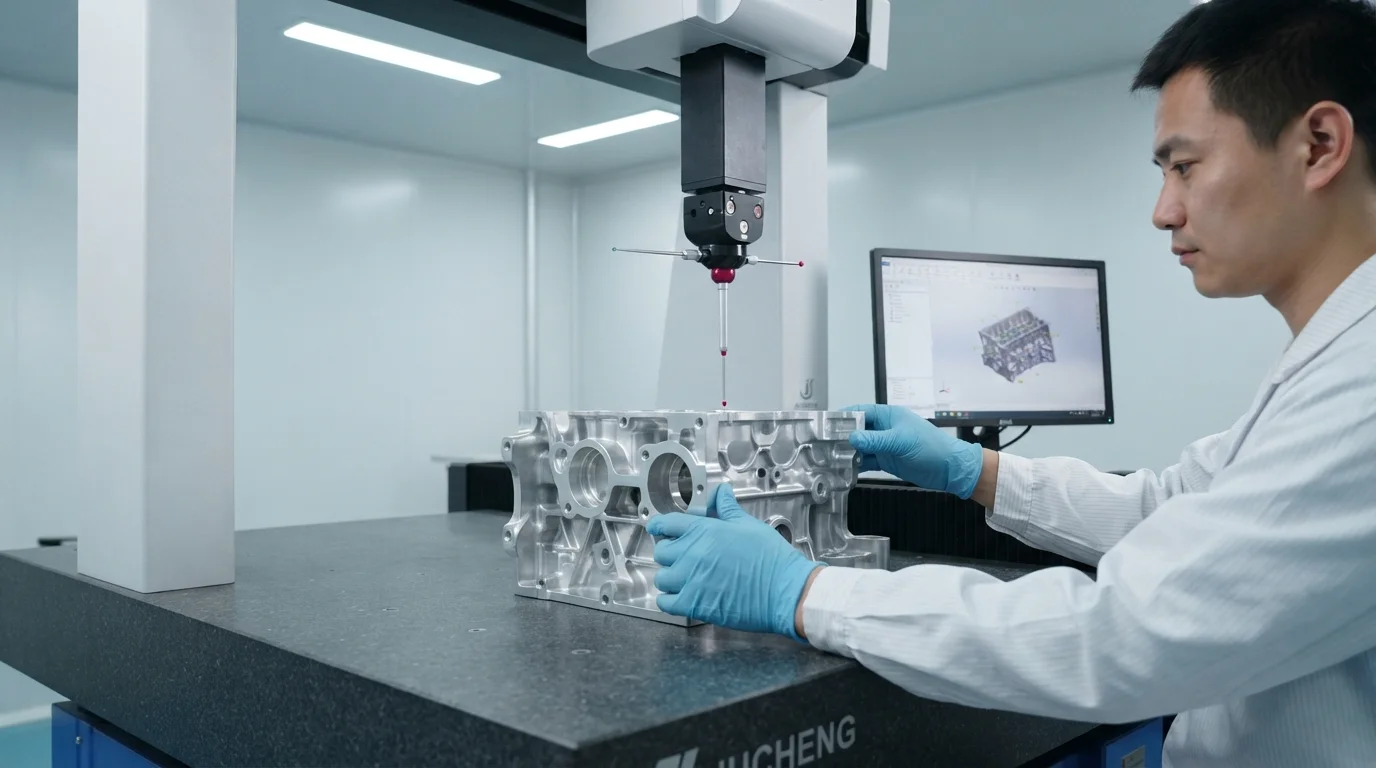
Question: Why is IATF 16949 certification critical for automotive prototyping? Strict compliance ensures that prototype parts meet identical quality control standards as series production.
Automotive tier-1 suppliers demand rigorous documentation and quality control systems from their manufacturing partners. Jucheng Precision operates under certified IATF 16949 standards to guarantee consistent manufacturing quality across all automotive programs. Factory teams enforce thorough 24-hour free DFM analysis, ensuring component geometry is fully optimized before machining starts. High-precision coordinate measuring machines verify complex freeform surface profiles against digital CAD data.
Pragmatic experience in rapid prototyping automotive parts guarantees that functional assemblies survive severe environmental stress tests. Quality control documentation includes material certifications and dimensional reports to support automotive PPAP standards. Engineers receive fully validated, production-grade components ready for immediate assembly.
Bridge to production programs allow car makers to launch specialized vehicle trims without investing in high-volume tooling upfront. Eliminating high tooling financial risks allows engineering groups to experiment with bold designs. Partnering with a certified, precision manufacture guarantees total mechanical compliance during every development cycle.
Frequently Asked Questions (FAQ)
How fast can Jucheng Precision deliver a structural suspension bracket prototype?
Standard CNC milled aluminum suspension brackets are typically shipped within 4 to 15 days depending on complexity. Early engineering DFM feedback is provided within 24 hours to accelerate development schedules.
What plastics are best suited for automotive heat and vibration testing?
Engineers specify glass-fiber reinforced polyamides (PA6-GF30) or polybutylene terephthalate (PBT) for under-hood thermal and mechanical environments. These materials maintain structural stiffness under cyclic vibration and high engine bay temperatures.
Can rapid tooling molds handle modified glass-filled resins?
Aluminum rapid molds utilizing QC-10 or highly wear-resistant alloys handle glass-filled resins efficiently for medium runs of 100 to 10,000 parts. Tooling components are designed with robust gate locations to minimize fiber shearing during injection.

