
Aluminum is a lightweight, durable, and corrosion-resistant metal widely used in industries such as aerospace, automotive, and construction. However, welding aluminum presents unique challenges due to its high thermal conductivity, low melting point, and susceptibility to oxidation. Unlike steel, aluminum requires specialized techniques to achieve strong, clean welds. Whether you're using TIG welding, experimenting with JB Weld for aluminum repairs, or exploring other methods, understanding the fundamentals is crucial for success.
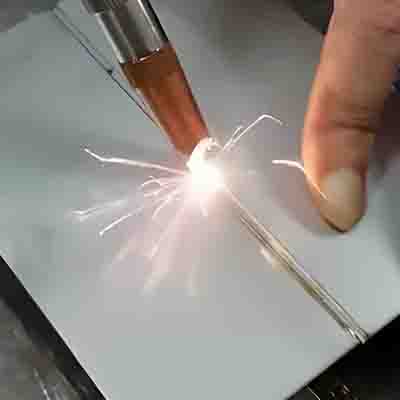
Understanding Aluminum and Its Welding Challenges
Aluminum differs from other metals in several key ways. Its oxide layer melts at a much higher temperature than the base metal, which can lead to impurities in the weld if not properly removed. Additionally, aluminum dissipates heat quickly, making it prone to warping if excessive heat is applied. To overcome these challenges, proper preparation, the right equipment, and precise technique are essential.
How to Weld Aluminum with TIG Welding
TIG (Tungsten Inert Gas) welding is one of the most effective methods for welding aluminum. It offers superior control over heat input and produces clean, high-quality welds. To weld aluminum TIG, follow these steps:
Aluminum differs from other metals in several key ways. Its oxide layer melts at a much higher temperature than the base metal, which can lead to impurities in the weld if not properly removed. Additionally, aluminum dissipates heat quickly, making it prone to warping if excessive heat is applied. To overcome these challenges, proper preparation, the right equipment, and precise technique are essential.
How to Weld Aluminum with TIG Welding
TIG (Tungsten Inert Gas) welding is one of the most effective methods for welding aluminum. It offers superior control over heat input and produces clean, high-quality welds. To weld aluminum TIG, follow these steps:
- Clean the Aluminum – Remove any oxidation or contaminants using a stainless steel brush or chemical cleaner.
- Use AC Current – Aluminum TIG welding requires alternating current (AC) to break through the oxide layer.
- Select the Right Filler Rod – Common choices include 4043 or 5356 alloys, depending on the application.
- Maintain Proper Gas Coverage – Argon is the preferred shielding gas for aluminum TIG welding.
- Control Heat Input – Aluminum warps easily, so use a foot pedal or pulse settings to regulate temperature.
TIG welding aluminum demands practice, but the results are worth the effort, offering precision and strength for critical applications.

Can You Use JB Weld on Aluminum?
JB Weld is a popular epoxy adhesive often used for bonding and repairing metal surfaces. While it’s not a true welding method, JB Weld aluminum applications can be useful for minor fixes where traditional welding isn’t feasible. Here’s how to use it effectively:
JB Weld is a popular epoxy adhesive often used for bonding and repairing metal surfaces. While it’s not a true welding method, JB Weld aluminum applications can be useful for minor fixes where traditional welding isn’t feasible. Here’s how to use it effectively:
- Surface Preparation – Clean the aluminum thoroughly with acetone or a degreaser to ensure proper adhesion.
- Mixing the Epoxy – Follow the manufacturer’s instructions to blend the two-part epoxy correctly.
- Application – Apply a thin, even layer and clamp the pieces together for maximum bond strength.
- Curing Time – Allow 24 hours for full curing before subjecting the repair to stress.
While JB Weld won’t replace welding for structural repairs, it’s a handy solution for non-load-bearing applications.

General Tips for How to Weld Aluminum Successfully
Whether using TIG, MIG, or another method, these best practices will improve your aluminum welding results:
Whether using TIG, MIG, or another method, these best practices will improve your aluminum welding results:
- Preheat When Necessary – For thicker aluminum pieces, preheating (below 250°F) helps prevent cracking.
- Use a Push Technique – Unlike steel, aluminum benefits from a push rather than a drag motion to avoid contamination.
- Choose the Right Wire or Rod – Match the filler material to the base aluminum alloy for optimal strength.
- Monitor Travel Speed – Moving too slowly can cause excessive heat buildup, while going too fast may lead to incomplete fusion.
Learning how to weld aluminum requires patience and the right techniques, but mastering it opens up numerous fabrication and repair possibilities. TIG welding remains the gold standard for precision, while JB Weld offers a quick fix for minor aluminum repairs. By understanding aluminum’s unique properties and following best practices, you can achieve strong, durable welds every time. Whether you're a hobbyist or a professional, refining your aluminum welding skills will enhance your metalworking capabilities.

Request Your DFM & Quote – Upload Your Drawings
ㆍFill in your requirements and upload your 2D&3D file, we will feedback your project quotation and DFM within 24 hours.ㆍFile types: STEP, STP, IGES, IGS, SLDPRT, 3DM, SAT, X_T, DWG, DXF, STL, PDF, ZIP and more. File size: < 128 MB Part size: < 1500*1500*1500 mm
ㆍPrivacy: We respect your privacy. Here you can find an example of a non-disclosure agreement. By submitting this form, you agree to our terms & conditions and privacy policy.
ㆍPrivacy: We respect your privacy. Here you can find an example of a non-disclosure agreement. By submitting this form, you agree to our terms & conditions and privacy policy.
