


Designing structural components for modern commercial aircraft or unmanned flight systems requires balancing extreme weight reduction with uncompromising mechanical strength. Aerospace engineers face relentless pressure to compress development schedules without sacrificing compliance, yet waiting months for traditional hardened steel production molds often halts critical testing phases. Implementing aerospace rapid tooling solutions allows product teams to bypass long toolroom queues and secure authentic, high-performance polymer parts in days rather than months. Bridging this manufacturing gap protects your project timeline while keeping development budgets firmly under control.
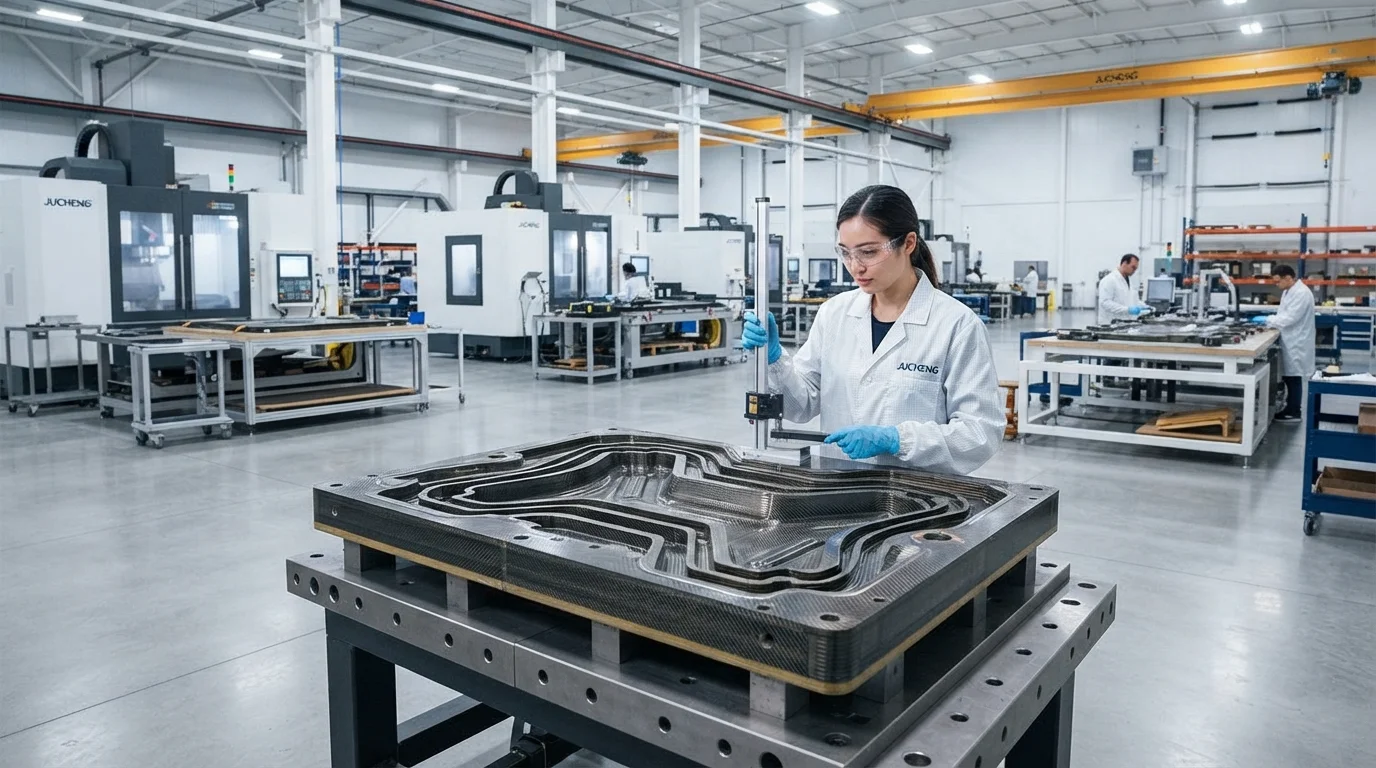
Navigating the complex landscape of Rapid tooling industry applications requires working with manufacturing partners who truly understand aviation tolerances and structural demands. Utilizing resilient aluminum or pre-hardened steel mold inserts enables rapid design iterations while processing genuine engineering-grade resins under actual injection pressures. Let us examine how specialized tooling methods empower aerospace innovators to test lightweight components safely before committing to mass production.
Table of Contents
1. Demands of the Aviation Sector: High-Strength, Low-Weight Components
2. Aluminum and High-Grade Steel Tooling for Specialized Aerospace Plastics
3. Rigorous Quality Control: Zeiss CMM Inspection for Aerospace Parts
Demands of the Aviation Sector: High-Strength, Low-Weight Components
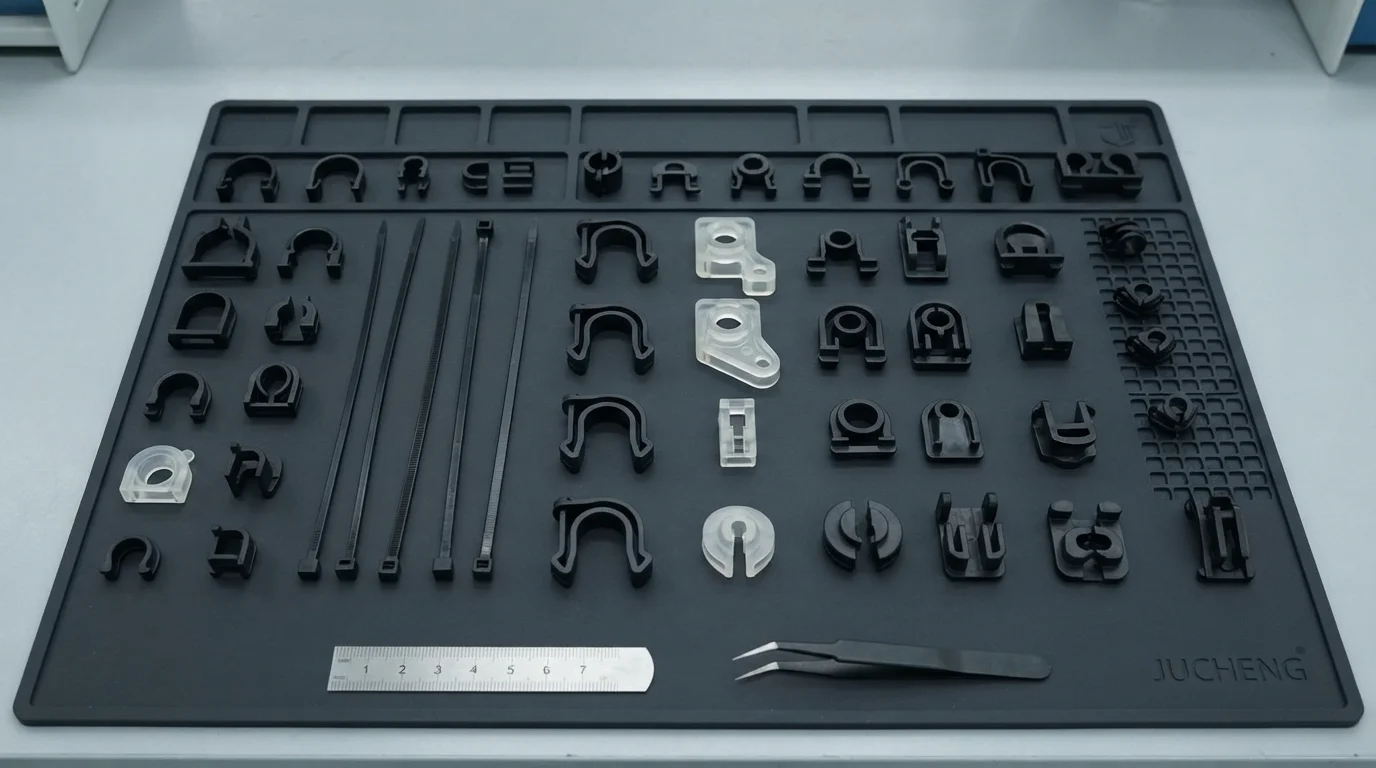
Question: Why are traditional prototyping methods inadequate for testing structural aircraft cabin assemblies? Additive printing processes often lack the isotropic strength and continuous fiber density required to survive severe vibration and thermal cycling.
Aircraft interior panels, air duct connectors, and electronic control housings must endure aggressive G-forces, dramatic cabin pressure shifts, and strict flame-retardant regulations. Relying on superficial mockups during wind tunnel tests or structural integration trials provides false confidence because plastic molecular orientation differs drastically from molded parts. Sourcing a dedicated Rapid Tooling Service allows aerospace developers to evaluate true mechanical load handling long before final certification runs begin. Sourcing complex internal brackets through an experienced CNC Machining Service ensures seamless mechanical fitment.
Evaluating the strict physical hurdles faced by modern aircraft components requires monitoring specific operational benchmarks:
- Vibration and fatigue resistance—Parts must absorb continuous engine resonance without developing micro-cracks
- Thermal stability—Polymers must maintain dimensional rigidity across freezing high-altitude cruising temperatures
- Strict weight thresholds—Every gram saved directly improves fuel efficiency and extends flight range capabilities
Aluminum and High-Grade Steel Tooling for Specialized Aerospace Plastics
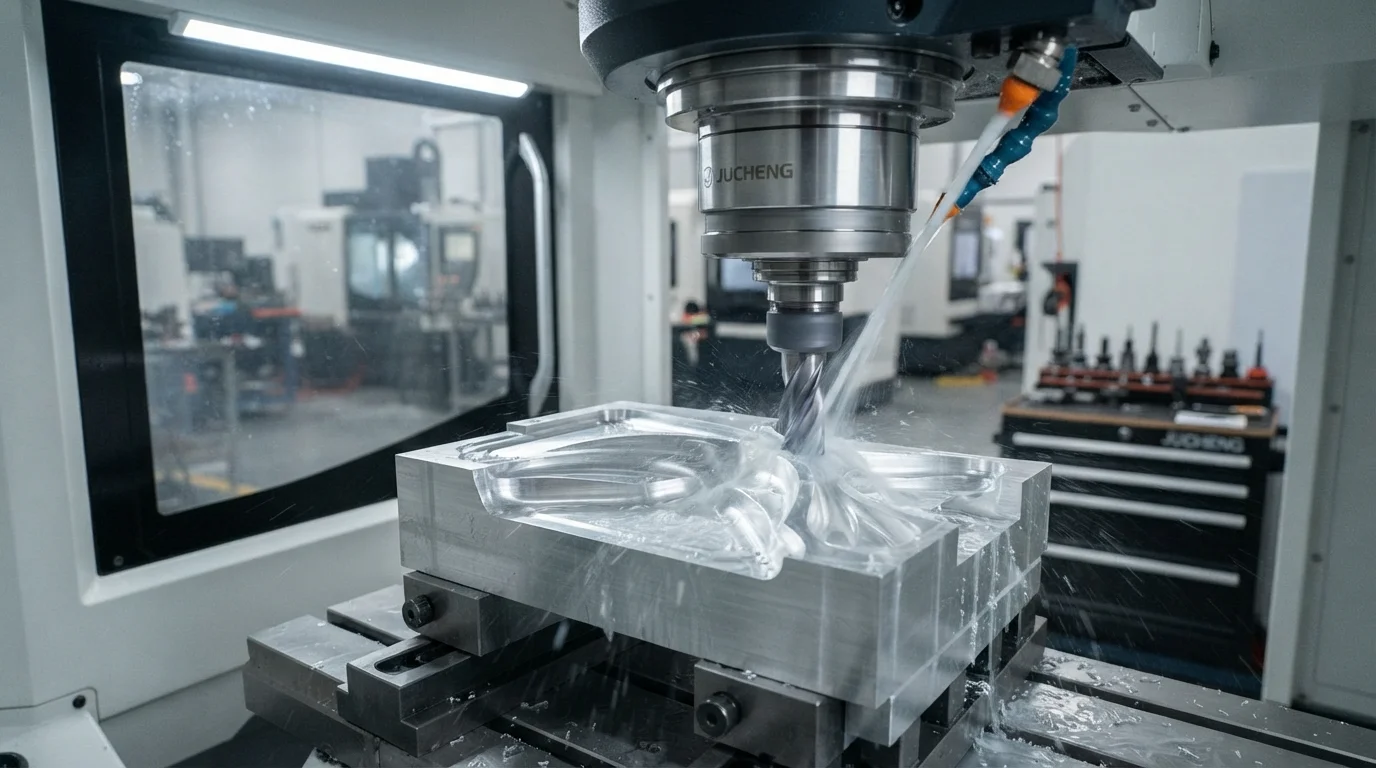
Question: How do soft aluminum molds facilitate the successful molding of high-performance engineering thermoplastics? High-speed milling centers carve precision cavities directly into tempered metal blocks to process flight-grade resins under real pressures.
Achieving authentic material behavior requires injecting genuine aviation-grade polymers into metal cavities rather than relying on brittle prototype substitutes. Utilizing a specialized Injection Molding Service allows engineers to process high-performance materials like impact-modified Polycarbonate (PC), durable ABS, or reinforced Nylon (PA). Sourcing versatile Vacuum Casting models or initial Prototype Service batches helps validate structural clearance before cutting core metal. Reviewing performance metrics across different mold materials outlines clear mechanical advantages:
| Polymer Material | Key Mechanical Property | Typical Aviation Application | Tooling Compatibility |
|---|---|---|---|
| Reinforced Nylon (PA) | High tensile strength & stiffness | Structural mounting clips, brackets | Aluminum & P20 rapid molds |
| Polycarbonate (PC) | Optically clear & impact resistant | Instrument bezels, light lenses | High-speed polished rapid molds |
| Aerospace ABS | Balanced toughness & finish | Cabin interior trim enclosures | Aluminum bridge tooling |
Rigorous Quality Control: Zeiss CMM Inspection for Aerospace Parts
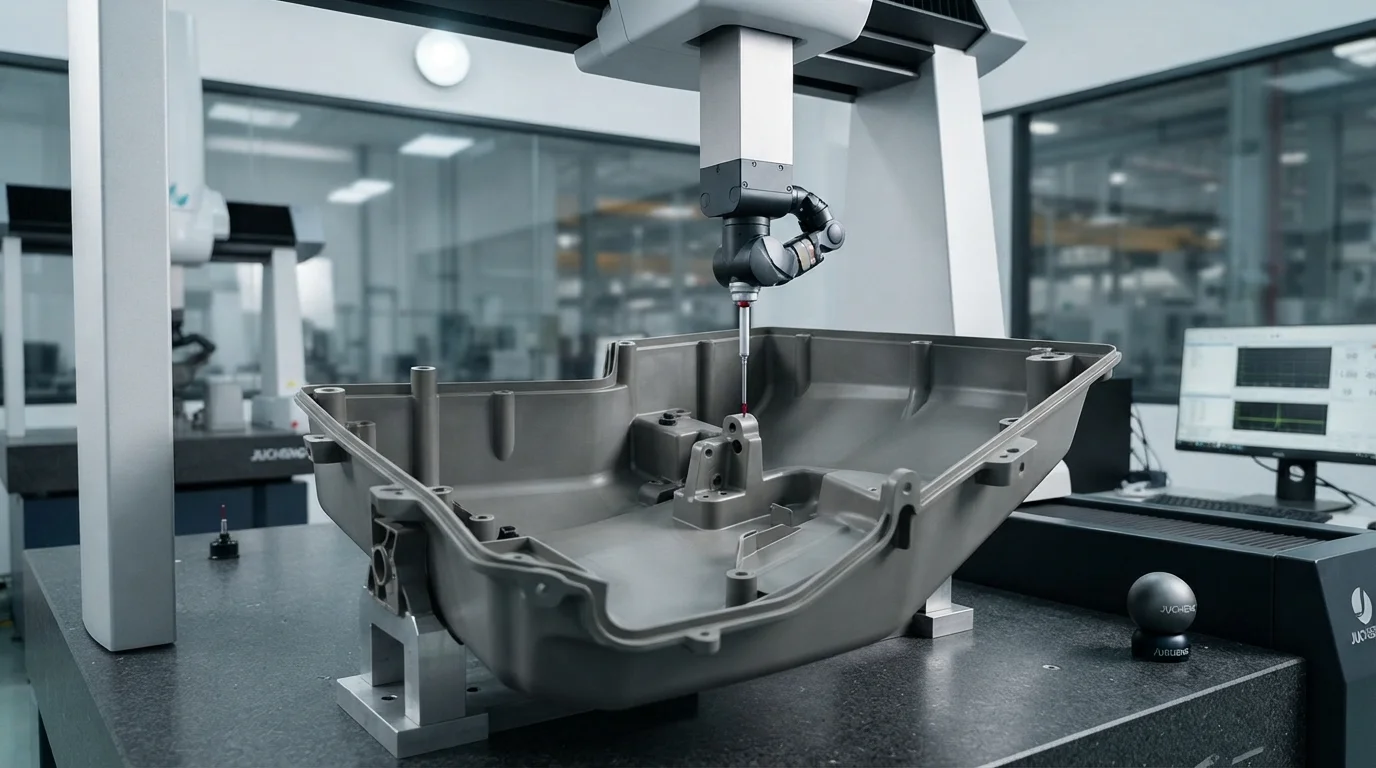
Question: How do advanced inspection protocols guarantee exact dimensional compliance for complex aerospace components? Automated CMM touch probes map thousands of surface coordinates against digital CAD models to verify tight tolerances.
Aviation hardware leaves zero room for geometric deviation, requiring strict metrology validation on every manufactured batch. Jucheng Precision supports aerospace innovators by delivering comprehensive 24-hour free DFM reviews that analyze draft angles, wall uniformity, and gate locations prior to cutting metal. Backed by 150+ advanced CNC machines, our manufacturing facilities integrate rigorous quality oversight to ensure your flight-grade components meet strict customer requirements. Sourcing our expert bridge manufacturing services guarantees your structural parts are built to withstand severe dynamic forces safely.
Partnering with a certified manufacturer helps you navigate the transition from early visual prototypes to low-volume production seamlessly. Key operational advantages of our aerospace tooling frameworks include:
- Comprehensive DFM feedback—Factory engineers evaluate parting lines and gating to eliminate potential structural flaws
- Certified quality assurance—ISO 9001 and ISO 14001 compliance guarantees absolute material traceability and repeatability
- Flexible batch scaling—Transition smoothly from prototype runs to 10,000+ units without supply chain friction
Frequently Asked Questions (FAQ)

Can rapid tooling produce flight-ready polymer parts for structural testing?
Yes. Because rapid tooling injects genuine aviation-grade engineering polymers under real press pressures, the resulting components possess the true mechanical properties needed for rigorous structural and wind tunnel testing.
What are the primary advantages of aluminum rapid molds in aerospace development?
Aluminum rapid molds offer exceptionally fast machining lead times and lower upfront costs, allowing aerospace engineers to test multiple design iterations quickly before committing to expensive hardened steel tooling.
How does Jucheng Precision ensure quality control for aerospace components?
Jucheng Precision operates under certified ISO 9001 and ISO 14001 standards, utilizing advanced CMM metrology inspection and 24-hour free DFM reviews to guarantee high-precision aerospace manufacturing.

