


Developing life-saving clinical hardware demands absolute precision, biocompatibility, and strict regulatory adherence right from the earliest prototyping milestones. Medical device engineers frequently encounter major delays when trying to secure functional, injection-molded components for clinical trials without committing to expensive multi-ton production tooling. Executing rapid tooling for medical devices bridges this critical development gap, allowing teams to evaluate true structural performance before locking down permanent steel production molds. Balancing rapid iterations with clinical safety ensures medical innovations reach healthcare providers safely and on schedule.
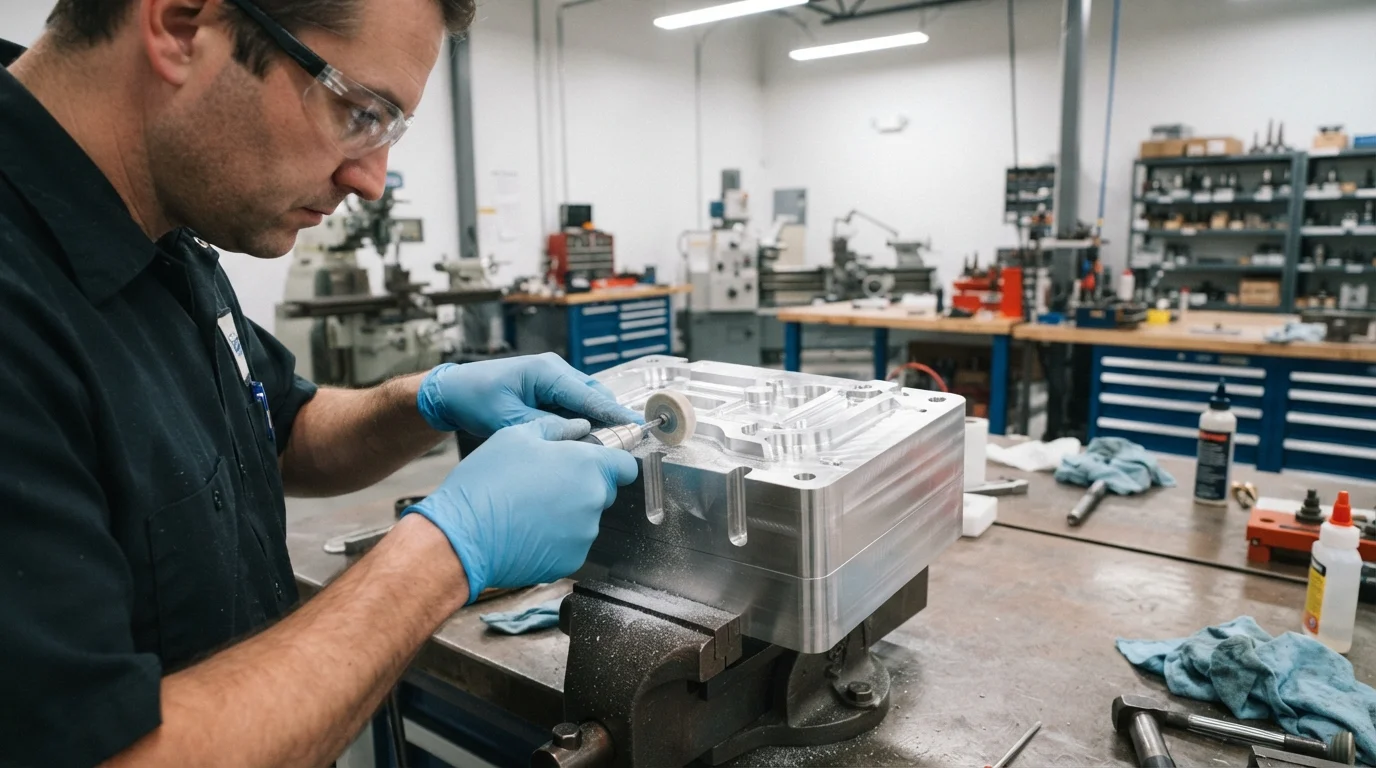
Navigating the complex ecosystem of Rapid tooling industry applications requires partnering with certified manufacturers who understand clinical standards and regulatory submission requirements. Utilizing soft aluminum or pre-hardened steel inserts accelerates design iterations while injecting genuine engineering polymers under authentic press pressures. Let us examine the unique challenges of clinical hardware prototyping and discover how soft tooling safeguards patient safety during early testing phases.
Table of Contents
1. The Unique Challenges of Medical Device Prototyping
2. Using Rapid Tooling to Mold Medical-Grade Plastics
3. Clinical Trials and Beta Testing: Why Soft Molds are a Life Saver
The Unique Challenges of Medical Device Prototyping
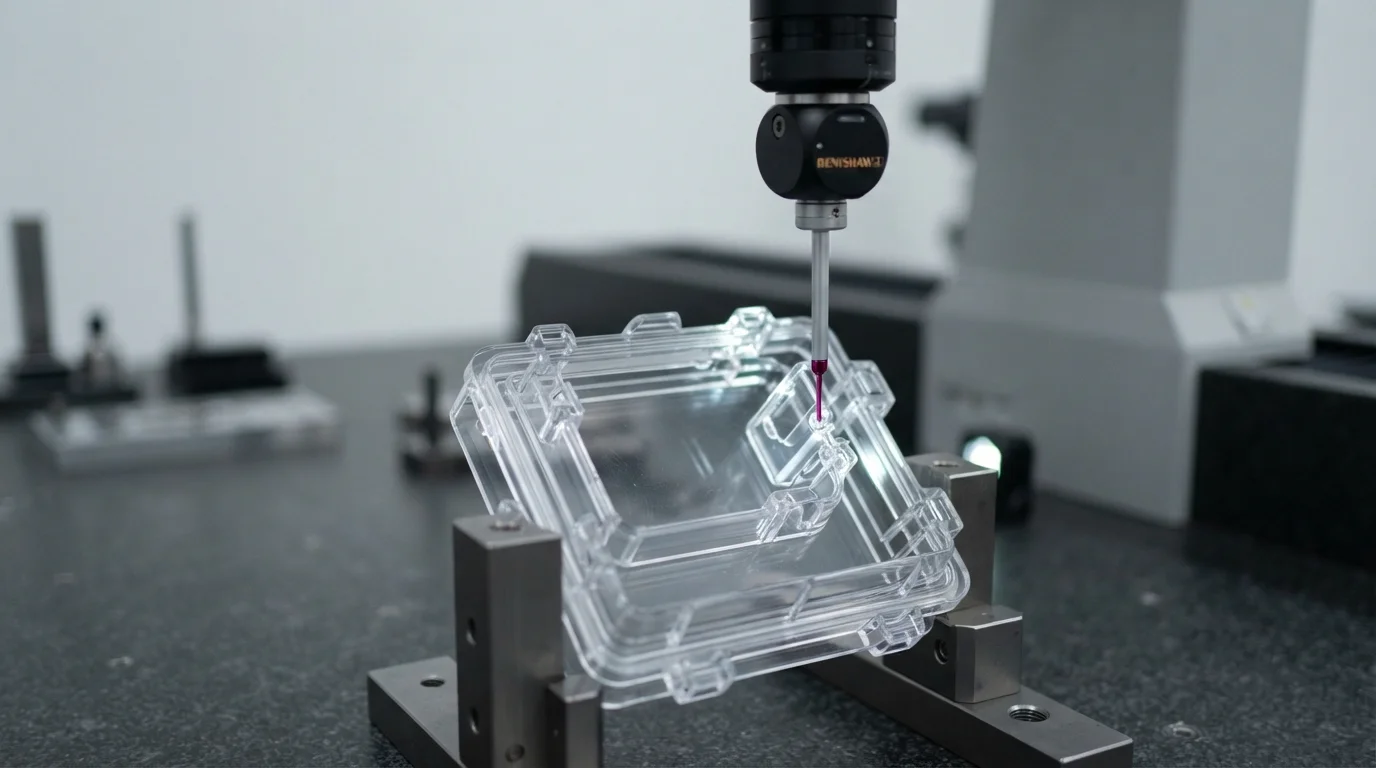
Question: Why is medical device prototyping significantly more complex than standard consumer electronics development? Clinical components must maintain strict dimensional stability, withstand aggressive sterilization protocols, and comply with rigorous biocompatibility standards.
Designing surgical handpieces, diagnostic enclosures, or wearable monitors requires addressing tight geometric tolerances and ergonomic user interfaces that standard 3D printing methods often fail to replicate accurately. Layer-by-layer additive manufacturing introduces anisotropic weakness and surface porosity that trap biological contaminants, making it unsuitable for clinical trials. Sourcing a dedicated Rapid Tooling Service allows mechanical engineers to evaluate true resin characteristics long before mass production begins. Sourcing custom structural enclosures via an advanced CNC Machining Service ensures internal electronic brackets fit medical housings seamlessly.
Evaluating the strict physical demands placed on medical components requires monitoring specific regulatory testing milestones:
- Sterilization endurance—Parts must survive repeated exposure to high-pressure steam autoclaves or chemical disinfectants without degrading
- Biocompatible surface finishes—Molded cavities must possess pristine SPI finishes to prevent tissue irritation or bacterial adhesion
- Drop and impact resistance—Clinical instruments frequently experience accidental drops on hard hospital flooring during emergency interventions
Using Rapid Tooling to Mold Medical-Grade Plastics
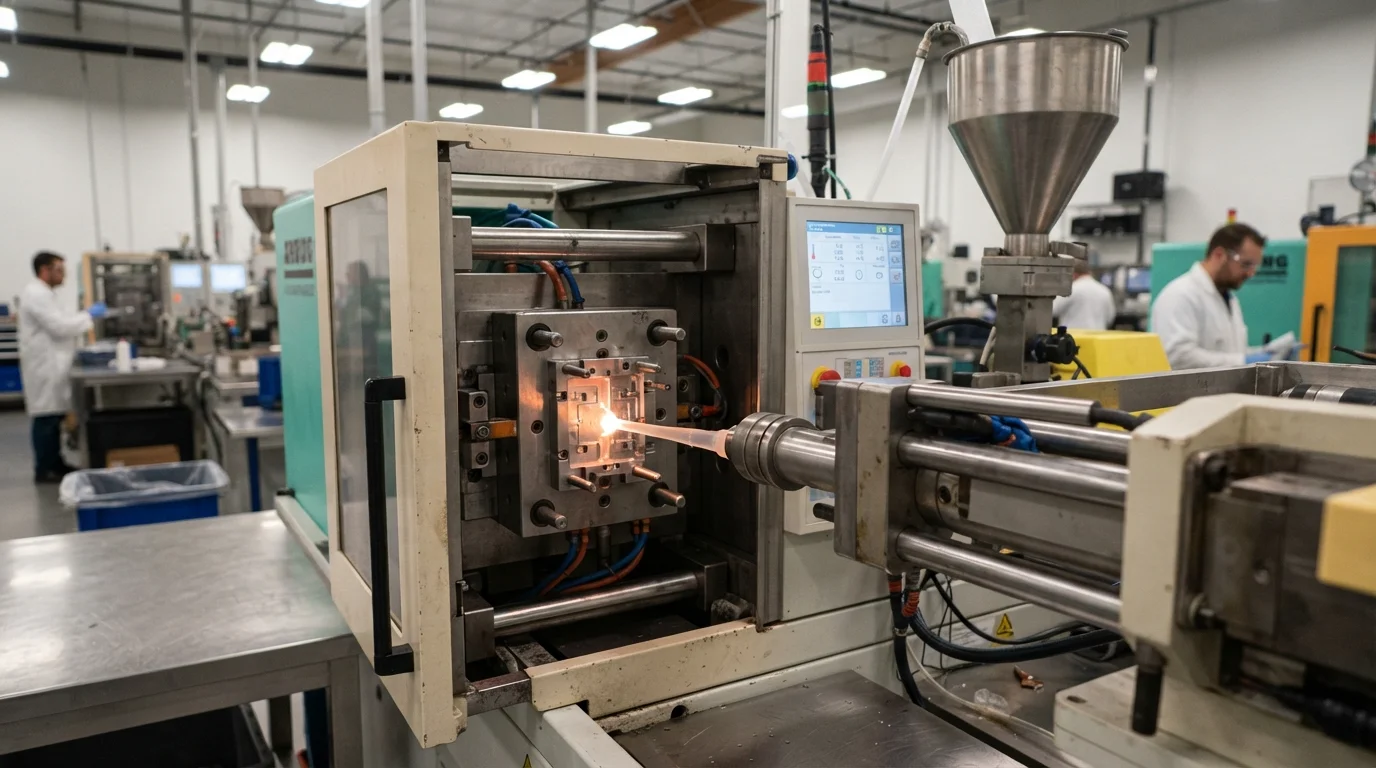
Question: How does soft metal tooling enable the injection molding of certified medical polymers? High-speed CNC cutting centers carve aluminum or P20 steel mold inserts to process authentic clinical resins under real injection pressures.
Achieving authentic material behavior requires injecting real thermoplastic resins into precision-cut metal cavities rather than relying on simulated rapid prototypes. Utilizing an expert Injection Molding Service allows product groups to mold high-performance polymers such as medical-grade Polycarbonate (PC), biocompatible ABS, or high-temperature PEEK. Sourcing versatile Vacuum Casting models or initial Prototype Service batches helps validate ergonomic handling before cutting metal cores. Examining material behavior across different mold standards ensures structural integrity under stress:
| Polymer Material | Sterilization Compatibility | Primary Clinical Application | Tooling Compatibility |
|---|---|---|---|
| Medical Polycarbonate (PC) | EtO gas, Gamma radiation | Transparent fluid reservoirs, diagnostic cases | Aluminum & P20 rapid molds |
| Medical ABS | Surface cleaning wipes, UV | Handheld monitor casings, equipment housing | Aluminum rapid tooling |
| PEEK | Autoclave steam (134°C), Gamma | Surgical instrument handles, orthopedic trials | Pre-hardened steel inserts |
Clinical Trials and Beta Testing: Why Soft Molds are a Life Saver
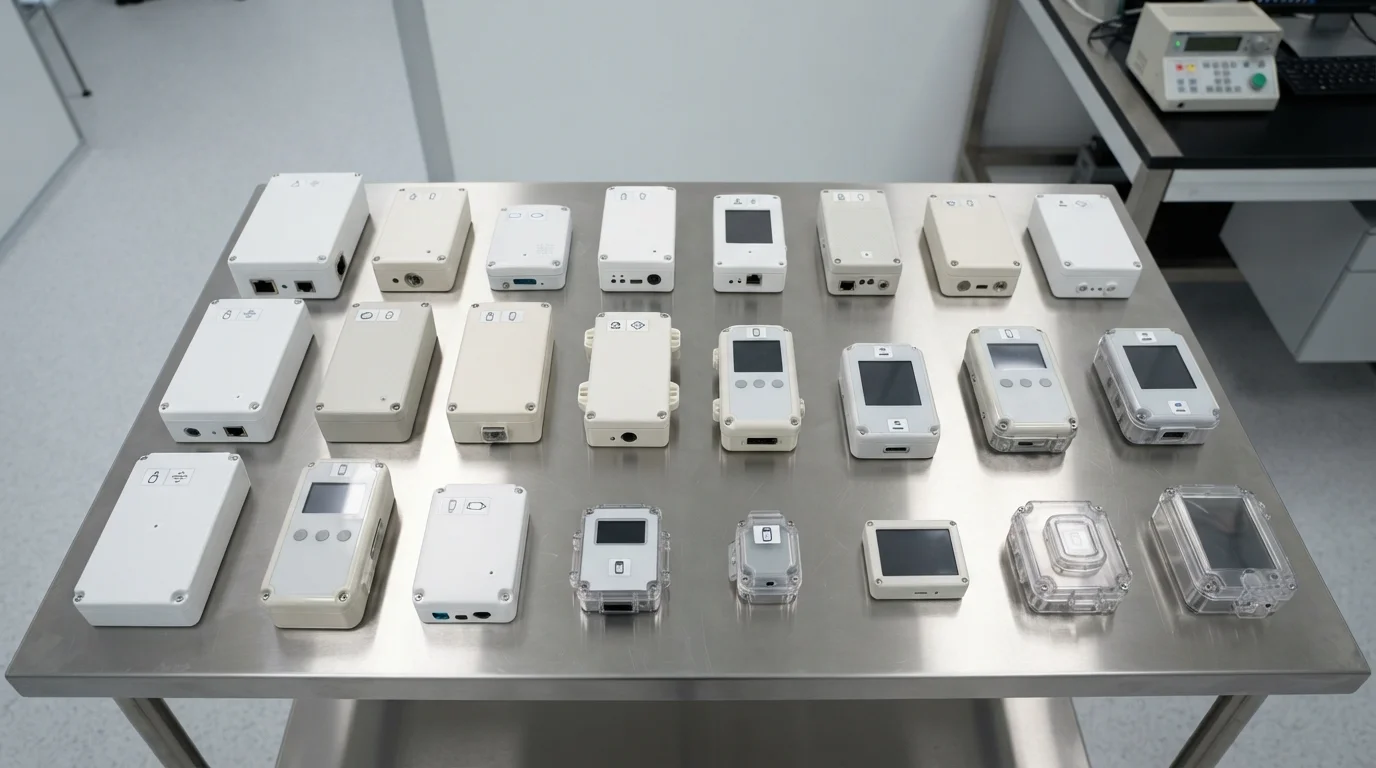
Question: How do soft rapid molds protect medical startup budgets during iterative clinical feedback cycles? They allow engineering teams to modify CAD geometries and re-cut aluminum mold inserts within days rather than waiting months for hard steel tool rebuilds.
Clinical trials frequently reveal subtle ergonomic or mechanical adjustments required by practicing surgeons and healthcare technicians. Sourcing a bridge manufacturing approach prevents hardware ventures from locking up valuable capital in inflexible, permanent steel tooling before human factor evaluations are complete. Jucheng Precision supports medical innovators by eliminating the tooling blackout window, providing comprehensive 24-hour free DFM reviews that analyze draft angles, wall uniformity, and gating positions. Sourcing expert engineering guidance ensures your diagnostic enclosures and surgical devices comply with international quality benchmarks seamlessly.
Partnering with an internationally certified manufacturer guarantees full material traceability and part repeatability across clinical supply chains. Key operational strengths of our medical manufacturing framework include:
- ISO 13485 certified quality management—Stringent traceability protocols guarantee absolute compliance for medical device manufacturing
- Advanced 5-axis machining precision—Utilizing 25 specialized Haas and Mazak machines to handle complex surgical geometries without thermal distortion
- Zero minimum order constraints—No MOQ policies allow exact inventory alignment with small-batch clinical trial requirements
Frequently Asked Questions (FAQ)
Can rapid tooling be used for FDA submission samples?
Yes. As long as the injection molding process utilizes certified medical-grade resins and is performed within a controlled quality management framework, rapid-molded components are fully viable for regulatory submission and clinical evaluation.
What injection molding materials are best for reusable medical device enclosures?
High-performance engineering polymers such as medical-grade polycarbonate, PEEK, and PPSU are ideal because they endure aggressive autoclave steam sterilization and chemical disinfectant wipes without cracking.
How does Jucheng Precision support medical device manufacturing?
Jucheng Precision operates as an ISO 13485 certified manufacturer, providing 24-hour free DFM reviews, rapid tooling, and precision injection molding to accelerate clinical hardware from prototype to series production.

