


Aerospace Surface Treatment: Corrosion Protection and Coatings
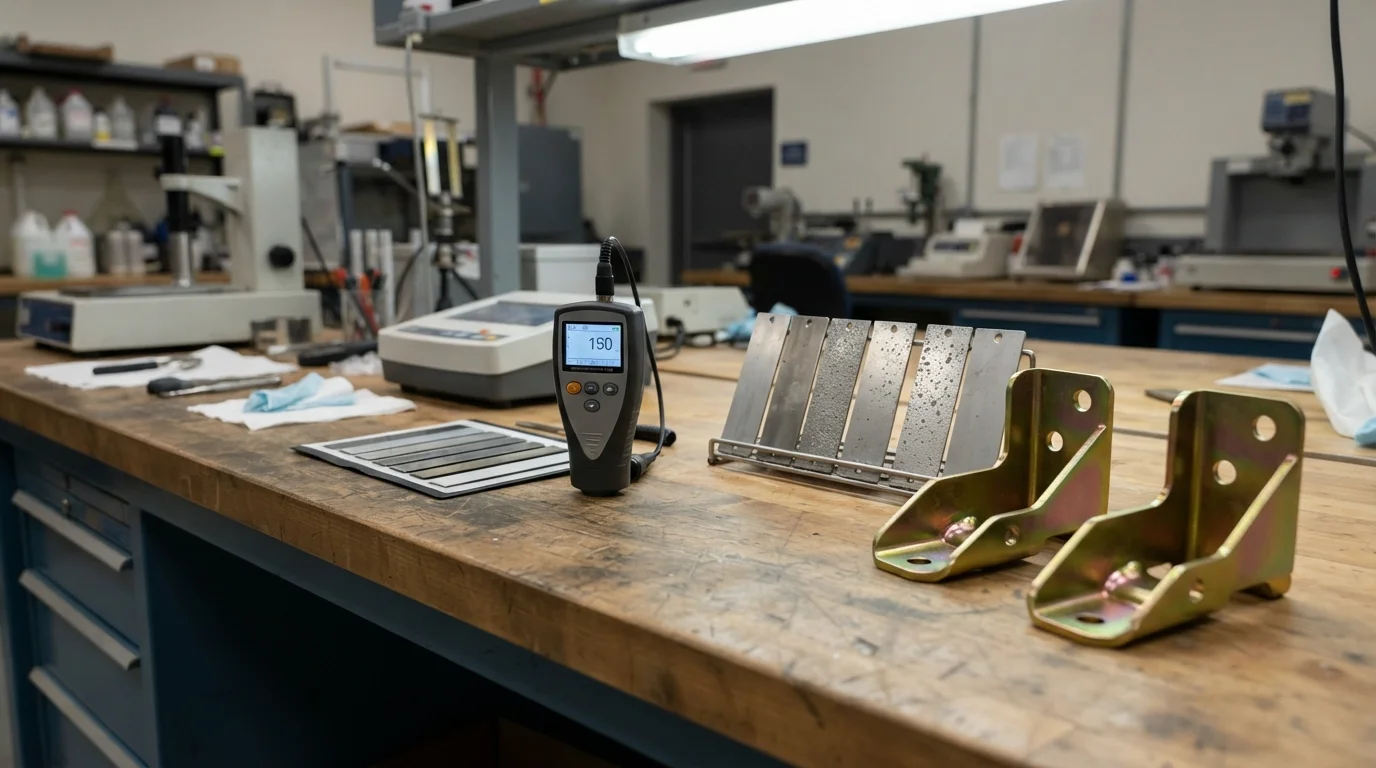
Operating aircraft across marine salt atmospheres, stratospheric ozone layers, and high-temperature turbine exhaust zones demands barrier layers that go far beyond standard industrial plating. When aviation materials engineers finalize structural airframes and propulsion hardware, applying certified aerospace surface treatment protocols ensures survivability against galvanic corrosion, surface wear, and extreme thermal oxidation. Untreated metallic alloys degrade rapidly when subjected to severe high-altitude moisture condensation and cyclic thermal expansion.
Utilizing an experienced contract manufacturing partner ensures that structural AL7075-T6 aluminum spar caps, precipitation-hardened 15-5PH stainless steel pins, and nickel-based Inconel 718 turbine hardware receive validated chemical and thermal barrier coatings. Let us examine the anodizing standards, chemical conversion coatings, and thermal barrier deposition methods that govern flight hardware longevity.
Module 1 – Definition and Working Principles of Flight-Grade Surface Engineering
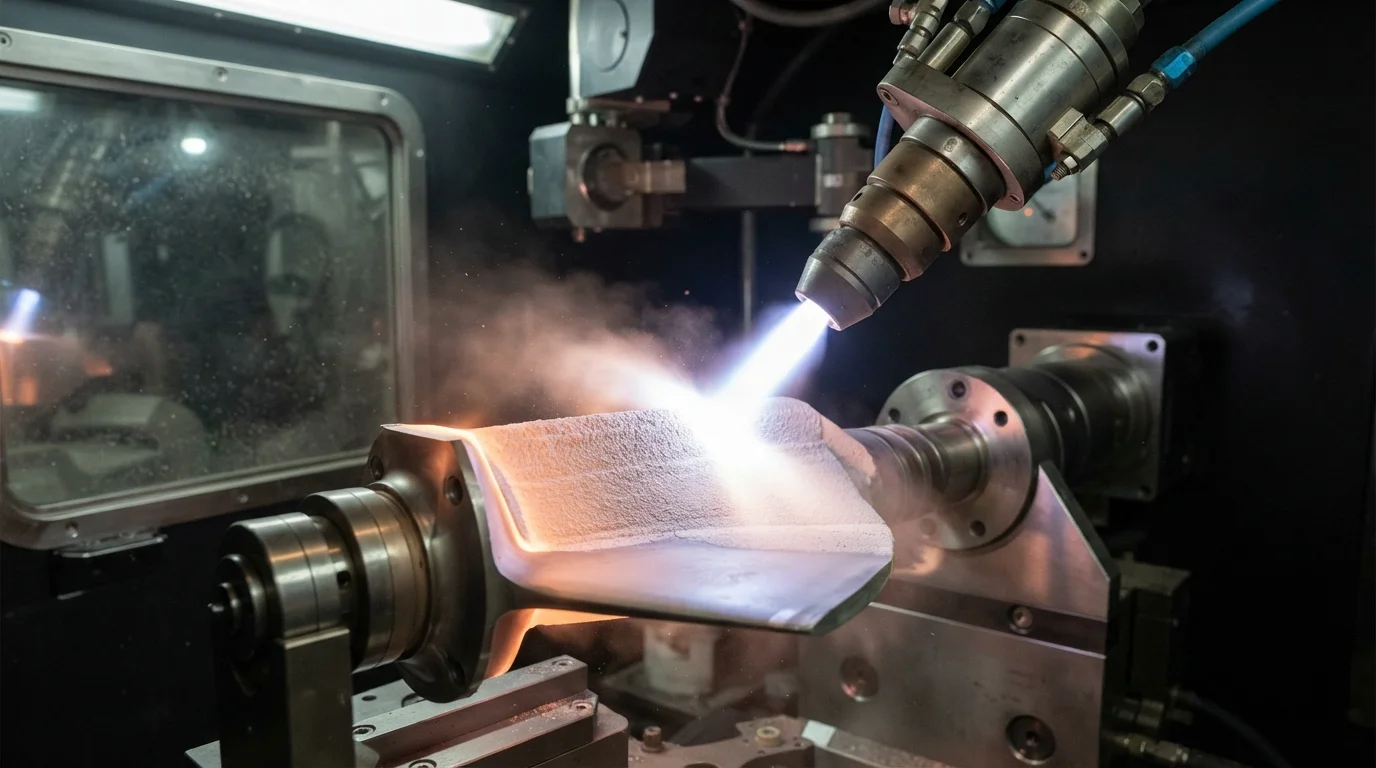
Specialized surface engineering in aerospace involves electro-chemical, chemical conversion, and thermal plasma processes that alter substrate surfaces to impart exceptional barrier properties. The working principle relies on growing non-conductive oxide layers, passivating free iron particles, or depositing high-purity ceramic barrier films that insulate the base metal from environmental electrolytes. While structural shapes are shaped via precision 5-axis CNC machining, their ultimate operating lifespan depends entirely on compliant post-machining chemical processing.
To execute a structured surface treatment protocol on flight-critical hardware, chemical finishing technicians could follow these practical steps:
- Anodizing Type Selection: Deploy Type I Chromic Acid Anodizing (MIL-A-8625) for fatigue-critical structural components with complex entrapment geometry, or Type III Hardcoat for high-wear sliding faces.
- Chemical Conversion Passivation: Apply Alodine (MIL-DTL-5541) on AL2024 or 6061 avionics boxes to provide atmospheric corrosion defense while preserving surface electrical conductivity for grounding.
- Thermal Barrier Spraying: Deposit yttria-stabilized zirconia (YSZ) ceramic coatings via plasma spray torches onto turbine blades to shield metal substrates from 1000°C+ combustion gases.
Module 2 – Core Application Scenarios Across Flight and Spacecraft Systems
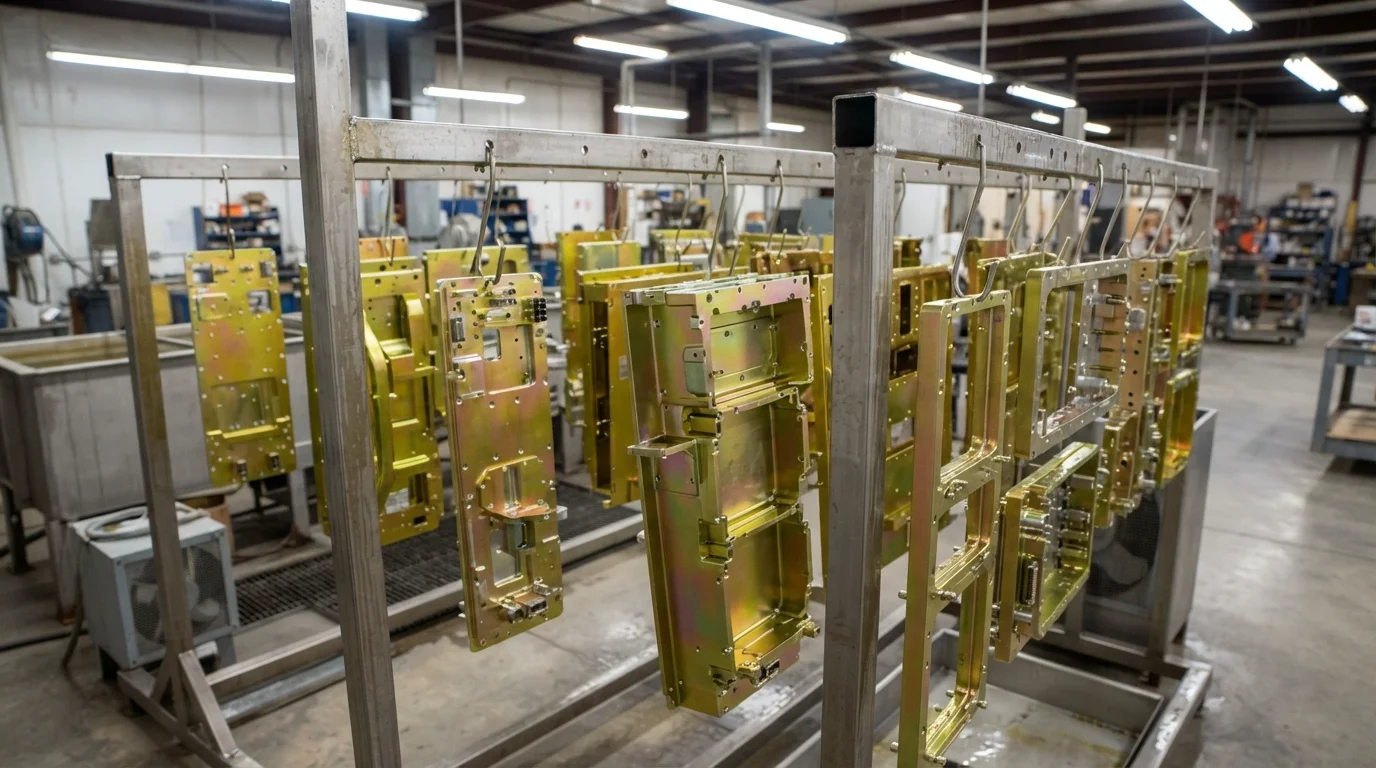
Applying specialized chemical conversion and thermal coatings is vital across airframe structural skins, avionics radar bays, and jet engine combustion sections where raw alloys would fail rapidly. When aerospace primes design mission-critical assemblies, specifying verified aerospace surface treatment solutions prevents galvanic degradation when carbon fiber composites mate with aluminum frames. Discussions across aerospace engineering communities on Reddit and Facebook emphasize that MIL-spec Alodine coating is essential for maintaining electromagnetic shielding and lightning strike grounding continuity.
Primary application sectors include:
- Avionics & Radar Enclosures: Treating aluminum sheet metal chassis with Class 3 Alodine to ensure low electrical contact resistance and corrosion immunity.
- Landing Gear Actuator Assemblies: Passivating precipitation-hardened 17-4PH stainless steel pins and Type III hard-anodizing hydraulic cylinders for extreme abrasive wear defense.
- Turbine Engine Hot Sections: Applying thermal barrier coatings (TBC) onto Inconel 718 turbine vanes and exhaust nozzles operating under continuous combustion flames.
Module 3 – Key Selection Factors for Project Success
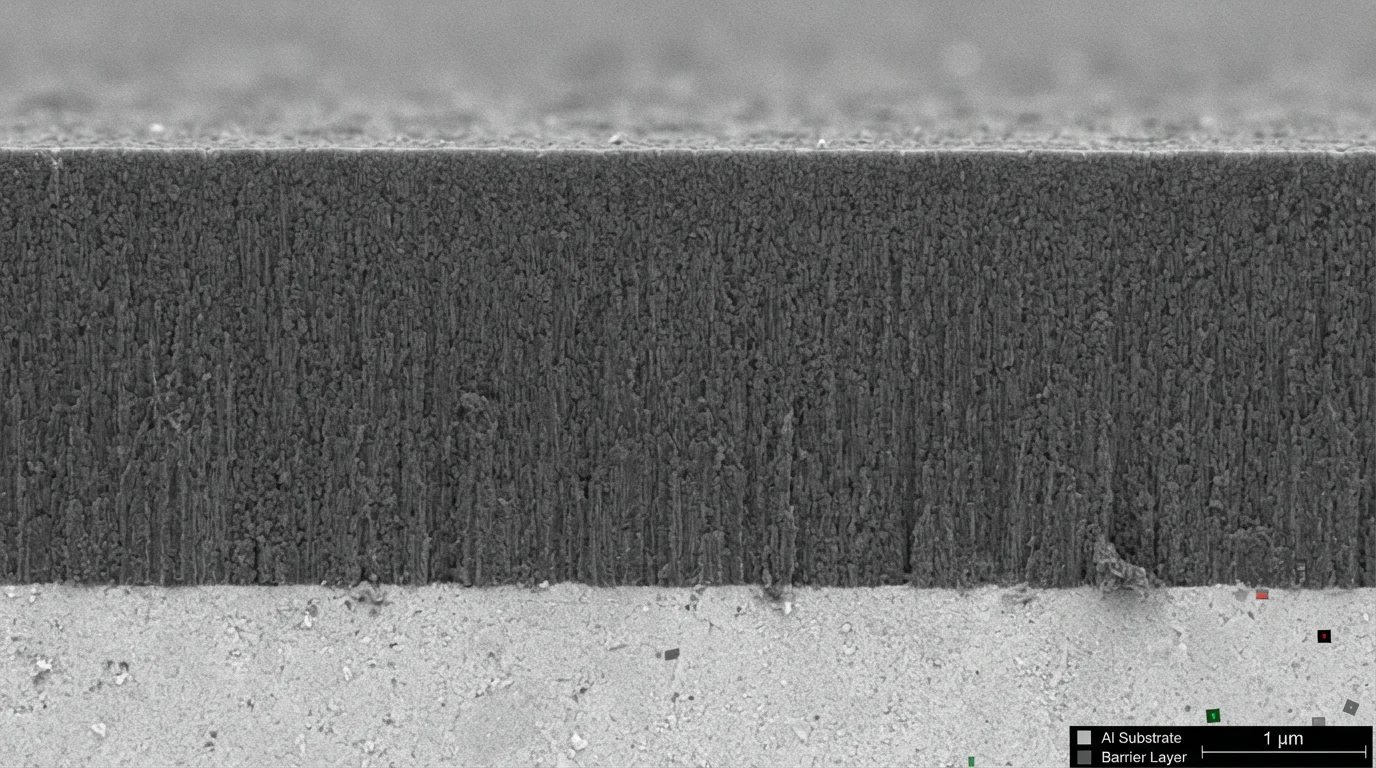
When selecting surface finishing processes for flight hardware, engineering teams must evaluate coating thickness buildup, electrical conductivity retention, and salt spray corrosion endurance hours. Evaluating these core parameters ensures your components satisfy strict military and commercial aerospace standards.
| Surface Treatment Type | Governing Military Standard | Primary Aerospace Advantage |
|---|---|---|
| Chromic Anodizing (Type I) | MIL-A-8625, Type I / IB | Minimal fatigue reduction, thin oxide layer (2 to 5 µm), safe for tight crevices |
| Chemical Film (Alodine) | MIL-DTL-5541, Type I/II, Class 3 | Preserves electrical conductivity for EMI shielding, excellent paint primer base |
| Thermal Barrier Coating (TBC) | OEM Turbine Specifications | Low thermal conductivity ceramic layer reduces substrate metal temp by up to 150°C |
Module 4 – Installation and Maintenance Tips
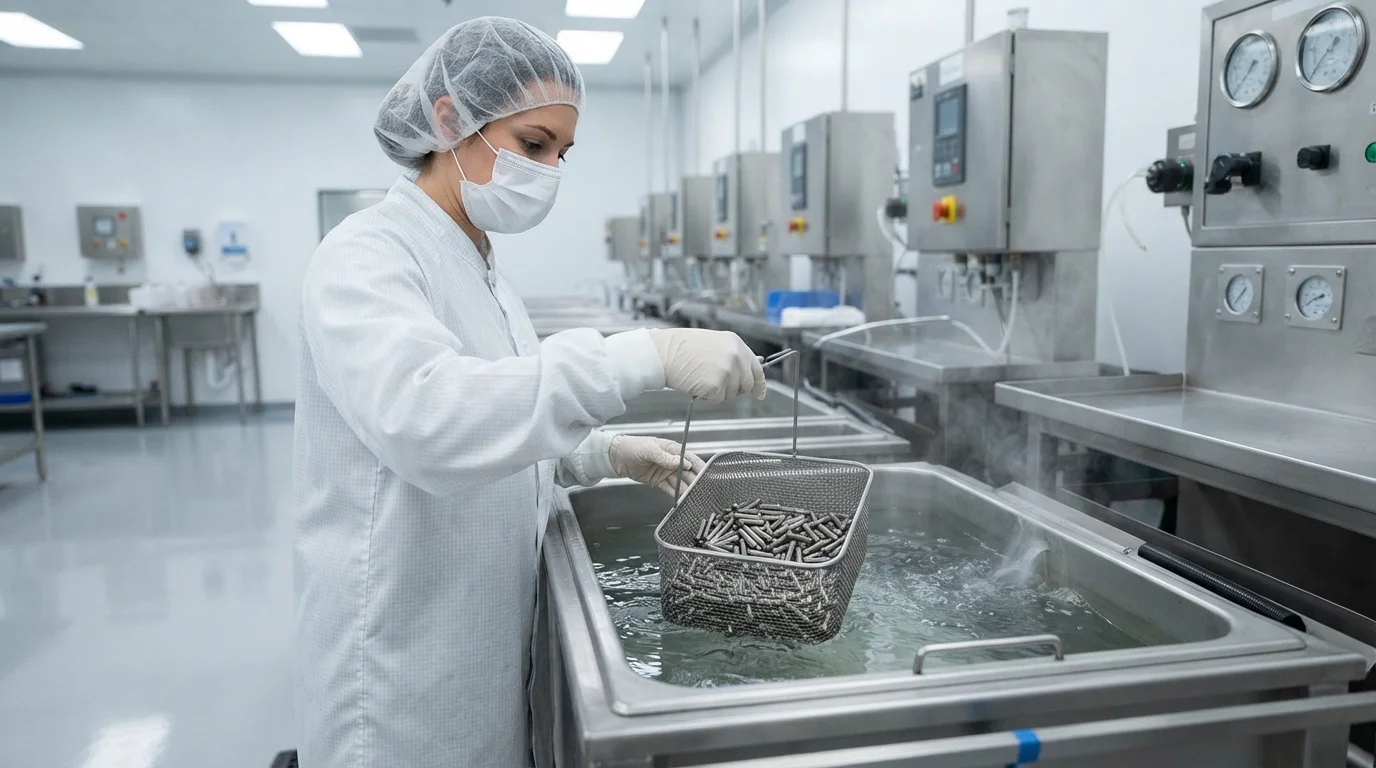
Proper masking of critical bearing bores, post-treatment chemical rinsing, and routine salt spray corrosion auditing safeguard treated flight parts across active aircraft operational lives. Protecting passive chemical films from mechanical scratching ensures uninterrupted corrosion defense.
Key installation and maintenance tips include:
- Precision Thread Masking: Utilize high-temperature custom rubber plugs to mask internal tapped holes and ground bearing bores during heavy anodizing baths to prevent dimensional growth.
- Deionized Water Rinsing: Rinse chemical conversion coated parts in high-purity deionized water tanks to eliminate residual acid salts before final cleanroom packaging.
- ASTM B117 Salt Spray Auditing: Subject companion test coupons to 336+ hours of continuous salt fog exposure to verify coating density and adhesion integrity.
Module 5 – Frequently Asked Questions (FAQ)
1. Why is Alodine coating essential for aerospace avionics enclosures?
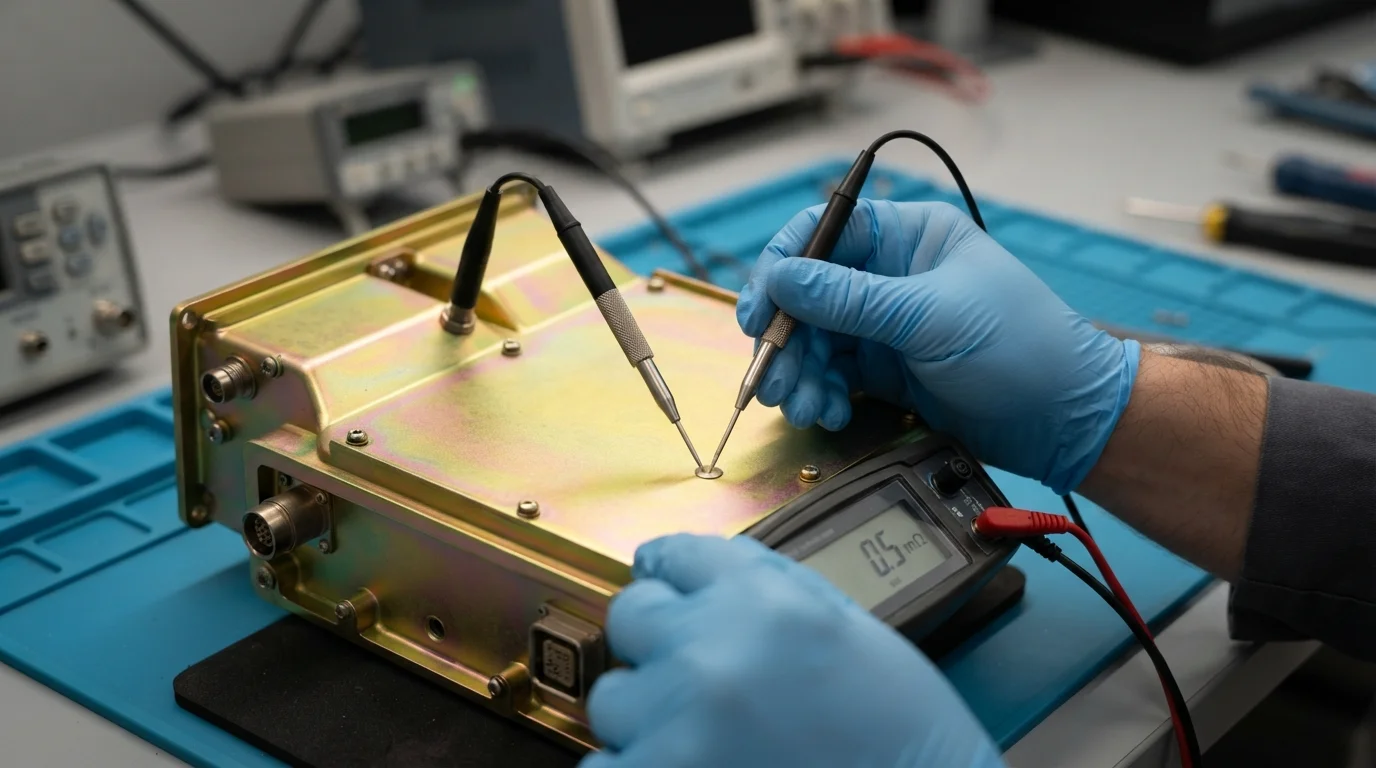
Alodine (MIL-DTL-5541 Class 3) provides excellent atmospheric corrosion protection while preserving the electrical conductivity of aluminum, which is mandatory for electrical grounding, lightning strike protection, and EMI shielding.
2. What is the difference between Type I and Type III anodizing in aerospace?
Type I (chromic acid) creates a very thin, flexible oxide layer that causes zero fatigue strength loss on airframe spars, whereas Type III (hardcoat) produces a thick, exceptionally hard ceramic layer for high-wear sliding applications.
3. Why is chemical passivation mandatory for aerospace stainless steels like 15-5PH and 17-4PH?
Passivation removes free iron particles deposited by cutting tools during CNC machining, forming an unblemished chromium oxide passive barrier that prevents localized pitting corrosion.
4. How do Thermal Barrier Coatings (TBC) protect jet engine turbine blades?
TBCs consist of specialized ceramic layers (such as yttria-stabilized zirconia) deposited via plasma spray that insulate underlying superalloys from direct combustion gases exceeding 1000°C.
5. How does anodizing affect the final dimensional tolerances of precision machined parts?
Type II and Type III anodizing build physical thickness (typically 50% penetration and 50% surface growth), requiring CNC machinists to pre-compensate dimensions in CAD prior to anodization.
6. How does Jucheng Precision support aerospace surface treatment standards?
Jucheng Precision provides certified MIL-spec anodizing, Alodine chemical film, stainless steel passivation, and Nadcap-compliant processing under strict AS9100 quality management systems.
Module 6 – Why Choose JUCHENG for Your Project
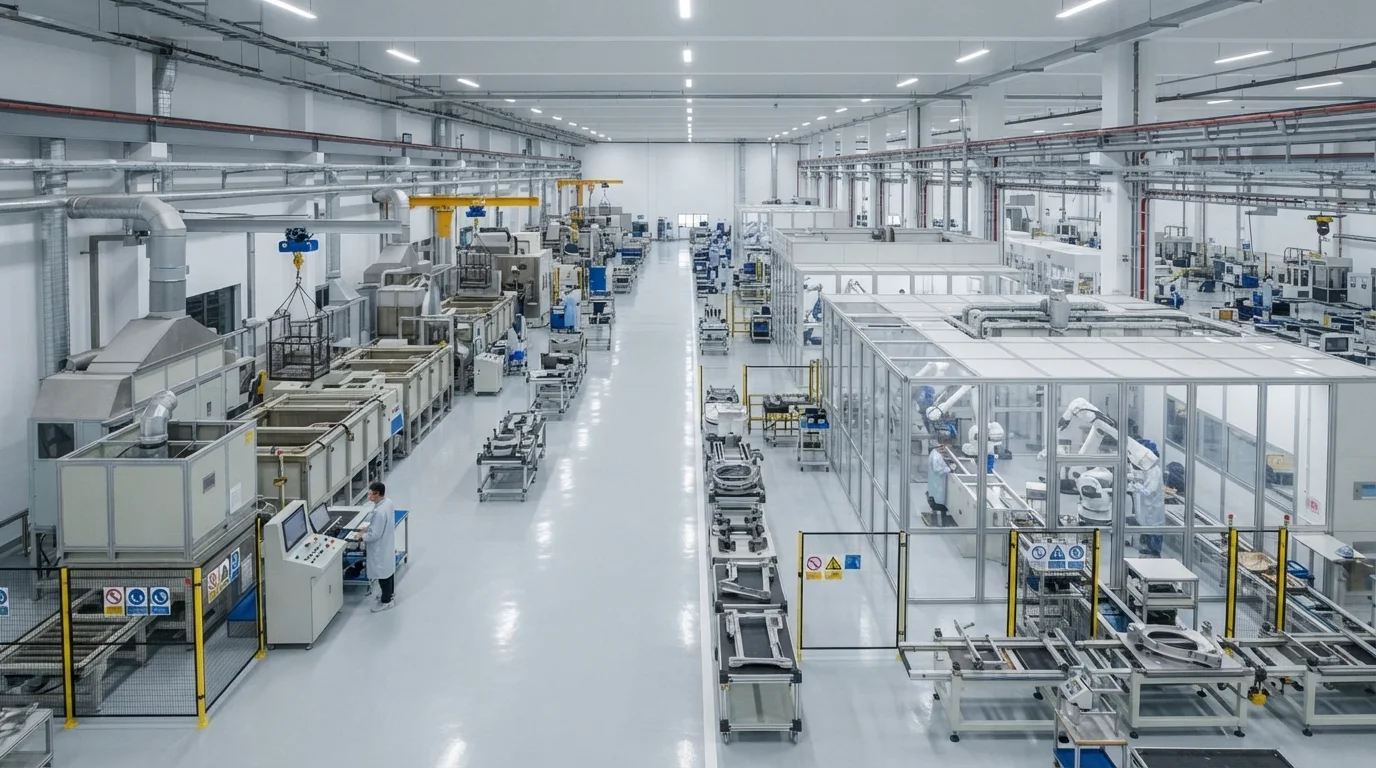
Achieving uncompromising flight longevity and environmental survivability requires an experienced manufacturing partner with integrated chemical processing and precision machining infrastructure. JUCHENG supports aerospace innovators by delivering comprehensive 24-hour free DFM reviews that analyze coating thickness growth, masking requirements, and substrate alloy compatibility prior to cutting metal billet. Founded in Shenzhen in 2012 with an 8,000-square-meter facility in Dongguan, our factory houses 150+ advanced machines, including 25+ high-performance 5-axis Haas and Mazak milling centers alongside dedicated chemical finishing bays [9.10].
Backed by ISO 9001, ISO 14001, ISO 13485, and IATF 16949 certifications, our engineering teams ensure that executing compliant aerospace surface treatment solutions achieves salt-spray endurance, precise dimensional control, and absolute batch consistency.
Ready to Protect Your Flight Hardware with Certified Surface Treatments?
Upload your 3D models today to receive instant feedback, competitive pricing, and professional DFM analysis from our seasoned engineering experts. Let JUCHENG bring your complex designs to life with unmatched speed and reliability!

