


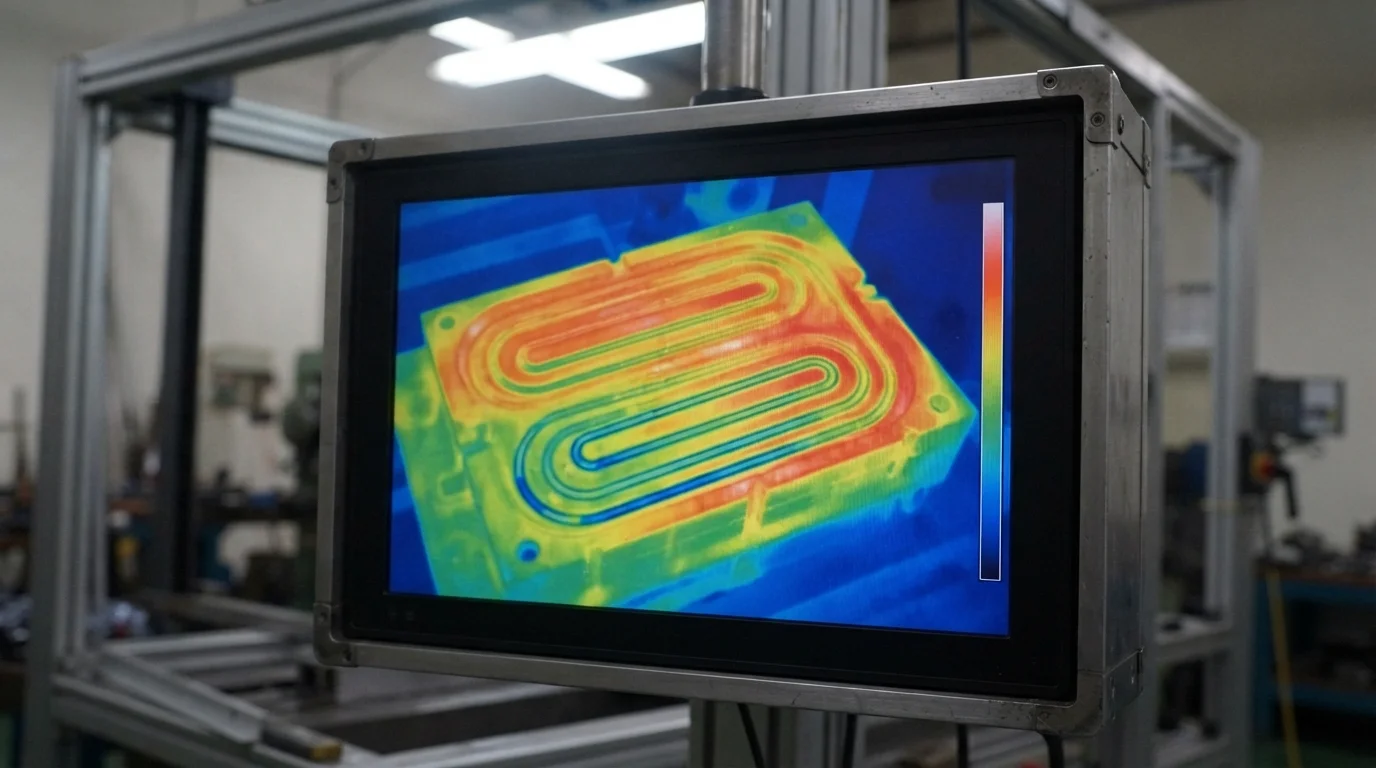
Cooling accounts for up to seventy percent of the total cycle time in thermoplastic injection molding, making thermal management the primary factor governing production speed and part economics. Sourcing high-conductivity soft alloys allows tooling engineers to extract heat from molten polymers rapidly, slashing standard cooling phases dramatically. Slicing complex three-dimensional CAD geometries precisely ensures early-stage parts release cleanly from core cavities without warping or cosmetic sink marks. Sourcing these low-volume parts preserves crucial development cash flow, avoiding the massive capital expenditure associated with traditional hard steel molds. Selecting raw mold metals wisely protects your developmental budget from material premium markups.
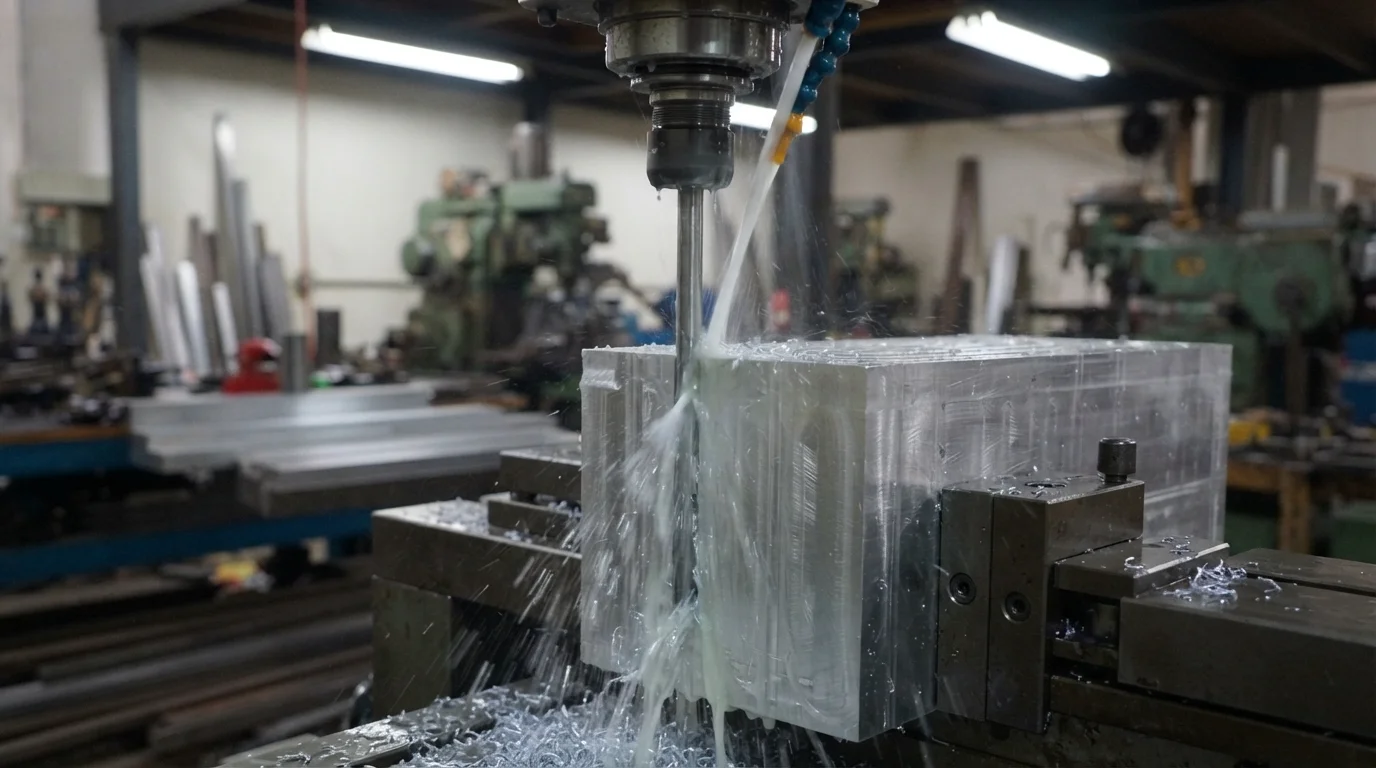
Table of Contents
1. Unmatched Thermal Conductivity Advantage of Soft Alloys
2. Baffles, Bubblers, and Thermal Pin Design Guidelines
Unmatched Thermal Conductivity Advantage of Soft Alloys
Question: Why do aluminum molds cool faster than tool steel molds? Aluminum AL7075 exhibits thermal conductivity five times higher than standard steel, absorbing heat from molten polymers rapidly to reduce molding cycles.
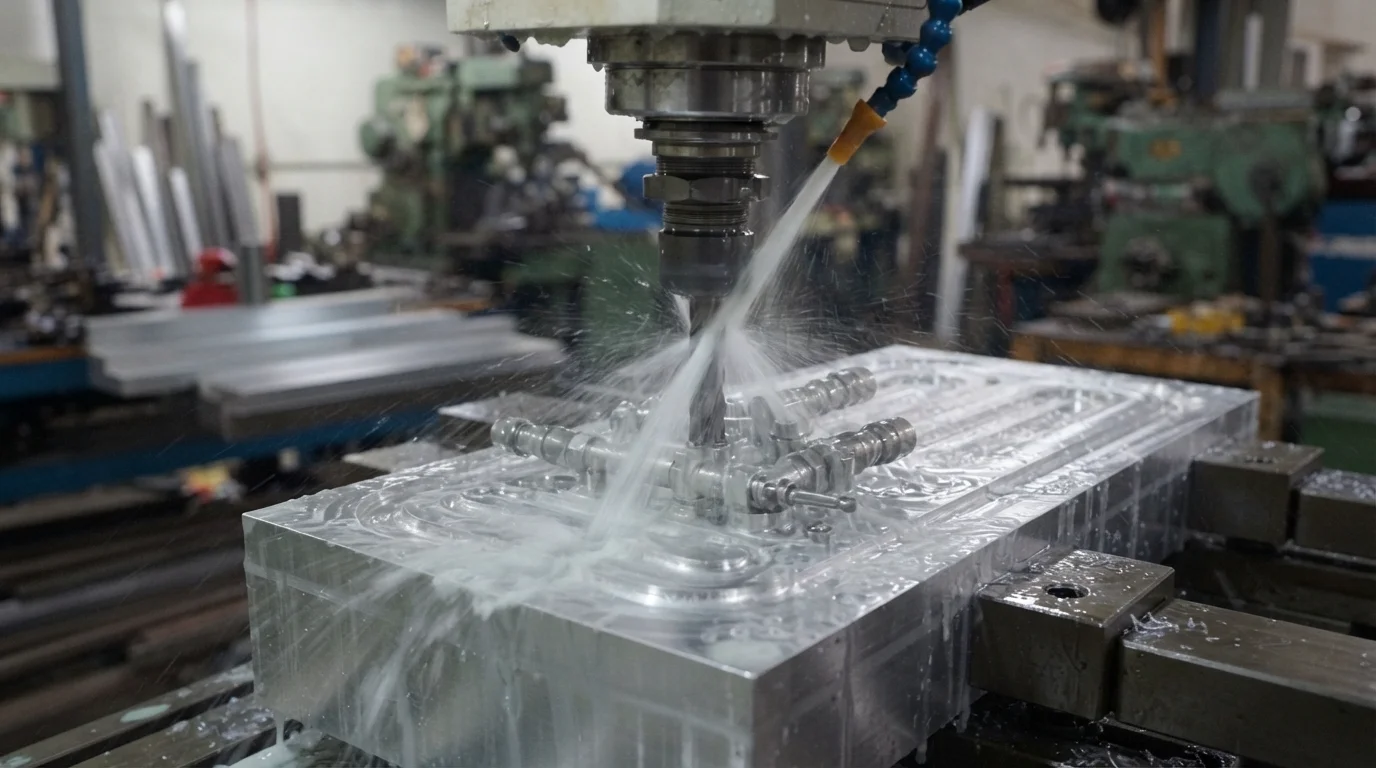
Sourcing a dedicated Rapid Tooling Service program enables mechatronics groups to bypass traditional high-volume mold expenses, producing thousands of functional plastic parts cheaply. Slicing CAD files precisely allows experienced toolmakers to analyze parting line shut-offs manually. Splicing raw CAD files precisely ensures that aluminum tooling cooling channels are routed close to critical cavity features. Symmetrical cooling line placement ensures heat transfers uniformly, protecting structural stability under dynamic injection pressures.
Aluminum’s superior thermal conductivity of 130 to 160 W/m·K allows heat to escape from molten plastics rapidly, shortening cooling cycles dramatically. Traditional Tool Steel molds, by contrast, possess a much lower heat transfer rate of 24 to 30 W/m·K, which holds heat longer and slows production cycle times. Shorter cooling cycles minimize localized internal stresses, preventing thin plastic walls from warping during part ejection. Sourcing these high-conductivity alloys ensures your developmental budget remains highly controlled during initial scaling.
Standardizing non-critical clearances allows high-speed milling spindles to clear raw stock quickly, maximizing cutting efficiency. Sourcing functional CNC Machining Service parts from extruded billets of raw aluminum represents an exceptional alternative before cutting mold blocks. Symmetrical component designs simplify holding fixtures, reducing initial setup labor hours dramatically. Sourcing high-quality billet metals protects your developmental budget from material premium markups.
Baffles, Bubblers, and Thermal Pin Design Guidelines
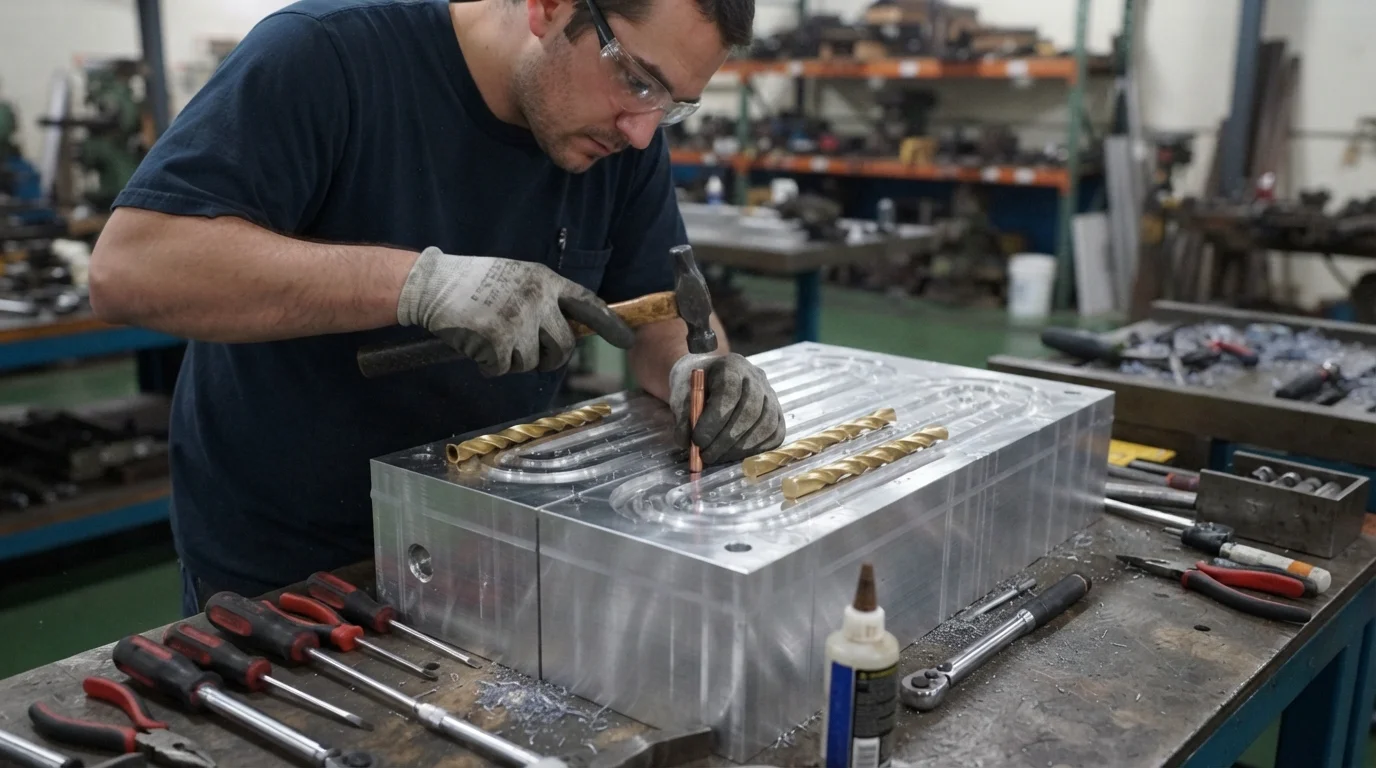
Question: How are deep mold core sections cooled uniformly? Toolmakers integrate perpendicular baffles, hollow bubblers, or high-conductivity copper thermal pins into deep core pins to channel coolant into hard-to-reach areas.
Deep mold core pins and narrow cavity features are often too restricted to accommodate standard straight-line aluminum tooling cooling channels. Slicing CAD files precisely allows experienced toolmakers to analyze parting lines, draft angles, and wall thicknesses using advanced mold flow simulation software. Sourcing localized baffles, bubblers, or thermal pins made from pure Copper represents the premier method to divert coolant flow into these isolated areas. Sourcing early dimensional validation ensures these cored-out features hold critical thread-forming screws securely.
Selecting the correct cooling accessory involves balancing raw physical properties with overall tooling expenditures. This technical comparison table highlights baseline cooling methods used to optimize thermal management inside mold cores:
| Cooling Device | Mechanical Construction | Best Mold Feature | Primary Heat Transfer Advantage |
|---|---|---|---|
| Baffle (Twisted Blade) | Twisted metal sheet inside drilled hole | Deep circular core pins | Promotes turbulent flow, ensures homogeneous temperature |
| Bubbler (Double Tube) | Concentric tube within drilled hole | Narrow deep cavities | Guides coolant directly to the tip, returns down outer walls |
| Thermal Pin (Copper) | High-conductivity solid insert | Small pins unable to fit fluid | Pulls heat away via high-conductivity physical contact |
Turbulent coolant flow transfers heat far more effectively than laminar flow, making fluid velocity control critical for high-efficiency molds. Standardizing water channel diameters ensures the cooling medium maintains a constant, high-velocity turbulent flow rate. Sourcing early engineering reviews helps you plan these water line layouts strategically before cutting raw metal. Mold designers analyze parting line splits early to ensure the soft aluminum shut-offs resist wear under high clamping pressures.
Preventing Differential Shrinkage and Part Warpage
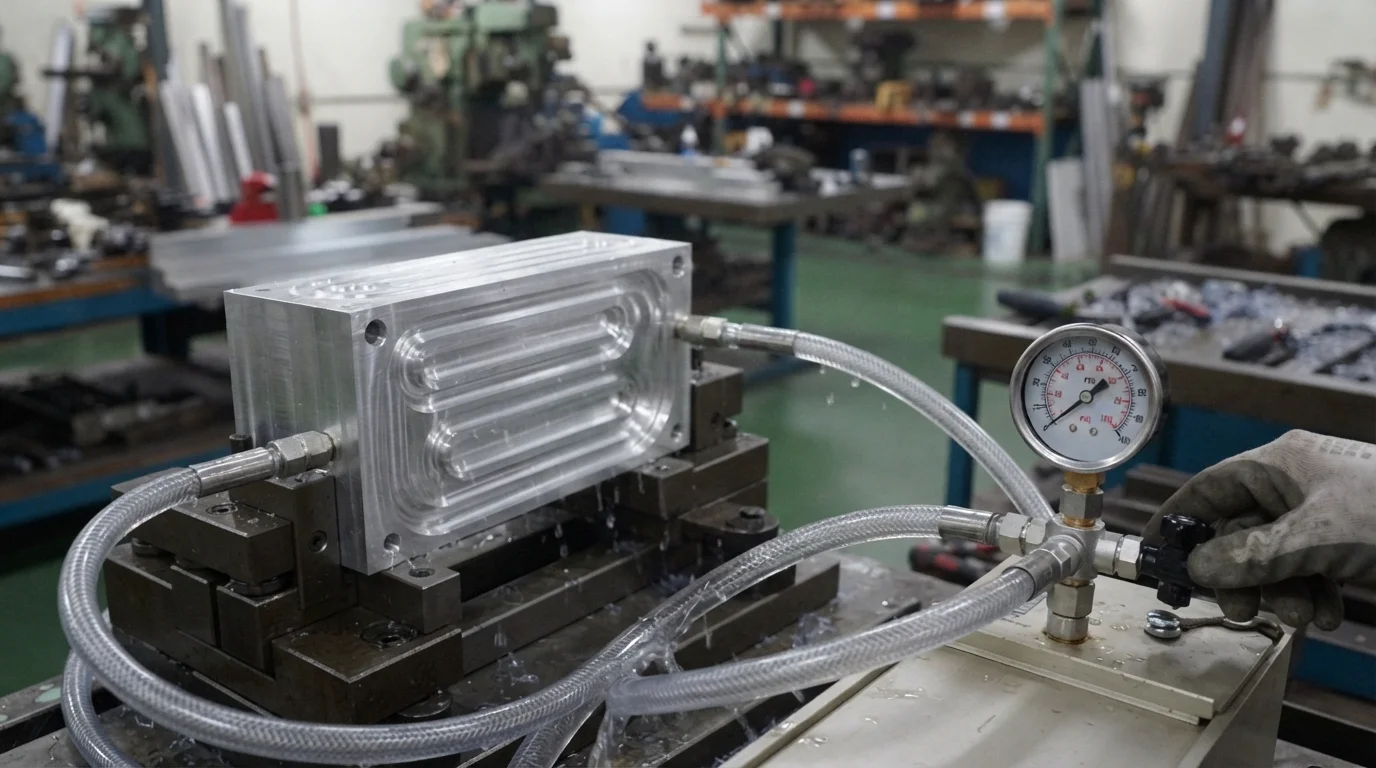
Question: How does uneven cooling cause part warpage? Temperature differentials across different sections of a plastic part create high internal stresses, leading to post-mold warping and dimensional drift.
Maintaining uniform cooling rates prevents differential shrinkage, ensuring your final molded parts hold tight dimensional tolerances. Sourcing functional parts molded from solid engineering plastics like glass-filled Nylon (PA) provides authentic material behavior under dynamic loading. Traditional pre-hardened P20 steel molds, by contrast, possess a much lower heat transfer rate, requiring longer pack and hold cycles to prevent sink marks. Understanding how aluminum tooling cooling channels optimize thermal transfer prevents cosmetic splay on critical exterior show faces.
Jucheng Precision operates a fully-integrated factory setup containing both multi-axis machining centers and precision injection molding presses. Factory engineers deliver comprehensive 24-hour free DFM reviews to optimize gate locations, parting lines, and draft profiles before cutting metal. Sourcing our expert DFM reviews helps product groups optimize cooling channel spacing, preventing hotspots on complex medical, automotive, and consumer electronics programs. Sourcing high-quality prototypes ensures your designs are built to withstand severe dynamic forces safely.
Partnering with a certified Injection Molding Service specialist ensures your finished hardware matches the premium software experience. Sourcing conformal cooling inserts produced via our advanced 3D Printing Service allows developers to cool complex curved cavities seamlessly. Sourcing your quotes manually ensures experienced engineers analyze your 3D STEP files to find additional ways of reducing cycle times and tooling expenses. Custom components undergo rigorous coordinate metrology checks to confirm exact dimensional compliance.
Frequently Asked Questions (FAQ)
How much does optimizing mold cooling channels reduce per-part piece prices?
Cooling time accounts for fifty to seventy-five percent of the entire injection molding cycle, making efficient heat extraction the primary factor driving down per-part costs. Sourcing high-conductivity aluminum mold cores reduces thermal holding times dramatically, allowing presses to cycle much faster.
What are conformal cooling channels in rapid molds?
Conformal cooling channels produced via metal 3D printing match complex 3D part contours at a constant offset distance, ensuring uniform heat extraction across organic geometries. Standardizing water line distances from cavity surfaces prevents localized hotspots, reducing molding cycle times significantly.
What is the maximum allowed temperature differential across mold waterlines?
Maintaining a temperature differential (Delta T) of less than 3°C to 5°C between the coolant inlet and outlet prevents uneven mold temperatures and part warpage. Sourcing early DFM reviews simplifies water line routing, ensuring coolant maintains turbulent flow throughout the entire mold plate.

