


Injecting glass-reinforced thermoplastics into soft-alloy mold cavities represents one of the most challenging trade-offs in short-run production engineering. Adding fifteen to fifty percent chopped glass fibers to standard polyamides transforms raw plastic into an ultra-rigid, structural compound capable of replacing die-cast metals. Unhardened aluminum alloys, however, suffer rapid surface erosion when exposed to the continuous abrasive scouring of flowing glass fibers under high pressure. Understanding how to manage gate wear and mold temperatures allows product developers to run short production series without ruining core cavities prematurely.
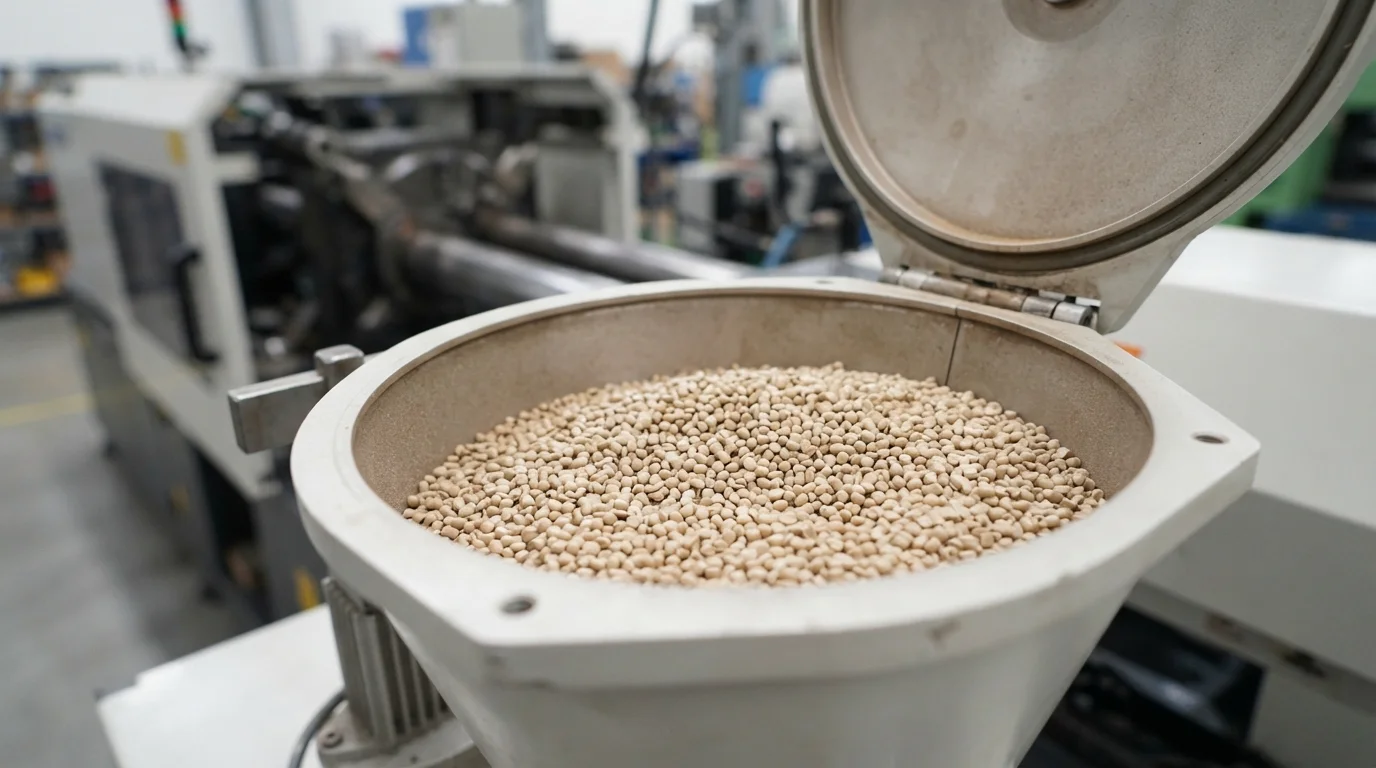
Sourcing early technical reviews allows engineering groups to identify high-wear zones before cutting raw metal billets. Tooling specialists evaluate fiber alignment behaviors, runner geometries, and gate sizes using advanced mold flow diagnostic software. Sourcing hybrid core inserts preserves overall tool life while maintaining the fast thermal cooling benefits of high-conductivity aluminum plates. Let’s look at how you can successfully execute injection molding glass filled nylon in aluminum molds without causing catastrophic tool failure.
Table of Contents
1. Glass Fiber Abrasiveness and Aluminum Gate Erosion Mechanics
2. Hybrid Mold Configurations: Inserting Hard Steel into Soft Aluminum
3. Protective Surface Coatings and Mold Temperature Processing Rules
Glass Fiber Abrasiveness and Aluminum Gate Erosion Mechanics
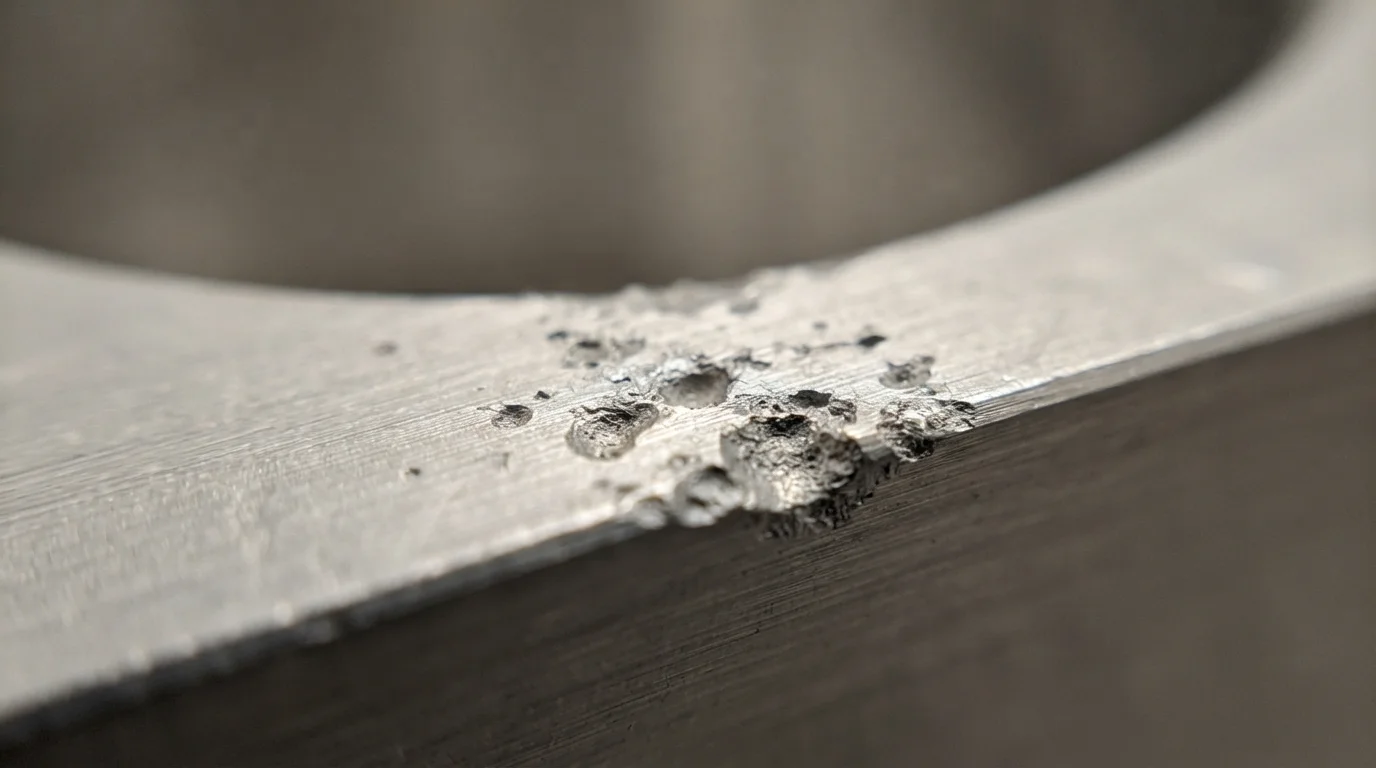
Question: Why do glass fibers erode aluminum molds so rapidly? High-velocity molten resin forces razor-sharp, chopped glass fibers against soft aluminum cavity walls, sandblasting away the metal surface within hundreds of cycles.
Sourcing functional Prototype Service components molded from glass-reinforced resins provides authentic mechanical strength, but raw aluminum cavities deteriorate quickly under high injection velocities. Chopped glass fibers act like microscopic abrasive particles, scouring the gate entrances and high-pressure impingement walls with every shot. Unprotected aluminum gates enlarge within 100 to 500 cycles, causing dimensional drift, parting line flashing, and cosmetic surface roughness. Selecting raw mold metals wisely protects your developmental budget from material premium markups.
Viscosity increases significantly when nylon resin is loaded with thirty percent glass fibers, requiring elevated injection pressures to pack out core cavities fully. High barrel temperatures reaching 280°C to 300°C reduce polymer viscosity but increase thermal stress on soft core pins. Slicing complex CAD files precisely allows experienced toolmakers to analyze parting lines, draft angles, and wall thicknesses using advanced mold flow simulation software. Sourcing your copies from a partner with extensive in-house capabilities ensures you receive honest, cost-saving advice for your specific hardware program.
Hybrid Mold Configurations: Inserting Hard Steel into Soft Aluminum
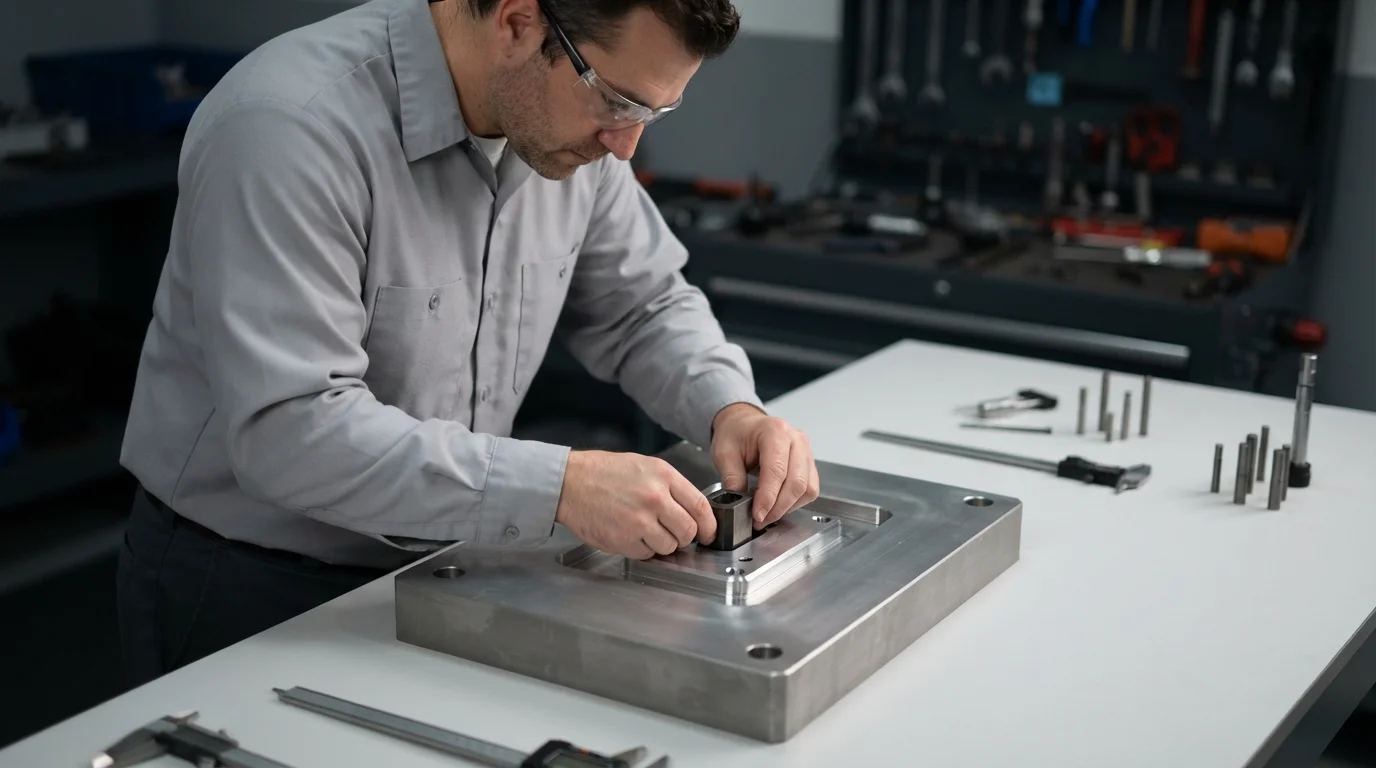
Question: What is a hybrid aluminum-steel mold? Hybrid molds utilize a lightweight AL7075 aluminum mold plate for fast cooling, paired with localized H13 or P20 hardened steel inserts at high-wear gate entrances.
Constructing hybrid mold structures represents the ultimate engineering solution for injection molding glass filled nylon in aluminum molds safely. Toolmakers machine the primary core and cavity plates from high-conductivity AL7075-T6 Aluminum, maintaining rapid heat dissipation across large part surface areas. High-wear zones—including sprue bushings, runners, and gate cutouts—are equipped with replaceable pre-hardened P20 or heat-treated Tool Steel inserts. Sourcing these hybrid core configurations protects gate dimensions while preserving seventy percent of aluminum’s weight and speed advantages.
Selecting appropriate mold core inserts involves balancing raw physical properties with overall tooling expenditures. This technical comparison table highlights baseline wear behaviors across different mold configurations when processing glass-filled polyamides:
| Tooling Configuration | Gate Wear Resistance | Estimated Shot Life (PA66-GF30) | Primary Manufacturing Advantage |
|---|---|---|---|
| Uncoated AL7075 Aluminum | Low (Erodes within 500 shots) | 500 to 2,000 cycles | Lowest CapEx, fast multi-axis CNC milling |
| Hard Anodized Aluminum | Medium (Resists light fibers) | 2,000 to 5,000 cycles | Surface hardness increased to 60 HRC cheaply |
| Hybrid (Steel Gate Inserts) | High (Steel gate handles erosion) | 10,000 to 50,000 cycles | Maximum longevity, rapid thermal dissipation |
Protective Surface Coatings and Mold Temperature Processing Rules
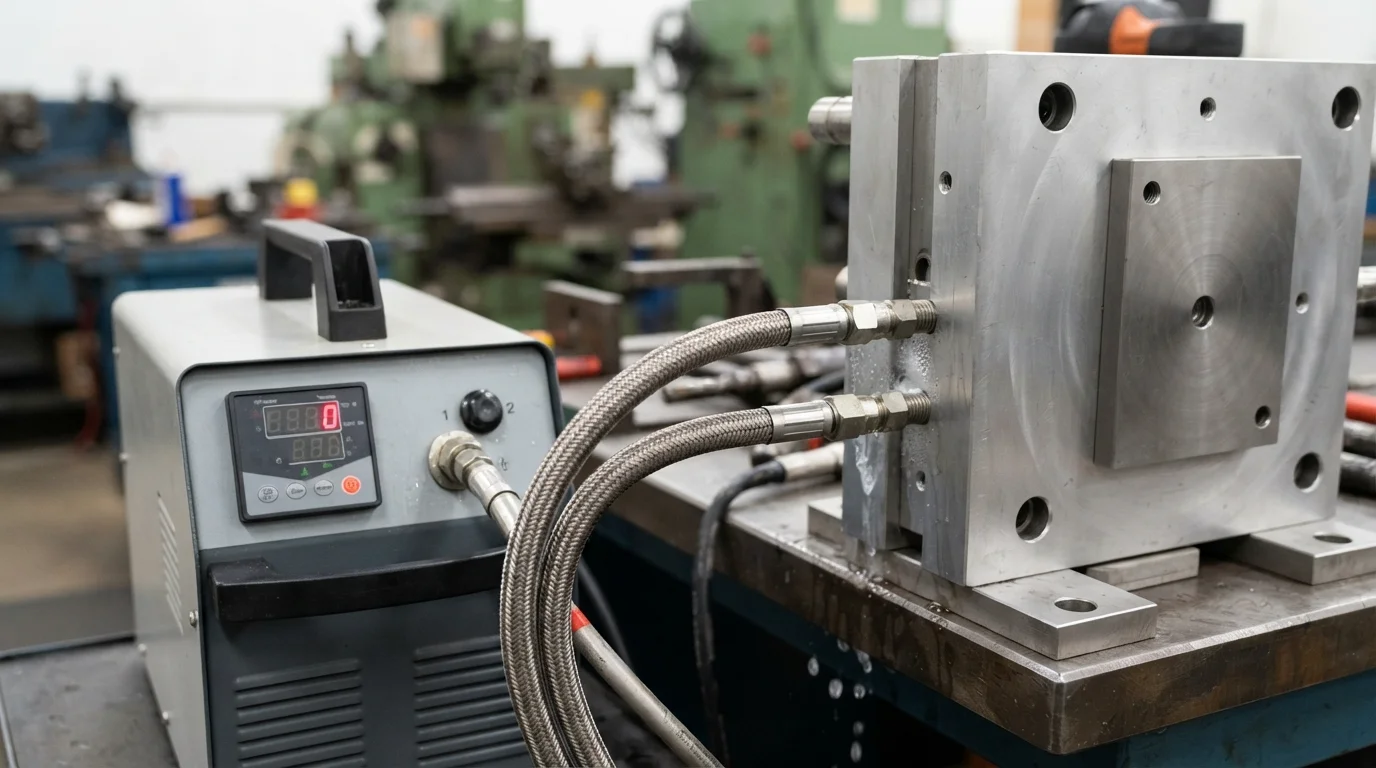
Question: How do surface coatings protect aluminum mold cavities? Type III hard anodizing or electroless nickel plating deposits a micro-thin, hardened layer that raises aluminum surface hardness to over 60 HRC.
Applying chemical surface treatments represents another effective method to extend the physical lifespan of aluminum cavities when running abrasive compounds. Type III hard anodizing converts raw surface aluminum into a dense aluminum oxide ceramic layer, dramatically increasing scratch and wear resistance. Sourcing functional parts molded from glass-reinforced Nylon (PA) provides authentic material behavior under dynamic loading. Sourcing a dedicated Rapid Tooling Service using hard-coated aluminum cores delivers genuine injection-molded components from production-grade resins within weeks.
Jucheng Precision supports mechatronics groups by delivering highly optimized, cost-saving fabrication options that protect development budgets from unnecessary expenses. Sourcing our expert 24-hour free DFM reviews helps product groups optimize gate placements, parting lines, and draft profiles before cutting metal. Utilizing high-speed CNC Machining Service centers allows our toolmakers to machine precise pocket geometries for steel gate inserts cleanly. Sourcing high-quality prototypes ensures your designs are built to withstand severe dynamic forces safely.
Partnering with a certified Injection Molding Service specialist ensures your finished hardware matches the premium software experience. Sourcing your quotes manually ensures experienced engineers analyze your 3D STEP files to find additional ways of optimizing your injection molding glass filled nylon in aluminum molds runs. Sourcing customized aluminum tooling setups provides superior thermal equilibrium across thin and thick features. Custom components undergo rigorous coordinate metrology checks to confirm exact dimensional compliance.
Frequently Asked Questions (FAQ)
Why does glass fiber content increase mold wear during injection?
Glass fiber content ranges from fifteen to fifty percent by weight, dramatically increasing tensile strength and heat deflection temperatures while making the melt highly abrasive. Sourcing early DFM reviews simplifies runner system routing, preventing localized fiber degradation during high-shear injection.
Why are high mold temperatures necessary when molding glass-filled Polyamides?
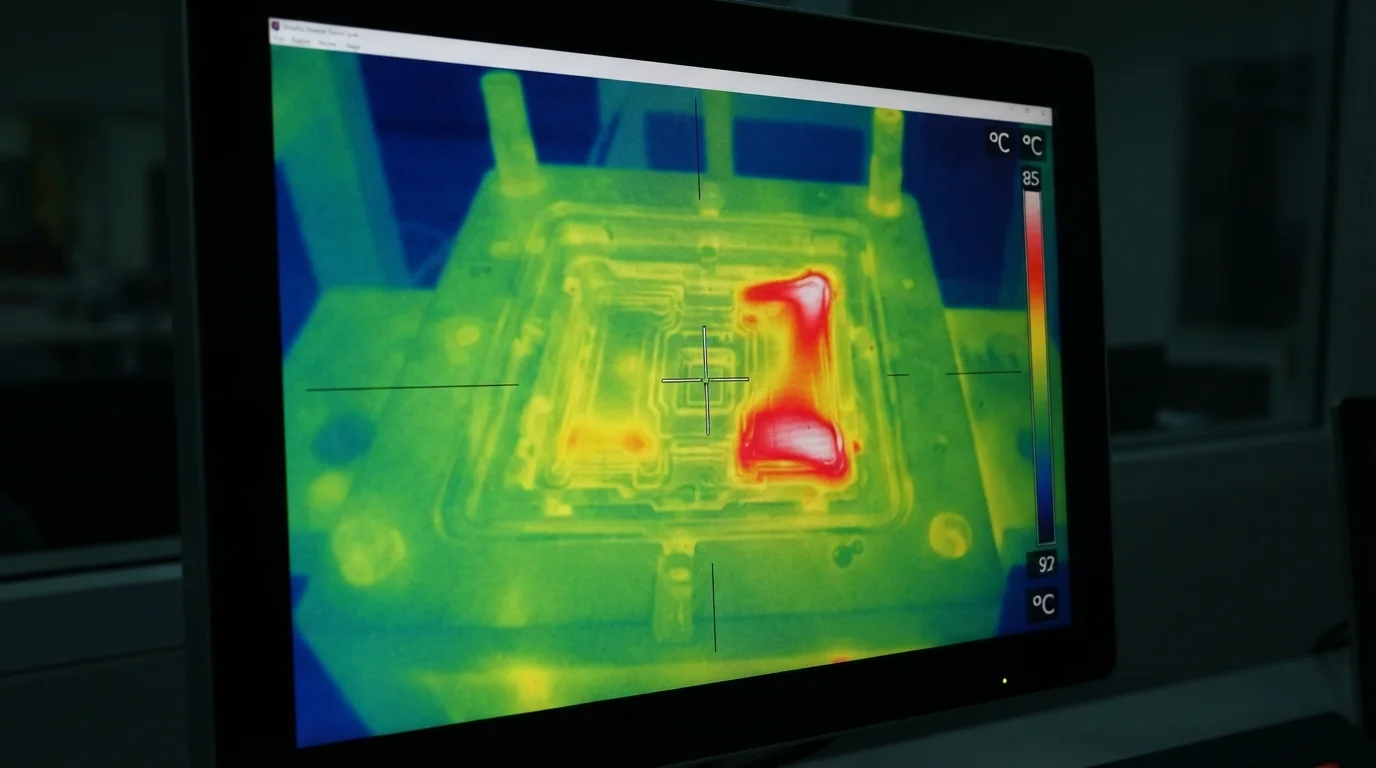
Maintaining mold temperatures between 80°C and 90°C ensures molten resin creates a smooth polymer skin against cavity walls, burying glass fibers beneath the surface. Lower mold temperatures cause fibers to freeze against the metal wall, creating visible splay marks and rough surface textures.
How many shots can an aluminum mold sustain when running 30% glass-filled Nylon?
Unhardened aluminum gates can enlarge or pit within 500 to 1,000 shots when injecting 30% glass-filled nylon without protective steel inserts. Installing hardened H13 steel gate blocks extends total mold longevity past 20,000 cycles while preserving aluminum’s fast thermal dissipation.

