


Automotive Sheet Metal Fabrication: Laser Cutting and Welding
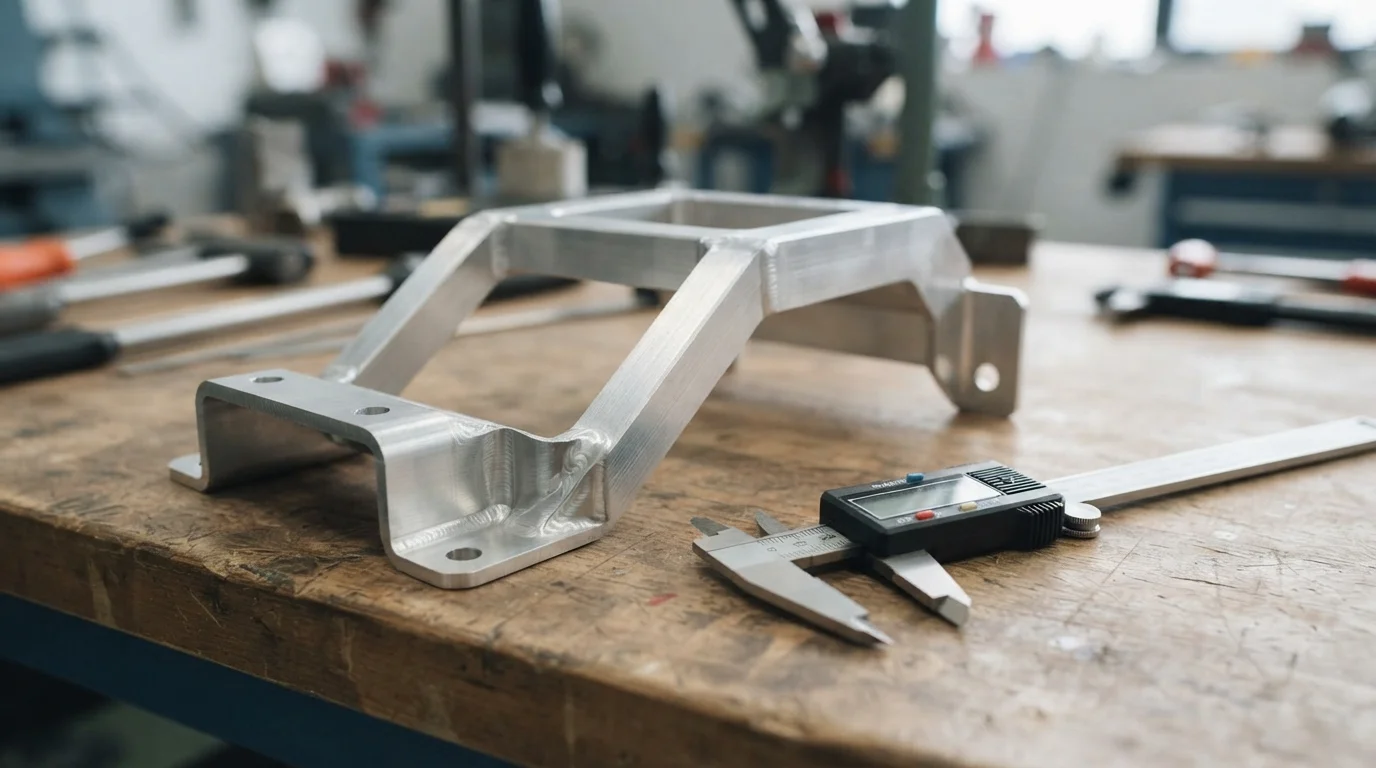
Designing structural vehicle frames and electric vehicle battery enclosures demands high-strength lightweight alloys capable of absorbing crash impacts while sealing out moisture. When tier-one automotive suppliers engineer structural vehicle architecture, executing precise automotive sheet metal fabrication becomes essential. Without advanced laser cutting and programmable CNC press brakes, shaping high-strength steel and structural aluminum plates into complex geometric assemblies remains impossible.
Utilizing an experienced rapid prototyping partner ensures that structural metal components transition smoothly from digital 3D models into rigorous physical testing phases. Let us examine the fabrication techniques and robotic welding protocols that drive modern lightweight vehicle manufacturing.
Module 1 – Definition and Working Principles of Metal Bending and Cutting
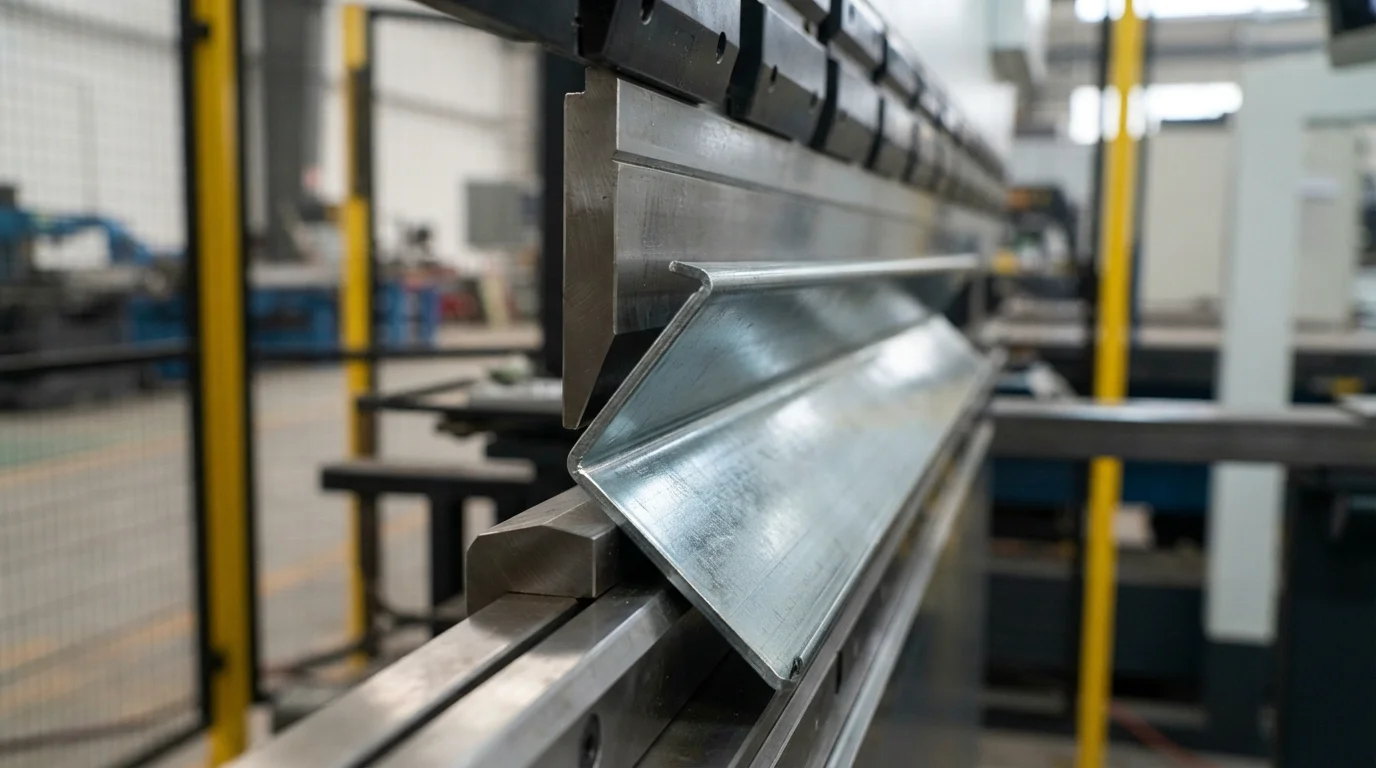
Sheet metal fabrication is a subtractive and formative manufacturing method that converts flat metallic stock into rigid structural components through laser profiling, multi-axis bending, and gas-tight welding. The working principle relies on high-energy fiber lasers slicing precise contours based on CAD files, followed by CNC press brakes applying controlled tonnage to deform metal along programmed bend lines. While heavy-block components are often formed via CNC machining, thin-to-medium plate structures rely entirely on efficient sheet metal techniques.
To execute structured metal fabrication workflows on structural alloy sheets, technicians could follow these practical steps:
- Flat Pattern Unfolding: Convert 3D CAD assemblies into flat 2D DXF profiles, accounting for material bend allowance and springback factors.
- Fiber Laser Profiling: Slices high-strength steel or structural aluminum sheets cleanly with minimal thermal distortion zones.
- CNC Press Brake Forming: Apply multi-axis punch and die pressure sequentially to achieve exact angular tolerances.
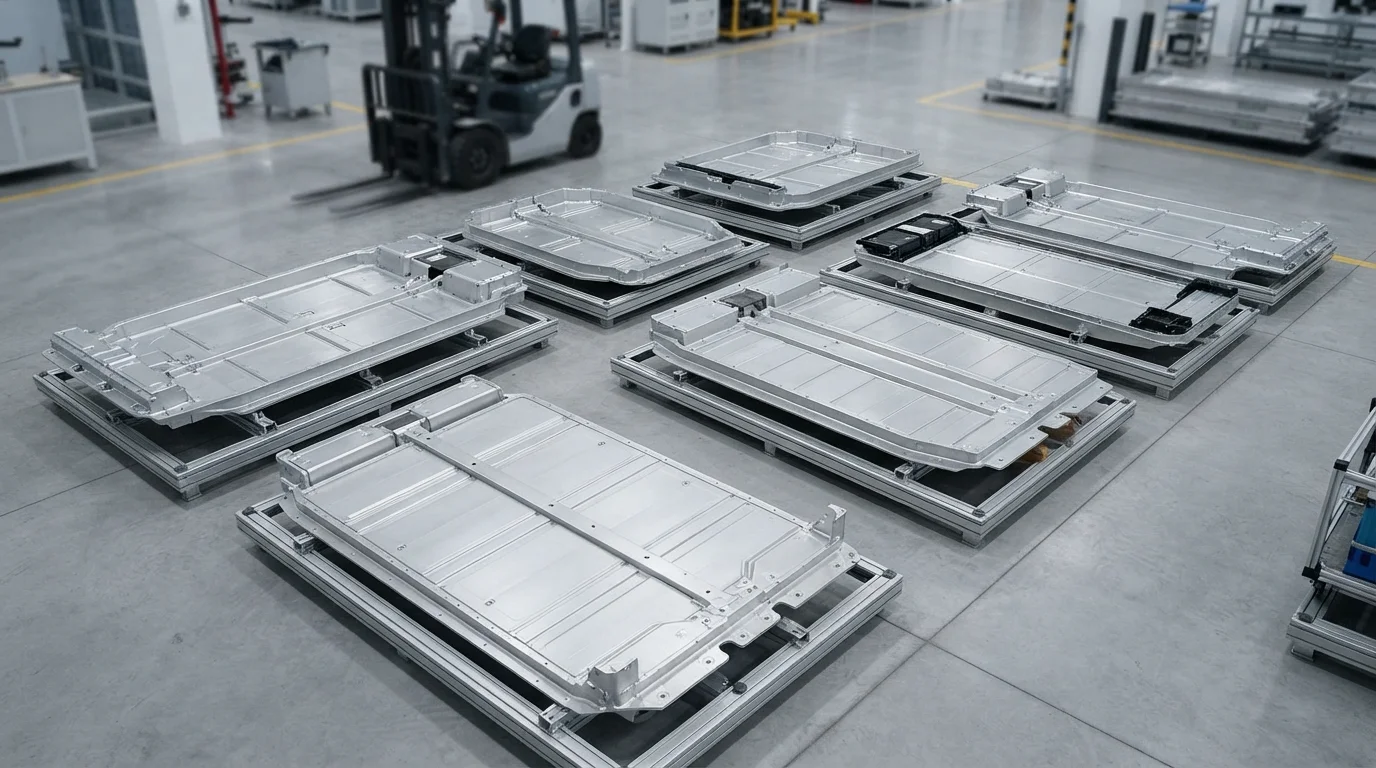
Precision metal forming is vital across electric vehicle powertrain architectures, structural crash management, and battery protection systems where weight reduction dictates driving range. When engineering teams build protective battery housings, deploying specialized automotive sheet metal assemblies solves critical thermal and structural challenges. Feedback from professional prototyping groups on Reddit and Facebook indicates that robotic welding is mandatory for leak-proof battery trays.
Primary application sectors include:
- EV Battery Systems: Fabricating lightweight aluminum battery trays, protective enclosures, and integrated liquid cooling plates.
- Structural Safety: Constructing front and rear bumper crash beams and subframe reinforcement brackets.
- Chassis Enclosures: Assembling sealed electronic control unit boxes that withstand road debris and moisture.
Module 3 – Key Selection Factors for Project Success
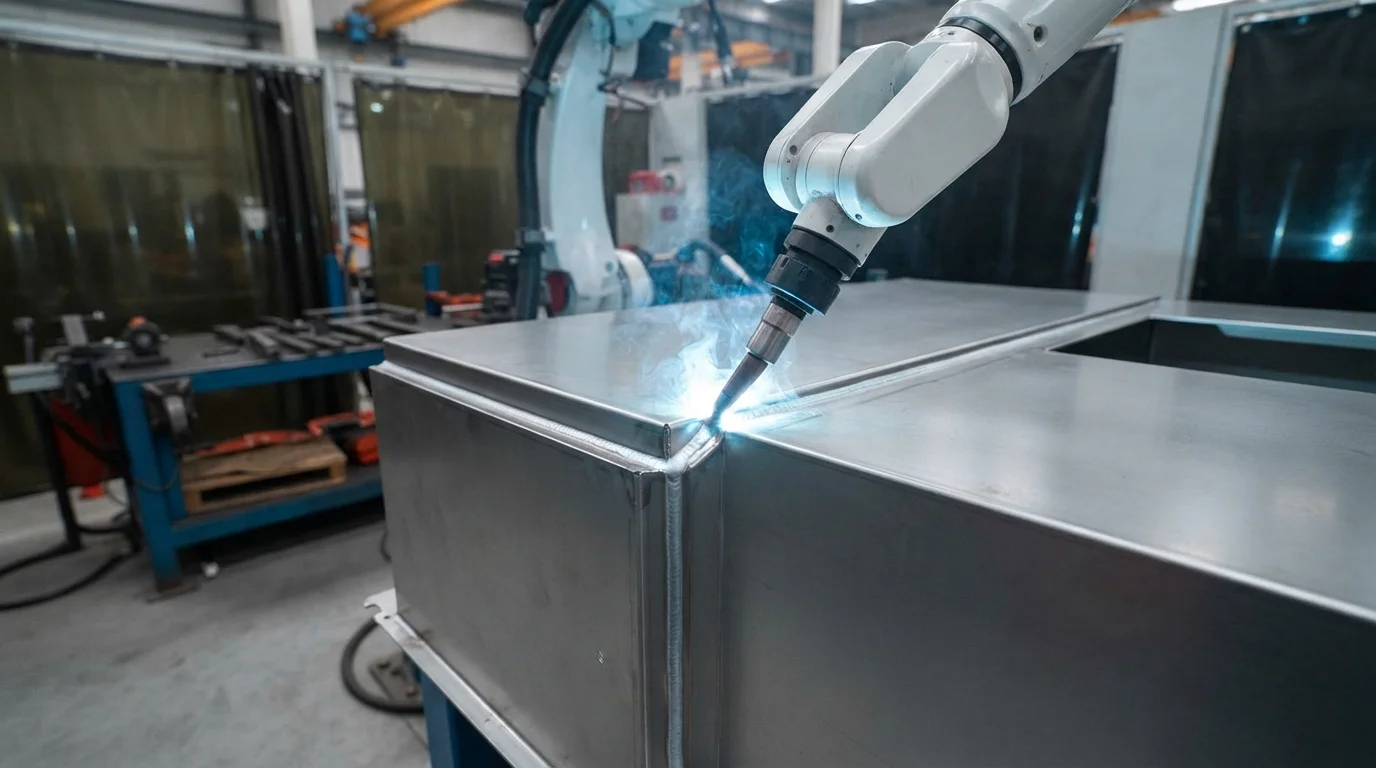
When specifying metal assemblies for vehicle testing, engineering teams must weigh raw alloy formability, structural welding certification, and gas-tight testing standards. Evaluating these core parameters ensures your parts survive brutal road trials.
| Structural Application | Recommended Metal Alloy | Primary Performance Benefit |
|---|---|---|
| EV Battery Trays | Structural Aluminum Alloys | Massive weight reduction and corrosion resistance |
| Crash Beams | High-Strength Boron/Galvanized Steel | Superior impact energy absorption during collisions |
| Subframe Brackets | Heavy-Gauge Carbon Steel | Exceptional torsional stiffness under load |
Module 4 – Installation and Maintenance Tips
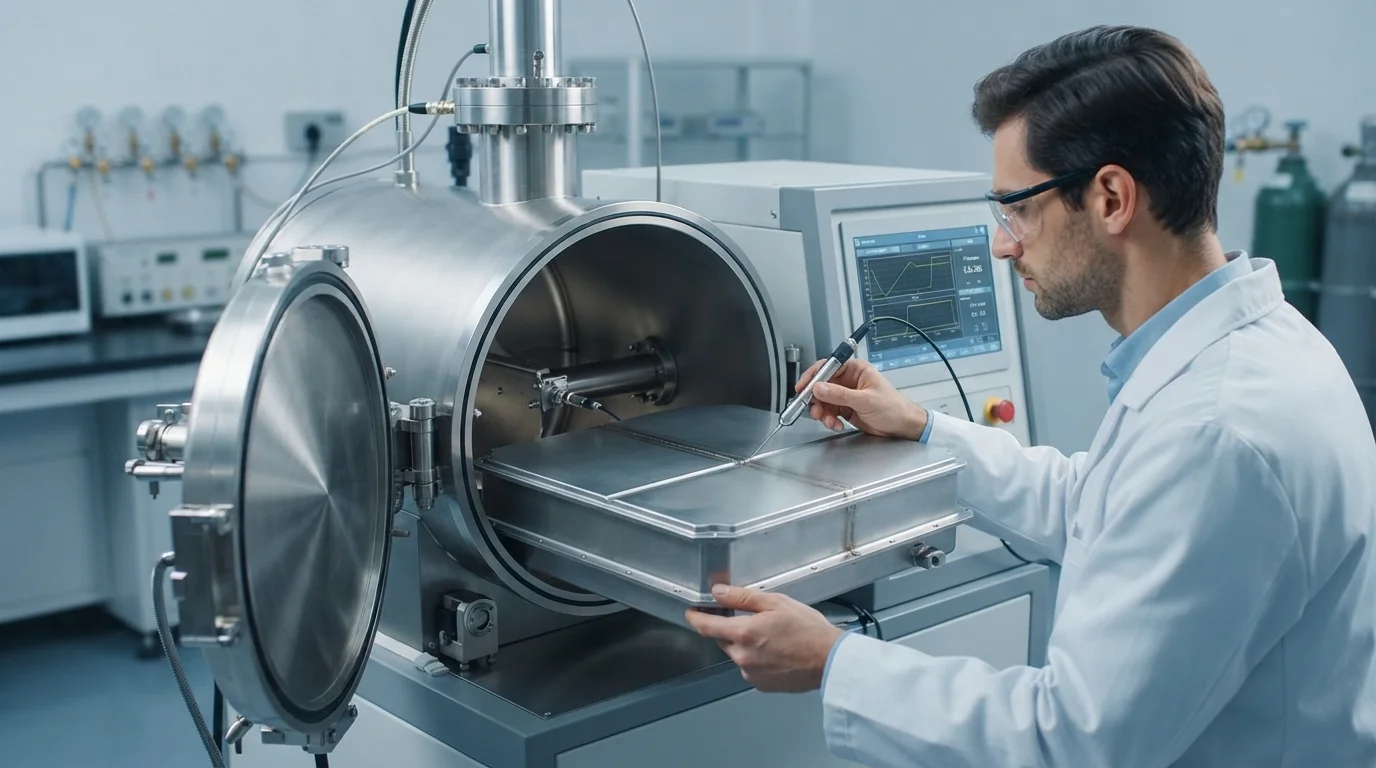
Proper shop-floor handling and routine weld inspection safeguard structural metal assemblies across active vehicle prototype testing stages. Protecting welded seams from mechanical over-stress ensures long-term operational alignment.
Key installation and maintenance tips include:
- Weld Seam Auditing: Inspect robotic fusion joints periodically under magnification to detect micro-cracking under stress.
- Corrosion Protection: Apply post-fabrication anti-corrosion primers or powder coats to shield exposed steel edges.
- Handling Fixtures: Use dedicated padded lifting frames to transport large battery trays without structural bending.
Module 5 – Frequently Asked Questions (FAQ)
1. Can you handle IP67 waterproof welding for EV battery trays?
Yes, we utilize automated robotic welding lines and rigorous helium gas-tight testing equipment to guarantee complete IP67/IP68 waterproof enclosure seals.
2. What metals are most commonly used in automotive structural fabrication?
High-strength steels and structural aluminum alloys are most common due to their optimal balance of crash energy absorption and weight reduction.
3. How does laser cutting improve sheet metal dimensional accuracy?
Fiber lasers produce extremely narrow kerf widths and minimal thermal distortion zones, ensuring ultra-tight profile tolerances.
4. Are robotic welds stronger than manual arc welding?
Robotic welding delivers superior bead consistency, penetration depth, and repeatability compared to manual human operations.
5. Can complex 3D metal enclosures be formed from flat plates?
Yes, advanced laser cutting, multi-axis press brake bending, and precision welding allow intricate 3D box structures to be built from flat sheets.
6. How does Jucheng Precision verify weld integrity on structural parts?
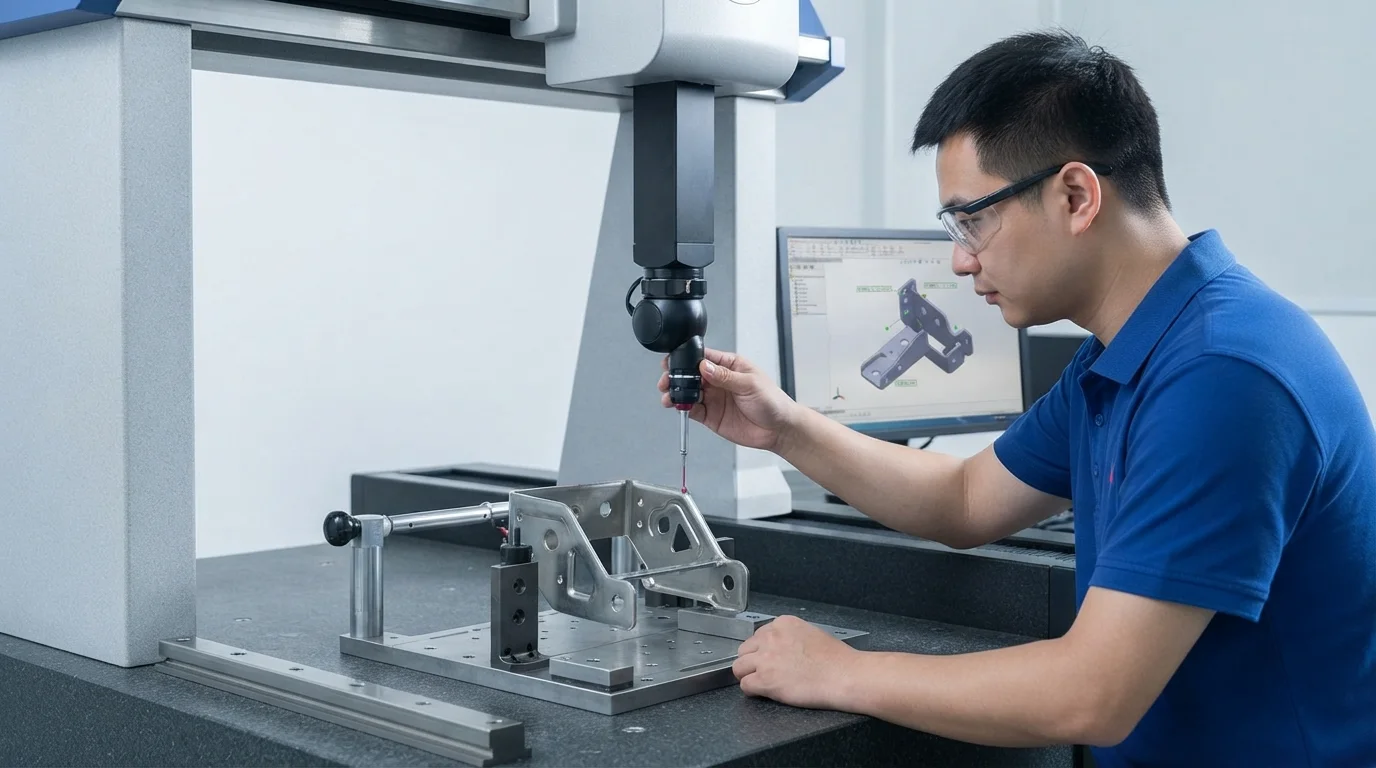
Jucheng Precision employs automated pressure testing, helium leak detection, and CMM metrology inspection under strict IATF 16949 quality controls.
Module 6 – Why Choose JUCHENG for Your Project
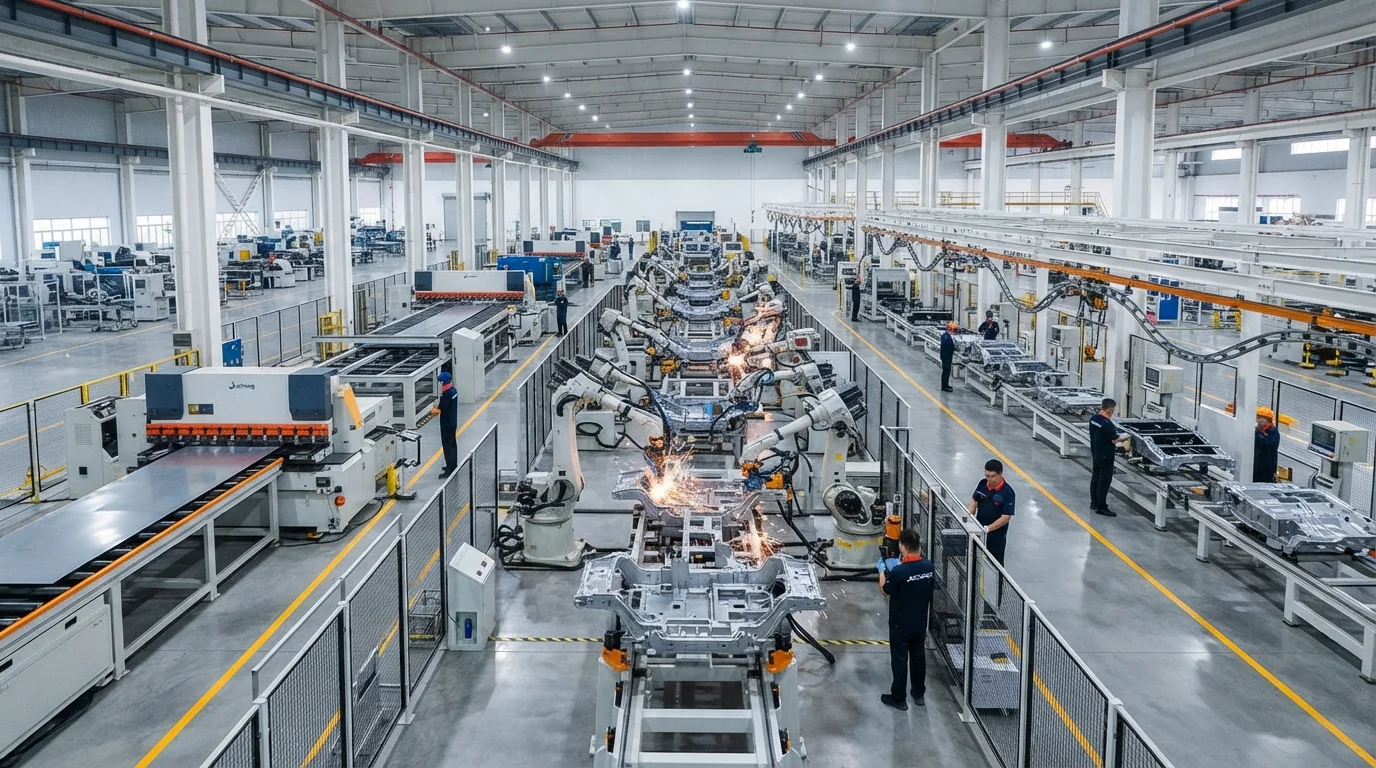
Achieving uncompromising structural reliability requires an experienced manufacturing partner. JUCHENG supports hardware innovators by delivering comprehensive 24-hour free DFM reviews that analyze bend allowances, weld paths, and material thicknesses prior to production. Founded in Shenzhen in 2012 with an 8,000-square-meter facility in Dongguan, our factory houses 150+ advanced machines, including specialized fiber lasers and robotic welding bays.
Backed by ISO 9001, ISO 14001, ISO 13485, and IATF 16949 certifications, our engineering teams ensure that executing high-performance automotive sheet metal assemblies achieves leak-proof integrity and absolute batch consistency.
Ready to Fabricate Your Critical Automotive Metal Assemblies?
Upload your 3D models today to receive instant feedback, competitive pricing, and professional DFM analysis from our seasoned engineering experts. Let JUCHENG bring your complex designs to life with unmatched speed and reliability!

