


Laser Etching and Engraving on Rapid Injection Molded Parts
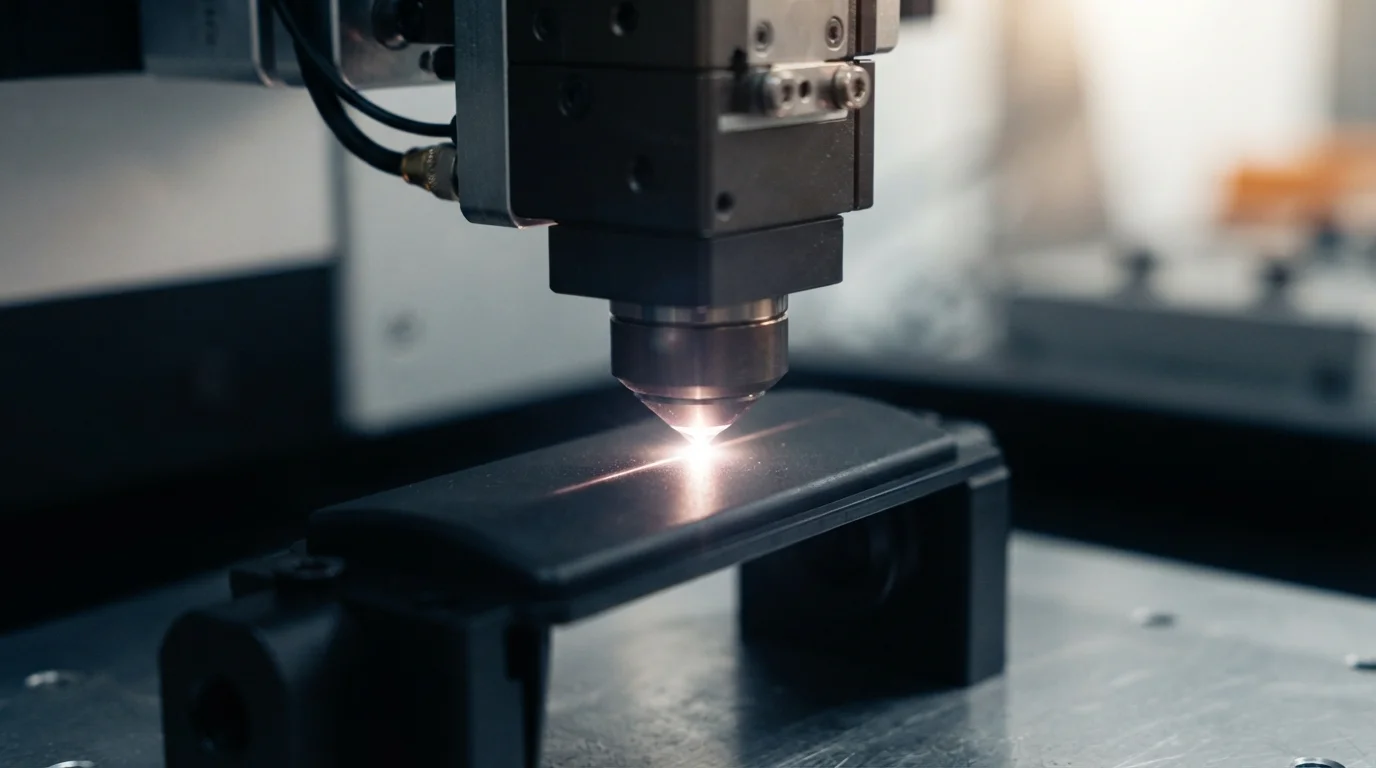
Permanent product identification, serial tracking, and regulatory compliance demand non-fading graphic execution on finished hardware. When engineering teams finalize functional prototypes, applying laser etching and engraving on rapid injection molded parts ensures serial numbers and barcodes remain legible across extreme operational lifetimes. Unlike traditional ink stamping that rubs off over time, thermal light interaction alters the plastic substrate itself.
Utilizing an experienced rapid tooling provider guarantees that post-molded graphic placement is accounted for during initial injection molding layouts. Let us explore the specialized fiber optics and carbonization physics that make precision laser marking possible.
Module 1 – Definition and Working Principles of Fiber Laser Marking
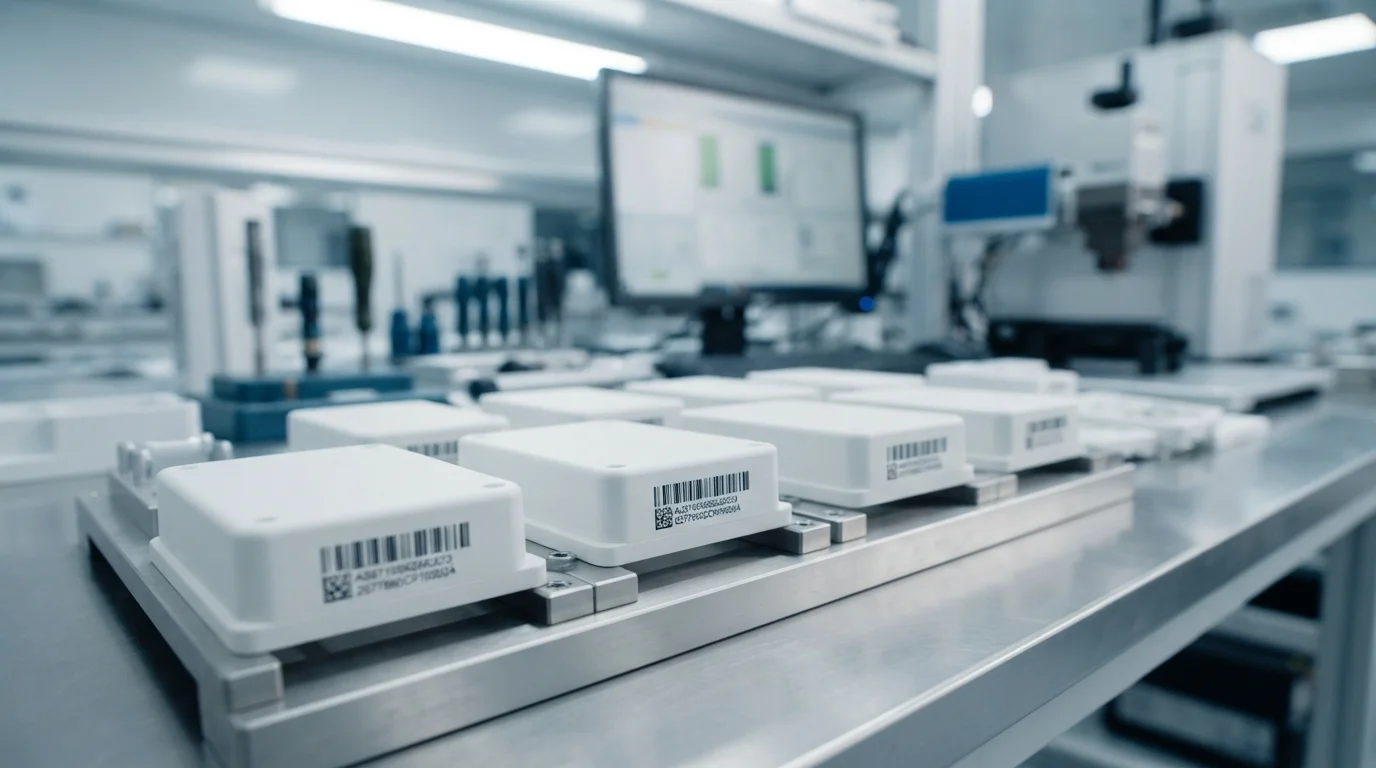
Laser etching and engraving is a non-contact digital marking technique that directs concentrated light energy onto a polymer surface. The working principle relies on thermal reactions—such as foaming, carbonization, or material vaporization—which create high-contrast graphical marks without physical cutting tools. While primary structures can be formed via CNC machining, digital laser systems burn permanent vector data directly into finished polymer skins.
To execute structured laser marking workflows, programming technicians could follow these practical steps:
- Vector File Integration:: Import clean CAD or DXF graphics containing serial numbers, logos, or UDI data matrix codes into the laser controller.
- Focus Calibration: Adjust the focal length of the fiber optic lens precisely against the targeted 3D contour of the molded housing.
- Parameter Optimization: Tune pulse frequency, power output, and travel speed to achieve optimal contrast without burning deep holes.
Module 2 – Core Application Scenarios
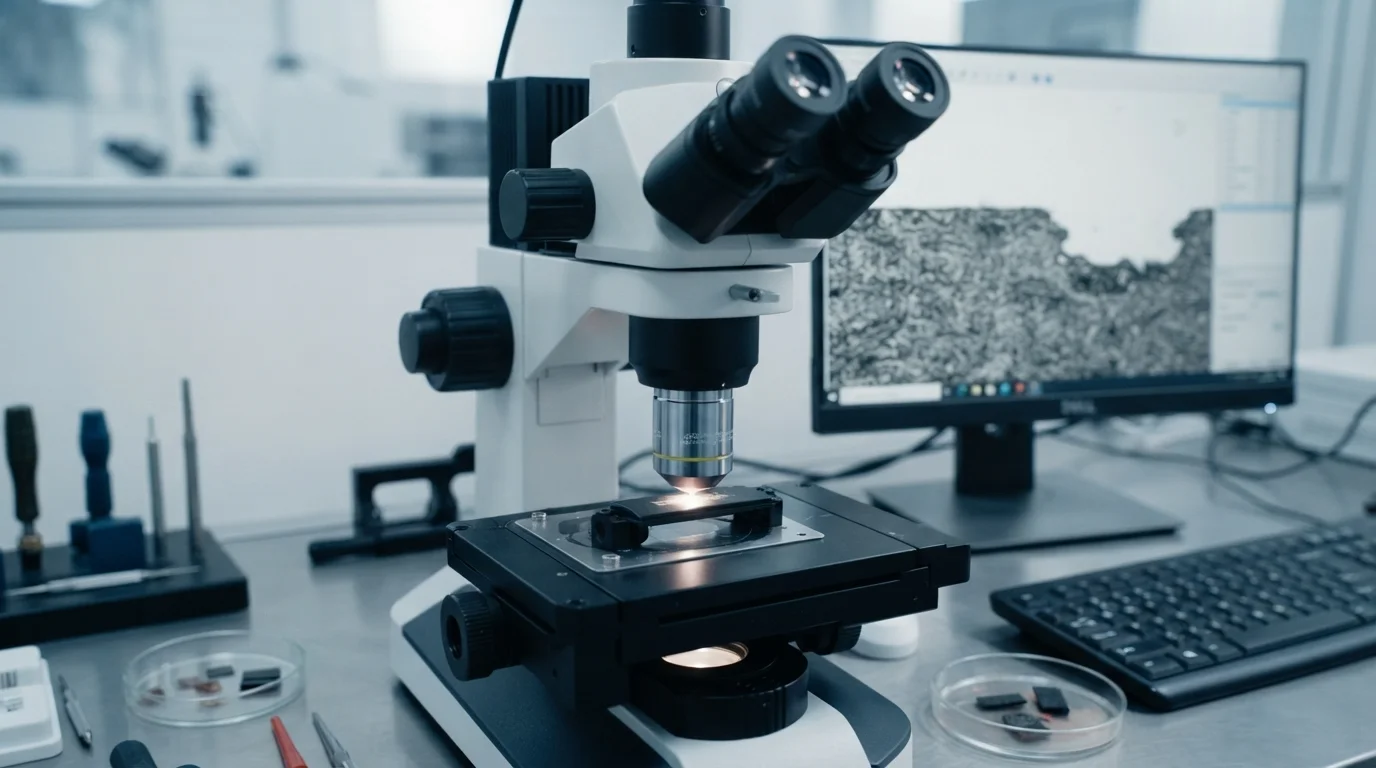
Digital laser marking is essential across regulated medical device tracks, aerospace component labeling, and automotive electronics where permanent traceability dictates safety standards. When engineers require tamper-proof device tracking, specifying laser etching and engraving on rapid injection molded parts satisfies strict UDI compliance mandates. Feedback from professional prototyping groups on Reddit and Facebook indicates that fiber lasers outperform traditional pad printing in every durability metric.
Primary application sectors include:
- Medical Devices: Imprinting permanent Unique Device Identification (UDI) matrix codes and serial numbers onto surgical tool housings.
- Automotive Electronics: Marking backlit dashboard switch icons and safety warning labels onto dark engineering plastics.
- Consumer Electronics: Etching brand logos and regulatory certification symbols onto portable electronic device shells.
Module 3 – Key Selection Factors for Project Success
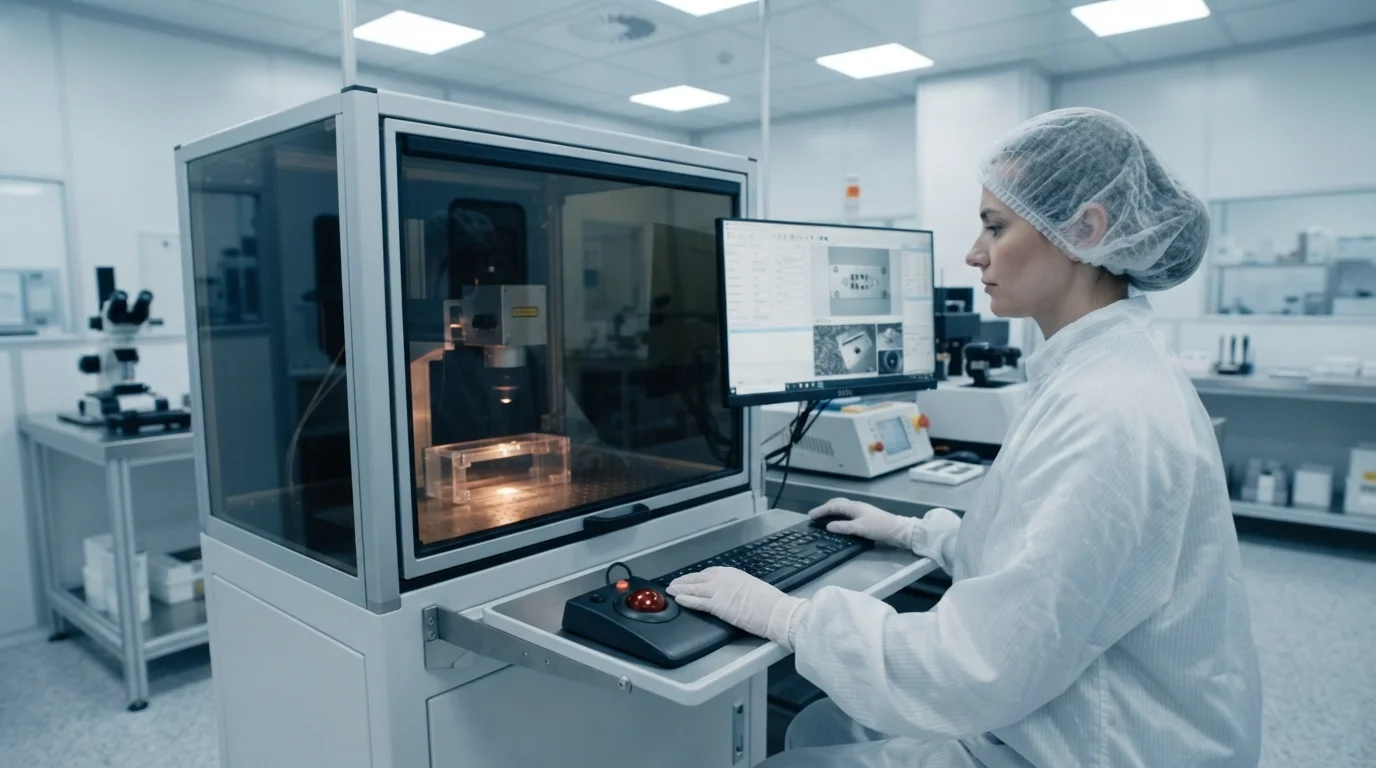
When specifying digital laser processing for rapid molded items, engineering teams must weigh contrast visibility against cycle speed and substrate thermal sensitivity. Evaluating these core parameters ensures your markings remain scannable.
| Marking Method | Execution Mechanism | Primary Functional Benefit |
|---|---|---|
| Laser Foaming | Thermal expansion creates raised bubbles | Produces high-contrast bright marks on dark plastics |
| Laser Carbonization | Heat darkens polymer beneath surface | Creates sharp dark markings on light-colored resins |
| Traditional Pad Printing | Silicone pads stamp wet inks | Adds multi-color graphics but wears off over time |
Module 4 – Installation and Maintenance Tips
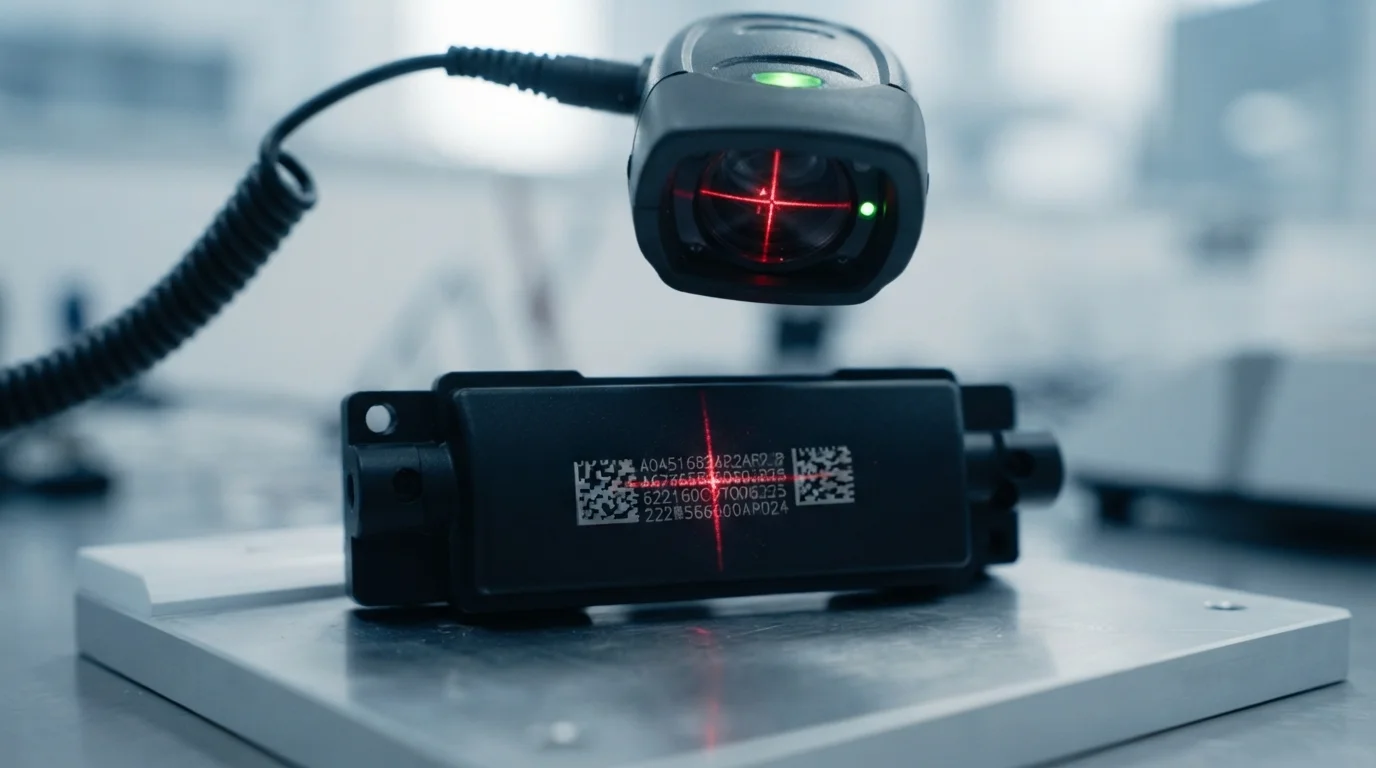
Proper handling during laser calibration and routine optical cleaning safeguard marking clarity across active production batches. Protecting laser lenses from polymer vapor smoke ensures uninterrupted beam concentration.
Key installation and maintenance tips include:
- Focal Distance Calibration: Verify software z-axis settings regularly to maintain sharp, unblurred laser beam focus.
- Optical Lens Cleaning: Wipe protective laser glass lenses using approved solvent tissues to prevent smoke residue accumulation.
- Exhaust Ventilation: Operate dedicated fume extraction units during marking to clear vaporized plastic particles safely.
Module 5 – Frequently Asked Questions (FAQ)
1. Why is laser marking preferred over pad printing for rapid molded parts?
Laser marking alters the plastic substrate chemically, providing permanent, wear-resistant identification that never rubs off, whereas ink stamps degrade over time.
2. Can laser etching create high-contrast marks on dark engineering plastics?
Yes, by tuning laser frequency and power to induce controlled surface foaming, technicians generate bright, high-contrast white marks on dark polymer housings.
3. Are laser-engraved UDI codes scannable on medical equipment housings?
Yes, fiber lasers produce sharp, high-resolution data matrix codes that optical scanners read instantly for medical regulatory compliance.
4. Does laser engraving damage the structural integrity of plastic parts?
When properly calibrated, laser marking only affects the top micrometer layer of the polymer, leaving overall structural strength completely uncompromised.
5. How quickly can serial numbers be updated during laser production runs?
Digital vector software allows sequential serial numbers and barcodes to update instantly between consecutive parts without mechanical tooling changes.
6. How does Jucheng Precision execute precision laser marking services?
Jucheng Precision provides advanced fiber laser etching and engraving, ensuring permanent traceability and crisp branding under strict ISO quality controls.
Module 6 – Why Choose JUCHENG for Your Project
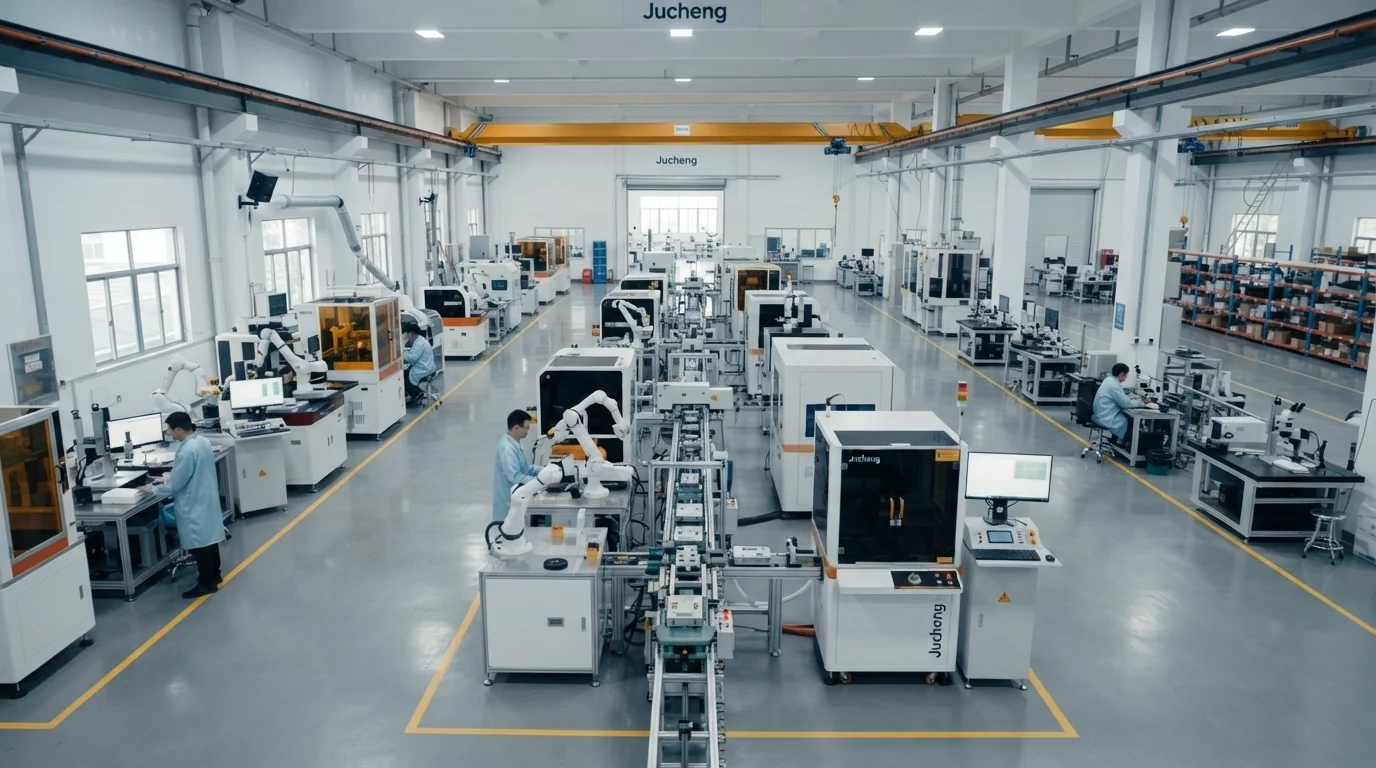
Achieving permanent product traceability requires an experienced manufacturing partner. JUCHENG supports hardware innovators by delivering comprehensive 24-hour free DFM reviews that analyze surface contours, text placement, and gate locations prior to tool cutting. Founded in Shenzhen in 2012 with an 8,000-square-meter facility in Dongguan, our factory houses 150+ advanced machines, including 25+ high-performance 5-axis Haas and Mazak milling centers.
Backed by ISO 9001, ISO 14001, ISO 13485, and IATF 16949 certifications, our engineering teams ensure that laser etching and engraving on rapid injection molded parts achieves absolute scannability and long-term durability.
Ready to Add Permanent Traceability to Your Rapid Molded Parts?
Upload your 3D models today to receive instant feedback, competitive pricing, and professional DFM analysis from our seasoned engineering experts. Let JUCHENG bring your complex designs to life with unmatched speed and reliability!

