


Commercializing a complex mechanical assembly requires navigating the challenging gap between initial prototype models and full-scale mass production. Hardware engineers frequently encounter severe financial bottlenecks when attempting to jump directly from 3D printed mockups to multi-cavity hardened steel presses. Introducing intermediate manufacturing solutions protects project schedules while satisfying initial market demand without committing excessive capital. Establishing this operational bridge ensures smooth scalability as your commercial footprint expands.
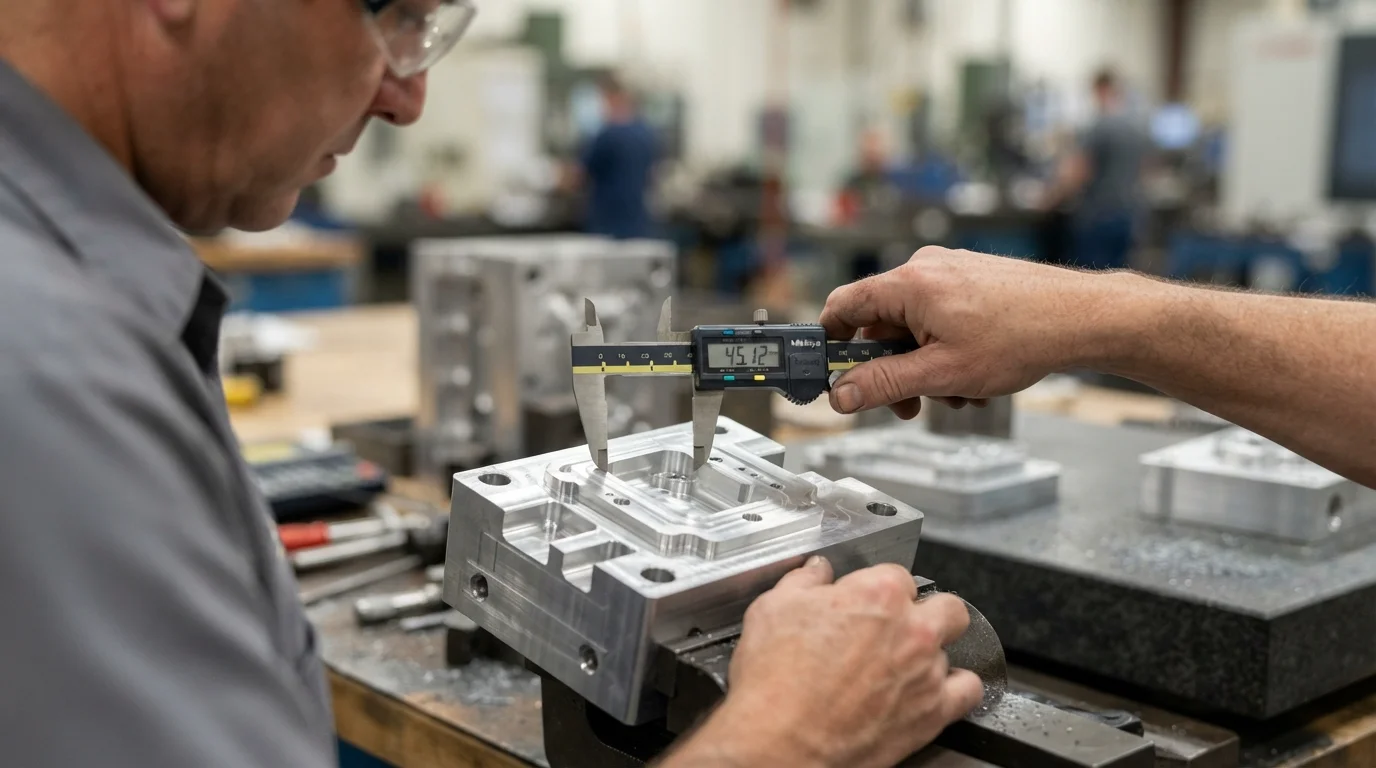
Selecting appropriate fabrication strategies involves balancing tooling longevity, cycle speeds, and total budget constraints. Intermediate manufacturing utilizes resilient soft metals to produce authentic production components in quantities ranging from hundreds to several thousand units. Partnering with an experienced contract manufacturer with robust global capabilities guarantees seamless transitions across every development phase. Let us analyze the distinct operational boundaries governing intermediate bridge tooling versus permanent production systems.
Table of Contents
1. Bridging the Gap Between Prototyping and Mass Manufacturing
2. Structural Differences in Tooling Materials and Lifespan
3. Scaling Production Safely with Integrated Manufacturing Partners
Bridging the Gap Between Prototyping and Mass Manufacturing
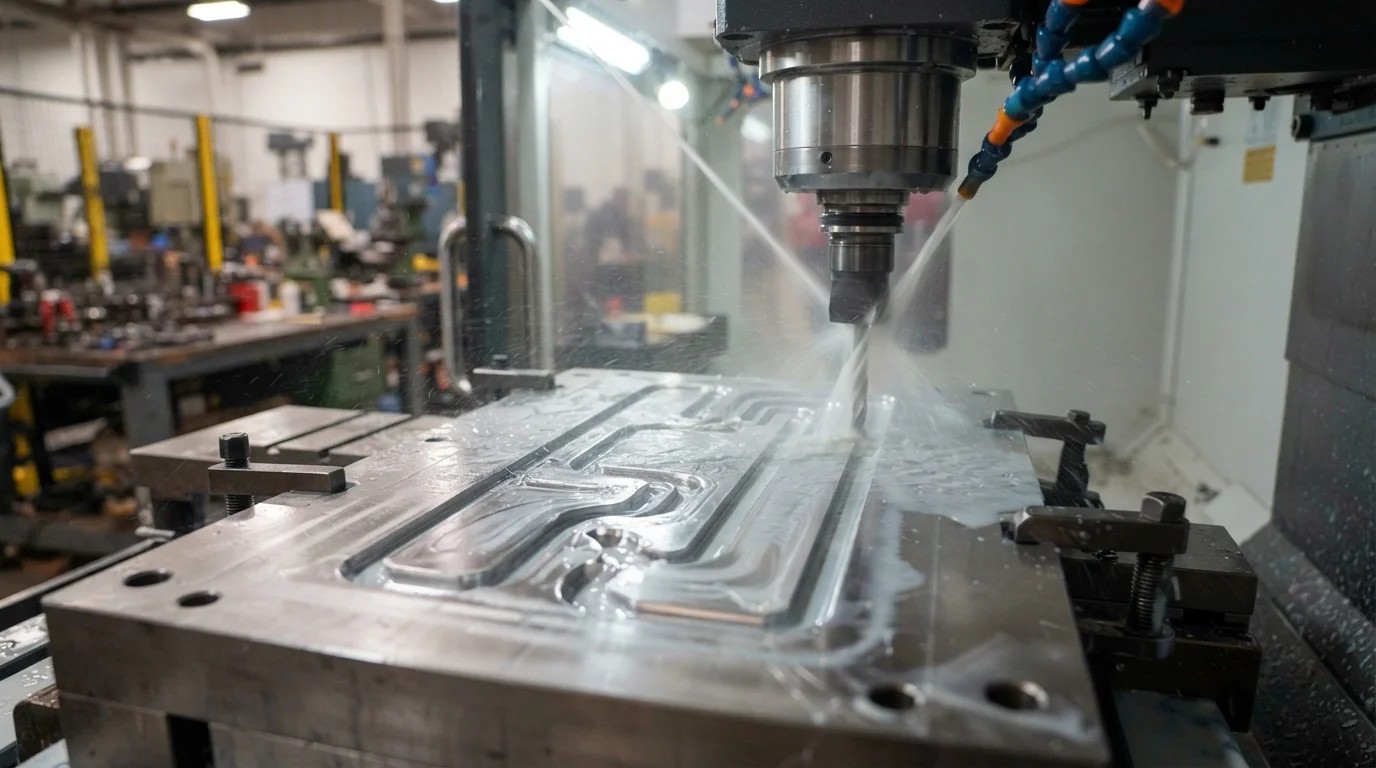
Question: What is the primary operational purpose of intermediate bridge tooling during product development? It provides real production-grade polymer components quickly to satisfy early market distribution while hard series molds are being constructed.
Evaluating bridge tooling vs production tooling mechanisms reveals how intermediate manufacturing absorbs schedule pressure during critical product launches. While hardened series molds require months of meticulous toolroom fabrication, intermediate bridge inserts can be machined in a fraction of that time. Sourcing a reliable Rapid Tooling Service allows development groups to secure functional test batches without enduring long lead times. Sourcing initial batches through a specialized CNC Machining Service ensures custom steel frames fit precision molding bases perfectly.
Managing the transition from early visual samples to market-ready hardware involves tracking key operational advantages:
- Immediate market entry—Deliver functional consumer devices to early adopters while permanent production lines are built
- Design agility—Modify soft cavity walls easily if field testing uncovers minor mechanical interference
- Capital preservation—Keep initial tooling investments low to maintain financial flexibility for scaling operations
Structural Differences in Tooling Materials and Lifespan
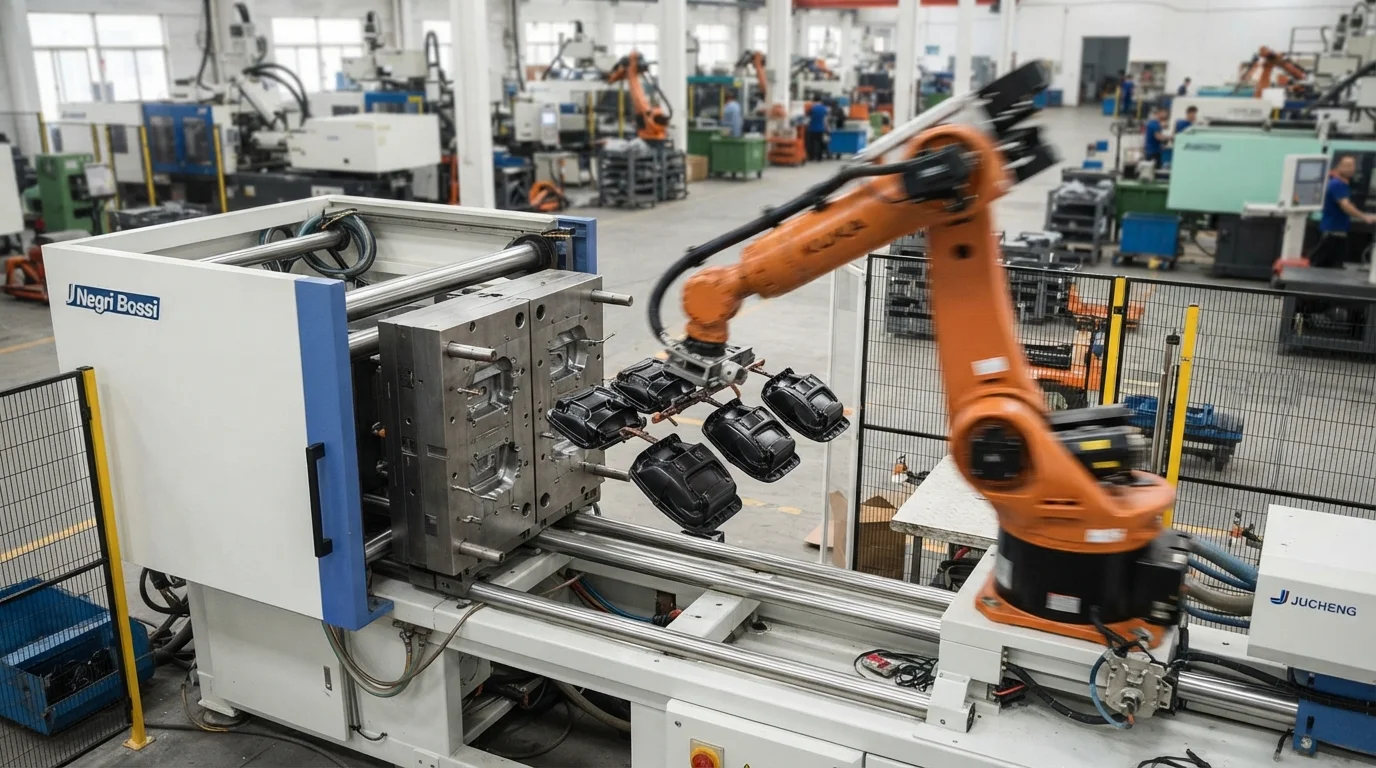
Question: How do material compositions differ between bridge molds and high-volume production molds? Bridge molds prioritize machining speed using aluminum or pre-hardened steels, whereas production molds utilize fully hardened tool steels for maximum durability.
Understanding material behaviors is essential when comparing durability, cycle speeds, and structural integrity across manufacturing tiers. Intermediate bridge molds typically employ aircraft-grade Aluminum or pre-hardened P20 steel plates, which machine rapidly and handle moderate production runs effortlessly. Conversely, permanent series production relies on vacuum-hardened Tool Steel like H13 to withstand millions of injection cycles. Sourcing an advanced Injection Molding Service ensures parts injected from engineering resins like ABS, Nylon (PA), or Polycarbonate (PC) meet stringent mechanical requirements.
Examining physical characteristics across different tooling categories highlights distinct operational capabilities:
| Parameter | Bridge Tooling | Production Tooling |
|---|---|---|
| Primary Metal | Aluminum or P20 steel | Hardened H13 or S7 tool steel |
| Expected Tool Life | Thousands of cycles | Millions of cycles |
| Lead Time to Sampling | 1 to 2 weeks | 4 to 8 weeks |
Scaling Production Safely with Integrated Manufacturing Partners
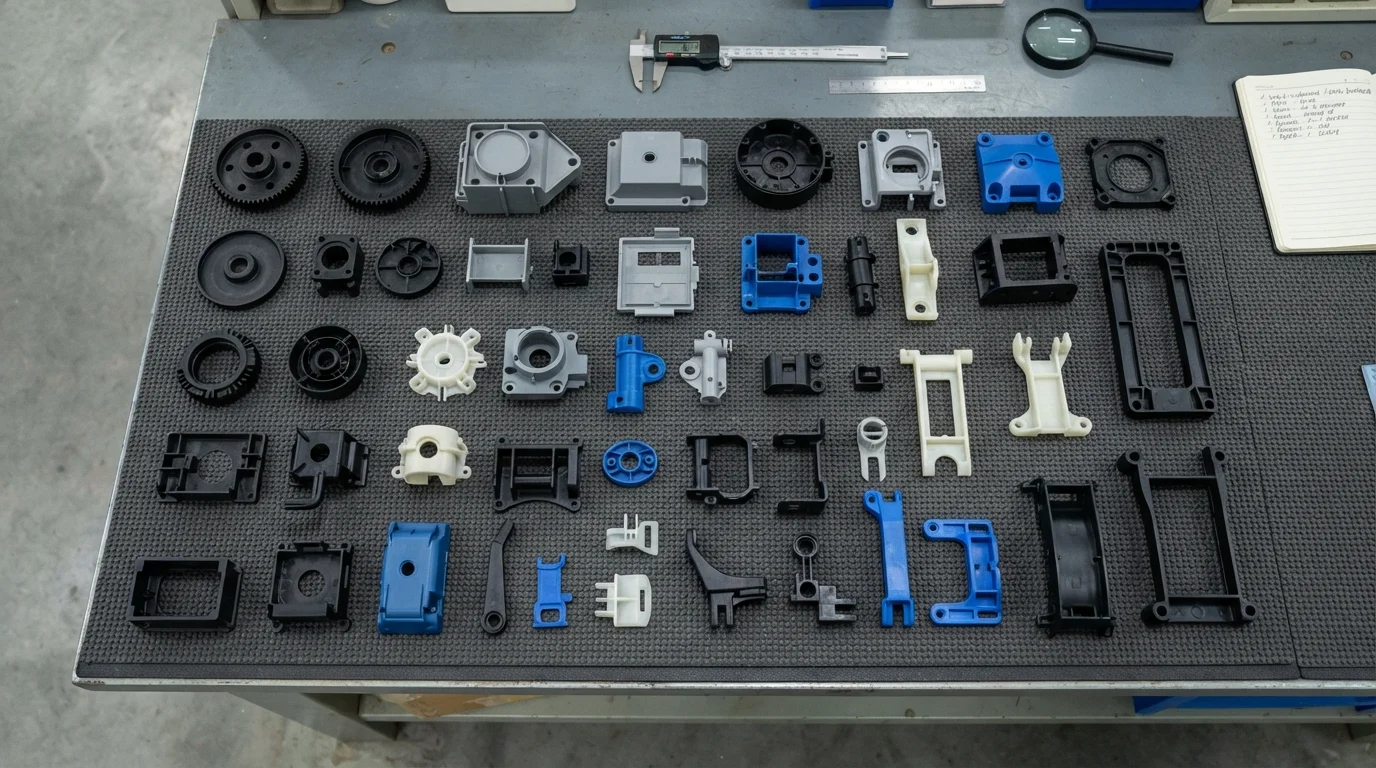
Question: How do preliminary prototype models assist engineering teams before bridge tooling fabrication? Sourcing initial visual models or flexible vacuum casting components verifies ergonomic fit and assembly clearances safely.
Scaling your product line smoothly requires an agile manufacturing partner capable of managing the entire development lifecycle under one roof. Sourcing a versatile Vacuum Casting prototype or verifying complex geometries via a specialized CNC Machining Service eliminates costly tooling mistakes early. Jucheng Precision acts as your trusted bridge to production, offering expert mid-volume manufacturing solutions backed by a 24-hour free DFM review to optimize draft angles and wall thicknesses. Operating with 150+ advanced CNC machines and certified quality frameworks, our facilities ensure absolute reliability.
Partnering with an international manufacturer certified to ISO 9001, ISO 14001, and IATF 16949 standards guarantees exceptional quality control. Key operational strengths of our bridge manufacturing framework include:
- Comprehensive DFM feedback—Expert engineers evaluate parting lines and gating before cutting metal
- Flexible volume scaling—Seamless transition from prototype batches to 10,000+ production runs
- Zero minimum order restrictions—No MOQ policies tailored for agile hardware developers
Frequently Asked Questions (FAQ)
What is the primary difference between bridge tooling and production tooling?
Bridge tooling utilizes softer aluminum or pre-hardened steel for rapid, cost-effective intermediate manufacturing, whereas production tooling uses hardened steel built for millions of mass-production cycles.
When should a hardware project transition from bridge tooling to hard production tooling?
Projects typically transition when market demand stabilizes, sales volumes exceed five thousand units, and product designs achieve complete geometric freeze.
Can bridge molds use real injection molding resins?
Yes, bridge molds inject authentic production polymers like ABS, nylon, and polycarbonate under genuine press conditions to create fully functional parts.

