


Launching a novel consumer electronic device or medical diagnostic housing demands strict financial governance during early product development phases. Sourcing permanent production hardware too early exposes hardware startups to severe financial risks if geometric adjustments become necessary after initial testing. Executing a detailed financial evaluation between soft prototype molds and hardened series tools prevents unexpected capital depletion. Balancing initial non-recurring engineering expenses against projected sales volume ensures optimal cash flow management throughout commercialization.
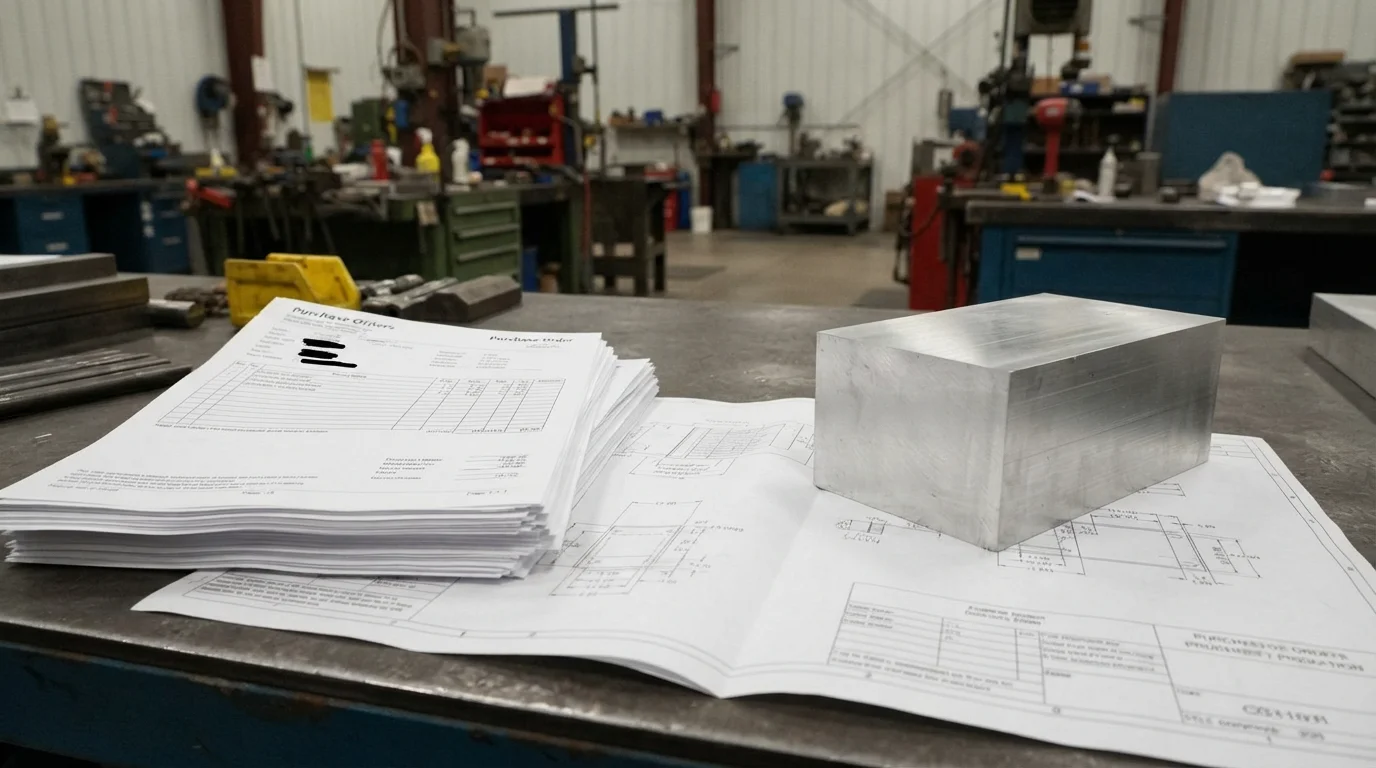
Evaluating manufacturing expenditures requires looking beyond simple per-piece pricing to calculate total lifecycle investments. Initial tool construction outlays vary drastically depending on raw metal selections, machining hours, and multi-cavity synchronization requirements. Sourcing components from a certified contract partner with over 150 advanced CNC machines guarantees transparent pricing structures without hidden fees. Let us examine the economic mechanics driving soft prototype inserts versus fully hardened series molds.
Table of Contents
1. Initial Upfront NRE Outlays and Soft Metal Savings
2. Volume Scaling Economics and Unit Price Cross-Over Points
Initial Upfront NRE Outlays and Soft Metal Savings
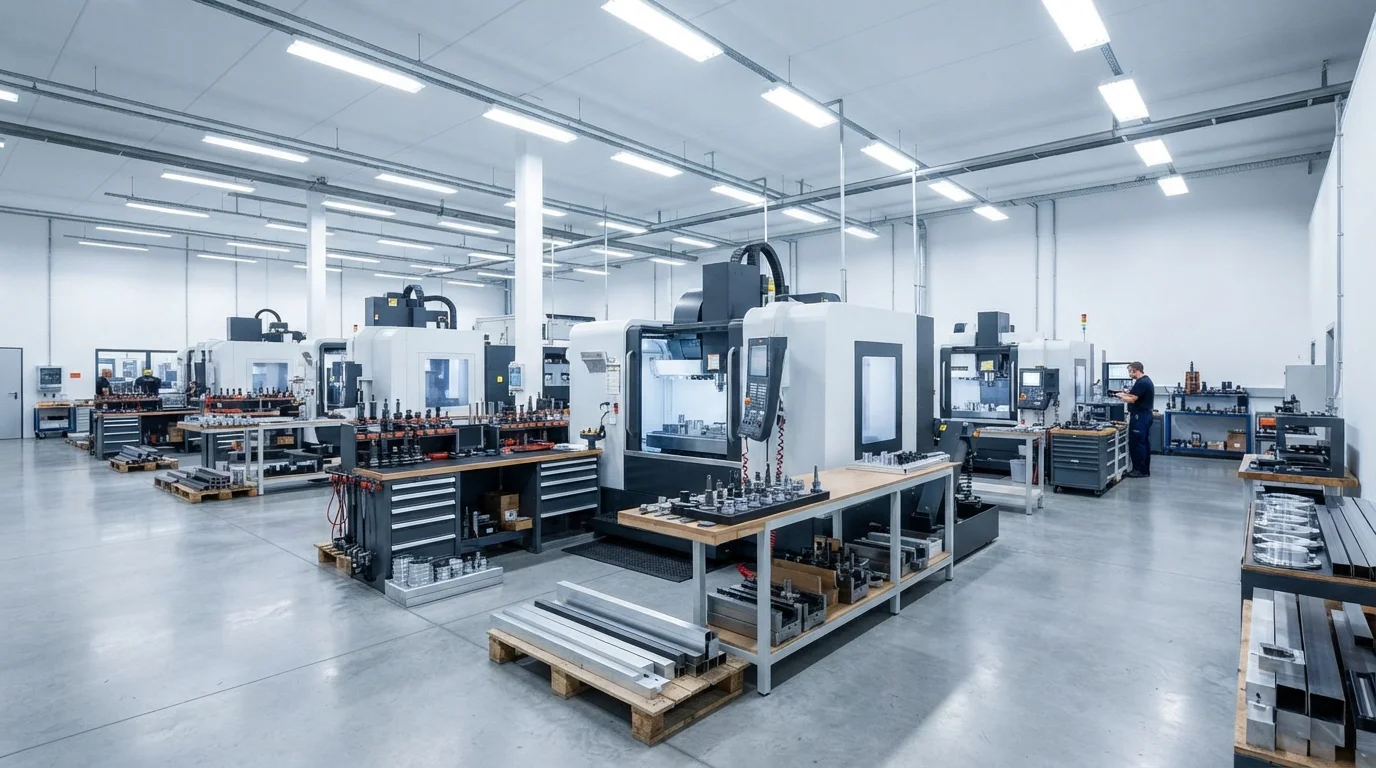
Question: Why do soft prototype molds require significantly lower upfront NRE investments? Softer aluminum and pre-hardened steel plates reduce machining hours and eliminate complex vacuum heat treatment cycles.
Constructing a multi-ton hardened steel production mold involves extensive manual benching, slow electrical discharge machining, and expensive thermal vacuum quenching processes. Performing a thorough cost comparison rapid tooling vs production tooling highlights how soft metal alternatives cut initial non-recurring engineering outlays by up to seventy percent. Sourcing a dedicated Rapid Tooling Service utilizes high-grade Aluminum or P20 inserts, allowing fast cavity generation on multi-axis machining centers. Maintaining low capital expenditures during early product validation preserves crucial runway for software development and market testing.
Analyzing capital allocation strategies demonstrates specific drivers behind initial tooling savings:
- Material procurement expenses—Softer alloy blocks cost substantially less to source than certified premium vacuum-degassed tool steels
- Programming and milling efficiency—High-speed carbide cutters carve aluminum much faster than hardened blocks
- Elimination of post-machining hardening—Skipping heat treatment avoids scaling distortions and costly trial-and-error straightening
Volume Scaling Economics and Unit Price Cross-Over Points
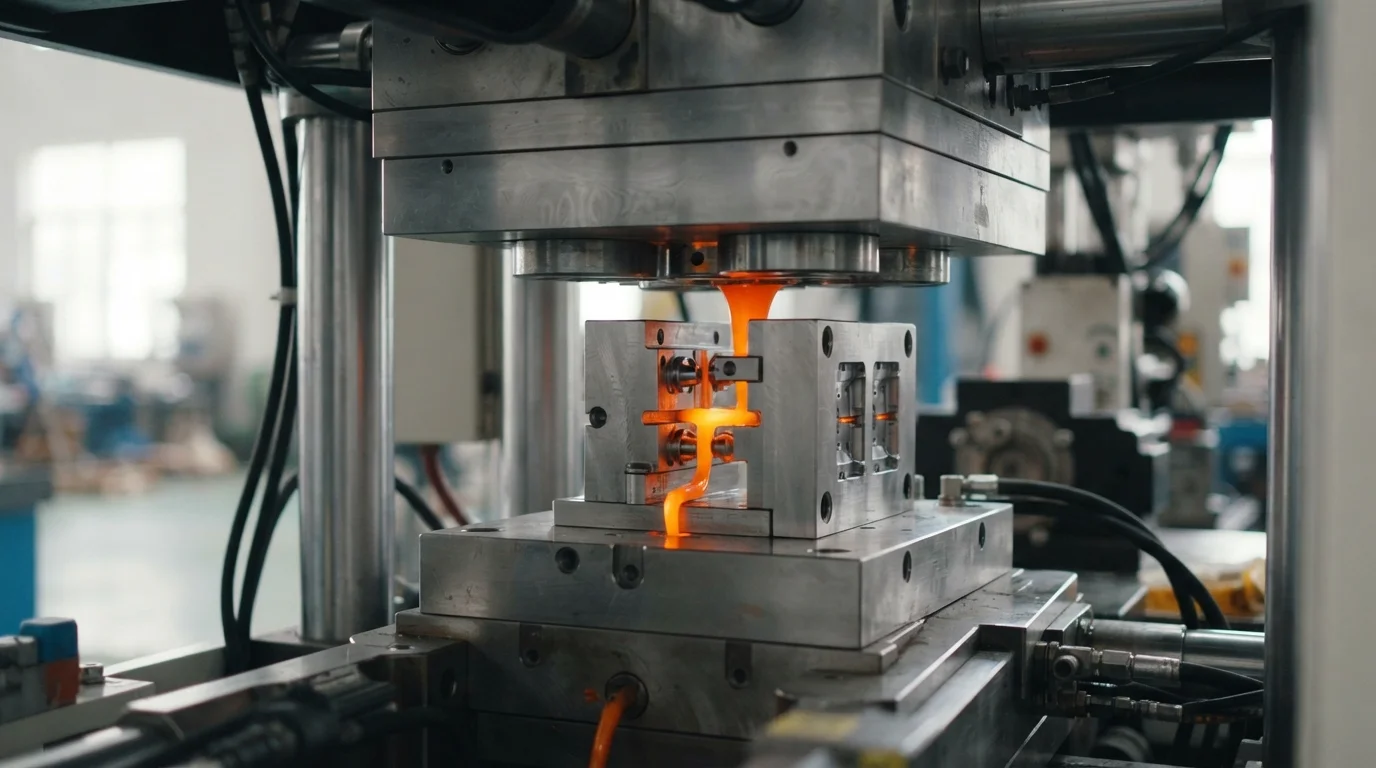
Question: When does high-volume production tooling become more cost-effective per part? Once production volume exceeds five thousand units, automated multi-cavity steel molds reduce per-piece molding costs dramatically.
Balancing production economics requires calculating the exact cross-over point where high initial tooling outlays are offset by lower unit production costs. Running medium production runs of 100 to 10,000 components makes bridge manufacturing the ideal bridge to production strategy. Sourcing an expert Injection Molding Service ensures parts molded from engineering polymers like ABS, Nylon (PA), or Polycarbonate (PC) achieve optimal mechanical performance. Evaluating financial efficiency across different tooling tiers requires examining production metrics:
| Tooling Category | Upfront Tooling Cost | Per-Part Production Cost | Recommended Volume |
|---|---|---|---|
| Rapid Soft Tooling | Low (Minimal NRE) | Moderate to High | 1 to 500 units |
| Bridge Tooling | Moderate | Balanced | 500 to 5,000 units |
| Hard Production Tooling | High (Extensive NRE) | Very Low | 5,000+ units |
Mitigating Financial Risks Before Committing Hard Steel
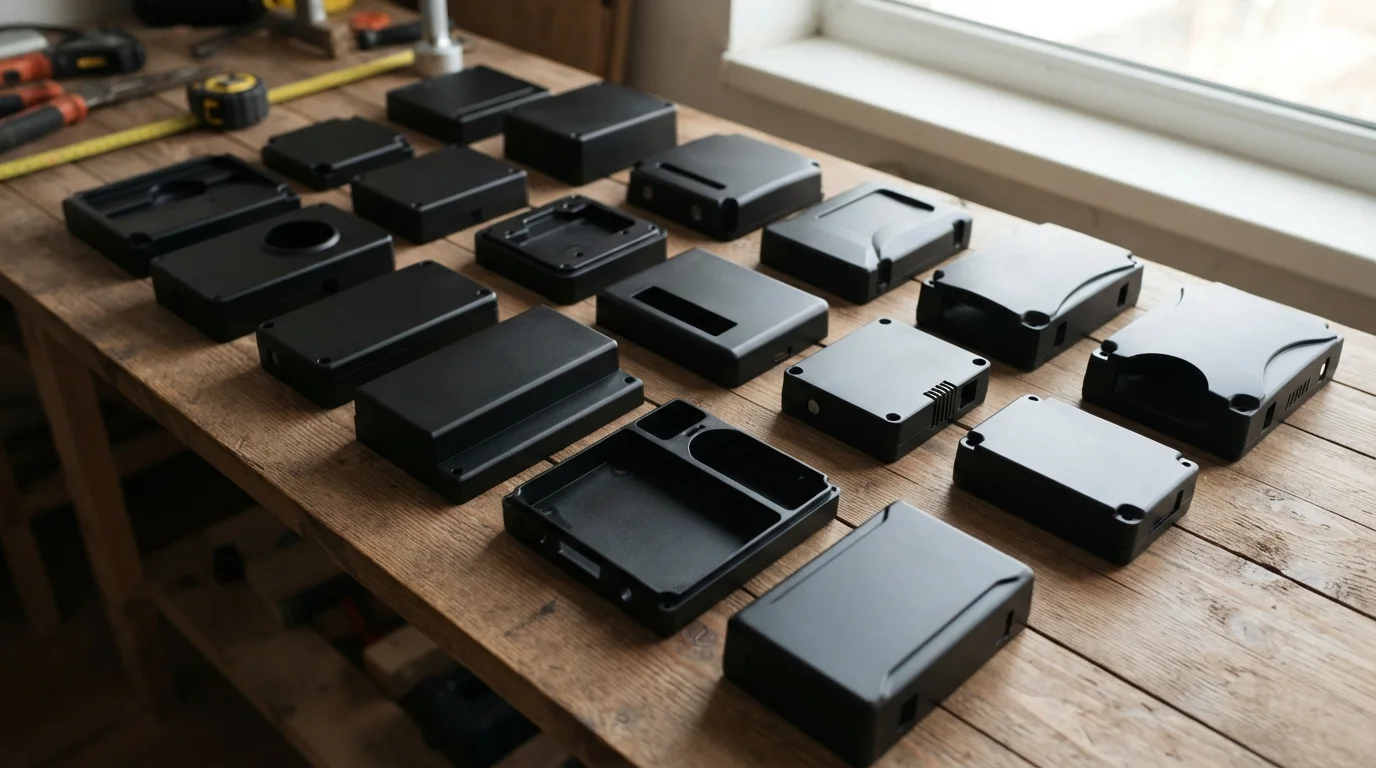
Question: How do preliminary prototype services protect engineering budgets from design errors? Sourcing initial visual mockups or functional models validates form and fit before any metal cutting begins.
Protecting corporate capital from catastrophic mold rework demands rigorous design verification during early engineering milestones. Sourcing a versatile Prototype Service or flexible Vacuum Casting models allows product teams to test physical assemblies without incurring heavy tooling penalties. Executing comprehensive geometric evaluations via a specialized CNC Machining Service ensures custom mounting features integrate smoothly. Jucheng Precision eliminates unexpected financial exposure by providing a complimentary 24-hour free DFM analysis, reviewing draft angles, wall uniformity, and gate locations prior to production.
Partnering with an experienced manufacturer certified to ISO 9001 and ISO 13485 standards guarantees rigorous quality assurance across every production batch. Core financial benefits of structured manufacturing strategies include:
- Comprehensive DFM optimization—Factory engineers eliminate potential molding defects before cutting metal
- Flexible batch scaling—Transition smoothly from prototype volumes to low-rate initial production without supply chain friction
- Zero minimum order constraints—No MOQ policies allow exact inventory alignment with real market demand
Frequently Asked Questions (FAQ)
What is the primary cost driver when comparing rapid tooling and production tooling?
Cost comparison rapid tooling vs production tooling reveals that material hardness and labor-intensive processes like EDM spark erosion dictate initial non-recurring engineering outlays.
Can aluminum rapid molds produce end-use production grade plastics?
Yes, aluminum rapid molds inject authentic production polymers like ABS, polycarbonate, and nylon under real press pressures, delivering fully functional components.
How does Jucheng Precision help optimize manufacturing expenses?
Jucheng Precision offers a 24-hour free DFM review, leveraging 150+ CNC machines and certified quality systems to streamline your development budget.

