


Balancing upfront mold investments with long-term per-part manufacturing costs represents one of the most critical decisions during early hardware development. Launching a new product requires structural engineers and sourcing managers to evaluate when to bypass standard, highly expensive series molds to conserve valuable startup cash flow. Sourcing physical scale models validates physical fit and assembly clearances, but transitioning those designs to physical molded plastic parts demands a scalable, robust mold strategy. Meticulous planning prevents expensive engineering reworks, ensuring custom assemblies transition seamlessly from early prototypes to mass production.
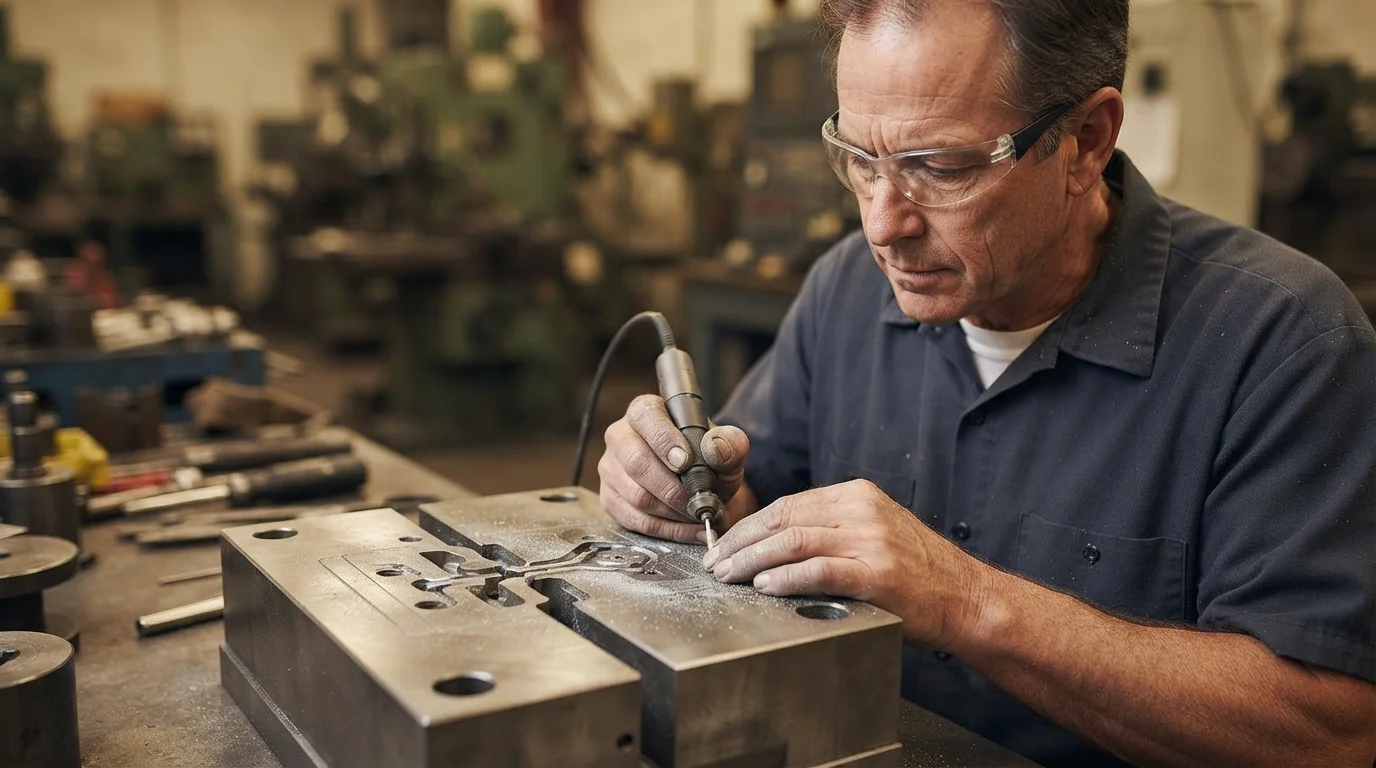
Evaluating the critical parameters of bridge tooling vs production tooling helps engineering groups navigate NPI pipeline bottlenecks safely. Selecting appropriate temporary manufacturing methods balances raw material properties with fast turnaround times during early-stage testing. Slicing complex three-dimensional CAD files precisely allows experienced toolmakers to analyze parting lines, draft angles, and wall thicknesses using advanced mold flow simulation software. Let’s look at how you can optimize your geometries to drive down expenses safely while maintaining high-fidelity quality.
Table of Contents
1. Soft Tooling versus Hard Tooling Structural Realities
Soft Tooling versus Hard Tooling Structural Realities
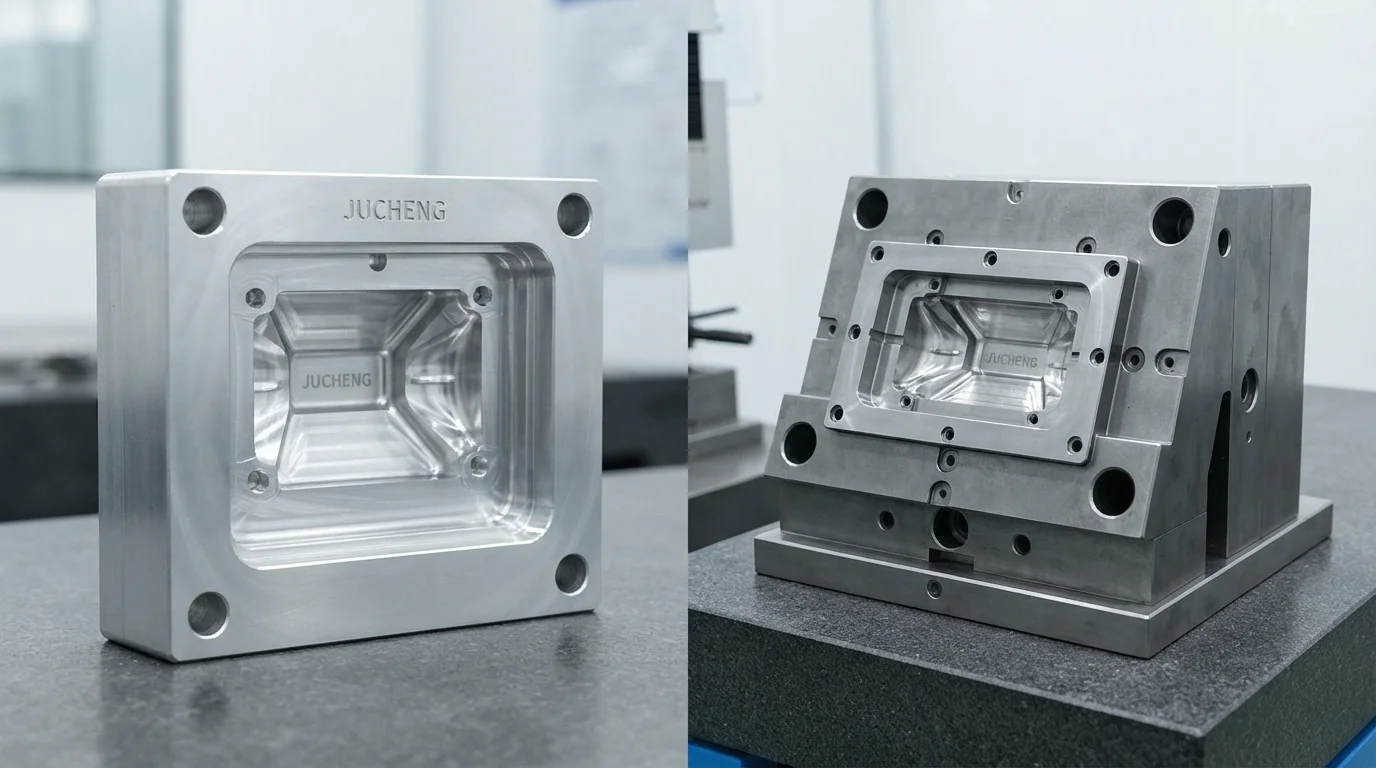
Question: What is the main difference between soft tooling and hard tooling? Soft tooling uses highly machinable aluminum or pre-hardened steel to build molds quickly, whereas hard tooling relies on hardened steel to survive extreme high-volume production.
Transitioning from low-volume prototypes to molded parts requires selecting between flexible soft-alloy molds and highly rigid, multi-cavity steel tools. Soft tooling utilizes aluminum AL7075 or pre-hardened P20 steel to construct core cavities quickly using high-speed CNC milling. Hard tooling, by comparison, relies on extreme-durability H13 steel that is heat-treated to over 50 HRC to survive millions of cycles under severe clamping forces. Sourcing soft tooling is ideal for early market testing, providing high-fidelity molded components without the steep initial price of hard steel.
Evaluating bridge tooling vs production tooling boundaries reveals distinct material wear characteristics under dynamic injection pressures. Glass-filled polymers like Nylon (PA) or abrasive ABS blends wear down soft aluminum gates rapidly, making pre-hardened P20 steel core inserts a smarter intermediate choice. Hardened steel production molds, by comparison, resist abrasive glass fibers easily, maintaining pristine surface finishes over millions of shots. Designers specify soft metals for short runs to simplify geometry adjustments before locking in final high-volume designs.
Sourcing functional parts from a professional Prototype Service is ideal for early form studies, but those CAD files often violate mass-production injection molding physics. Slicing CAD files precisely allows experienced toolmakers to analyze parting lines, draft angles, and wall thicknesses using advanced mold flow simulation software. Mold designers analyze parting line splits early to ensure the soft aluminum shut-offs resist wear under high clamping pressures. Sourcing high-quality billet metals protects your developmental budget from material premium markups.
Speed to Market and Volume ROI Scaling Limits
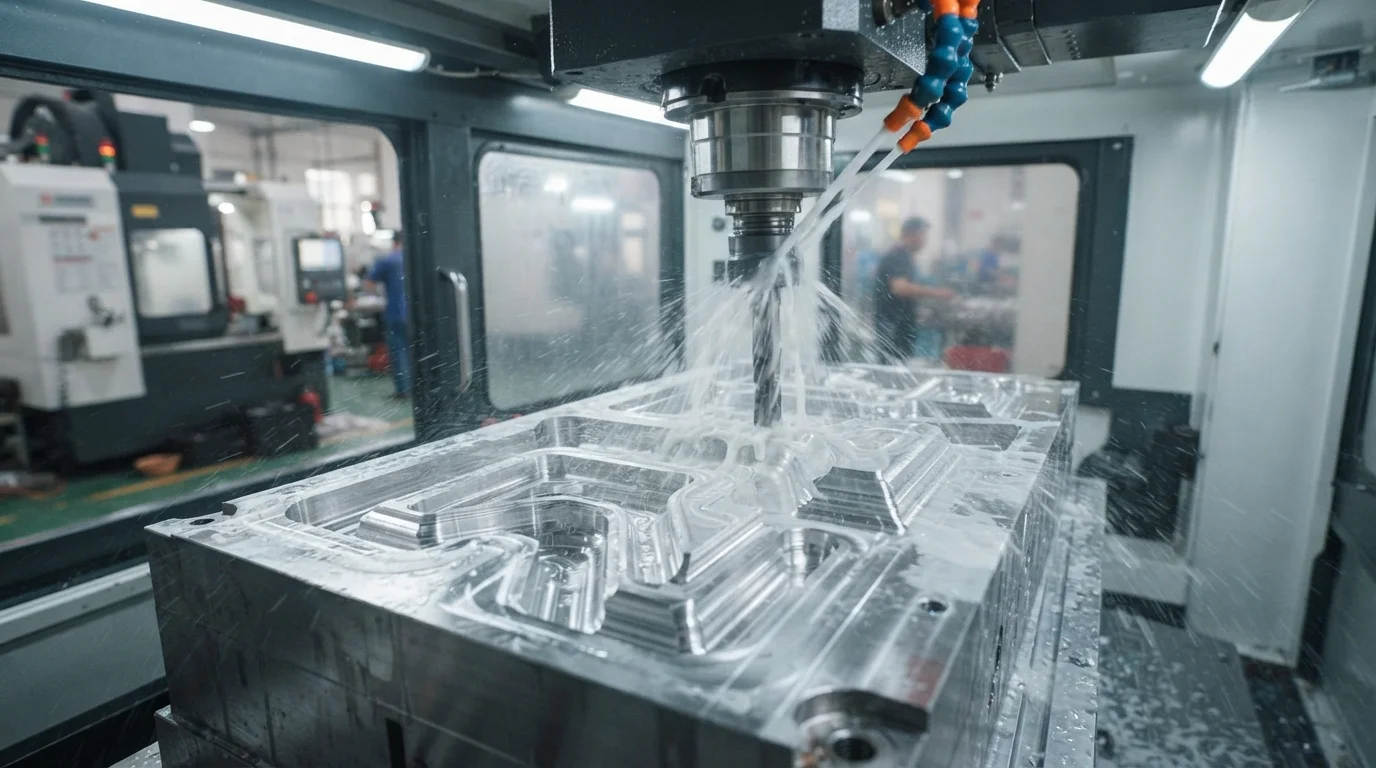
Question: When is the cost of bridge molds fully justified? Sourcing bridge molds is highly economical when production demand lies between 1,000 and 50,000 parts, bypassing high hard steel tooling CapEx.
Sourcing bridge tooling represents an exceptional alternative, producing high-fidelity metal or plastic components without paying expensive upfront mold fees. Sourcing a dedicated Rapid Tooling Service using aluminum or soft steel cores delivers genuine injection-molded components from production-grade resins within weeks. Slicing CAD files precisely allows experienced toolmakers to analyze parting line shut-offs manually. Symmetrical component designs simplify holding fixtures, reducing initial setup labor hours dramatically.
Jucheng Precision supports mechatronics startups by delivering highly optimized, cost-saving fabrication options that protect development budgets from unnecessary expenses. Sourcing our expert 24-hour free DFM reviews helps product groups optimize gate placements, parting lines, and draft profiles before cutting metal or pouring silicone. Sourcing high-quality prototypes ensures your designs are built to withstand severe dynamic forces safely. Sourcing your components from our certified, single-roof manufacturing facility prevents communication errors, ensuring design changes are propagated across all stages safely.
Transitioning to an automated Injection Molding Service requires a complete overhaul of raw prototype CAD geometries to accommodate mold release physics. Sourcing your copies from a partner with extensive in-house capabilities ensures you receive honest, cost-saving advice for your specific hardware program. Splicing raw CAD files precisely allows experienced toolmakers to analyze parting line shut-offs manually. This technical comparison table highlights baseline cost behaviors across different manufacturing approaches to help you plan your hardware budget:
| Manufacturing Metric | Rapid Prototyping Standard | Traditional Manufacturing Standard | Primary B2B Financial Influence |
|---|---|---|---|
| Initial Tooling Cost | Zero to low ($200 – $500 per mold) | Extreme ($10,000 – $50,000+) | Dictates upfront development risk and cash flow |
| Minimum Order Quantity | Zero MOQ (No minimum penalties) | High (5,000 to 10,000+ units) | Influences warehouse inventory storage costs |
| Lead Time to Samples | 3 to 15 business days | 8 to 12 weeks minimum | Determines time-to-market speed and launch velocity |
Frequently Asked Questions (FAQ)
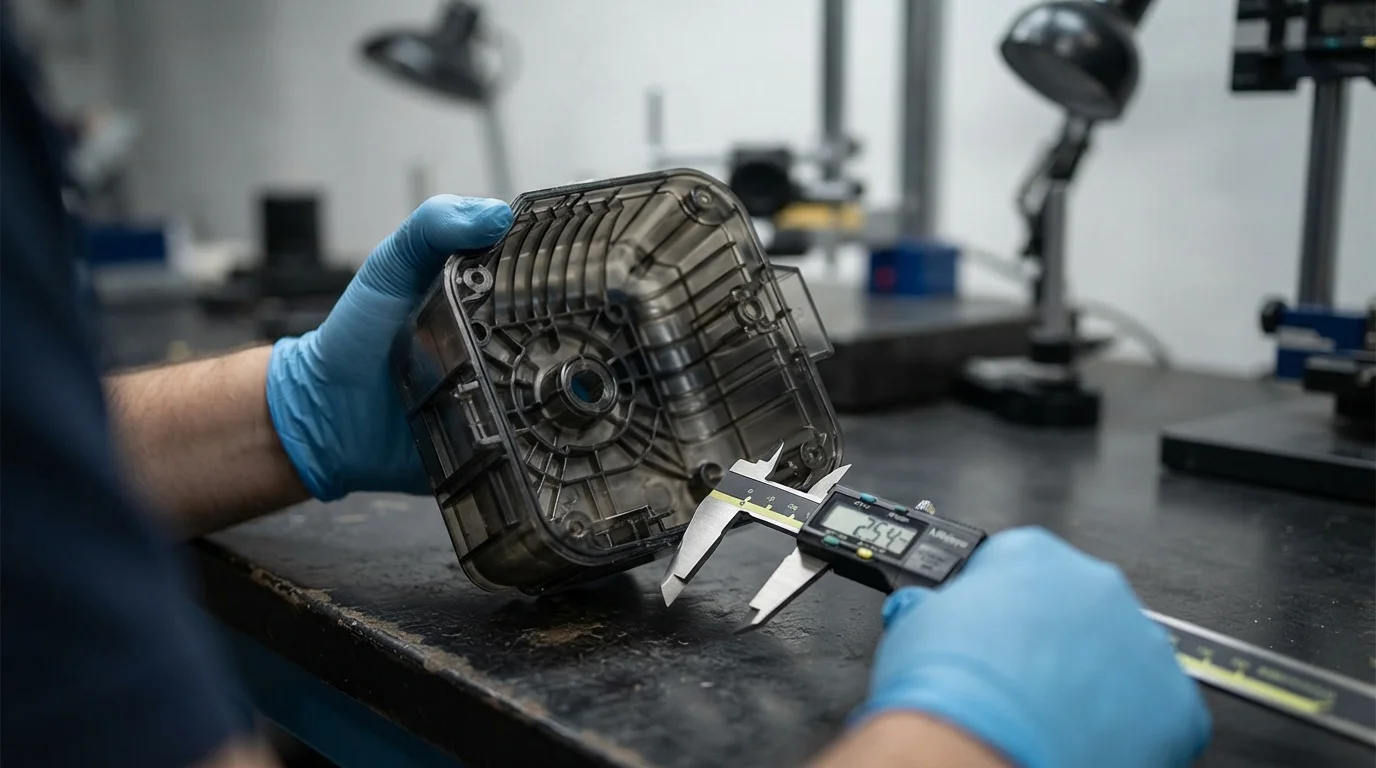
Can bridge tooling be modified easily?
Choosing between bridge tooling vs production tooling depends on whether your design is fully frozen and your target annual volume. Standardizing your CAD geometries early allows you to use rapid tooling aluminum molds to bypass high upfront steel mold expenses cheaply.
Does complex surface polishing increase overall manufacturing bills dramatically?
Standard multi-axis CNC milling and high-resolution stereolithography SLA processes can deliver fully validated physical mockups within 3 to 5 business days. Bypassing slow manual mold-making procedures allows hardware developers to conduct dynamic fitment checks and aerodynamic wind tunnel tests immediately. Sourcing your prototypes from a turnkey manufacturer ensures experienced mold makers suggest smart gate placements.
How many parts can you pull from a single silicone mold before it fails?
Most silicone molds yield twenty to thirty clean pulls before the rubber becomes brittle and begins to tear. Designing parts with gentle draft angles and generous fillets helps preserve the cavity walls, extending mold life up to forty runs. Sourcing early DFM reviews simplifies split line layouts, eliminating the need for expensive mechanical sliders in rapid molds.

