


Sourcing cost-effective physical validation models represents a critical phase in modern hardware commercialization, bridging the structural gap between additive prints and high-volume mass production. Implementing strategic bridge tooling programs protects early-stage cash flow, allowing mechatronics groups to produce thousands of functional plastic parts without overpaying for high-volume steel molds. Product development teams frequently make the mistake of using the terms rapid and bridge molds interchangeably, only to discover their physical lifespans and manufacturing objectives diverge dramatically. Sourcing intermediate molds fabricated from soft metals allows product groups to fulfill crowdfunding orders or conduct extensive clinical trials safely. Slicing complex three-dimensional CAD files precisely allows experienced toolmakers to analyze parting lines, draft angles, and wall thicknesses using advanced mold flow simulation software.
Table of Contents
1. Defining the Structural Nuances of Quick Turn Molds
2. Prototyping Focus with Soft Tooling Options
Defining the Structural Nuances of Quick Turn Molds
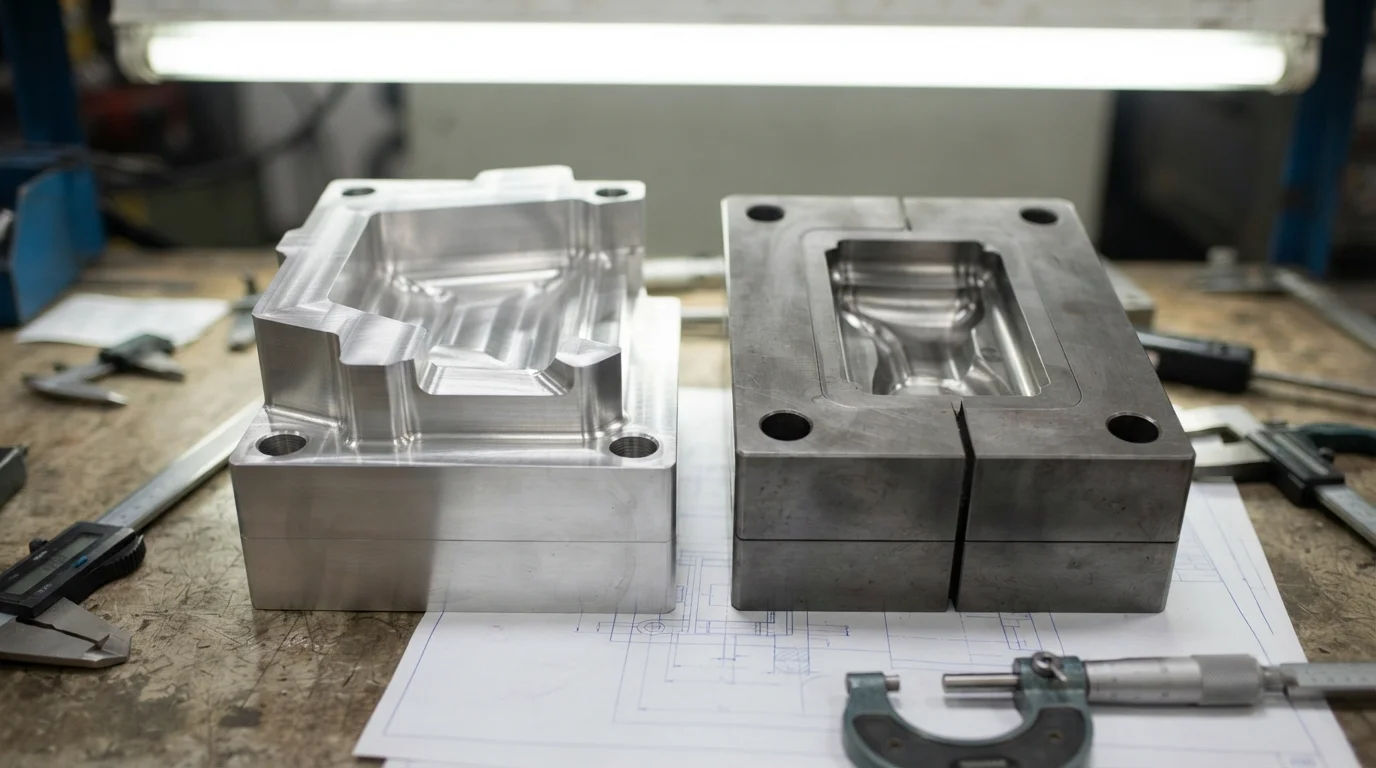
Question: Are rapid and bridge molds structurally identical? Soft molds often utilize similar aluminum AL7075 or pre-hardened steel alloys, but their commercial targets and mold layout complexities differ completely.
Weighing the physical parameters of bridge tooling vs rapid tooling is essential to align your product development timeline with the correct manufacturing budget. Both tooling philosophies frequently share similar raw metal compositions, including high-grade aluminum AL7075 or pre-hardened P20 steel mold plates. Sourcing custom components from a versatile Prototype Service ensures engineers utilize the physical accuracy of multi-axis milling to cut these soft metal cores quickly. Slicing CAD files precisely allows experienced toolmakers to analyze parting line shut-offs manually.
Developing soft molds avoids the high upfront expenses of hardened steel tools while delivering genuine molded plastic components quickly. Standard CNC Machining Service setups allow programmers to modify G-code cutting toolpaths instantly to update component features within hours. Symmetrical component configurations simplify holding fixtures, reducing initial setup labor hours dramatically. Sourcing high-quality billet metals protects your developmental budget from material premium markups.
Vacuum casting in silicone molds represents an excellent, low-cost method to manufacture twenty to fifty plastic enclosures cheaply. Sourcing custom polyurethane parts from silicone molds becomes highly cost-effective before investing in aluminum or soft steel cores. Standardizing non-critical clearances allows high-speed milling spindles to clear raw stock quickly, maximizing cutting efficiency. Understanding these baseline material limitations allows mechatronics groups to bypass high starting price boundaries safely during early development.
Prototyping Focus with Soft Tooling Options
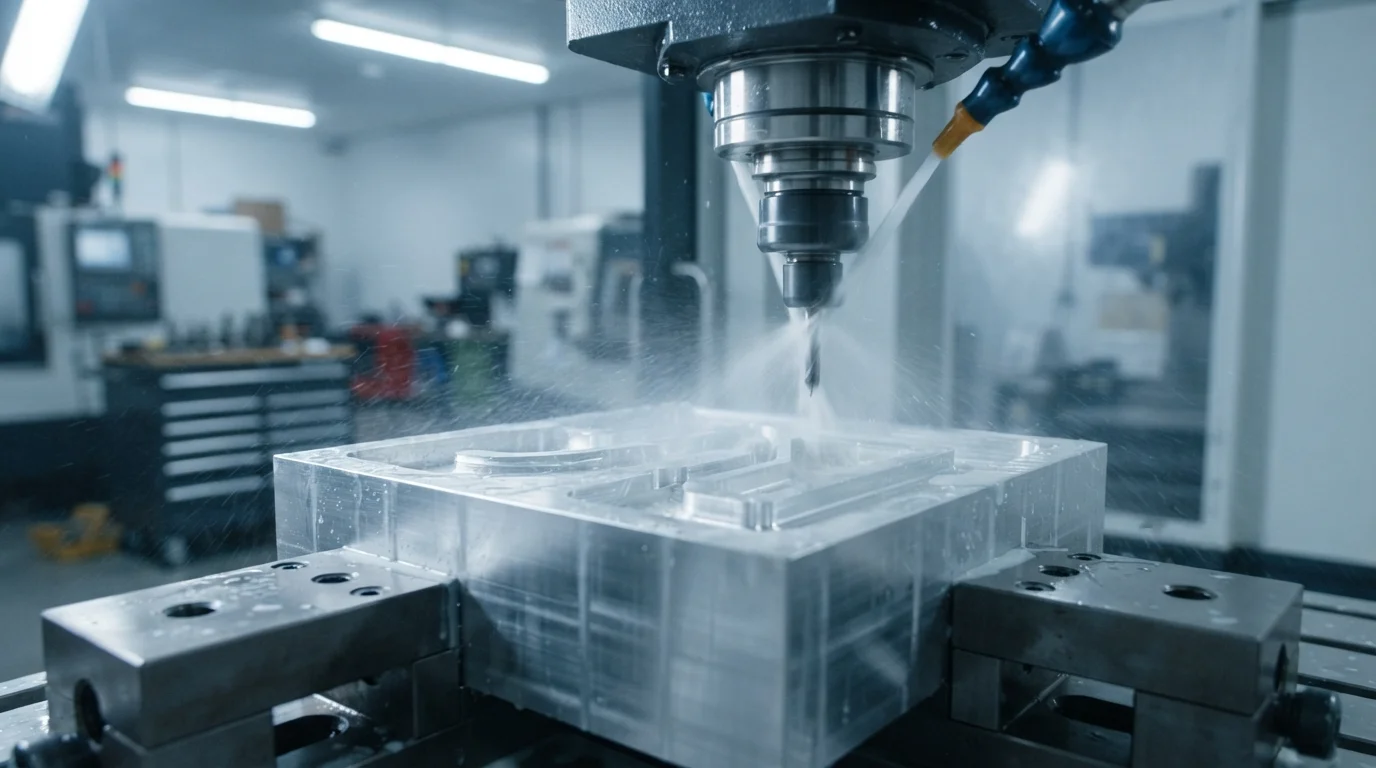
Question: What is the main objective of rapid tooling? Rapid tooling focuses primarily on validating functional engineering designs and testing genuine plastics under severe operational loads.
Sourcing a dedicated Rapid Tooling Service using aluminum core inserts delivers genuine injection-molded components from production-grade resins within weeks. Slicing complex CAD files allows engineering teams to validate snap-fit clearances and cored-out bosses using standard, off-the-shelf polymer grains. Splicing raw CAD files precisely allows experienced toolmakers to analyze parting lines, draft angles, and wall thicknesses using advanced mold flow simulation software. Symmetrical component designs simplify holding fixtures, reducing initial setup labor hours dramatically.
Selecting the correct structural material involves balancing raw physical properties with overall milling times and tool wear. This technical comparison table highlights baseline cost and material behaviors across standard rapid fabrication methods:
| Molding Parameter | Rapid Tooling Standard | Bridge Tooling Standard | Primary B2B Purpose |
|---|---|---|---|
| Target Part Volume | 100 to 1,000 units | 5,000 to 50,000+ units | Matches production run size with tool life |
| Core Metal Material | AL7075-T6 Aluminum | Pre-hardened P20 Tool Steel | Dictates resistance to abrasive glass-filled resins |
| Ejection Method | Hand-loaded inserts, ejector pins | Symmetrical ejector pins, sliding lifters | Speeds up machine cycles, lowers labor hours |
Market Scaling Focus with Bridge Tooling Programs
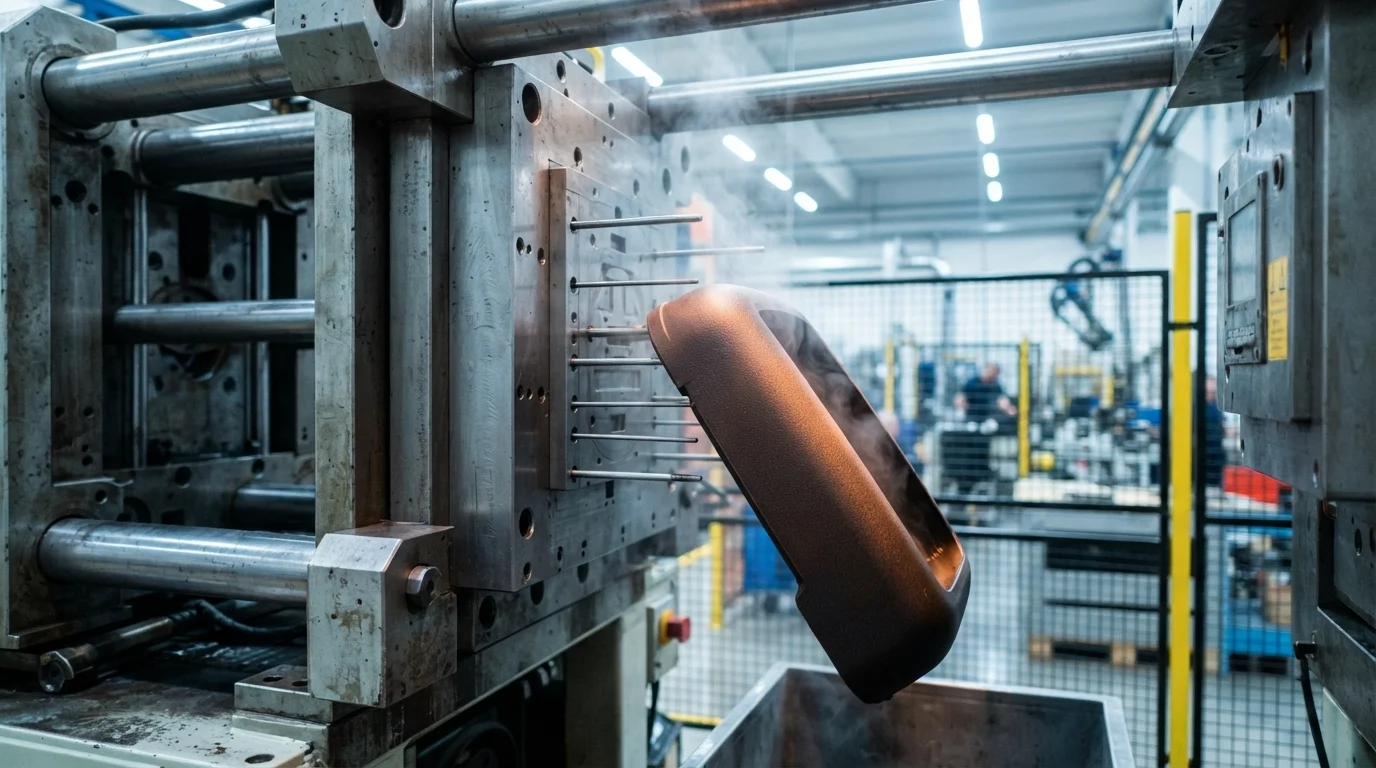
Question: When is the cost of bridge molds fully justified? Sourcing bridge molds is highly economical when production demand lies between 1,000 and 50,000 parts, bypassing high hard steel tooling CapEx.
Transitioning to an automated Injection Molding Service requires a complete overhaul of raw prototype CAD geometries to accommodate mold release physics. Evaluating the subtle differences of bridge tooling vs rapid tooling ensures you select the correct mold steel to support your target production volumes. Pre-hardened Tool Steel rapid molds deliver genuine injection-molded components using production-grade polymer grains within weeks. Sourcing rapid tooling allows product developers to validate gating, parting lines, and draft angles under real machine pressures.
Jucheng Precision supports mechatronics startups by delivering highly optimized, cost-saving fabrication options that protect development budgets from unnecessary expenses. Sourcing our expert 24-hour free DFM reviews helps product groups optimize gate placements, parting lines, and draft profiles before cutting metal or pouring silicone. Sourcing high-quality prototypes ensures your designs are built to withstand severe dynamic forces safely. Sourcing your components from our certified, single-roof manufacturing facility prevents communication errors, ensuring design changes are propagated across all stages safely.
Choosing to execute your early-stage evaluations using identical production-grade resins helps mechanical groups validate long-term mechanical wear. Sourcing functional parts molded from solid engineering plastics like ABS, Nylon (PA), or aluminum Polypropylene (PP) provides authentic material behavior before cutting tool steel. This detailed materials validation eliminates mechanical failure risks when transitioning prototype to production design configurations. Early validation prevents expensive engineering changes when scaling up to high-volume injection molding.
Frequently Asked Questions (FAQ)
How do I choose between bridge tooling vs rapid tooling?
Choosing between bridge tooling vs rapid tooling depends on whether your design is fully frozen and your target annual volume. Sourcing physical validation models early in your developmental cycle ensures you avoid hidden fees like mold redesigns and gating errors.
Does complex surface polishing increase overall manufacturing bills dramatically?
Standard multi-axis CNC milling and high-resolution stereolithography SLA processes can deliver fully validated physical mockups within 3 to 5 business days. Bypassing slow manual mold-making procedures allows hardware developers to conduct dynamic fitment checks and aerodynamic wind tunnel tests immediately. Sourcing your prototypes from a turnkey manufacturer ensures experienced mold makers suggest smart gate placements.
How many parts can you pull from a single silicone mold before it fails?
Most silicone molds yield twenty to thirty clean pulls before the rubber becomes brittle and begins to tear. Designing parts with gentle draft angles and generous fillets helps preserve the cavity walls, extending mold life up to forty runs. Sourcing early DFM reviews simplifies split line layouts, eliminating the need for expensive mechanical sliders in rapid molds.

