


Sourcing physical validation models represents a mandatory milestone in new product introduction (NPI) pipelines, bridging the vast geometric gap between virtual CAD drawings and mass-produced commodities. Implementing strategic bridge tooling programs protects early-stage cash flow, allowing hardware ventures to produce thousands of functional plastic parts without overpaying for high-volume steel molds. Product development teams frequently make the mistake of jumping directly from additive prints to mass-production tooling, only to face massive engineering chargebacks when geometries fail real-world stress tests. Eliminating these structural discrepancies during early development ensures your custom assemblies scale safely into competitive markets.
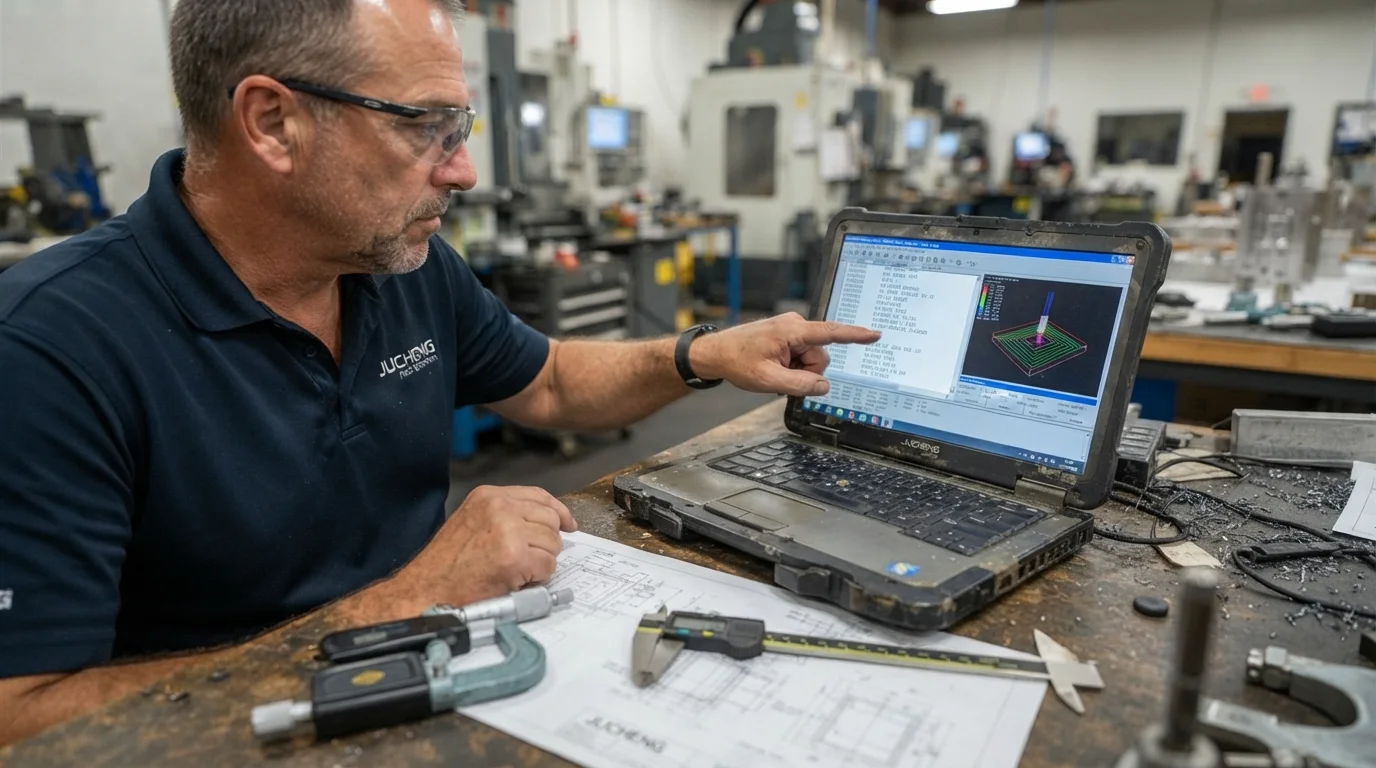
Manufacturing specialists coordinate with design engineers to evaluate parting lines, gate positions, draft angles, and wall uniformity using advanced mold flow simulation software. Selecting appropriate temporary manufacturing methods balances raw material properties with fast turnaround times during early-stage testing. Sourcing your copies from a partner with extensive in-house capabilities ensures you receive honest, cost-saving advice for your specific hardware program. Let’s look at how you can optimize your geometries to drive down expenses safely while maintaining high-fidelity quality.
Table of Contents
1. What is Bridge Tooling in Manufacturing?
2. Key Differences: Bridge vs. Production vs. Rapid Tooling
3. Essential Materials and Tool Life Expectancy
4. Cost Analysis and When to Use Bridge Molds
5. Scale Your NPI with Jucheng Precision’s 35+ Injection Machines
What is Bridge Tooling in Manufacturing?
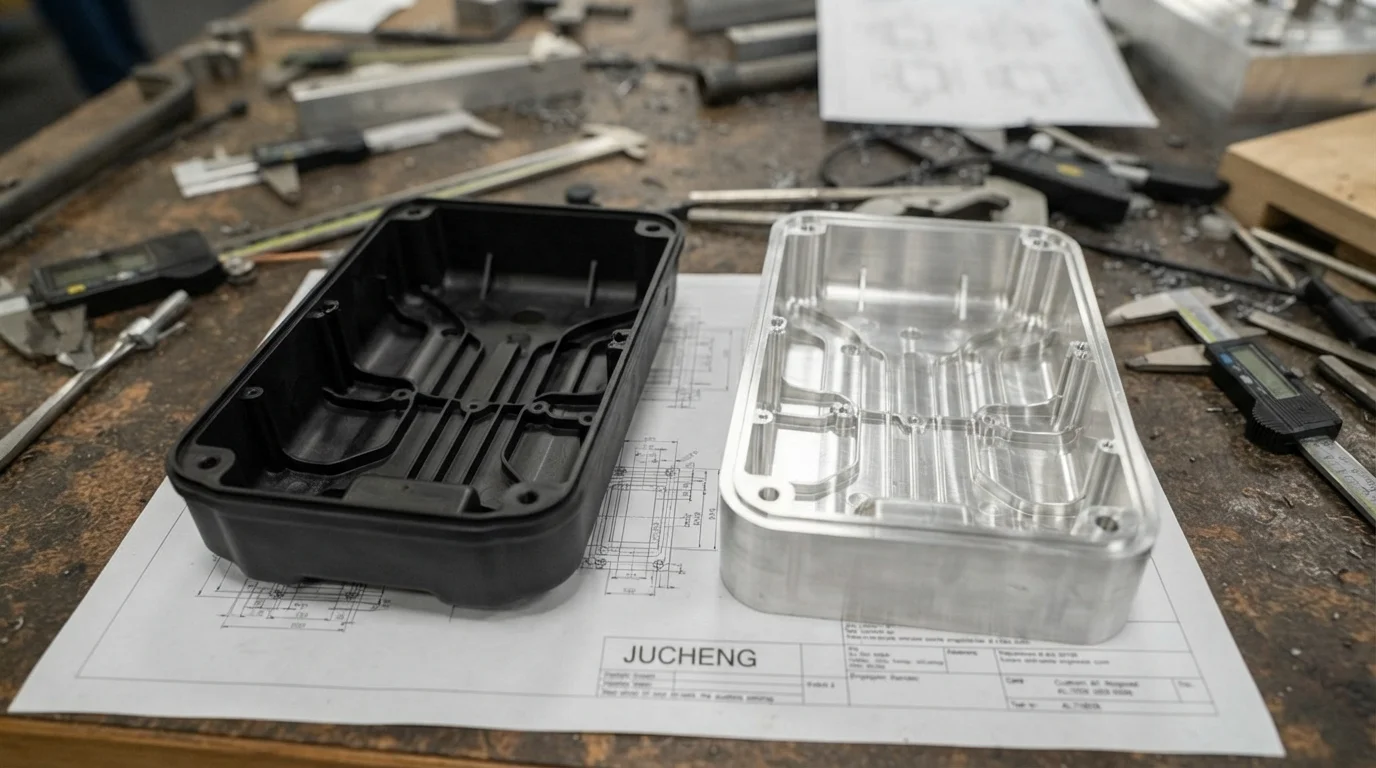
Question: What is a bridge mold? Bridge molds fill the production gap between early prototyping and high-volume mass production, producing 1,000 to 100,000 retail-ready parts using standard molding resins.
Navigating the transition from early visual prototypes to mass-production molds requires a highly coordinated manufacturing strategy. For mechatronics startups, understanding what is bridge tooling is essential to scale up without locking up valuable development cash flow. Sourcing intermediate molds fabricated from soft metals allows product groups to fulfill crowdfunding orders or conduct extensive clinical trials safely. These temporary tooling options deliver parts molded from genuine polypropylene, ABS, or glass-filled nylon, satisfying rigid field testing guidelines perfectly.
Mold designers fabricate these intermediate tool cores quickly using high-speed CNC milling, bypassing slow, labor-intensive spark-erosion EDM processes. Sourcing these soft molds allows product developers to validate actual production material properties before committing to hardened steel. Standardizing non-critical clearances allows high-speed milling spindles to clear raw stock quickly, maximizing cutting efficiency. Using temporary bridge tooling insert cores ensures short-run parts release cleanly from core cavities without scuffing or warping.
Key Differences: Bridge vs. Production vs. Rapid Tooling
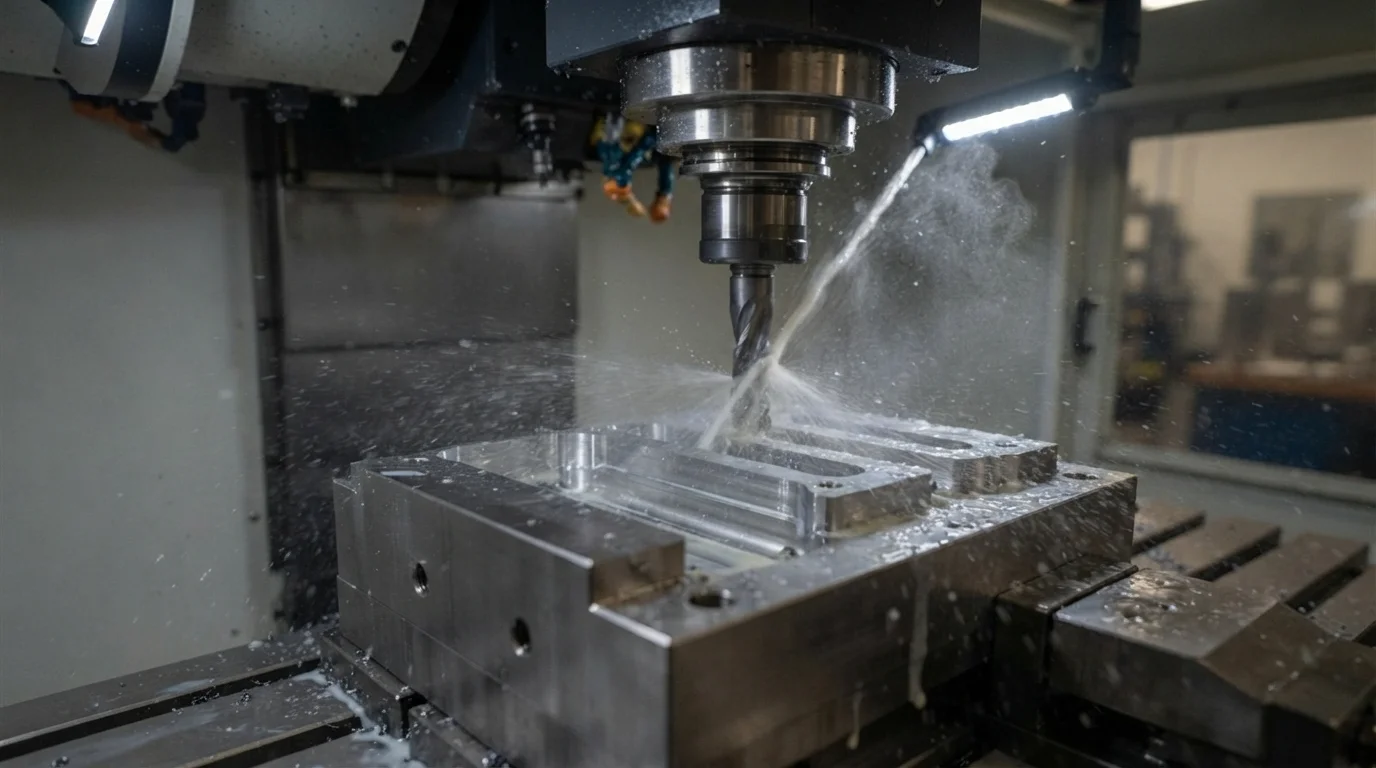
Question: How do bridge, production, and rapid tooling differ? Rapid tooling focuses on functional prototypes (100 parts), bridge tooling targets early market launches (5,000 parts), and production tooling supports mass scaling (over 1,000,000 parts).
Deciding between bridge tooling vs production tooling represents a critical financial crossroads during early hardware launches. Rapid tooling serves functional prototyping requirements of fifty to five hundred parts, while bridge tooling occupies the intermediate zone of 1,000 to 100,000 parts. Traditional production steel molds, by comparison, are engineered exclusively for extreme high-volume scaling where mold longevity exceeds one million cycles. Selecting the correct tooling philosophy balances upfront capital expenditures with target piece-part prices cleanly.
Understanding bridge tooling vs rapid tooling nuances helps engineers avoid misaligned quality expectations during short-run production. Sourcing functional parts milled from solid engineering blocks provides authentic material behavior before cutting metal. This table compares baseline cost and material behaviors across standard rapid fabrication methods:
| Tooling Option | Core Metal Material | Typical Tool Life | Primary B2B Purpose |
|---|---|---|---|
| Rapid Tooling | QC-10 Aluminum | 100 to 1,000 cycles | Functional prototyping, visual form studies |
| Bridge Tooling | P20 Soft Steel / AL7075-T6 | 5,000 to 50,000 cycles | Crowdfunding fulfillment, clinical testing |
| Production Tooling | H13 Hardened Steel | Over 1,000,000 cycles | High-volume series production, extreme scale |
Essential Materials and Tool Life Expectancy
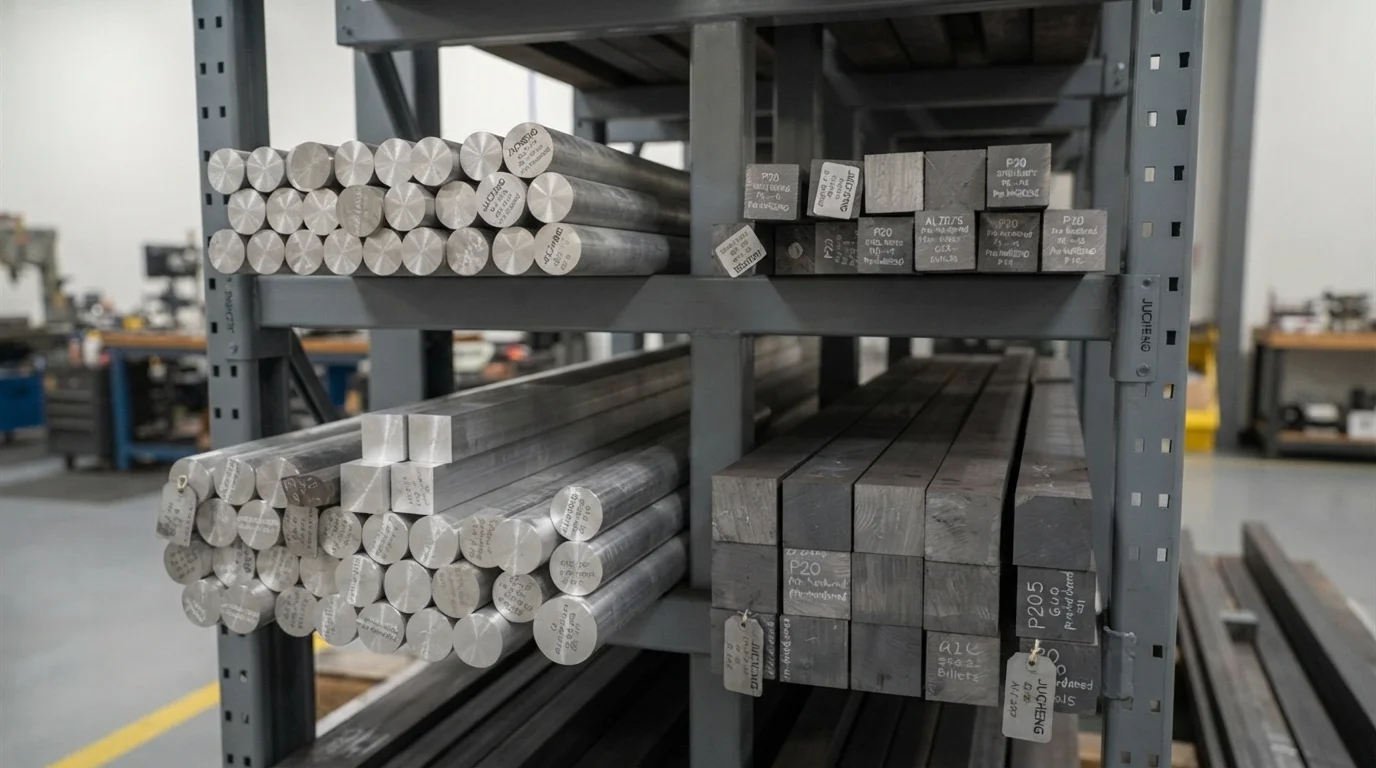
Question: What metals are best for transitional molds? Aluminum AL7075 offers unmatched speed and heat dissipation, whereas pre-hardened steel like P20 resists abrasive glass-filled resins.
Choosing robust bridge tooling materials is critical to match your molded polymer’s abrasive characteristics. Standard Aluminum alloys like AL7075 cut incredibly fast on CNC spindles, delivering outstanding thermal dissipation that lowers cooling times. Harder materials like Tool Steel (H13 or P20) require slower spindle speeds and rigid holding clamps, which directly increases total machining time. Mold designers analyze parting line splits early to ensure the soft aluminum shut-offs resist wear under high clamping pressures.
Predicting your bridge tooling life expectancy requires evaluating injection pressure, polymer abrasiveness, and mold maintenance schedules. Glass-filled polymers like Nylon (PA) or abrasive ABS blends cut into aluminum gates rapidly, making pre-hardened P20 steel mandatory for these materials. Regular mold maintenance, including hand-polishing and lubricating slide lifters, determines how long your bridge tooling will survive on the shop floor. Sourcing high-quality billet metals protects your developmental budget from material premium markups.
Adhering to strict design guidelines for bridge tooling prevents premature tool wear and cosmetic part defects like sink marks. Sizing vertical ribs with a minimum draft of 1.5 degrees allows the molded polymer to slide free from steel cavities easily. Boss diameters must also be cored out and supported by thin reinforcing ribs to maintain uniform wall thicknesses, preventing cosmetic sink marks on show faces. Symmetrical component designs simplify holding fixtures, reducing initial setup labor hours dramatically.
Cost Analysis and When to Use Bridge Molds
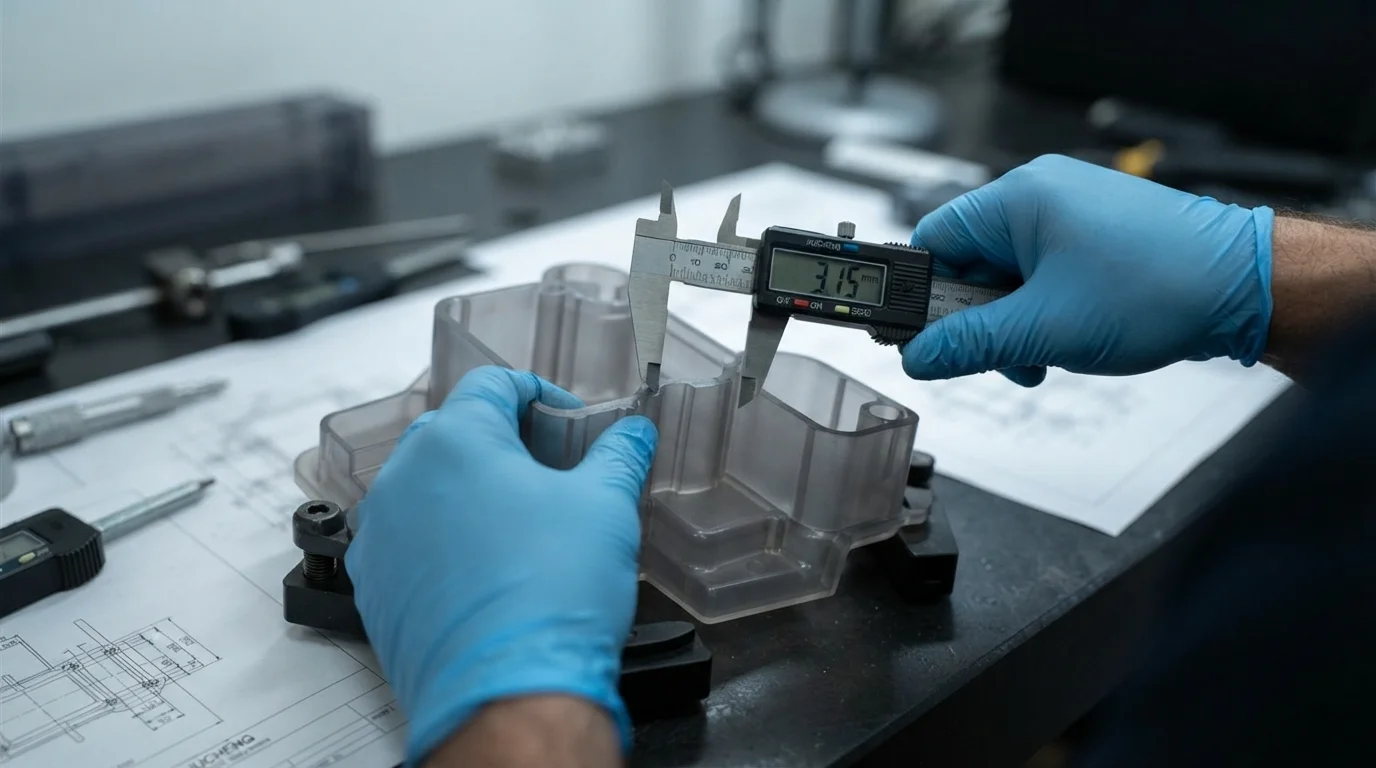
Question: When is the cost of bridge molds fully justified? Sourcing bridge molds is highly economical when production demand lies between 1,000 and 50,000 parts, bypassing high hard steel tooling CapEx.
Transitioning to bridge tooling injection molding allows startups to run actual production material validations without paying mass production overheads. Calculating your overall bridge tooling expenditures involves proving out mold ejection behaviors under real machine clamping pressures. Sourcing a dedicated Rapid Tooling Service using aluminum or soft steel cores delivers genuine injection-molded components from production-grade resins within weeks. Sourcing rapid tooling allows product developers to validate gating, parting lines, and draft angles under real machine pressures.
Optimizing your bridge tooling cost is achieved by utilizing standard modular unit die (MUD) mold frames to house custom core inserts. Using standard MUD frames avoids custom mold base machining, reducing tooling costs by up to 50 percent. Standardizing non-critical clearances allows high-speed milling spindles to clear raw stock quickly, maximizing cutting efficiency. Sourcing these modular options ensures your development budget remains highly controlled during initial scaling.
Knowing exactly when to use bridge tooling saves mechatronics groups from making catastrophic financial commitments early in the product lifecycle. Sourcing these intermediate tools is highly effective for crowdfunding fulfillment, medical device clinical trials, and low-volume premium consumer launches. Choosing to execute your early-stage evaluations using identical production-grade resins like Polypropylene (PP) helps mechanical groups validate long-term mechanical wear. Early validation prevents expensive engineering changes when scaling up to high-volume injection molding.
Scale Your NPI with Jucheng Precision’s 35+ Injection Machines
Question: How does Jucheng Precision support low-volume injection molding? Sourcing both in-house tool design and thirty-five high-precision molding presses ensures mechatronics groups scale smoothly from prototypes to mass production under one roof.
Weighing the advantages and disadvantages of bridge tooling is a critical phase where manufacturing experience dictates your NPI success. Jucheng Precision supports mechatronics startups by delivering highly optimized, cost-saving fabrication options that protect development budgets from unnecessary expenses. Sourcing our expert 24-hour free DFM reviews helps product groups optimize gate placements, parting lines, and draft profiles before cutting metal or pouring silicone. Sourcing high-quality prototypes ensures your designs are built to withstand severe dynamic forces safely.
Partnering with an experienced Prototype Service specialist ensures your finished hardware matches the premium software experience. Sourcing your quotes manually ensures experienced engineers analyze your 3D STEP files to find additional ways of saving money on metal rapid prototyping. Custom components undergo rigorous coordinate metrology checks to confirm exact dimensional compliance. Sourcing high-quality prototypes ensures your designs are built to withstand severe dynamic forces safely.
Frequently Asked Questions (FAQ)
How long does it take to make a bridge tool?
Mold makers machine aluminum rapid molds quickly on multi-axis CNC mills, typically taking only 10 to 15 business days to complete. Bypassing slow spark-erosion EDM processes allows manufacturers to deliver functional molded samples within weeks. Sourcing early DFM reviews simplifies split line layouts, eliminating the need for expensive mechanical sliders in rapid molds.
Can bridge tooling be modified easily?
Standard multi-axis CNC milling and high-resolution stereolithography SLA processes can deliver fully validated physical mockups within 3 to 5 business days. Bypassing slow manual mold-making procedures allows hardware developers to conduct dynamic fitment checks and aerodynamic wind tunnel tests immediately. Sourcing your prototypes from a turnkey manufacturer ensures experienced mold makers suggest smart gate placements.
How many parts can you pull from a single silicone mold before it fails?
Most silicone molds yield twenty to thirty clean pulls before the rubber becomes brittle and begins to tear. Designing parts with gentle draft angles and generous fillets helps preserve the cavity walls, extending mold life up to forty runs. Sourcing early DFM reviews simplifies split line layouts, eliminating the need for expensive mechanical sliders in rapid molds.

