


Preserving dimensional tolerances and surface finishes on soft-alloy molds requires a systematic maintenance protocol that prevents localized micro-galling and premature cavity erosion. Choosing high-conductivity aluminum tooling allows mechatronics groups to produce thousands of functional plastic parts cheaply, but ignoring daily care parameters leads to catastrophic tool degradation. Sourcing regular mold clean-ups prevents expensive engineering reworks, ensuring custom assemblies transition seamlessly from early prototypes to mass production. Slicing complex three-dimensional CAD geometries precisely ensures early-stage parts release cleanly from core cavities without scuffing or warping. Sourcing these low-volume parts preserves crucial development cash flow, avoiding the massive capital expenditure associated with traditional hard steel molds.
Table of Contents
1. Cleaning Vent Channels and Lubricating Ejector Pin Shafts
2. Welding Protocols for Damaged Aluminum Mold Parting Lines
Cleaning Vent Channels and Lubricating Ejector Pin Shafts
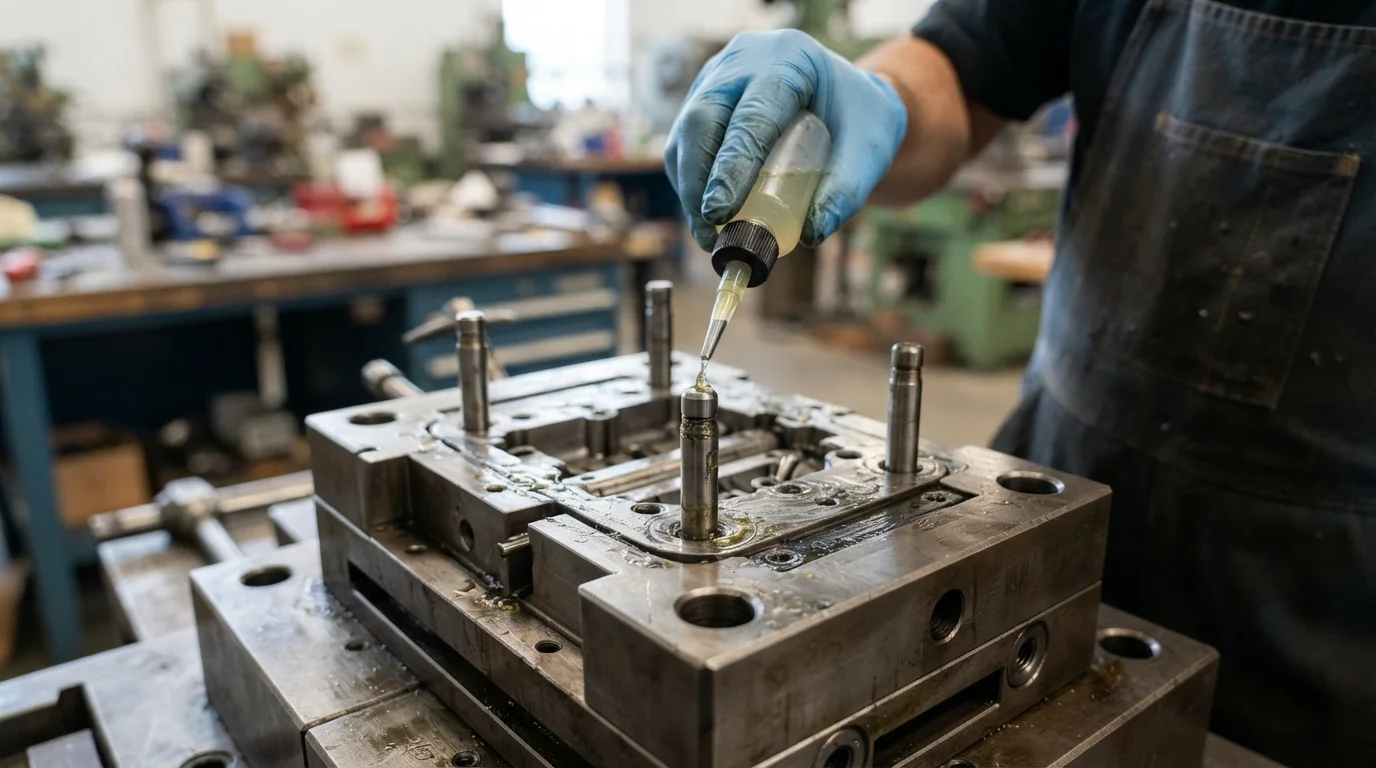
Question: What are the primary routine maintenance steps for aluminum injection molds? Cleaning gas vent channels manually and lubricating ejector pin shafts regularly prevents polymer buildup and mechanical binding.
Industrial operators seeking to extend mold lifespans must establish clear, non-negotiable guidelines on how to maintain and repair aluminum molds. Sourcing custom components from a versatile Prototype Service ensures engineers utilize the physical accuracy of multi-axis milling to cut these soft metal cores quickly. Slicing CAD files precisely allows experienced toolmakers to analyze parting line shut-offs manually. Symmetrical component designs simplify holding fixtures, reducing initial setup labor hours dramatically.
Saturating ejector pin shafts with high-temperature synthetic grease prevents mechanical friction from seizing the moving pins inside aluminum housings. Scribing deep gas vent slots onto mold faces prevents polymer outgassing from clogging the cavity, eliminating cosmetic splay. Sourcing early dimensional validation ensures these cored-out features hold critical thread-forming screws securely. Splicing raw CAD files precisely allows experienced toolmakers to analyze parting line shut-offs manually.
Standardizing non-critical clearances allows high-speed milling spindles to clear raw stock quickly, maximizing cutting efficiency. Sourcing functional CNC Machining Service parts from extruded billets of ABS, Nylon (PA), or aluminum Polypropylene (PP) provides authentic material behavior before cutting Tool Steel core blocks. This detailed materials validation eliminates mechanical failure risks when transitioning prototype to production design configurations. Early validation prevents expensive engineering changes when scaling up to high-volume Injection Molding Service.
Welding Protocols for Damaged Aluminum Mold Parting Lines
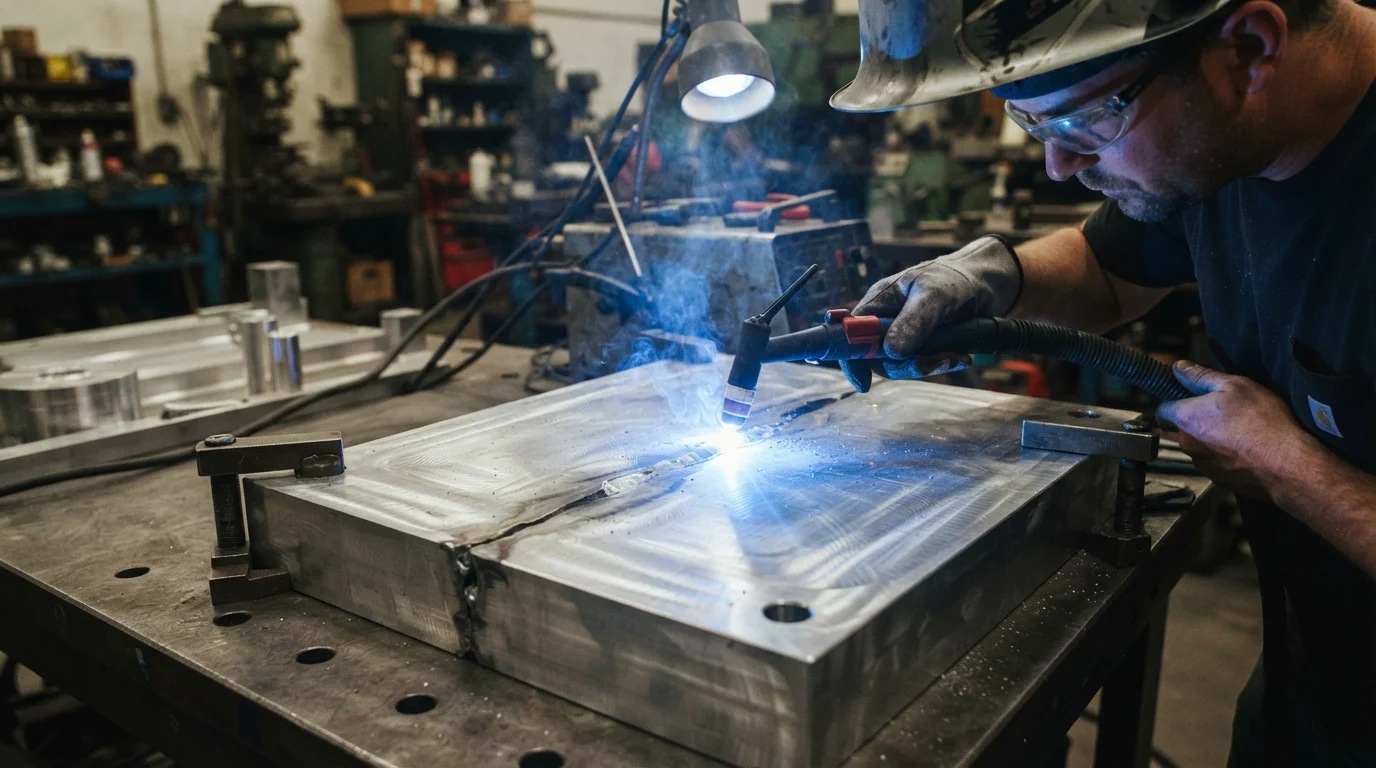
Question: Can damaged aluminum mold parting lines be repaired through welding? Yes, skilled toolmakers use micro-TIG or laser welding with AL7075 wire to build up worn areas before re-machining the shut-off faces.
Worn parting lines and damaged gate shut-offs can cause molten polymer to escape under pressure, resulting in severe part flash. Sourcing advanced micro-laser welding setups allows toolmakers to repair worn mold faces without inducing thermal distortion. Splicing raw CAD files precisely allows experienced toolmakers to analyze parting line shut-offs manually. Sourcing rapid tooling allows product developers to validate gating, parting lines, and draft angles under real machine pressures.
Sourcing a dedicated Rapid Tooling Service using aluminum or soft steel cores delivers genuine injection-molded components from production-grade resins within weeks. Sourcing rapid tooling allows product developers to validate gating, parting lines, and draft angles under real machine pressures. Symmetrical component designs simplify holding fixtures, reducing initial setup labor hours dramatically. Standardizing non-critical clearances allows high-speed milling spindles to clear raw stock quickly, maximizing cutting efficiency.
Selecting the correct mold metal involves balancing part material shrinkages with overall tooling expenditures. Sourcing high-fidelity pre-production parts prevents tooling reworks and protects launch budgets. Sourcing your components from our certified, single-roof manufacturing facility prevents communication errors, ensuring design changes are propagated across all stages safely. This detailed materials validation eliminates mechanical failure risks when transitioning prototype to production design configurations.
Machining Worn Mold Cavities for Precise Tolerances
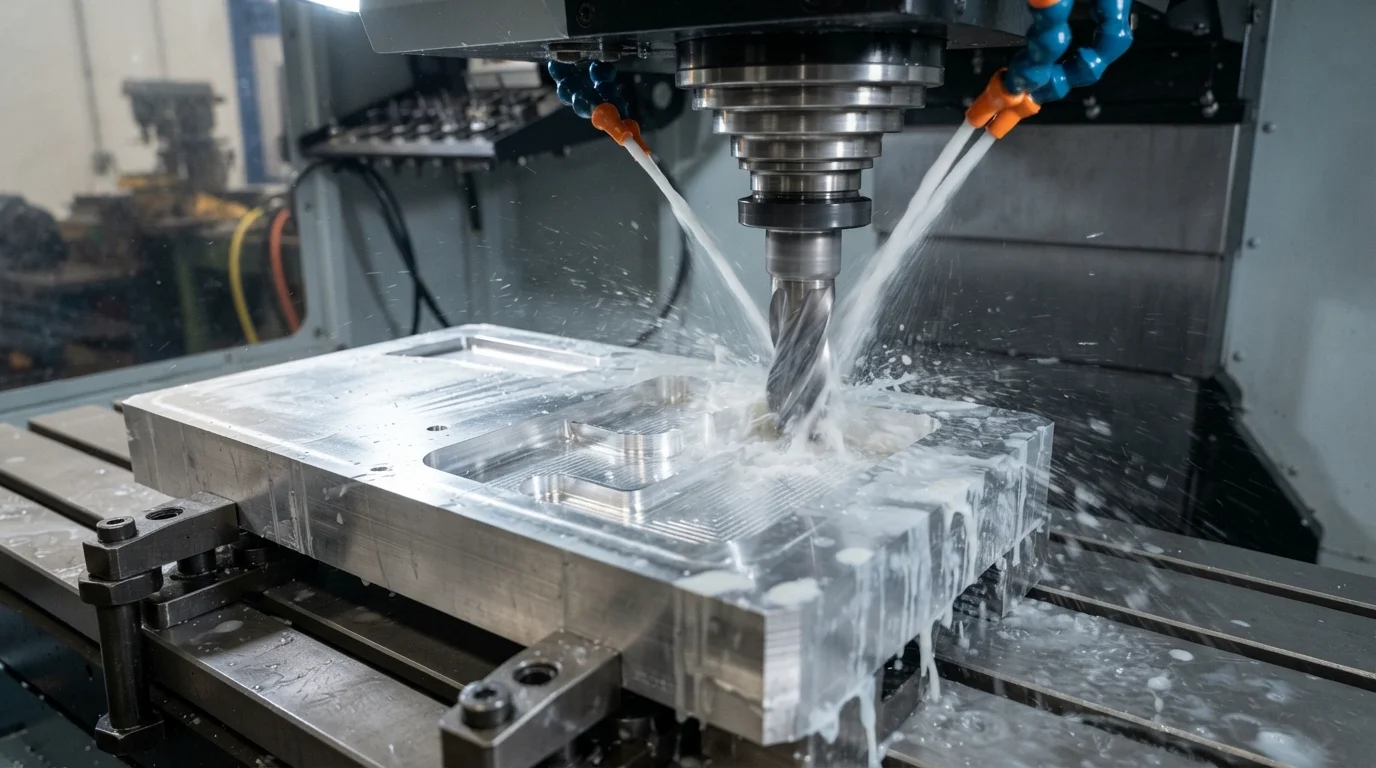
Question: How are worn aluminum mold cavities restored? Toolmakers mount the worn inserts onto high-speed CNC milling machines to re-cut coordinates, ensuring micron-level assembly repeatabilities.
Sourcing experienced machinists is crucial when analyzing how to maintain and repair aluminum molds because soft alloys demand precise cutting feeds. Jucheng Precision operates a fully-equipped manufacturing facility containing both multi-axis machining centers and precision injection molding presses. Sourcing our expert 24-hour free DFM reviews helps product groups optimize gate placements, parting lines, and draft profiles before cutting metal. Sourcing high-quality prototypes ensures your designs are built to withstand severe dynamic forces safely.
Partnering with a certified manufacturer helps you navigate the transition from early visual mockups to low-volume bridge tooling seamlessly. Sourcing your quotes manually ensures experienced engineers analyze your 3D STEP files to find additional ways of how to maintain and repair aluminum molds. Custom components undergo rigorous coordinate metrology checks to confirm exact dimensional compliance. Sourcing high-quality prototypes ensures your designs are built to withstand severe dynamic forces safely.
Frequently Asked Questions (FAQ)
What are the primary indicators of how to maintain and repair aluminum molds?
Mold makers machine aluminum rapid molds quickly on multi-axis CNC mills, typically taking only 10 to 15 business days to complete. Bypassing slow spark-erosion EDM processes allows manufacturers to deliver functional molded samples within weeks. Sourcing early DFM reviews simplifies split line layouts, eliminating the need for expensive mechanical sliders in rapid molds.
Can custom plastic molds handle high-stiffness carbon fiber resins?
Vacuum casting in silicone molds represents an excellent, low-cost method to manufacture twenty to fifty plastic enclosures cheaply. Sourcing custom polyurethane parts from silicone molds becomes highly cost-effective before investing in aluminum or soft steel cores. Product designers utilize Vacuum Casting to replicate production-grade polymer qualities, including flexible elastomer overmolding.
How many parts can you pull from a single silicone mold before it fails?
Most silicone molds yield twenty to thirty clean pulls before the rubber becomes brittle and begins to tear. Designing parts with gentle draft angles and generous fillets helps preserve the cavity walls, extending mold life up to forty runs. Sourcing early DFM reviews simplifies split line layouts, eliminating the need for expensive mechanical sliders in rapid molds.

