


When structural engineering applications demand maximum tensile strength, torsional rigidity, and thermal resistance, product designers frequently specify thermoplastics reinforced with chopped glass or mineral fibers. However, injecting these performance-boosted resins into rapid tooling creates an aggressive metallurgical challenge. Acting essentially like liquid sandpaper rushing through runner channels at high velocities, glass strands chew away at soft metal walls. Analyzing injection molding glass filled plastics p20 vs aluminum molds reveals why selecting the correct baseline alloy prevents catastrophic tool degradation.
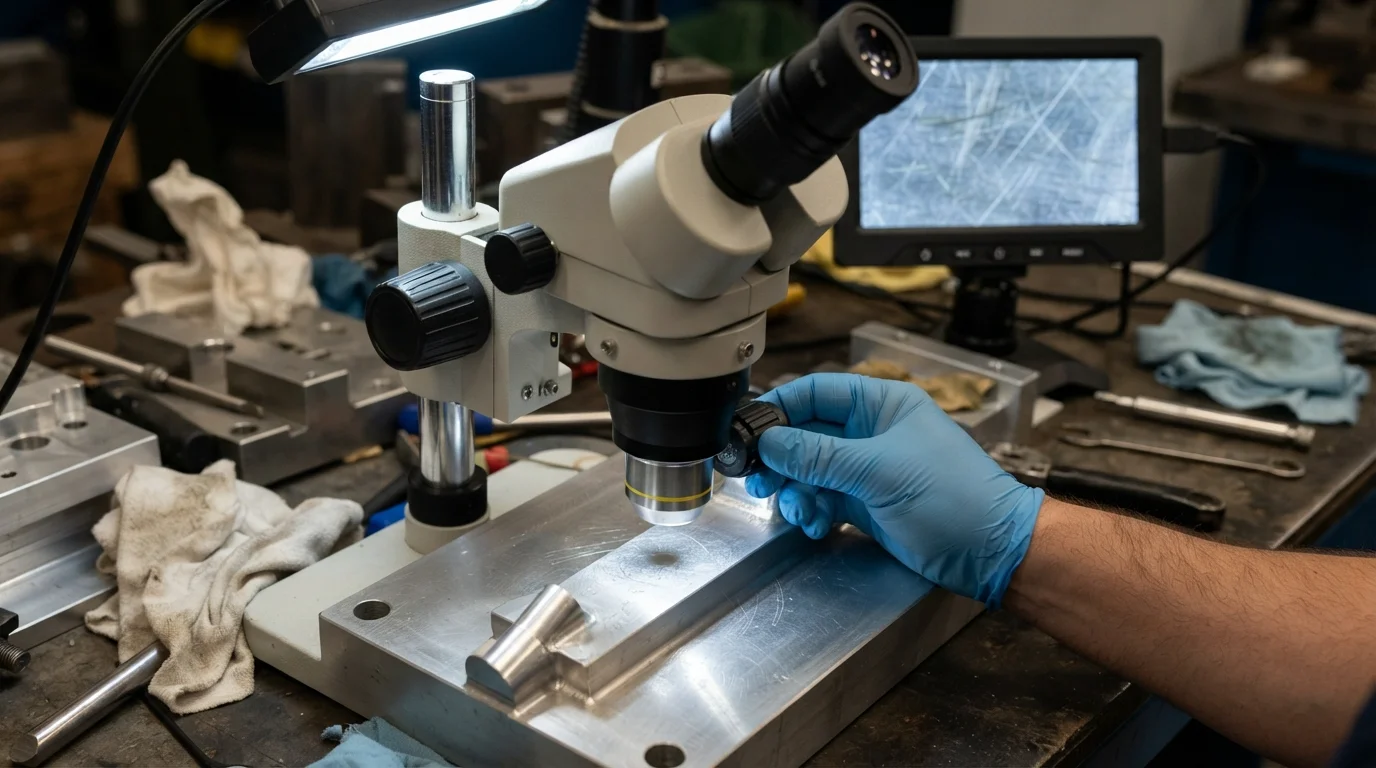
Table of Contents
1. The Abrasive Nature of Glass Fibers on Soft Metals
2. Why P20 Steel is the Default Choice for Glass-Resins (PA+GF, PBT+GF)
The Abrasive Nature of Glass Fibers on Soft Metals
Question: Why do glass-filled thermoplastic compounds cause rapid and severe surface degradation inside aluminum mold cavities? Embedded glass strands possess microscopic hardness levels that far exceed non-ferrous aluminum alloys, causing abrasive scouring along runner bends and gate entries.
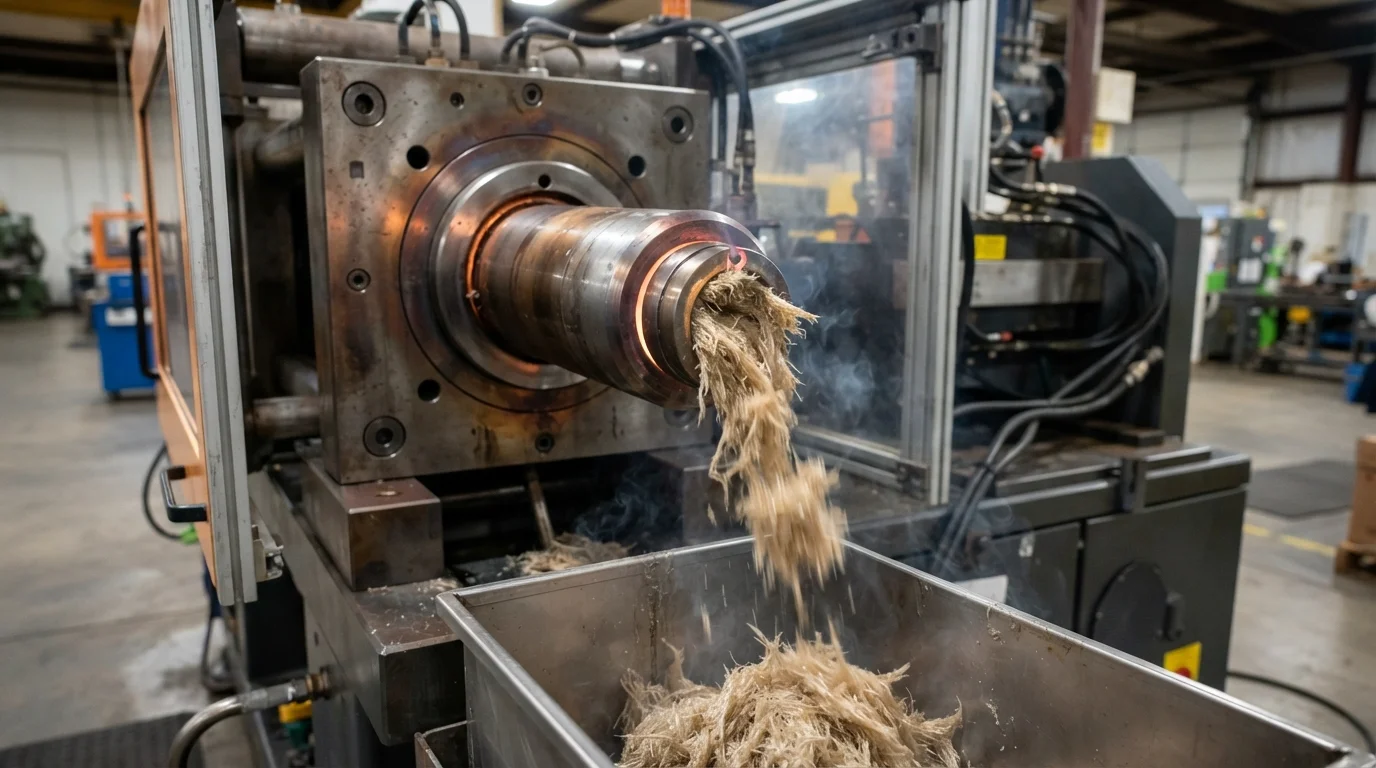
Processing engineering resins like glass-filled nylon (PA+GF) or polybutylene terephthalate (PBT+GF) requires handling high melt velocities. As these abrasive polymer streams slam against cavity walls and flow around internal core pins, softer aluminum alloys experience accelerated gate erosion and parting line rounding. Sourcing a specialized Injection Molding Service ensures proper melt temperature control, while an experienced Rapid Tooling Service guides material selection to prevent premature tool wear.
Evaluating material abrasiveness and tracking tool wear degradation involves monitoring specific performance metrics:
| Resin Reinforcement Type | Impact on Aluminum Tooling | Impact on P20 Pre-Hardened Steel |
|---|---|---|
| Unfilled Base Resins (ABS, PC) | Minimal wear, excellent lifespan | Negligible wear, near-infinite life |
| 30% Glass-Filled Resins (PA+GF) | High abrasion; gate erosion after thousands of shots | Moderate resilience; withstands tens of thousands of shots |
| Carbon Fiber Reinforced Resins | Severe scouring along high-velocity flow paths | Acceptable durability with hardened inserts |
Why P20 Steel is the Default Choice for Glass-Resins (PA+GF, PBT+GF)
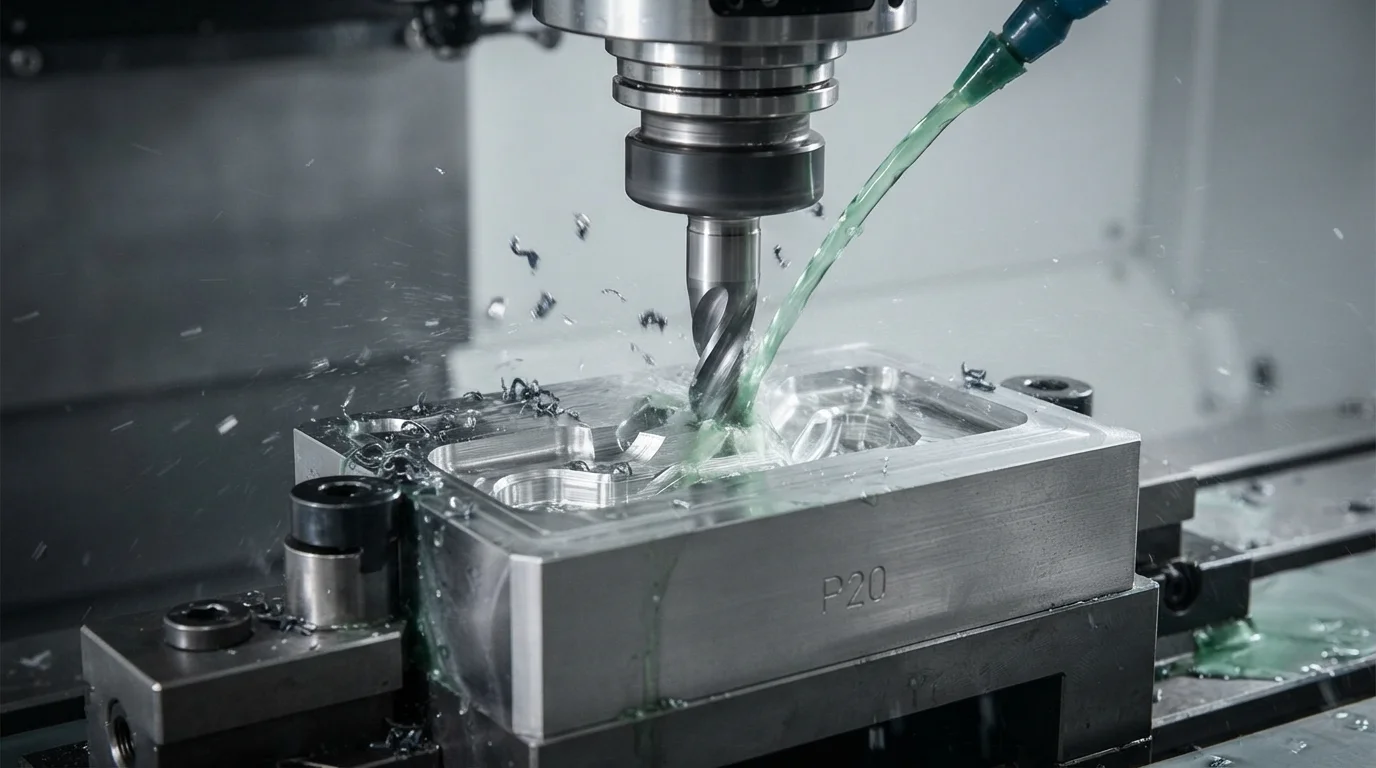
Question: What structural and metallurgical properties make pre-hardened P20 steel the baseline requirement for molding fiberglass-boosted polymers? Its higher surface hardness (approx. 300 HB) and tougher micro-structure resist the scraping action of glass strands far more effectively than softer non-ferrous metals.
When project requirements dictate structural glass-filled plastics, specifying P20 pre-hardened steel prevents unexpected gate washout and ensures stable dimensional retention across the entire production campaign. Utilizing an experienced CNC Machining Service ensures P20 mold cores are carved with flawless precision.
Optimizing mold durability when handling reinforced polymers involves tracking key operational safeguards:
- Hardened gating inserts—Employing small P20 or tool steel inserts at high-velocity gate entry points
- Optimized melt speeds—Tuning injection velocities to minimize shear-induced fiber breakage and abrasive wall scour
- Regular metrology audits—Inspecting critical dimensions periodically to catch early gate erosion
Hybrid Solutions: Using Steel Inserts in Aluminum Molds
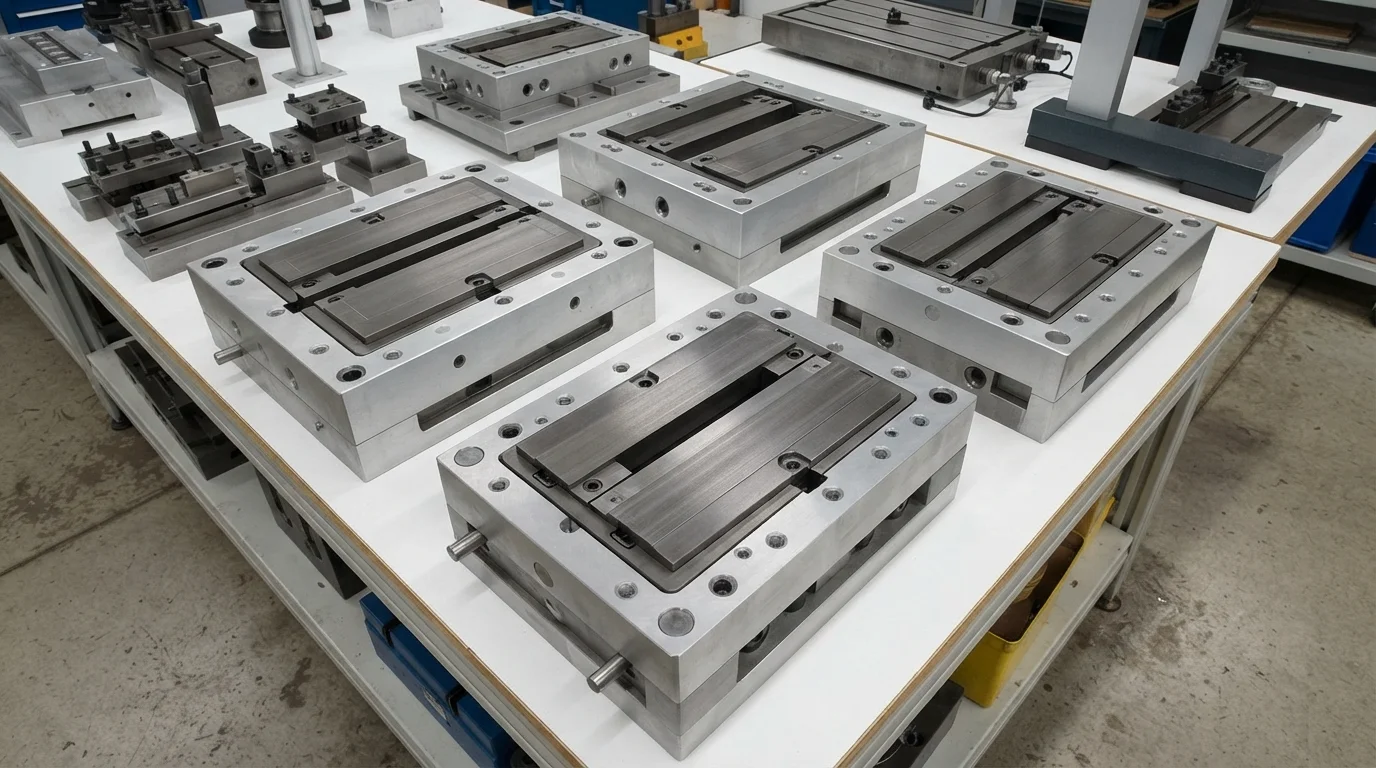
Jucheng Precision supports hardware developers by delivering comprehensive 24-hour free DFM reviews that evaluate resin abrasiveness, alloy compatibility, and gating strategies prior to tool cutting. Operating with 150+ advanced CNC machines alongside 35+ specialized injection molding workstations, our ISO 9001 certified facilities ensure smart material and resin matching.
Key operational advantages of our precision hybrid tooling framework include:
- Smart alloy matching—Pairing aluminum speed with targeted steel inserts in high-wear gate zones
- Advanced CNC fabrication—Utilizing multi-axis workstations to achieve seamless insert pocket integration
- Zero minimum order constraints—No MOQ policies allow exact inventory alignment with customized pilot production runs
Planning to mold glass-filled plastics? Smart Material and Resin Matching at Jucheng Precision ensures your rapid tooling survives abrasive service.
Frequently Asked Questions (FAQ)
Why do glass-filled plastics cause severe wear in aluminum rapid molds?
Chopped glass fibers act like liquid sandpaper, scouring soft aluminum surfaces along high-velocity runner channels and gate entry points during rapid injection cycles.
Is P20 steel mandatory when molding glass-reinforced resins like PA+GF?
P20 pre-hardened steel is strongly recommended because its higher surface hardness resists abrasive fiber erosion far better than softer non-ferrous metals, ensuring stable mold lifespans.
How does Jucheng Precision handle abrasive glass-filled resins in rapid tooling?
Jucheng Precision provides 24-hour free DFM reviews, smart material matching, hybrid steel-insert configurations, and precision injection molding to protect your rapid tools against abrasive wear.

