


Balancing capital expenditure constraints during the early stages of a hardware program requires evaluating every line item on a tooling quotation with meticulous scrutiny. Project managers often struggle to determine whether spending extra capital on a pre-hardened steel block will yield a better financial return than choosing a faster, lighter aluminum plate. Small discrepancies in initial material sourcing and machining hours can accumulate into significant variances across overall venture funding.
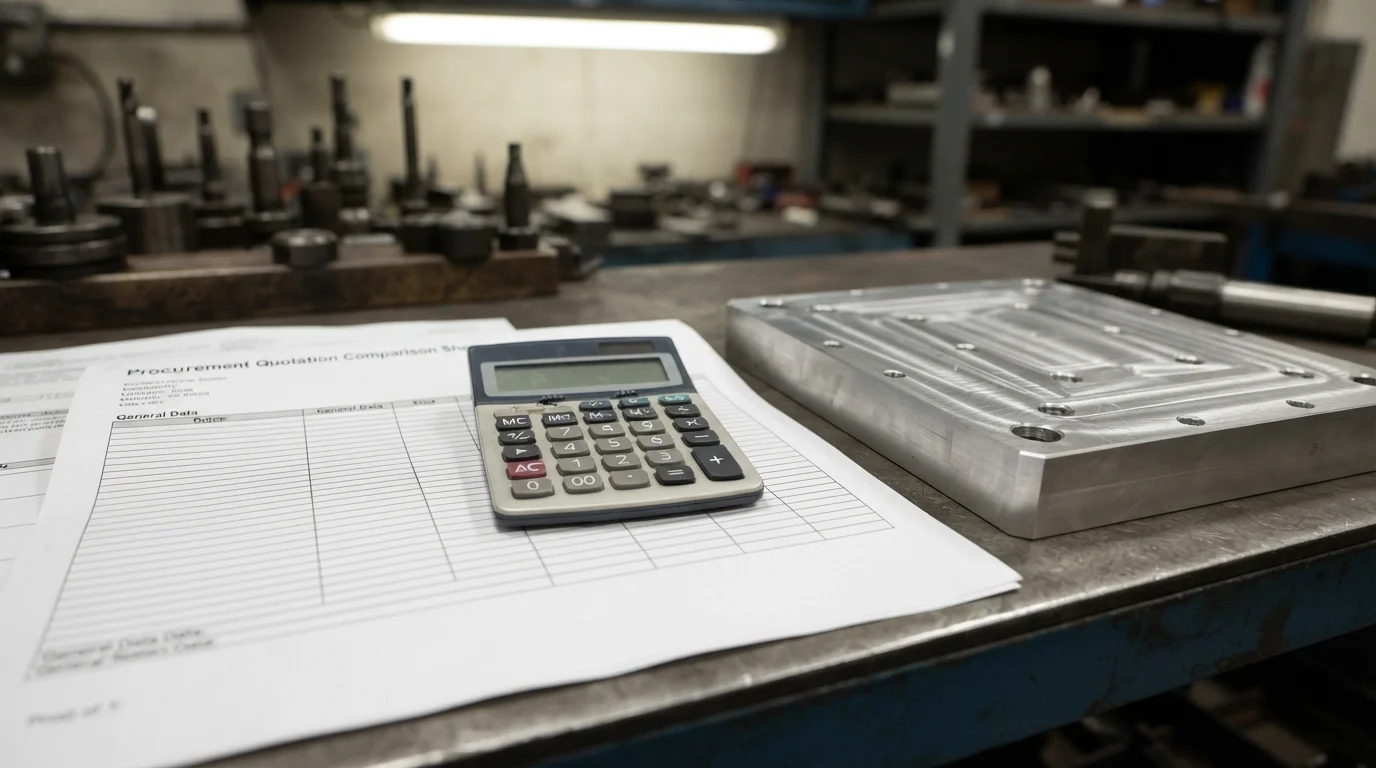
Conducting a thorough cost analysis p20 steel vs aluminum tooling unmasks the hidden financial variables that traditional estimates often overlook. Looking past initial plate purchase prices to analyze total machining hours, labor overhead, and projected lifecycle volume ensures your New Product Introduction budget stays protected from unexpected overruns.
Table of Contents
1. Raw Material Plate Sourcing Costs: Aluminum versus Steel Stock
2. CNC Machine Hour and Labor Cost Differences in Toolrooms
3. Total Cost of Ownership (TCO) Calculations for NPI Programs
Raw Material Plate Sourcing Costs: Aluminum versus Steel Stock
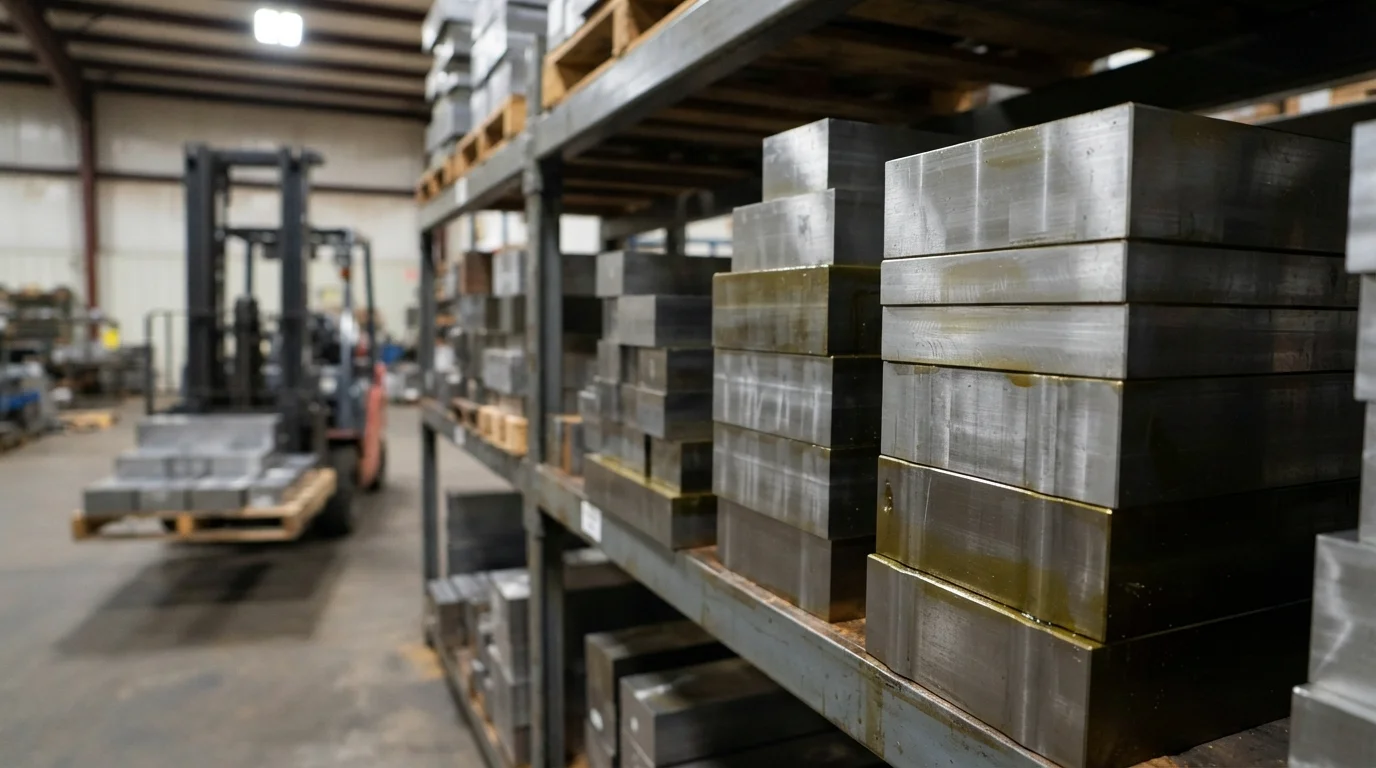
The financial journey of building a rapid mold begins directly at the metal distributor yard. Premium aerospace aluminum plates like AL7075-T6 and certified vacuum-degassed pre-hardened P20 steel blocks carry distinct market pricing based on alloy scarcity, block dimensions, and certificate documentation requirements. Generally, raw aluminum stock commands a higher baseline material price per kilogram compared to standard pre-hardened steel stock, yet this initial difference is frequently neutralized during subsequent toolroom machining stages.
Evaluating raw material acquisition expenses requires assessing the exact block dimensions needed to accommodate your part geometry, runner layouts, and ejector box clearances. Utilizing an agile Rapid Tooling Service optimizes block sizing, minimizing metal waste before high-speed CNC milling begins.
CNC Machine Hour and Labor Cost Differences in Toolrooms
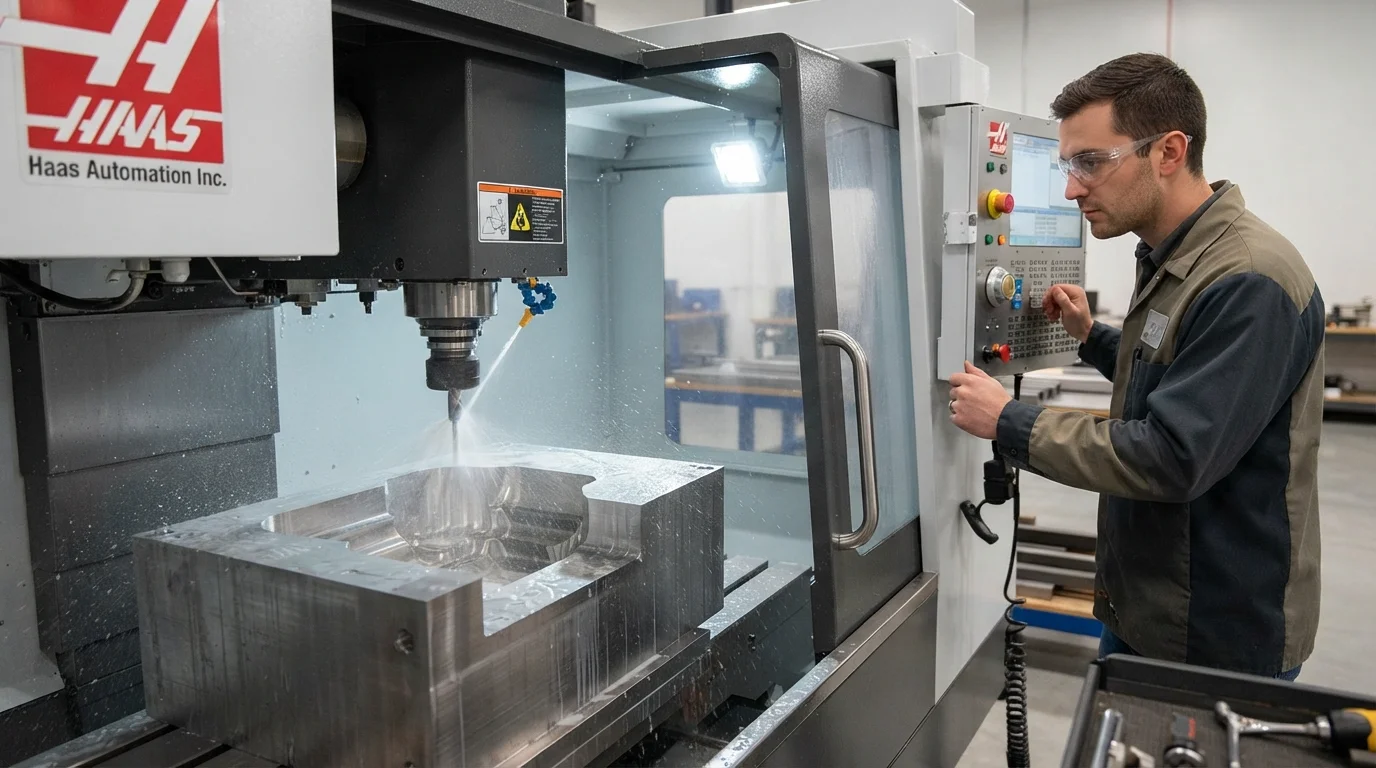
Question: Why do CNC machining labor expenses fluctuate so dramatically when switching toolroom programs between aluminum and P20 steel? Aluminum’s soft metallurgical composition allows aggressive spindle speeds and fast cutting feeds, whereas P20 steel requires conservative cutting parameters and frequent tool changes to prevent carbide insert degradation.
Machine hour billing represents a major portion of any tooling quotation. Because aluminum cavities can be carved three to five times faster than P20 steel pockets, total machine utilization time drops significantly, translating into lower direct labor overhead. Sourcing a dedicated CNC Machining Service with multi-axis capabilities maximizes efficiency across both metal types.
Contrasting financial variables across toolroom machining operations involves tracking specific budget metrics:
| Financial Component | AL7075-T6 Aluminum Tooling | Pre-Hardened P20 Steel Tooling |
|---|---|---|
| CNC Cutting Speed & Feed | High-speed aggressive material removal | Conservative feed rates to protect cutters |
| Toolroom Labor Investment | Lower overall machine hour billing | Higher machine hour billing due to extended run times |
| Upfront NRE Quotation | Generally more cost-effective for fast turnarounds | Slightly elevated due to increased milling hours |
Total Cost of Ownership (TCO) Calculations for NPI Programs

Calculating the true Total Cost of Ownership requires looking past initial invoice totals to factor in project lifespan volumes, potential tool modification expenses, and cycle-time efficiency gains. If a low-volume product run stops strictly at two thousand units, an aluminum mold delivers superior financial returns through fast delivery and low upfront NRE. Conversely, if market demand unexpectedly surges toward eight thousand units, choosing P20 steel initially prevents the catastrophic expense of recutting a worn-out aluminum tool halfway through fulfillment.
Jucheng Precision helps corporate procurement teams navigate these financial equations effortlessly by providing comprehensive 24-hour free DFM reviews and transparent pricing breakdowns. Operating with an extensive workshop floor of 150+ advanced CNC machines alongside 35+ specialized injection molding workstations under strict ISO 9001 quality controls, our engineering teams ensure your tooling investment delivers maximum commercial value. Get a cost-effective tooling quote for your next program directly from our experts today.
Frequently Asked Questions (FAQ)

How do CNC machine hours impact the total cost of P20 steel versus aluminum tooling?
Aluminum machines three to five times faster than P20 steel, significantly reducing direct machine hour billing and labor overhead during the rapid tool fabrication phase.
What factors influence the Total Cost of Ownership (TCO) for rapid injection molds?
TCO is determined by factoring in initial raw material plate sourcing, CNC machining labor hours, cycle-time efficiency, expected production volume, and potential tool maintenance expenses.
How does Jucheng Precision assist procurement teams with tooling cost evaluations?
Jucheng Precision provides 24-hour free DFM reviews, transparent financial quotations, and expert alloy consulting to help procurement teams optimize their rapid tooling investments.

