


Rapid Prototyping for Automotive Engineering: Concept to Testing
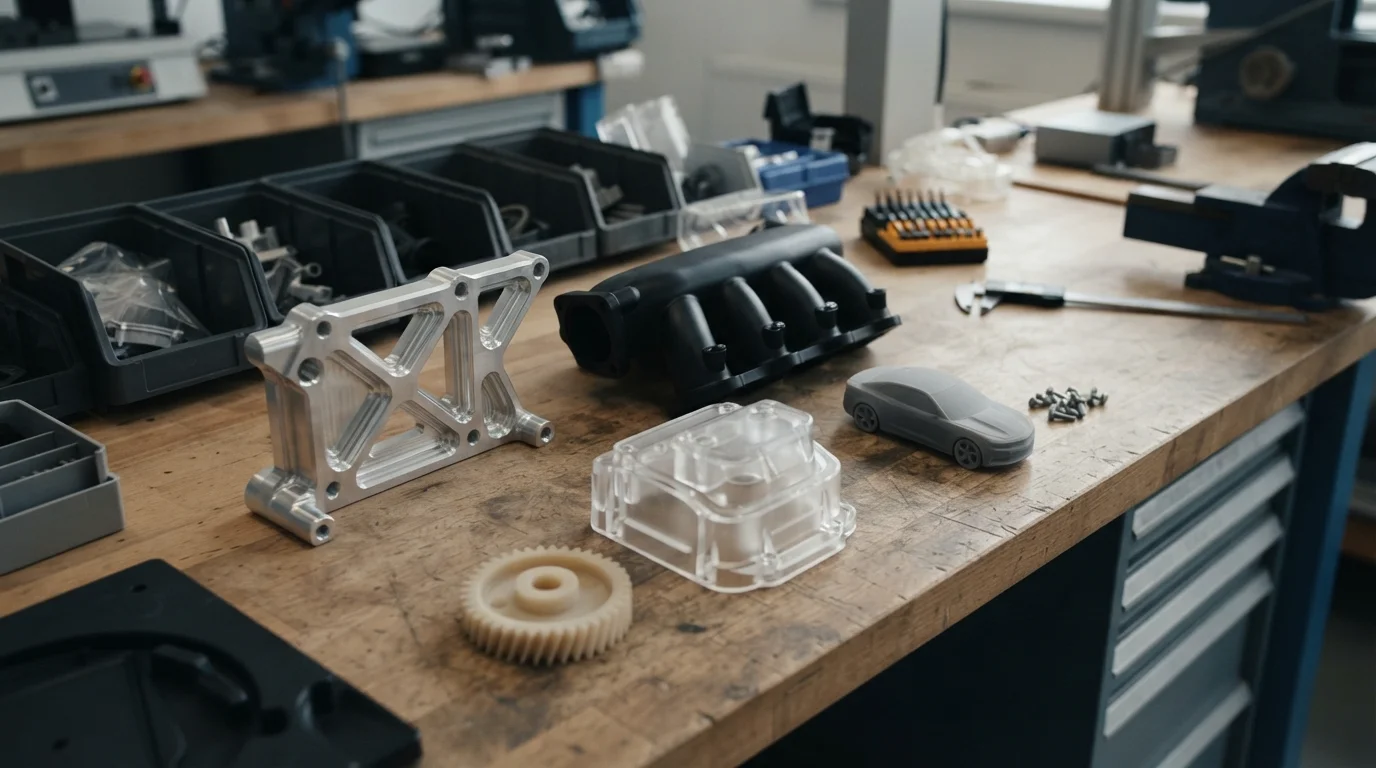
Compressing vehicle development timelines from initial sketching to physical road trials is the ultimate objective for modern automotive engineering directors. When disruptive electric vehicle startups and established tier-one suppliers race to launch next-generation platforms, leveraging rapid prototyping automotive solutions becomes a critical strategic imperative. Without fast physical validation, design flaws remain hidden until expensive hard production tooling has already been cut, risking millions of dollars in capital scrap.
Combining agile CNC machining with versatile vacuum casting allows mechanical teams to evaluate structural integrity and aerodynamic performance in days rather than months. Let us examine how multi-process prototyping streamlines the entire vehicle development lifecycle.
Accelerating the Automotive New Product Introduction (NPI) Cycle
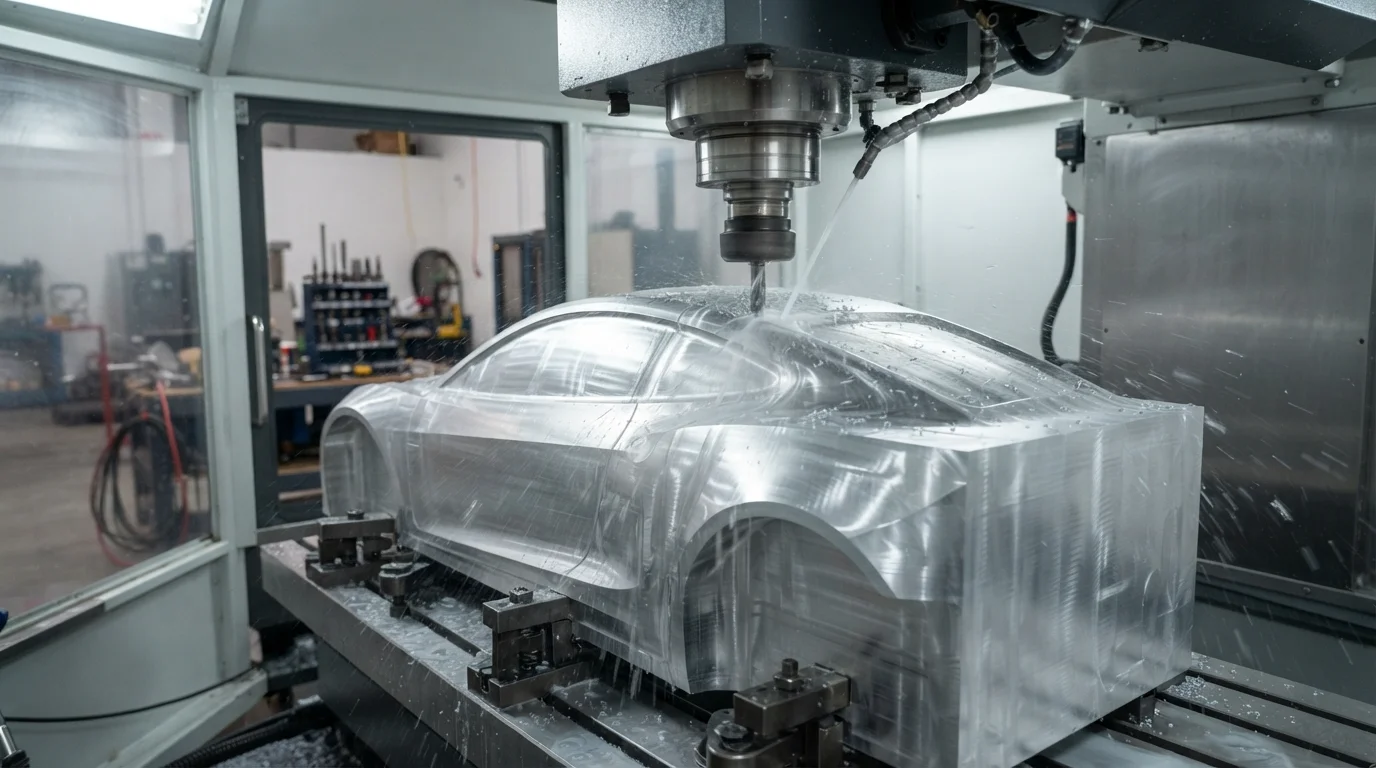
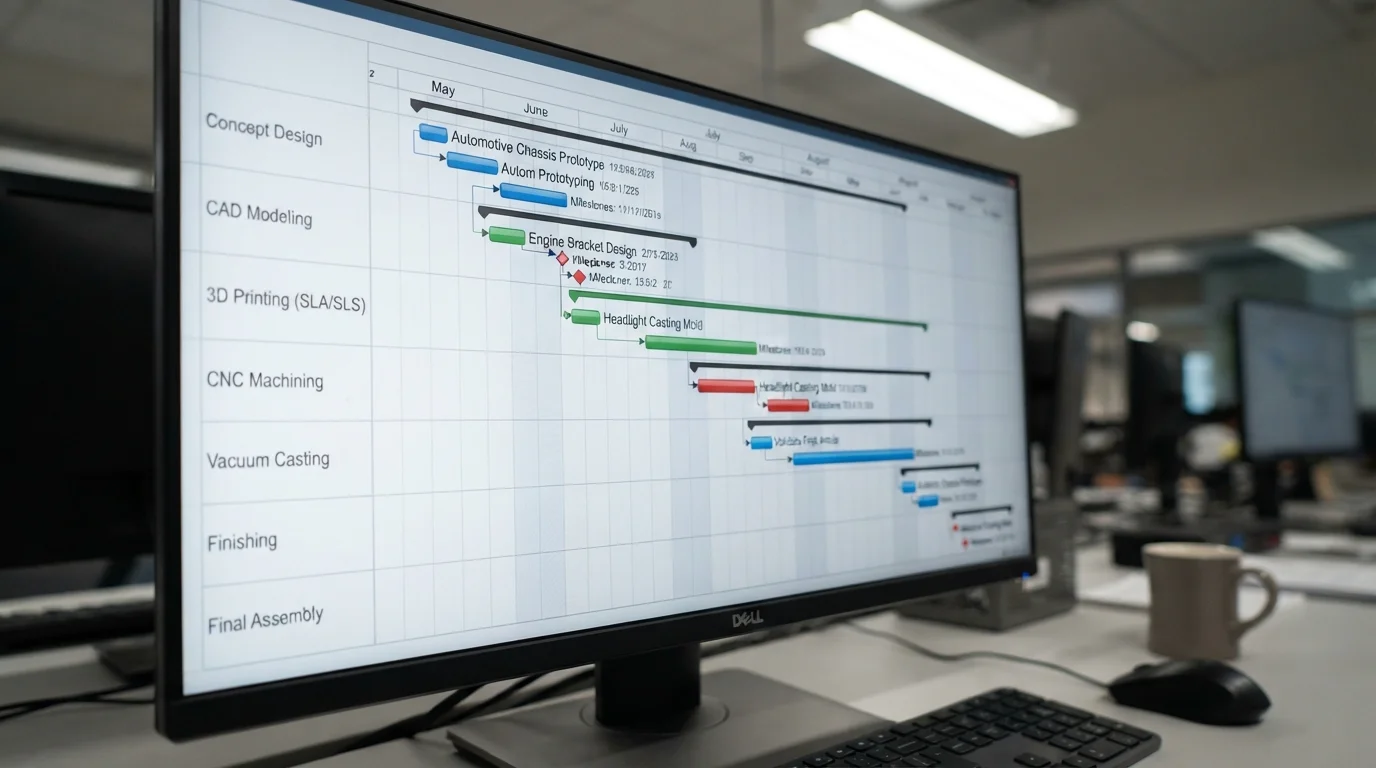
The modern New Product Introduction (NPI) framework relies on concurrent engineering, where styling, structural analysis, and manufacturing feasibility happen simultaneously. Traditional toolroom fabrication schedules are simply too sluggish to support this agile pace. By deploying computer numerical control milling alongside selective laser sintering and silicone tooling, engineers can generate fully functional physical test articles while CAD designs remain fluid.
To implement a high-speed NPI verification schedule, project leads typically execute these synchronized steps:
- Digital Data Freeze: Export primary surface CAD files for immediate multi-axis toolpath programming.
- Alpha Build Generation: Fabricate initial structural brackets using high-strength aluminum or structural steel blocks.
- Beta Assembly Check: Integrate printed and cast components within physical mule cars to verify structural clearances.
Multi-Process Prototyping Under One Roof
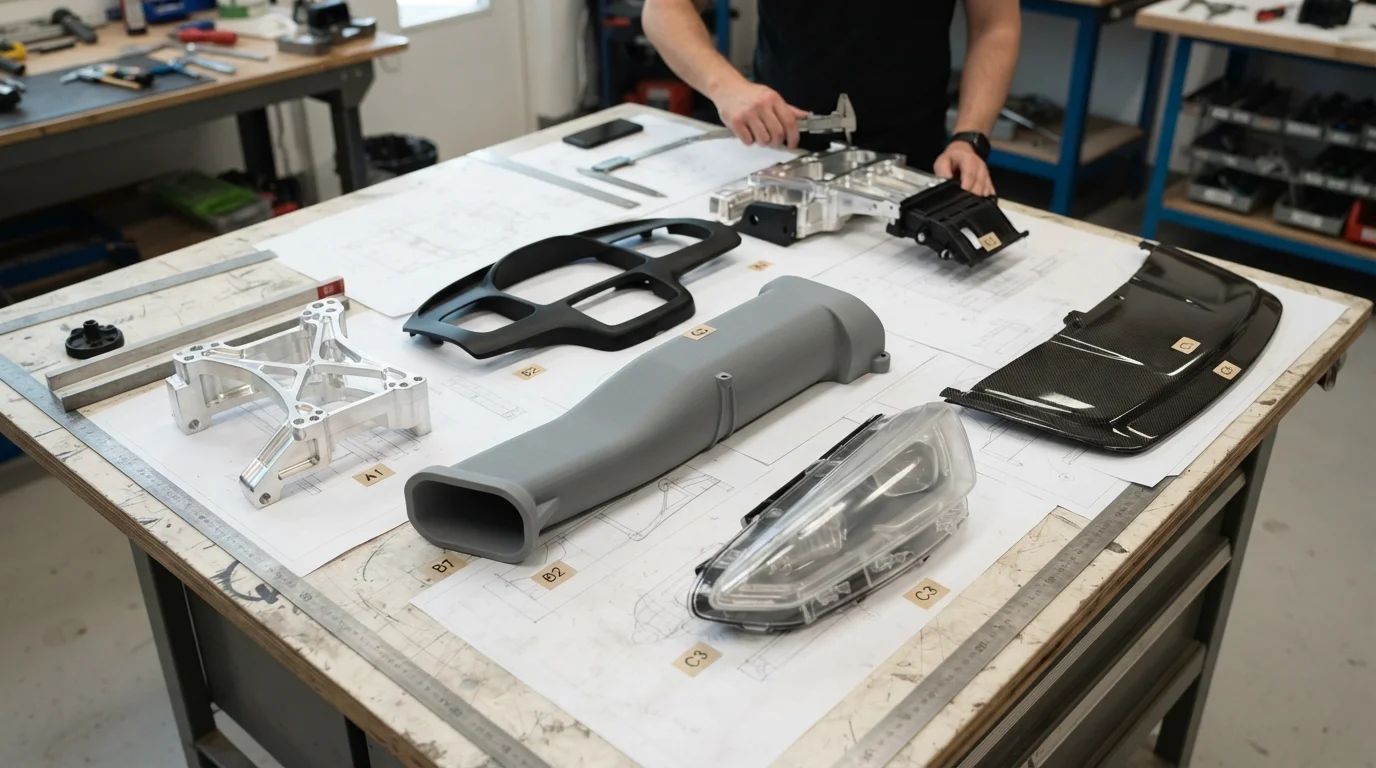
No single manufacturing technology can solve every automotive engineering challenge on its own. For instance, creating a functional dashboard prototype requires transparent light lenses, flexible rubber gaskets, and rigid structural frames—each demanding a totally different processing route. Successfully executing rapid prototyping automotive programs requires an integrated facility capable of orchestrating milling, sheet metal bending, and polymer casting concurrently. Feedback from engineering forums on Reddit and Facebook highlights that single-vendor accountability prevents dimensional mismatches during final assembly.
Evaluating multi-process manufacturing capabilities involves comparing how different technologies serve distinct vehicle subsystems:
| Manufacturing Process | Primary Vehicle Subsystem | Key Advantage in NPI Phase |
|---|---|---|
| 5-Axis CNC Milling | Chassis brackets, suspension nodes | Isotropic structural strength from solid metal blocks |
| Sheet Metal Bending | Battery enclosures, crash beams | Rapid fabrication of lightweight structural plate profiles |
| Vacuum Casting | Headlight lenses, dashboard buttons | Low-cost duplication of production-grade plastics and elastomers |
Validating Form, Fit, and Crashworthiness Before Hard Tooling
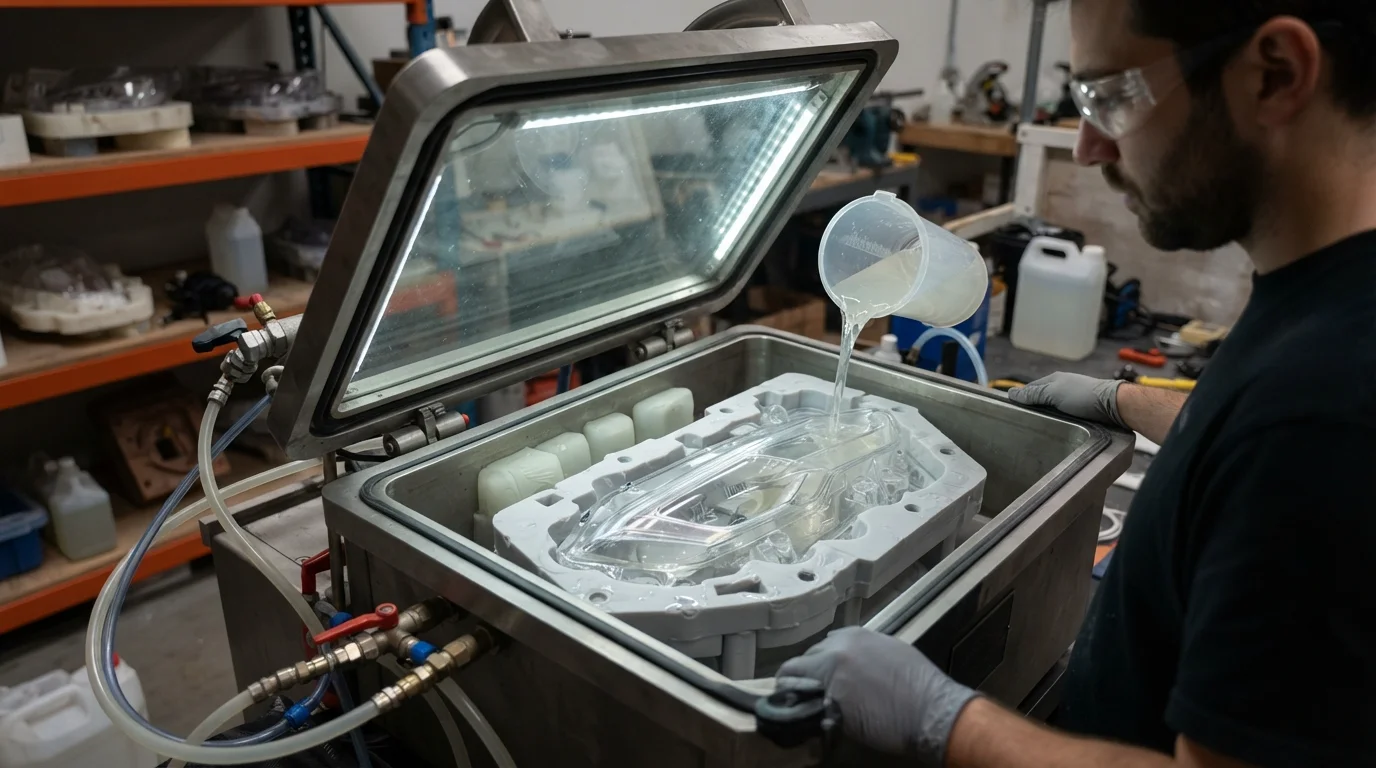
Rushing into mass production without thorough pre-tooling validation is a gamble few automotive programs can survive. Crashworthiness simulations must be anchored against physical drop tests and sled trials using functional parts that replicate final material properties. Building preliminary batches via rapid injection molding bridge tools allows safety engineers to verify structural energy absorption before multi-ton production dies are finalized.
Practical Implementation and Design Maintenance Guidelines
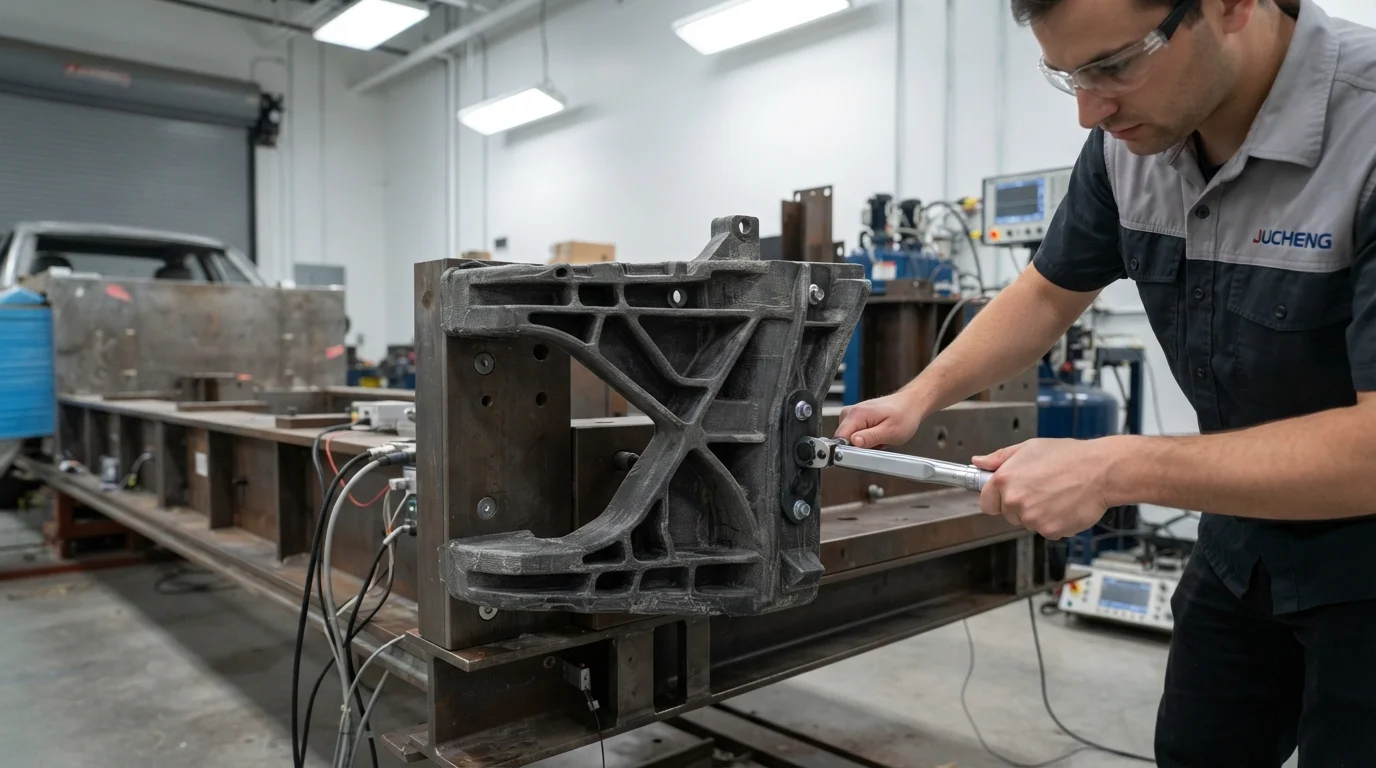
Maintaining smooth project momentum during aggressive prototype schedules requires disciplined digital file management and careful shop-floor handling. Protecting critical tolerance datums prevents costly assembly discrepancies.
Key operational guidelines include:
- Version Control Tracking: Maintain strict digital document trees so machinists always work from the latest validated CAD revision.
- Metrology Cross-Checks: Audit initial prototype samples using CMM scanning to catch microscopic deviations early.
- Protective Packaging: Ship finished prototype brackets inside custom anti-static foam trays to prevent shipping damage.
Frequently Asked Questions (FAQ)
1. Why is rapid prototyping critical for automotive NPI programs?
Rapid prototyping allows engineering teams to validate form, fit, and structural crashworthiness before investing heavily in permanent mass-production tooling.
2. What manufacturing processes are included in multi-process automotive prototyping?
It combines 5-axis CNC machining, sheet metal laser cutting and bending, vacuum casting, and advanced 3D printing under one roof.
3. Can rapid prototypes be used for physical crash and road testing?
Yes, metal parts machined from solid blocks or bridge-molded using real engineering resins possess the true mechanical properties required for rigorous testing.
4. How fast can functional automotive prototypes be delivered?
Depending on geometry and process complexity, functional prototype batches can be manufactured and shipped within 3 to 7 business days.
5. Why is single-vendor accountability important for vehicle prototyping?
Working with a single provider eliminates data translation errors between subcontractors, ensuring seamless mechanical assembly integration.
6. How does Jucheng Precision support automotive engineering teams?
Jucheng Precision provides 24-hour free DFM reviews, multi-process manufacturing, and IATF 16949 certified quality assurance to accelerate vehicle development.
Module 6 – Why Choose JUCHENG for Your Project
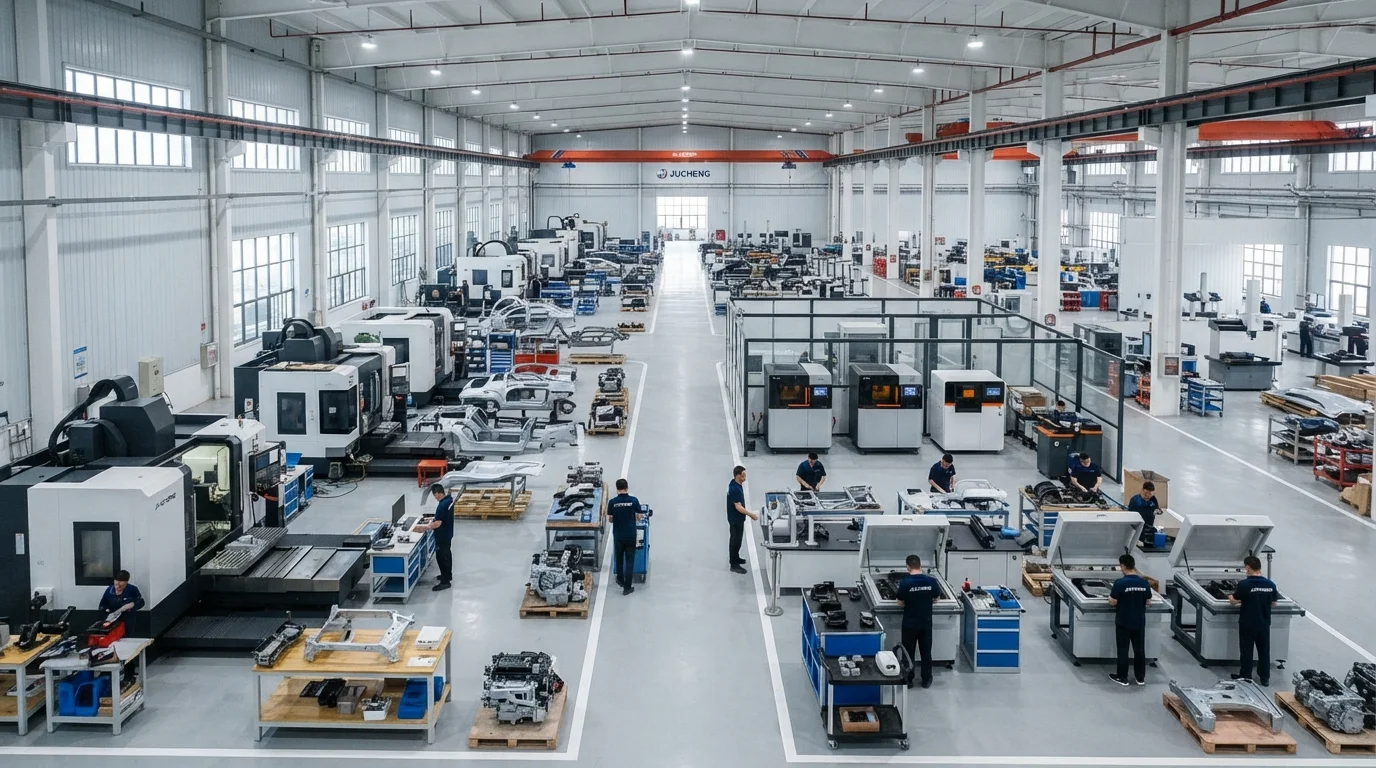
Accelerating vehicle development schedules requires an agile, well-equipped manufacturing partner. JUCHENG supports hardware innovators by delivering comprehensive 24-hour free DFM reviews that analyze tool paths, wall distributions, and assembly datums prior to production. Founded in Shenzhen in 2012 with an 8,000-square-meter facility in Dongguan, our factory houses 150+ advanced machines, including 25+ high-performance 5-axis Haas and Mazak milling centers.
Backed by ISO 9001, ISO 14001, ISO 13485, and IATF 16949 certifications, our engineering teams ensure that executing high-performance rapid prototyping automotive programs achieves strict micron-level precision and absolute delivery reliability.
Ready to Accelerate Your Automotive Prototyping Program?
Upload your 3D models today to receive instant feedback, competitive pricing, and professional DFM analysis from our seasoned engineering experts. Let JUCHENG bring your complex designs to life with unmatched speed and reliability!

