


Modern vehicle styling relies heavily on advanced LED illumination systems, sleek headlamp bezels, and complex optical light guides to define a brand’s unique visual signature. Designing these components requires addressing simultaneous thermal management challenges and strict optical clarity standards before mass manufacturing begins. Waiting months for traditional hardened steel production molds to arrive can severely disrupt vehicle launch timetables and inflate early engineering expenses. Adopting rapid tooling for automotive lighting allows tier-one lighting manufacturers to validate optical performance and structural housing fits rapidly using authentic optical polymers.
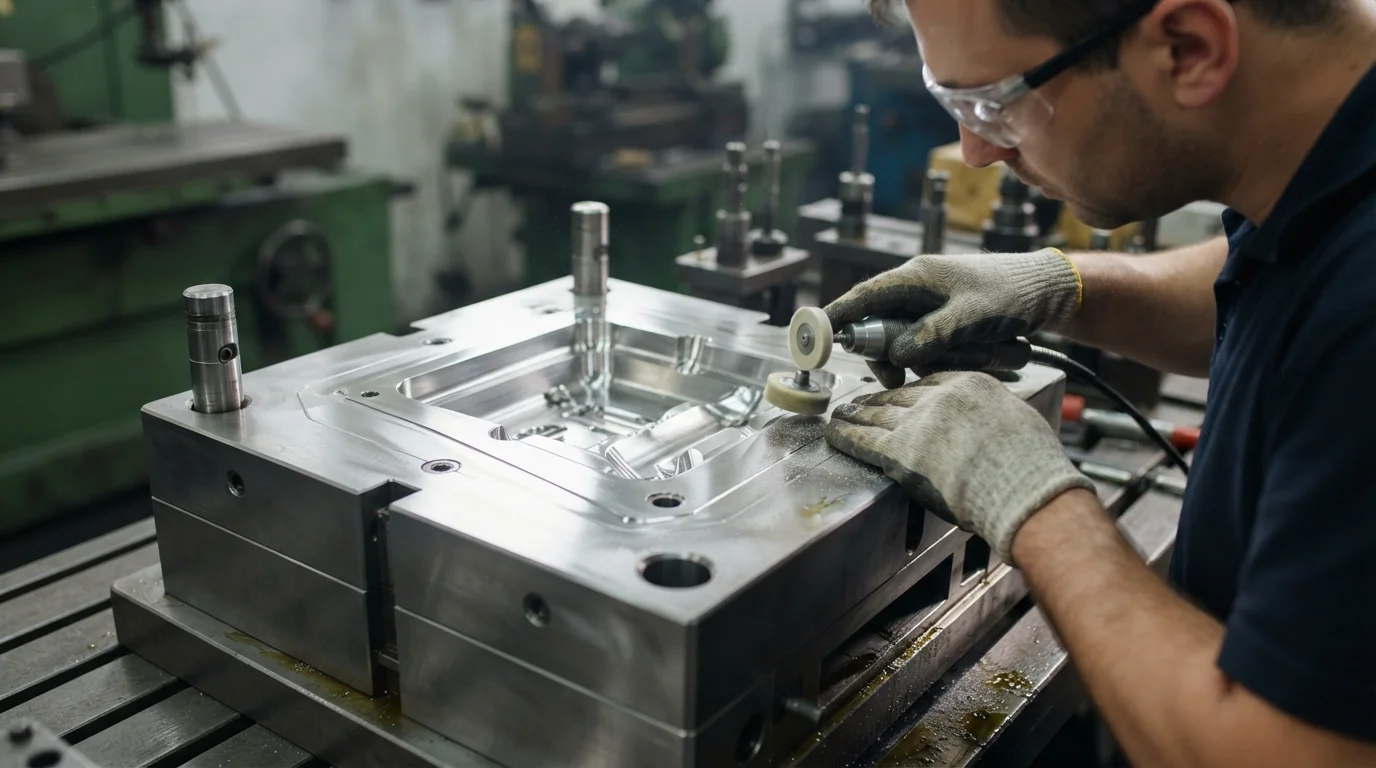
Mastering Rapid tooling industry applications in the lighting sector requires partnering with advanced facilities equipped for high-precision optical polishing and tight-tolerance CNC machining. Utilizing soft aluminum or pre-hardened steel mold inserts accelerates design iterations while injecting genuine automotive resins under actual molding pressures. Let us examine how specialized rapid molding techniques solve complex thermal and optical design hurdles for next-generation vehicle lamps.
Table of Contents
1. The Critical Role of Thermal Management in LED Lighting
2. Precision Molding for Complex Optical Reflector Geometries
The Critical Role of Thermal Management in LED Lighting
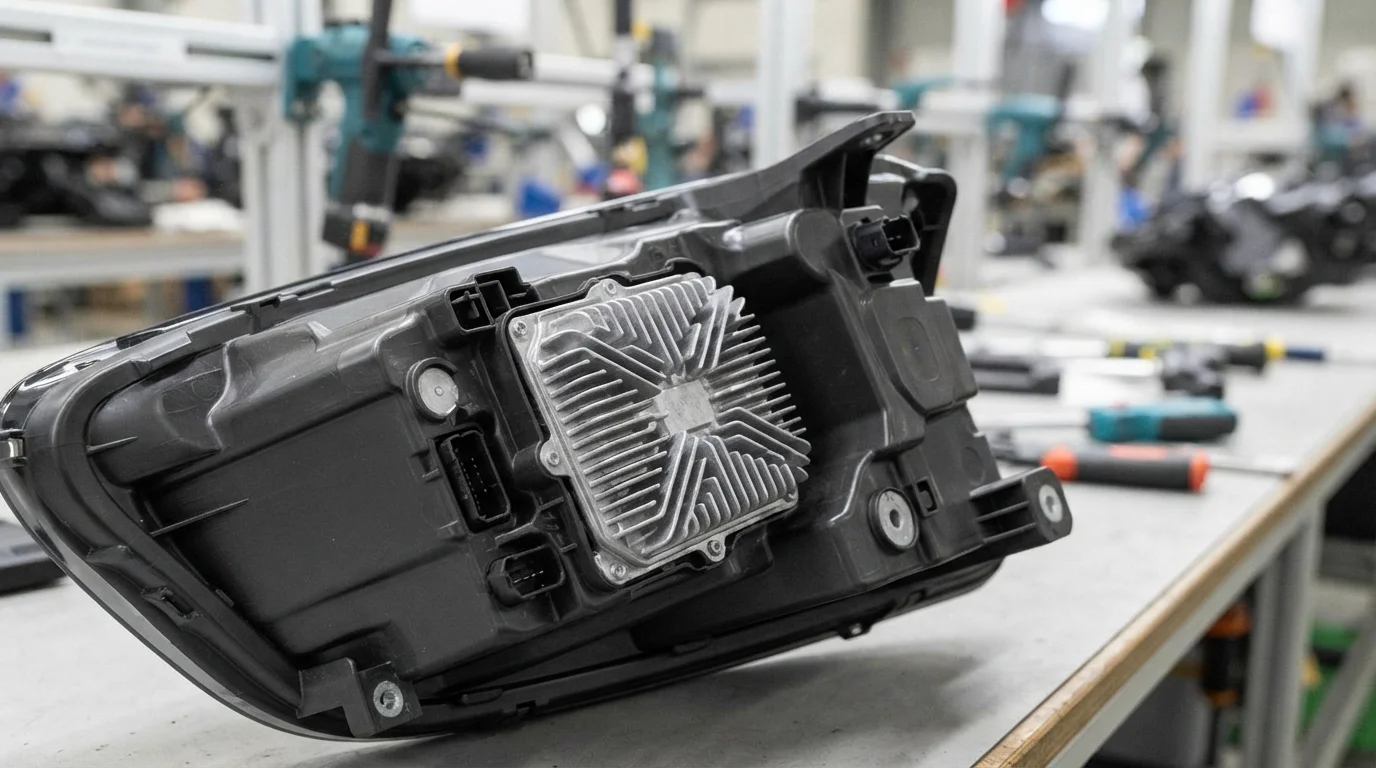
Question: Why is effective thermal management essential when prototyping automotive LED lamp housings? High-intensity semiconductor diodes generate concentrated localized heat that can warp plastic enclosures or degrade optical lenses if heat dissipation channels fail.
Designing modern headlamp enclosures involves integrating intricate cooling fins, aluminum heat sink mounts, and sealed wiring channels directly into structural polymer housings. Relying on simple 3D-printed mockups fails to reveal how real thermoplastic resins handle continuous thermal loads or prevent moisture condensation inside sealed optical chambers. Sourcing a dedicated Rapid Tooling Service allows lighting engineers to evaluate true thermal dissipation behavior long before committing to mass production. Sourcing custom metal mounting brackets via an experienced CNC Machining Service ensures electronic circuit boards align correctly inside outer housings.
Evaluating the strict physical demands placed on automotive lighting assemblies requires tracking specific milestone criteria:
- Heat dissipation efficiency—Enclosures must channel thermal energy away from LED diodes to prevent premature lumen degradation
- Hermetic seal integrity—Gasket channels and mating flanges must prevent moisture and dust ingress during high-pressure car washes
- Vibration damping—Lamp mounts must absorb continuous road shocks without fracturing brittle internal bezels
Precision Molding for Complex Optical Reflector Geometries
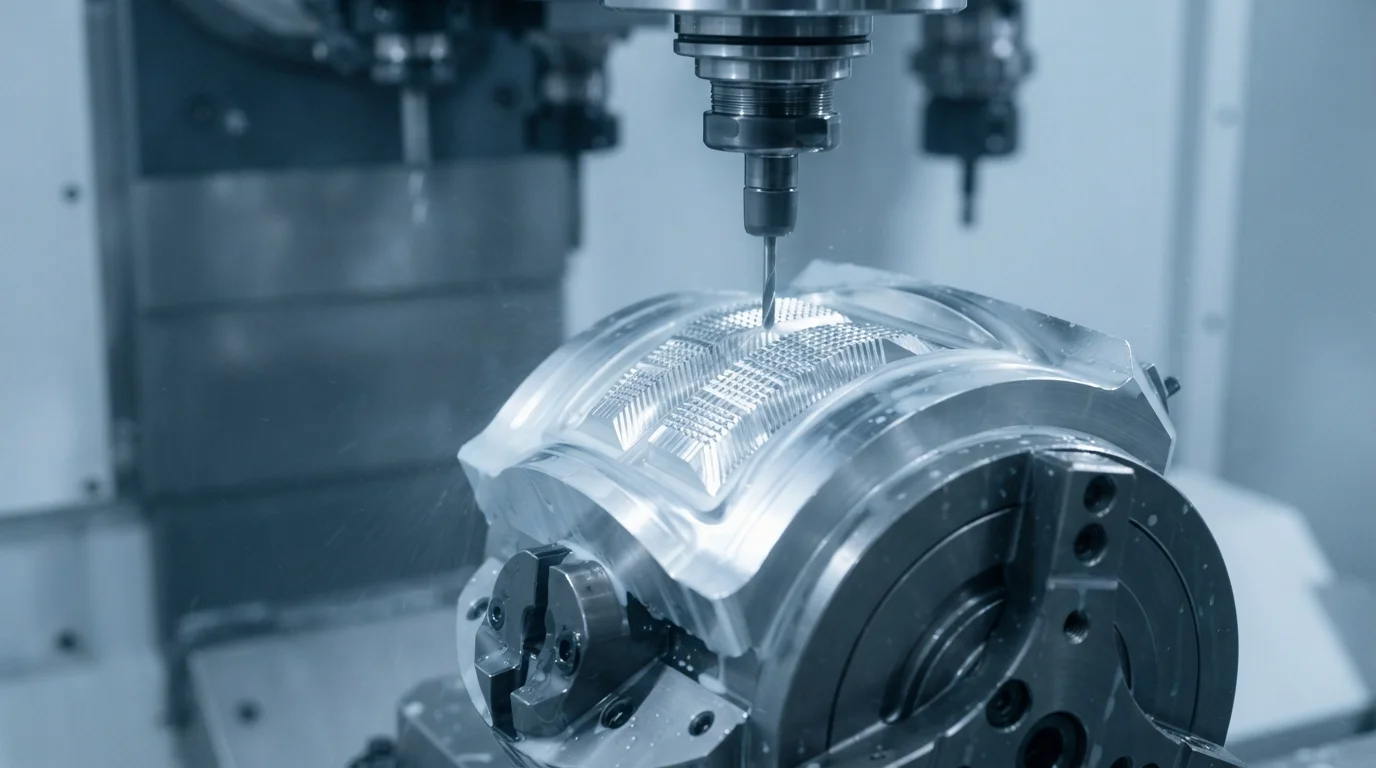
Question: How do rapid mold inserts achieve the mirror-like optical finishes required for headlamp reflectors? High-speed diamond milling and meticulous hand-polishing transform soft aluminum or steel cores into flawless optical surfaces.
Directing LED light beams accurately requires parabolic reflectors and micro-prism arrays machined to microscopic tolerances. Utilizing an agile Injection Molding Service ensures optical polymers like optical-grade Polycarbonate (PC) or PMMA replicate intricate reflector patterns without surface distortion or internal sink marks. Sourcing versatile Vacuum Casting models or initial Prototype Service batches helps validate light scattering patterns before cutting core metal. Reviewing performance metrics across different transparent materials outlines clear optical advantages:
| Optical Polymer | Light Transmission Rate | Impact Resistance | Primary Lighting Application |
|---|---|---|---|
| Optical Polycarbonate (PC) | Up to 90 percent | Extremely high (Road debris resistant) | Outer headlamp lenses, safety covers |
| PMMA (Acrylic) | Up to 92 percent | Moderate | Rear tail lamp covers, light guide bars |
| Modified ABS | Opaque (Electroplate-ready) | High structural toughness | Inner bezels, metalized reflectors |
Seamless Integration with CNC Lenses and Clear Plastics
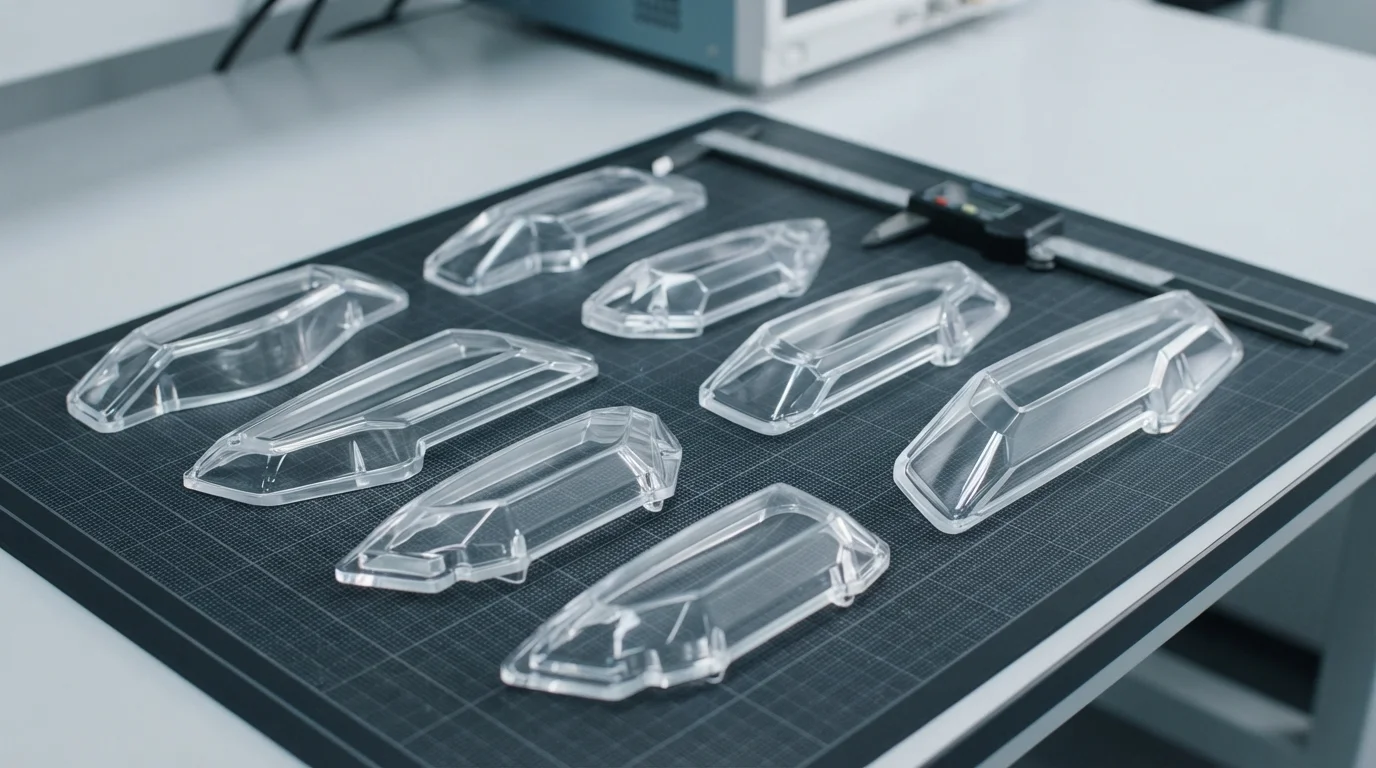
Question: How does combining rapid injection molding with direct CNC machining streamline custom lighting development? Direct CNC milling creates custom clear prototype lenses instantly while rapid molds handle high-volume pilot batches.
Jucheng Precision supports automotive lighting developers by providing comprehensive 24-hour free DFM reviews that analyze draft angles, wall uniformity, and gate locations prior to cutting metal. Operating with 150+ advanced CNC machines and certified quality frameworks, our facilities ensure absolute manufacturing reliability. Sourcing expert engineering guidance ensures your illumination components comply with international photometrical standards seamlessly.
Partnering with an internationally certified manufacturer guarantees full material traceability and part repeatability across lighting supply chains. Key operational strengths of our manufacturing framework include:
- IATF 16949 certified quality management—Stringent automotive quality protocols guarantee absolute manufacturing compliance
- Advanced optical polishing—Skilled toolmakers deliver mirror-finish SPI standards required for crystal-clear lenses
- Zero minimum order constraints—No MOQ policies allow exact inventory alignment with pilot testing batches
Frequently Asked Questions (FAQ)
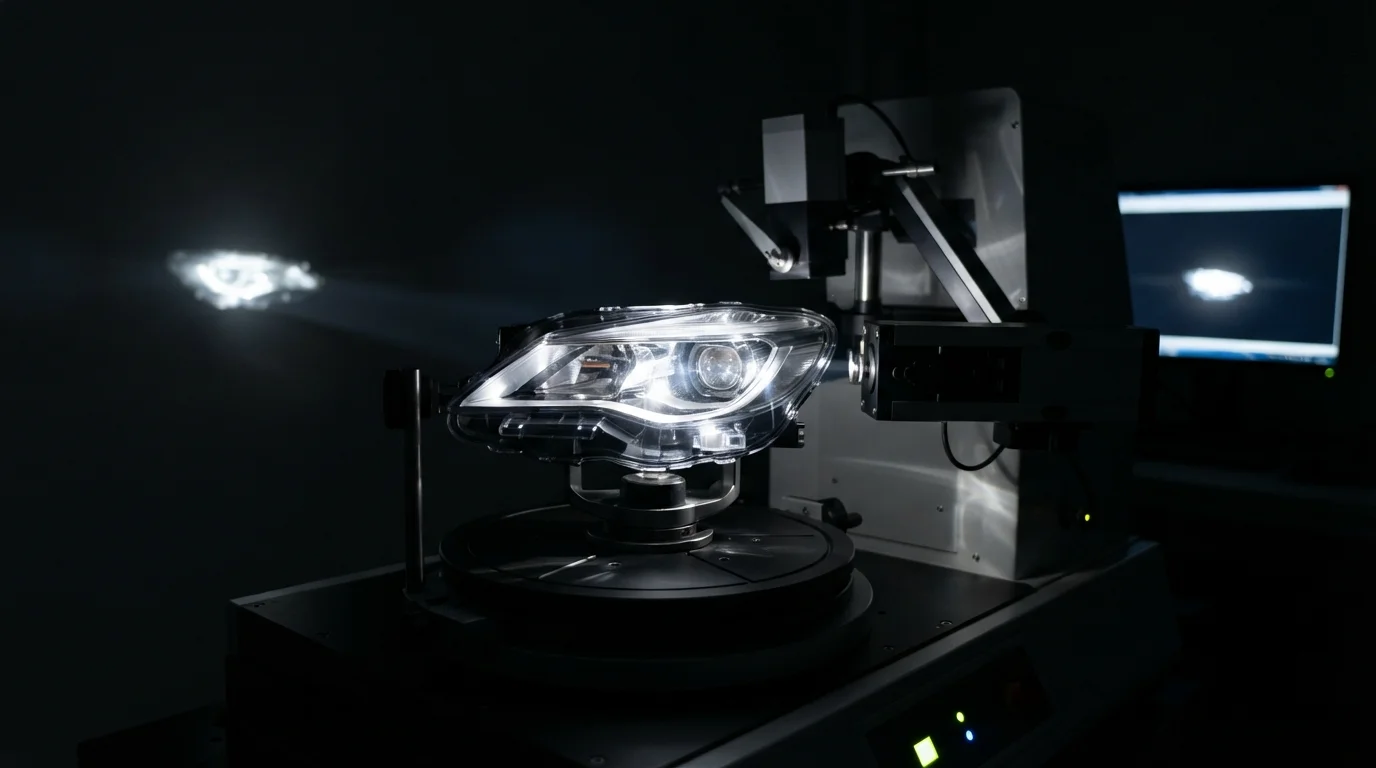
Can rapid tooling produce optically clear lenses for automotive headlamps?
Yes. By utilizing hand-polished aluminum or steel rapid mold inserts and injecting optical-grade polycarbonate or PMMA, rapid tooling yields crystal-clear lenses with true photometrical performance.
How do rapid molds handle complex micro-prism structures in LED reflectors?
Advanced high-speed 5-axis CNC micro-milling centers carve intricate reflector textures directly into the metal mold core, ensuring precise light redirection in the molded parts.
How does Jucheng Precision assist automotive lighting engineers?
Jucheng Precision provides 24-hour free DFM reviews, mirror-finish optical polishing, and IATF 16949 certified injection molding to accelerate vehicle headlamp development.

