


Consumer electronics markets move at an unforgiving pace, where failing to hit seasonal holiday release windows can permanently damage a product line’s market share. Hardware startups and global tech giants alike face immense pressure to compress product lifecycles while maintaining flawless cosmetic and structural integrity. Waiting months for traditional steel production molds to arrive makes rapid commercialization impossible when design tweaks are inevitable. Implementing rapid tooling for consumer electronics allows device makers to produce thousands of high-quality pilot units in a fraction of the standard time.
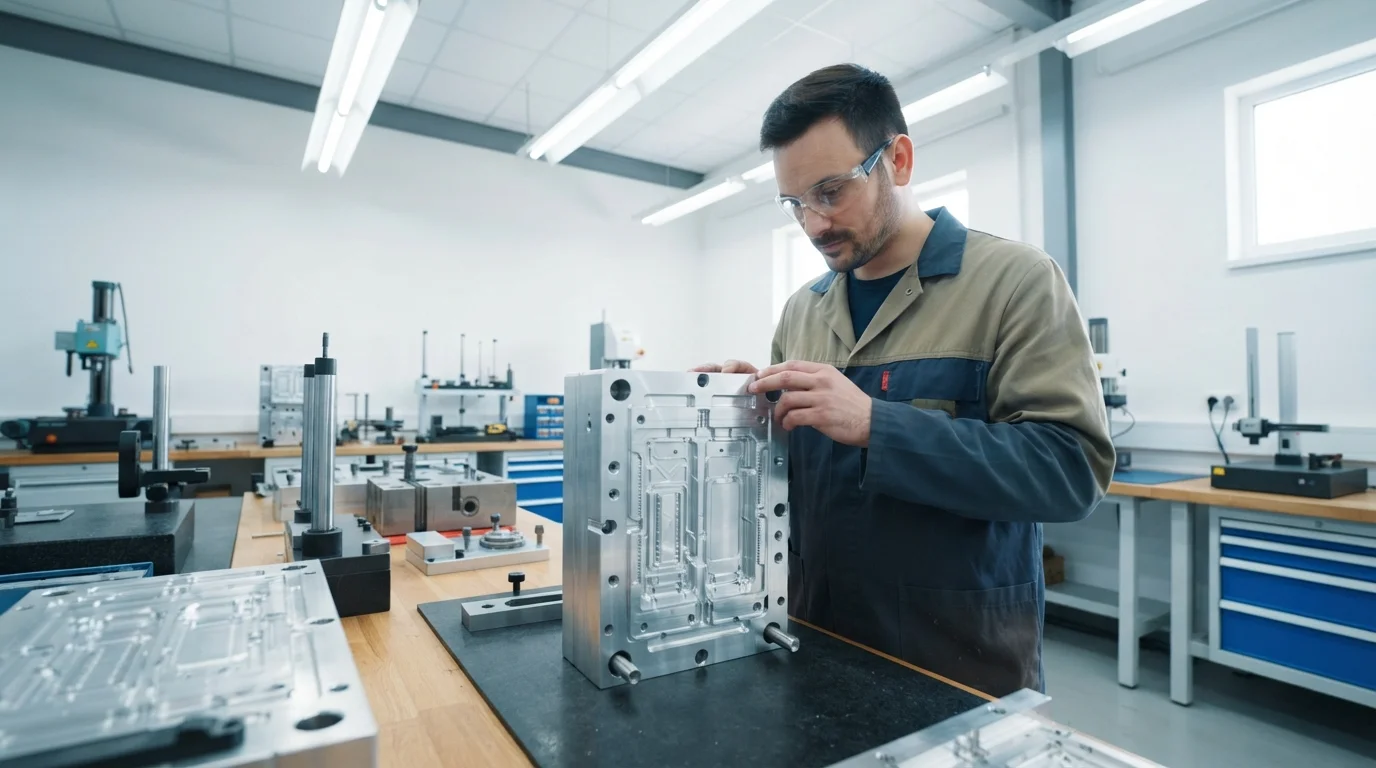
Navigating the high-speed ecosystem of Rapid tooling industry applications requires working with manufacturing partners who specialize in complex thin-wall geometries and pristine surface finishes. Utilizing soft aluminum or pre-hardened steel tool inserts accelerates design revisions while injecting genuine thermoplastics under actual production pressures. Let us examine how agile soft tooling helps gadget designers beat competitors to market without compromising structural durability.
Table of Contents
1. The Rapid Product Lifecycle of Gadgets and Handheld Devices
2. Thin-Wall Molding and Complex Snap-Fits for Electronics Housings
3. Cosmetic Perfection: Matching SPI Finishes and VDI Textures
The Rapid Product Lifecycle of Gadgets and Handheld Devices
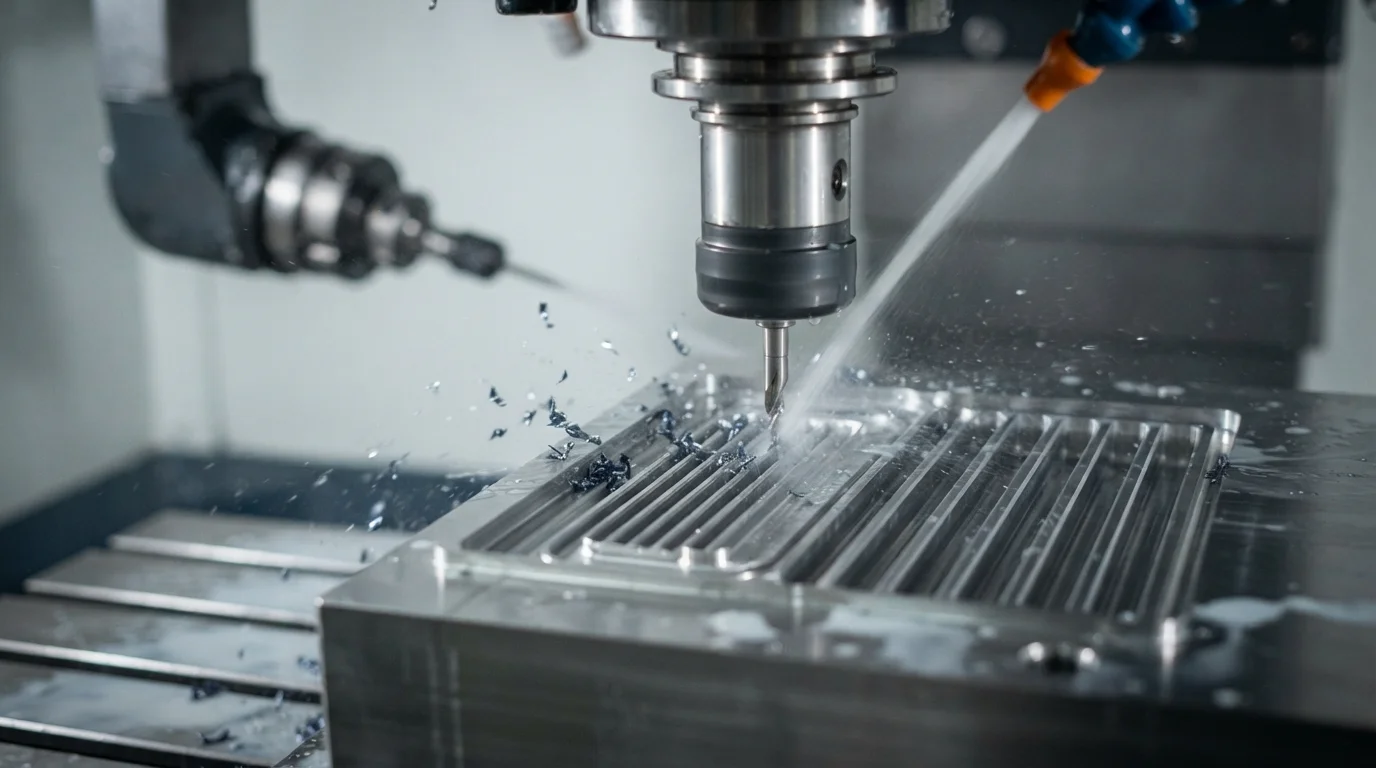
Question: Why do handheld consumer electronics require such accelerated product development cycles? Consumer demand shifts rapidly, forcing hardware brands to iterate designs continuously to incorporate smaller batteries, tighter circuit boards, and upgraded sensors.
Developing portable audio devices, smart remotes, and handheld diagnostic tools involves balancing lightweight portability with drop-resistant structural strength. Relying on slow tooling fabrication schedules creates massive bottlenecks when user testing reveals the need for ergonomic repositioning or internal component shuffling. Sourcing a dedicated Rapid Tooling Service allows mechanical designers to evaluate true thermoplastic performance long before mass tooling is locked down. Sourcing custom internal metal frames via an experienced CNC Machining Service ensures electronic mounts fit outer plastic casings accurately.
Evaluating the strict physical requirements placed on consumer electronic enclosures requires monitoring specific development milestones:
- Drop impact resistance—Enclosures must protect delicate internal electronic displays and microchips from accidental floor impacts
- Ergonomic hand-feel—Housings must feature smooth tactile contours that eliminate sharp parting lines or flashing
- Compact volumetric efficiency—Internal ribbing must maximize structural rigidity without adding unnecessary thickness
Thin-Wall Molding and Complex Snap-Fits for Electronics Housings
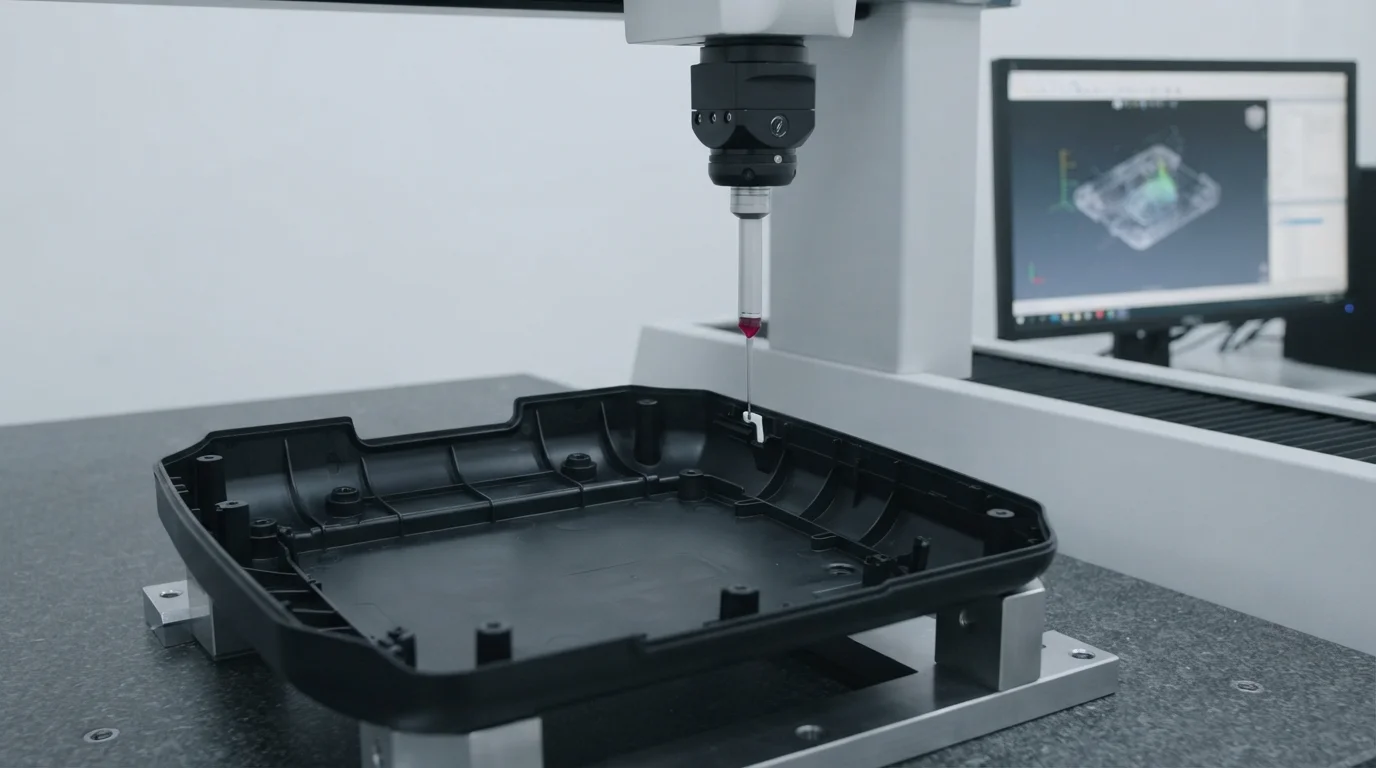
Question: How do rapid mold inserts manage the intricate thin-wall sections common in modern gadget designs? High-speed milling centers carve precision venting and cooling channels into soft metal blocks to ensure complete resin fill without short shots.
Modern consumer devices often feature wall thicknesses under one millimeter alongside complex snap-fit latches that allow toolless assembly. Utilizing an agile Injection Molding Service ensures engineering plastics like impact-resistant ABS, durable Polycarbonate (PC), or lightweight Nylon (PA) flow smoothly into tight mold cavities. Sourcing versatile Vacuum Casting models or initial Prototype Service batches helps validate structural retention forces before cutting mold metal. Examining material behavior across different thermoplastic options highlights clear mechanical strengths:
| Engineering Polymer | Tensile Strength | Snap-Fit Flexibility | Primary Gadget Application |
|---|---|---|---|
| Consumer ABS | High rigidity & impact balance | Good (Reliable snap latches) | Remote controls, handheld cases |
| Polycarbonate (PC) | Exceptional toughness | Excellent (High spring-back) | Rugged device shells, structural bezels |
| Glass-Filled Nylon | Maximum stiffness | Low (Rigid structural support) | Internal chassis, connector frames |
Cosmetic Perfection: Matching SPI Finishes and VDI Textures
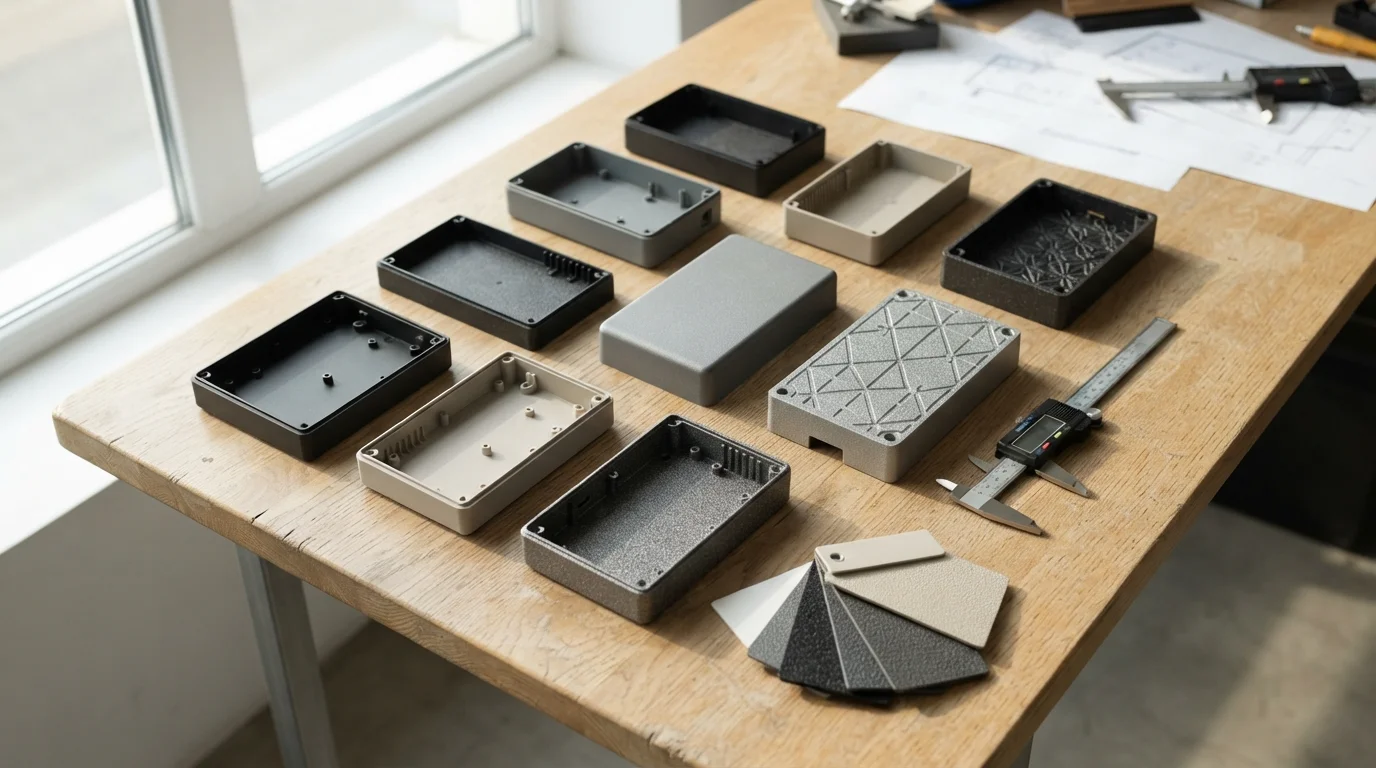
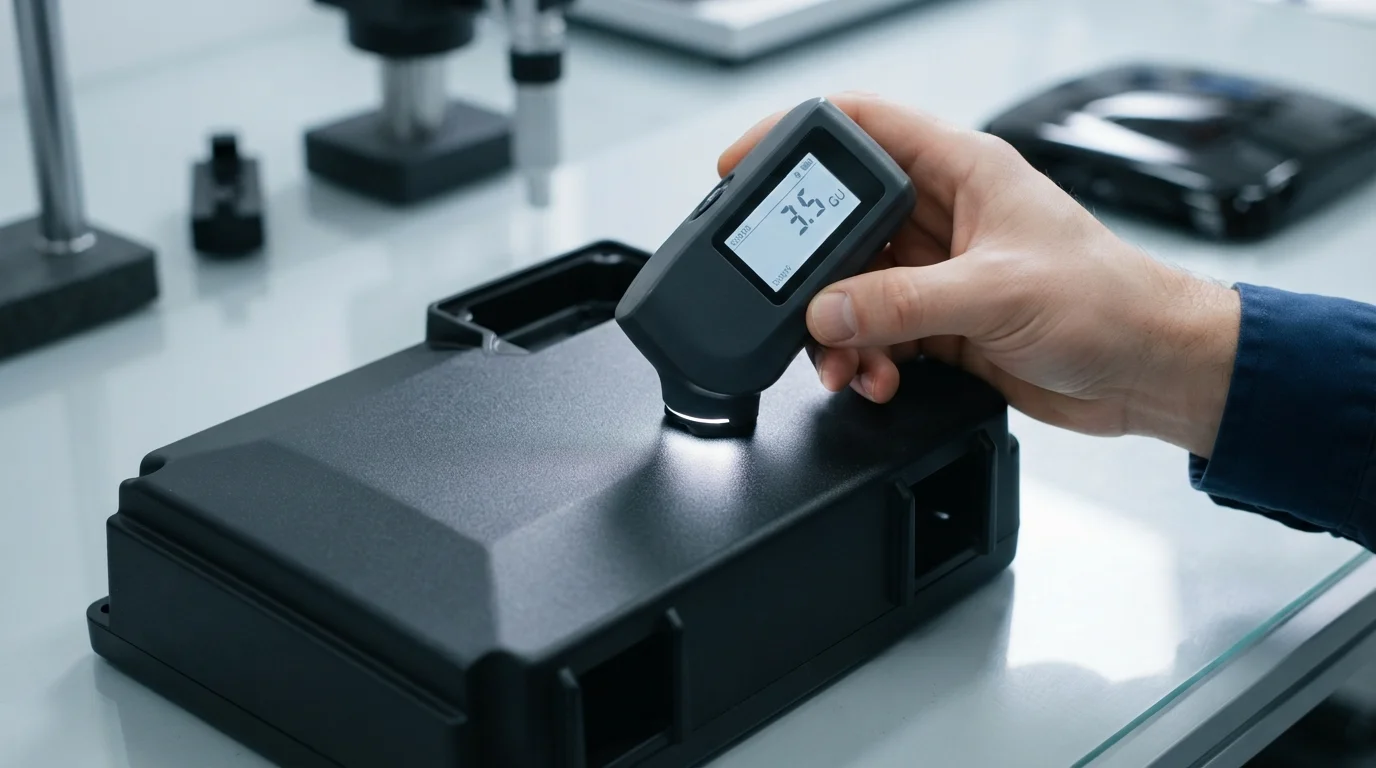
Question: How do rapid molders achieve pristine consumer-grade surface textures on aluminum tooling inserts? Skilled toolmakers apply specialized SPI polishing grades and chemical texturing to eliminate tool marks and deliver retail-ready aesthetics.
Jucheng Precision supports consumer electronics developers by providing comprehensive 24-hour free DFM reviews that analyze draft angles, wall uniformity, and gate locations prior to cutting metal. Operating with 35+ specialized injection molding machines alongside 150+ advanced CNC systems, our facilities ensure absolute manufacturing reliability. Sourcing expert engineering guidance guarantees your electronic casings comply with strict retail visual standards seamlessly.
Partnering with an internationally certified manufacturer guarantees full material traceability and part repeatability across consumer supply chains. Key operational strengths of our manufacturing framework include:
- ISO 9001 and ISO 14001 compliance—Rigorous environmental and quality protocols ensure sustainable manufacturing practices
- Advanced cosmetic finishing—Expert polishing teams deliver flawless high-gloss SPI-A2 finishes and matte VDI textures
- Zero minimum order constraints—No MOQ policies allow exact inventory alignment with fast-moving pilot rollouts
Frequently Asked Questions (FAQ)
Can rapid tooling produce consumer electronics parts with retail-ready cosmetic finishes?
Yes. By applying precise SPI polishing grades and VDI texture etching directly onto aluminum or steel rapid mold cavities, molded casings achieve flawless consumer-grade aesthetics.
How do rapid molds handle thin-wall sections in handheld gadget enclosures?
High-speed CNC milling and optimized cooling channels allow rapid molds to maintain accurate thermal control, ensuring complete thermoplastic resin fill across delicate thin-wall ribs.
How does Jucheng Precision assist consumer electronics hardware developers?
Jucheng Precision operates 35+ injection molding presses and 150+ CNC machines, providing 24-hour free DFM reviews and rapid tooling to accelerate gadget time-to-market.

