


The wearable technology market demands extreme miniaturization, seamless ergonomic curves, and skin-safe comfort without sacrificing internal electronic durability. Designing smart fitness bands, health monitoring rings, and augmented reality accessories requires packaging miniature circuit boards and biosensors into ultra-compact polymer housings. Waiting months for traditional hardened steel production molds to arrive can easily derail product launch windows in this fast-moving consumer tech sector. Adopting rapid tooling for smart wearable devices allows hardware engineering teams to produce functional pilot units quickly using authentic skin-safe materials.
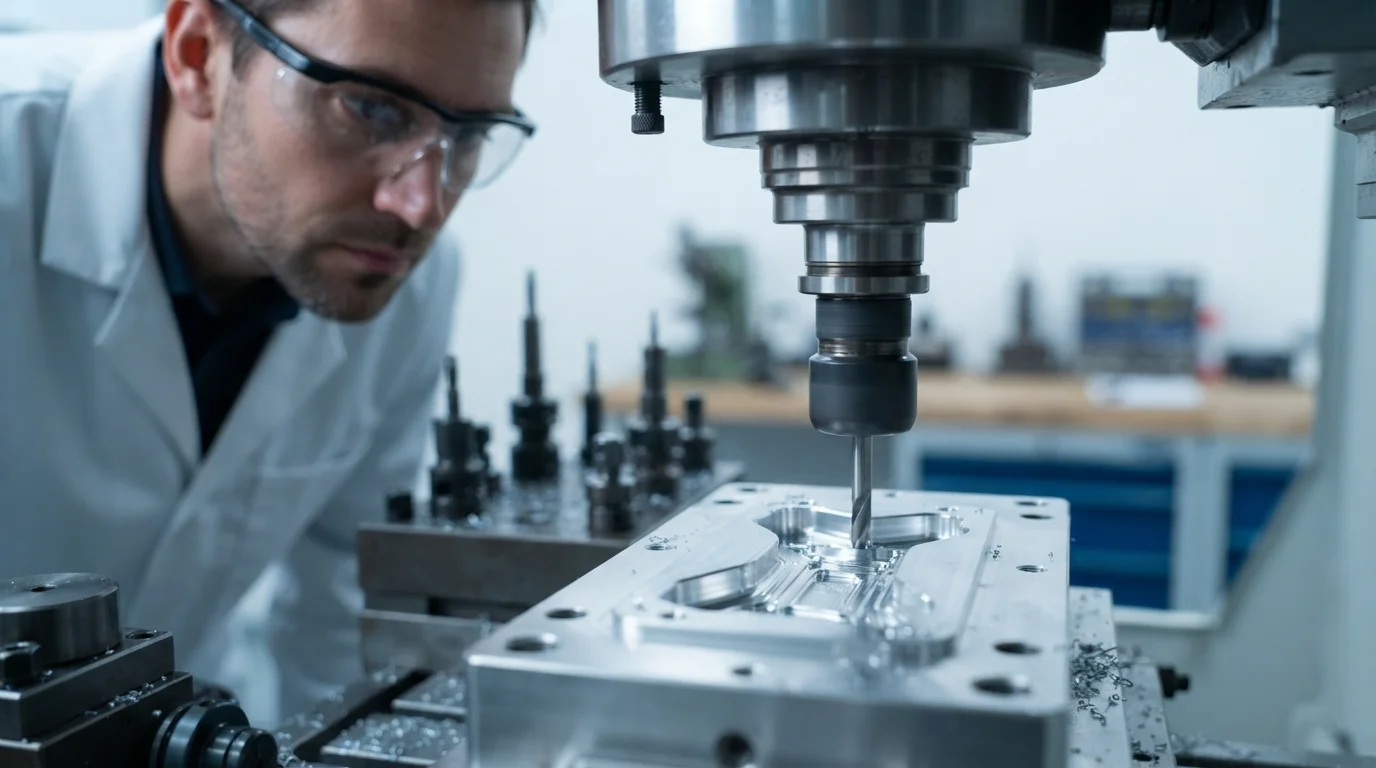
Mastering Rapid tooling industry applications in the wearable tech domain requires partnering with advanced manufacturing facilities capable of executing microscopic precision milling and multi-material overmolding. Utilizing soft aluminum or pre-hardened steel tool inserts accelerates design revisions while injecting genuine thermoplastics under actual production pressures. Let us examine how agile soft tooling helps wearable innovators solve micro-molding challenges and ensure ergonomic comfort.
Table of Contents
1. The Challenge of Tiny Components and Micro-Molding
2. Overmolding Soft TPE/TPU Grips on Smart Bands
The Challenge of Tiny Components and Micro-Molding
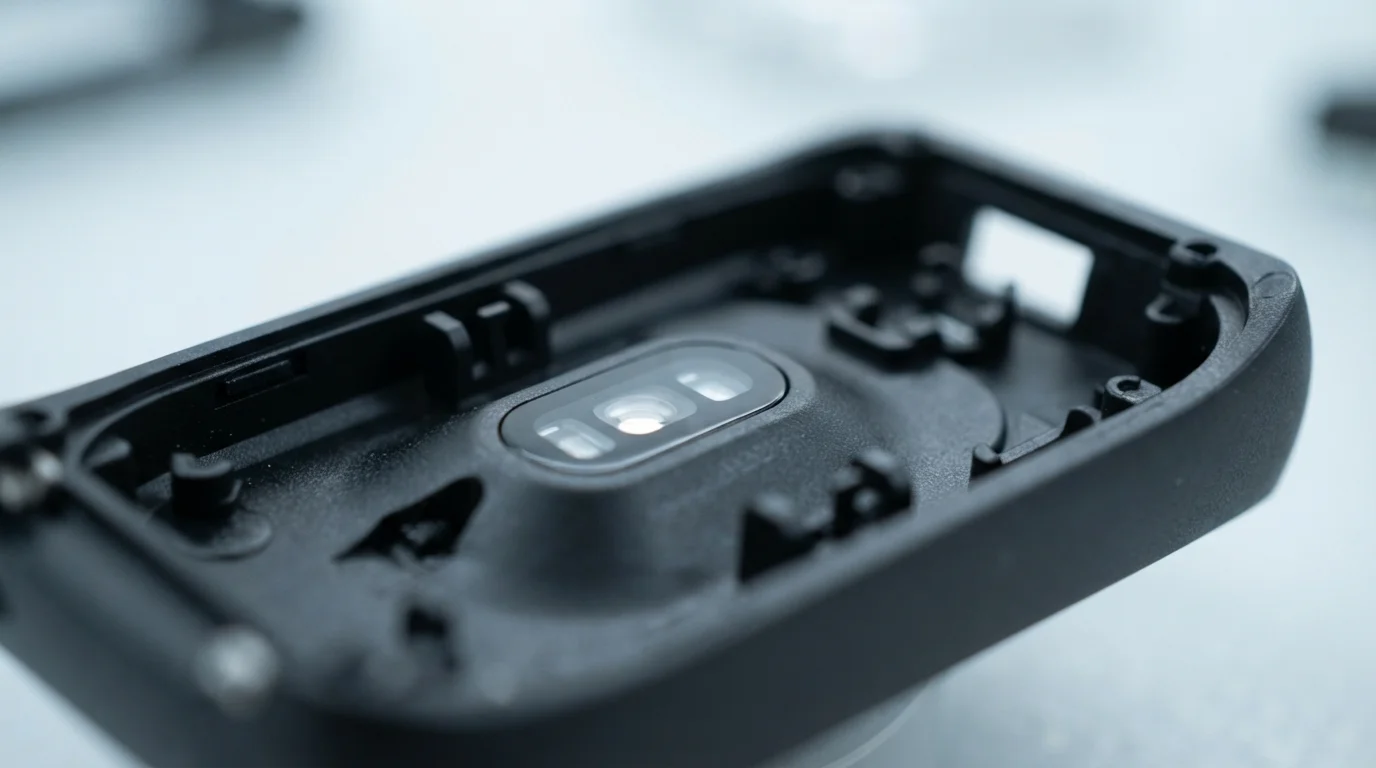
Question: Why does wearable tech prototyping demand microscopic precision compared to larger consumer electronics? Wearable accessories require fractional millimeter wall thicknesses, tiny optical windows for heart-rate sensors, and microscopic snap latches.
Developing wrist-worn or ring-mounted smart devices involves managing extreme volumetric constraints where batteries, microchips, and flexible circuits share microscopic spaces. Relying on slow tooling fabrication schedules creates severe delays when initial fit tests reveal the need for wall thinning or micro-connector repositioning. Sourcing a dedicated Rapid Tooling Service allows mechanical designers to evaluate true thermoplastic performance long before mass tooling is locked down. Sourcing custom internal metal frames via an experienced CNC Machining Service ensures electronic mounts fit outer plastic casings accurately.
Evaluating the strict physical requirements placed on wearable enclosures requires monitoring specific development milestones:
- Sweat and moisture sealing—Enclosures must maintain watertight integrity during heavy athletic perspiration or swimming
- Micro-feature fidelity—Molded cavities must accurately reproduce fractional millimeter slots without flash or short shots
- Lightweight comfort—Every milligram minimized reduces wrist fatigue during 24-hour continuous wear
Overmolding Soft TPE/TPU Grips on Smart Bands
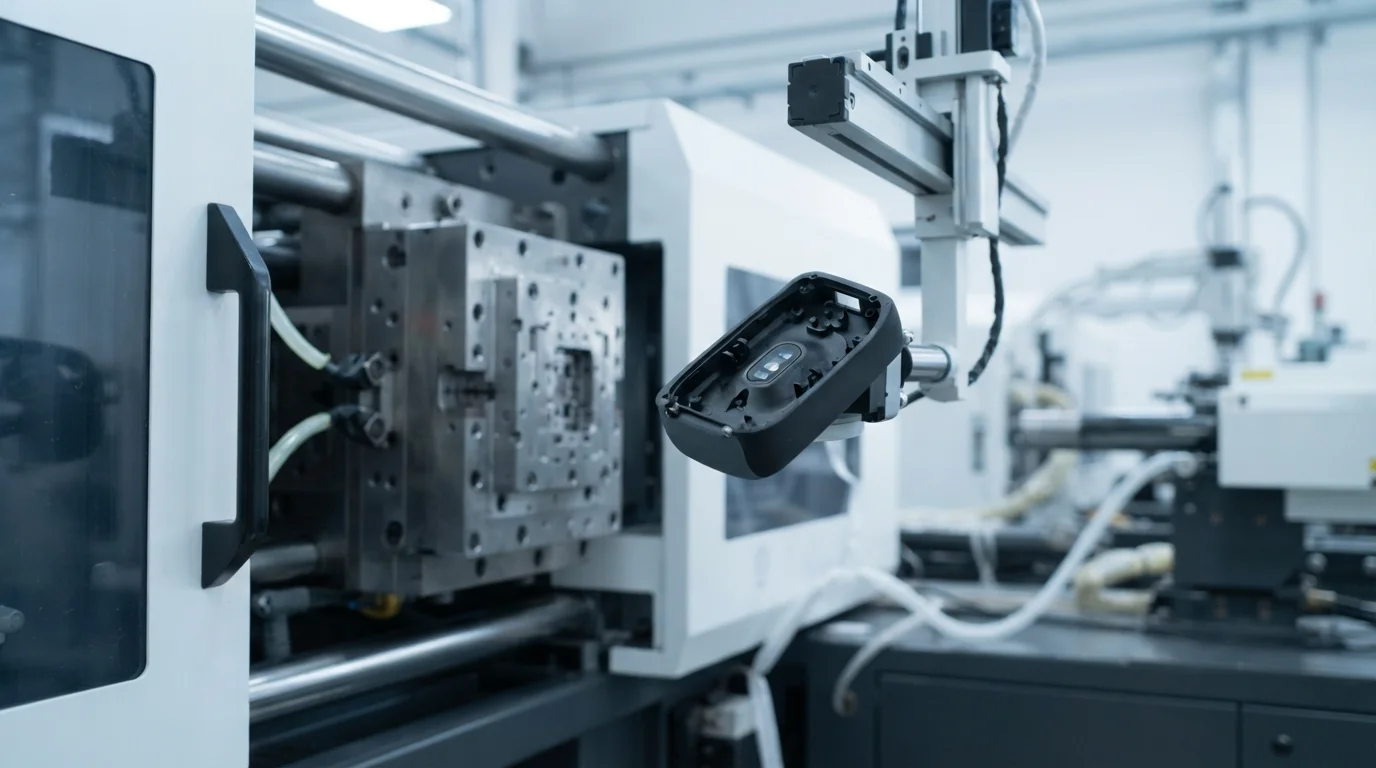
Question: How do rapid multi-material molds achieve secure bonding between rigid tracker cores and soft elastomer bands? Advanced tooling inserts allow sequential injection cycles, fusing soft thermoplastic elastomer (TPE) directly onto rigid chassis walls.
Comfortable fitness bands rely on dual-material construction, combining a rigid inner electronic shell with a soft, skin-friendly outer strap. Utilizing an agile Injection Molding Service ensures engineering plastics like durable Polycarbonate (PC) or rigid ABS bond permanently with flexible elastomeric compounds. Sourcing versatile Vacuum Casting models or initial Prototype Service batches helps validate structural retention forces before cutting mold metal. Examining material behavior across different thermoplastic options highlights clear mechanical strengths:
| Polymer Material | Flexibility & Touch | Skin Contact Safety | Primary Wearable Application |
|---|---|---|---|
| Medical-Grade TPE / TPU | High elasticity & soft feel | Certified hypoallergenic | Fitness tracker wristbands, watch straps |
| Polycarbonate (PC) | Rigid structural support | Inert & stable | Main electronic core housing, display window |
| Silicone Rubber | Extreme softness & heat resistance | Biocompatible | Medical wearable seals, hypoallergenic bands |
Skin-Safe Materials and Regulatory Compliance
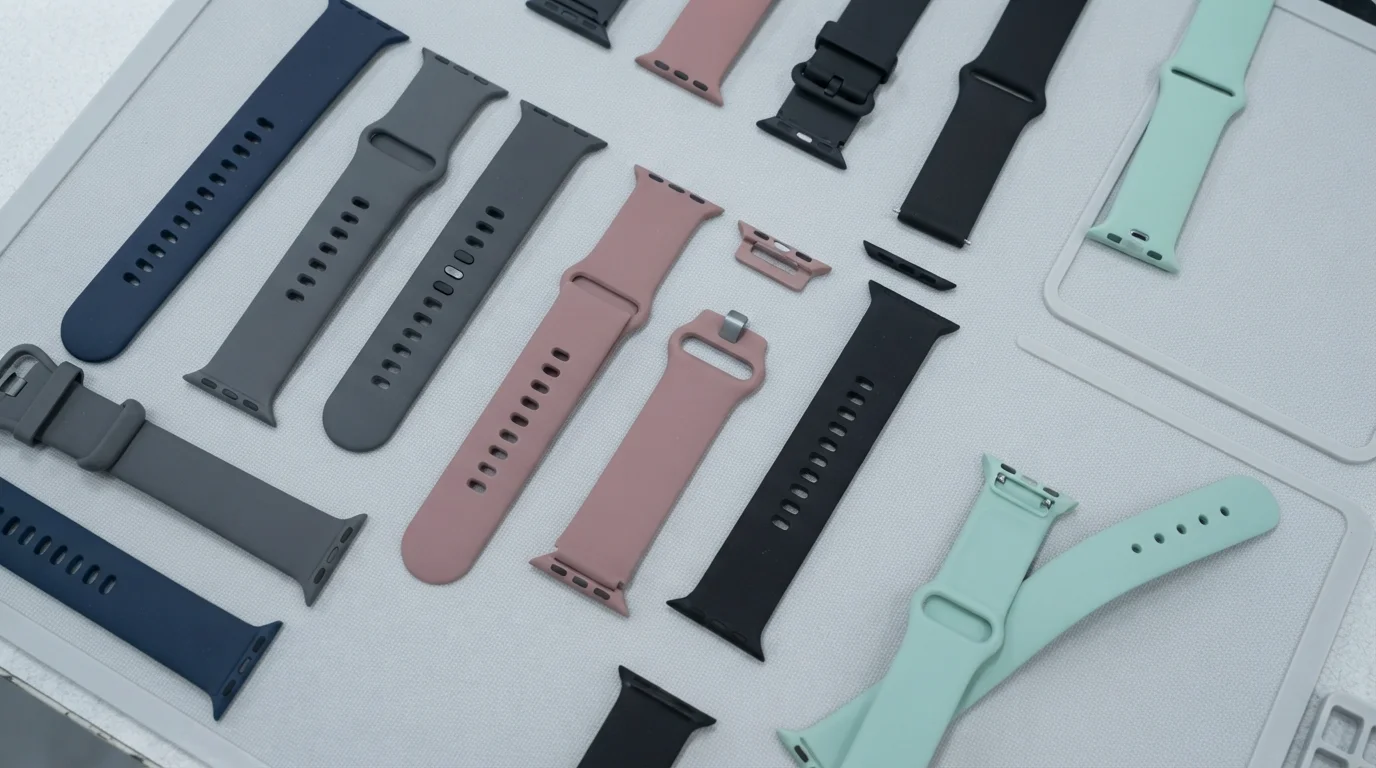
Question: How do rapid prototyping manufacturers guarantee that wearable plastics comply with international dermatological safety rules? Using certified raw polymers and maintaining clean processing environments ensures finished parts pass ISO 10993 skin sensitization tests.
Jucheng Precision supports wearable technology innovators by providing comprehensive 24-hour free DFM reviews that analyze draft angles, wall uniformity, and gate locations prior to cutting metal. Operating with 150+ advanced CNC machines and certified quality frameworks, our facilities ensure absolute manufacturing reliability. Sourcing expert engineering guidance guarantees your wearable enclosures comply with strict retail visual standards seamlessly.
Partnering with an internationally certified manufacturer guarantees full material traceability and part repeatability across consumer supply chains. Key operational strengths of our manufacturing framework include:
- ISO 9001 and ISO 14001 compliance—Rigorous quality and environmental protocols ensure sustainable manufacturing practices
- Multi-material overmolding expertise—Advanced press capabilities seamlessly fuse soft elastomers onto rigid device chassis
- Zero minimum order constraints—No MOQ policies allow exact inventory alignment with fast-moving pilot rollouts
Frequently Asked Questions (FAQ)
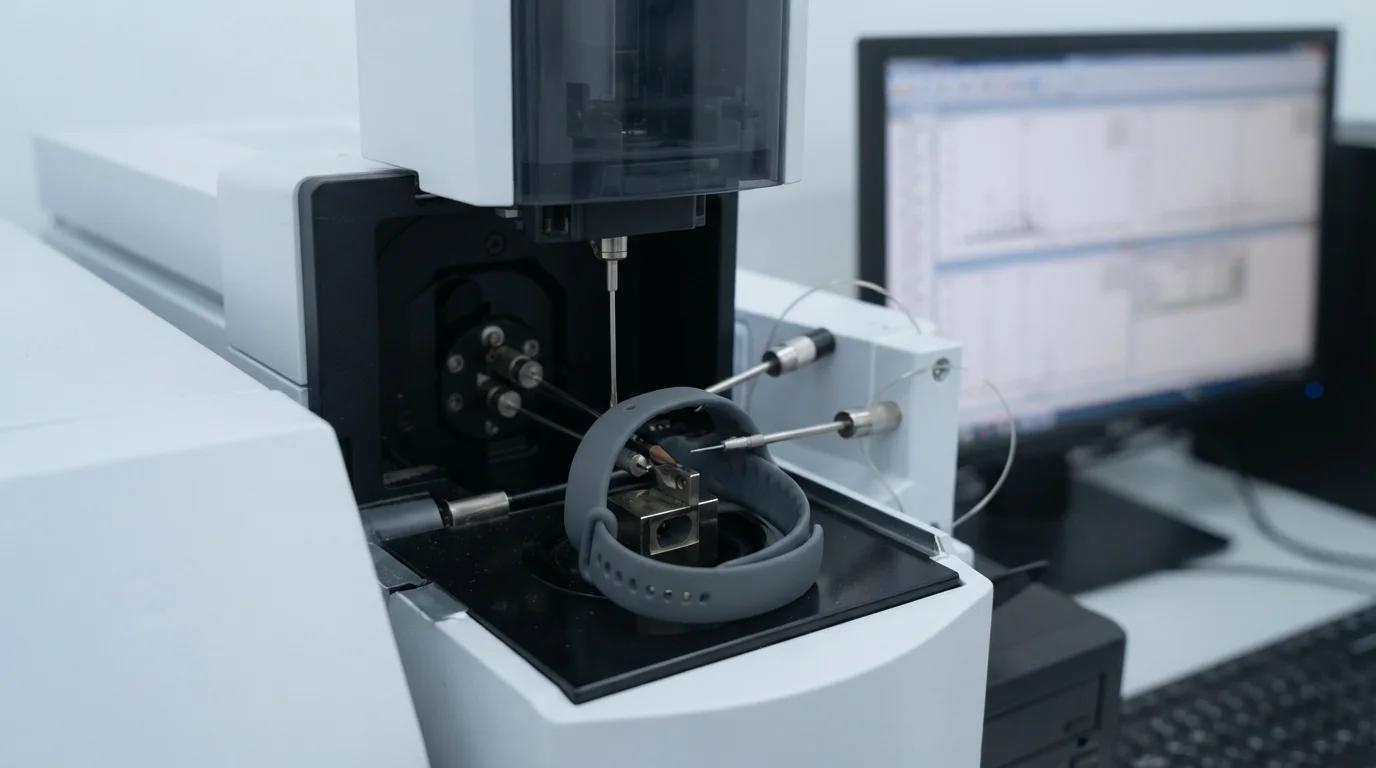
Can rapid tooling produce miniature enclosures for smart wearable devices?
Yes. High-precision CNC micromachining allows rapid aluminum or steel molds to replicate fractional millimeter wall thicknesses and tiny snap-fits required for wearable tech housings.
Is it possible to overmold soft TPE grips on rapid-molded wearable prototypes?
Yes. Multi-material rapid tooling techniques enable sequential molding cycles that bond soft, hypoallergenic TPE or TPU elastomers securely onto rigid plastic tracker chassis.
How does Jucheng Precision support wearable technology developers?
Jucheng Precision provides 24-hour free DFM reviews, micro-molding expertise, and certified quality frameworks to accelerate smart wearable device prototyping and production.

