


Industrial automation machinery, collaborative robotic arms, and autonomous mobile logistics vehicles operate under punishing physical conditions characterized by continuous high-frequency vibration, mechanical shock, and cyclic joint stress. Prototyping structural housings and protective enclosures for these machines using layer-by-layer additive methods often results in premature field failures due to inherent interlayer weakness and poor impact absorption. Adopting rapid tooling for robotics components allows automation engineers to produce high-strength, injection-molded structural plastics that match final production performance weeks ahead of standard schedules.
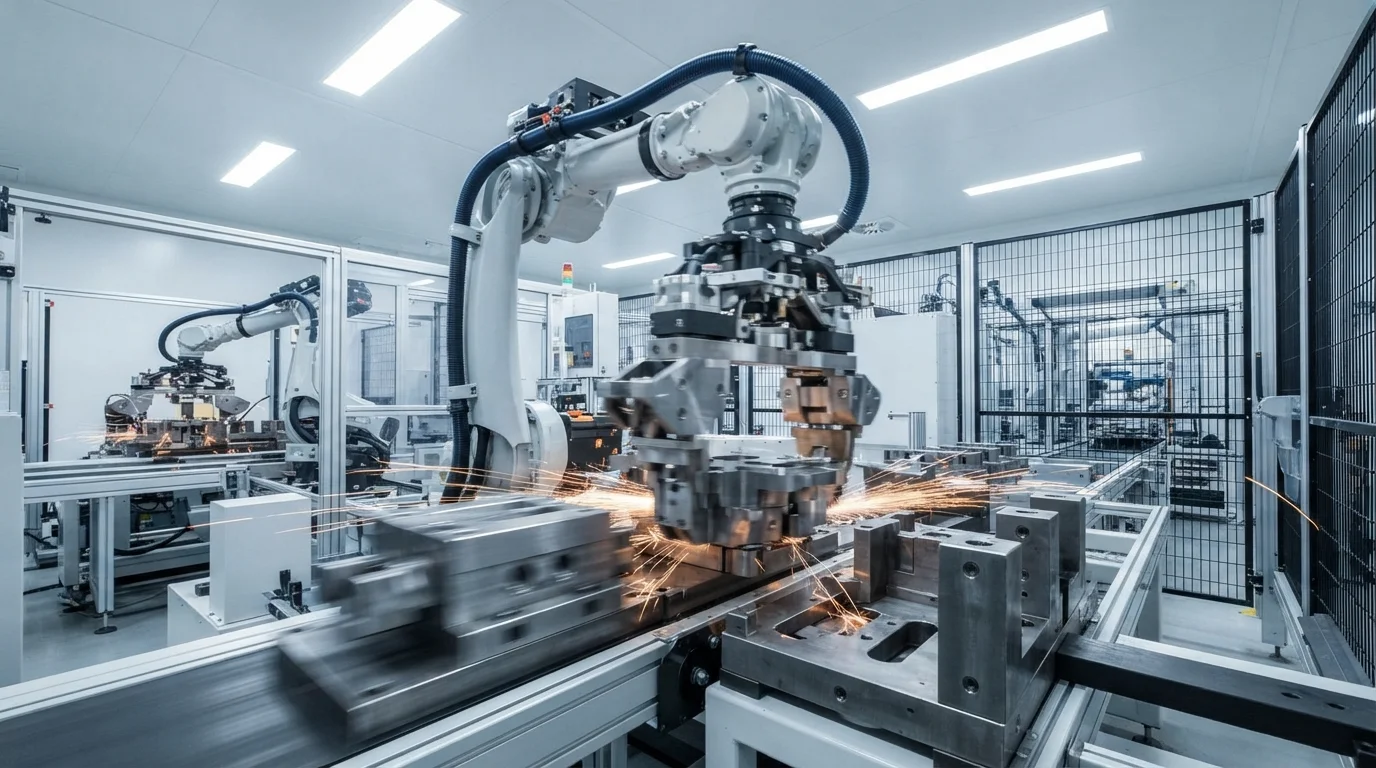
Building reliable automation hardware requires moving past basic visual prototypes to test genuine mechanical load limits. Utilizing pre-hardened steel or heavy-duty aluminum mold inserts enables the processing of high-performance engineering thermoplastics under true production clamp tonnage. Let us examine why robotic systems demand molded structural integrity and how quick-turn tooling accelerates rugged field deployments.
Table of Contents
1. Moving Beyond 3D Printing: Why Robotics Need Molded Strength
2. Custom Plastic Enclosures for Robot Controllers and Teach Pendants
Moving Beyond 3D Printing: Why Robotics Need Molded Strength
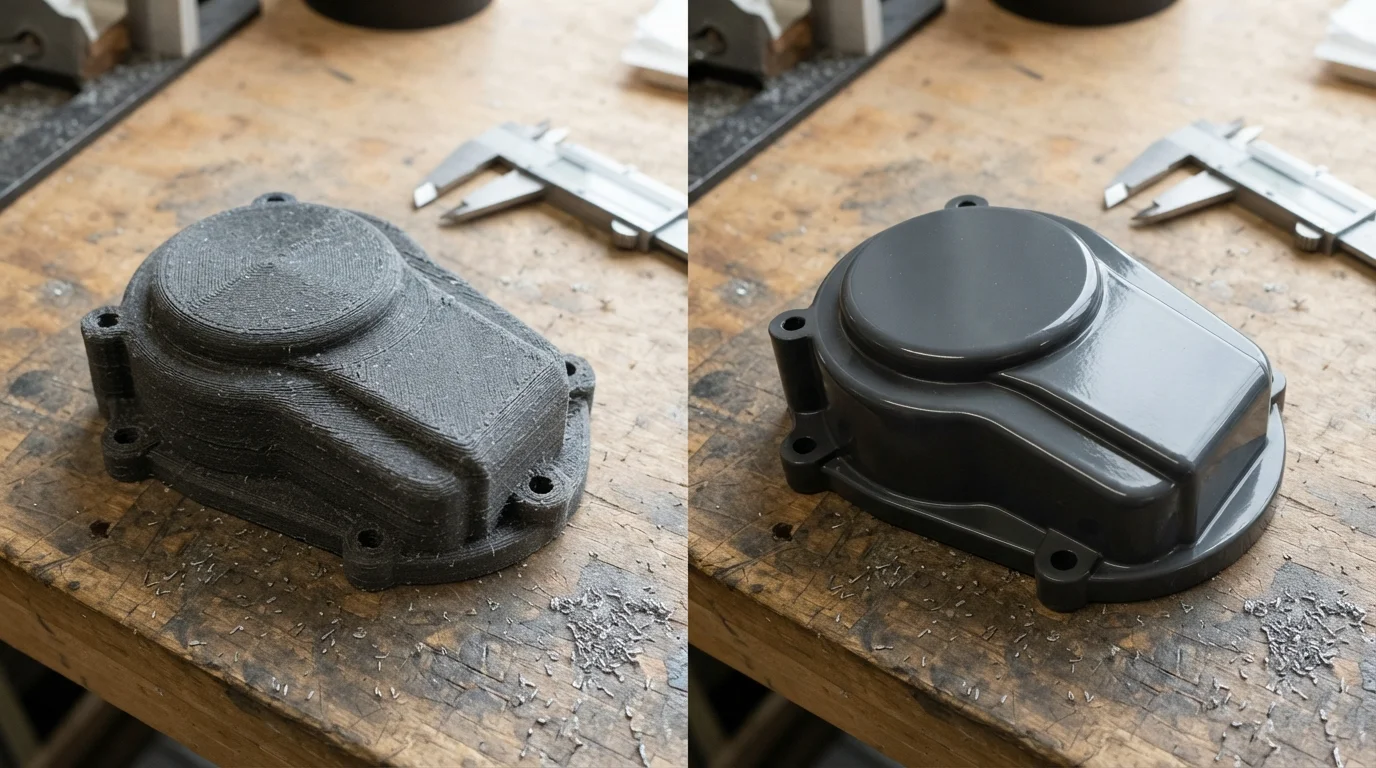
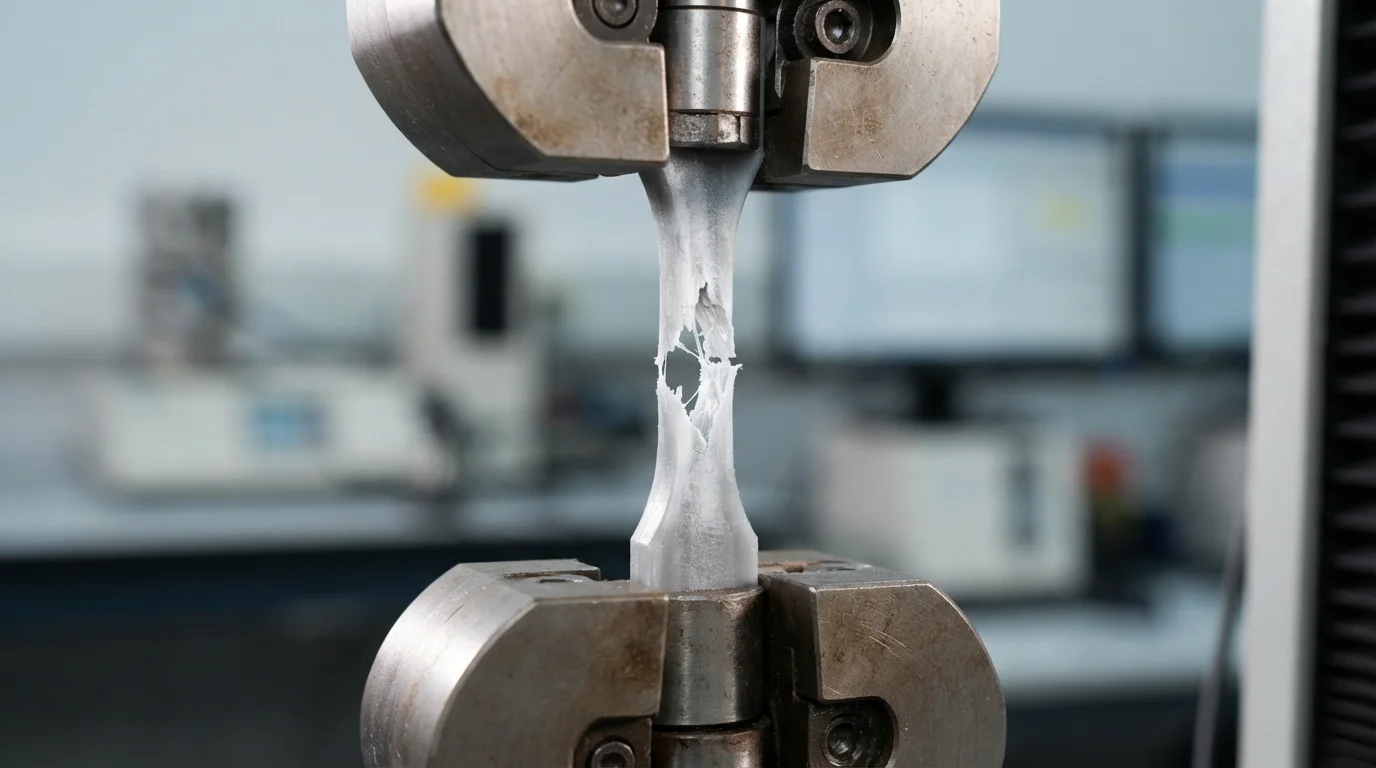
Question: Why do functional robotics field tests fail when relying solely on 3D printed structural parts? Additive components suffer from directional micro-porosity and weak weld boundaries, causing them to fracture under continuous multi-axis mechanical torque.
Robotic arms and automated guided vehicles experience harsh physical feedback whenever joints reverse direction or halt abruptly. While 3D printing excels at initial conceptual form checks, structural enclosures and gear covers demand the isotropic molecular cross-linking created by high-pressure injection molding. Sourcing a specialized Rapid Tooling Service bridges this gap by rapidly carving pre-hardened metal inserts to mold parts with true structural density. Partnering with a dedicated CNC Machining Service ensures custom metal chassis skeletons integrate cleanly with protective polymer skins.
Evaluating the mechanical survival criteria for industrial automation housings highlights several engineering priorities:
- Torsional rigidity—Enclosures must resist twisting forces exerted by high-torque internal servomotors and gearboxes
- Fatigue endurance—Material walls must absorb millions of rapid start-stop motion cycles without micro-cracking
- Dynamic load bearing—Structural brackets must hold heavy sensors and cabling securely under intense operational g-forces
Custom Plastic Enclosures for Robot Controllers and Teach Pendants
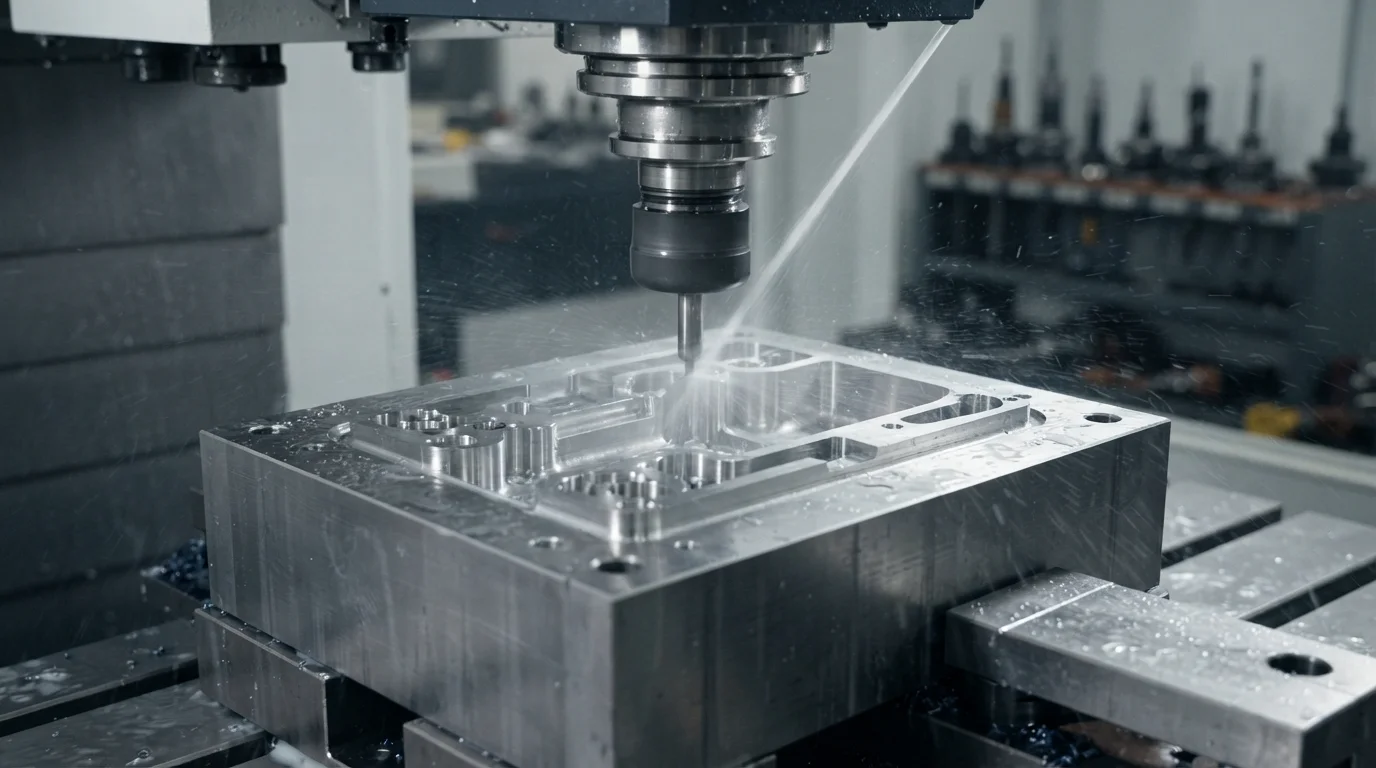
Question: How do quick-turn mold cavities accommodate the ergonomic and safety needs of handheld teach pendants? Soft metal tooling enables precise pocket milling for emergency stop buttons, rubberized grip overmolds, and impact-absorbing corners.
Teach pendants and field controllers act as the primary human-machine interface for heavy industrial machinery, requiring drop-proof outer shells that withstand factory floor abuse. Utilizing an agile Injection Molding Service allows product teams to process engineering polymers that offer superior chemical resistance against machine coolants and hydraulic oils. Sourcing robust Overmolding capabilities ensures tactile rubber grips remain permanently fused to hard control frames. Reviewing performance metrics across heavy-duty resins highlights specific mechanical advantages:
| Engineering Resin | Impact Strength | Chemical Resistance | Primary Automation Use |
|---|---|---|---|
| Glass-Filled Nylon (PA6/6) | Very High Rigidity | Excellent against oils and greases | Structural robot arms, gear mounts |
| Polycarbonate / ABS Blend | Exceptional Drop Toughness | Good general resistance | Teach pendants, controller housings |
| Polyoxymethylene (POM / Acetal) | High Wear Resistance | Outstanding solvent stability | Precision cams, low-friction gears |
High-Impact Resins for Industrial Robot Housings
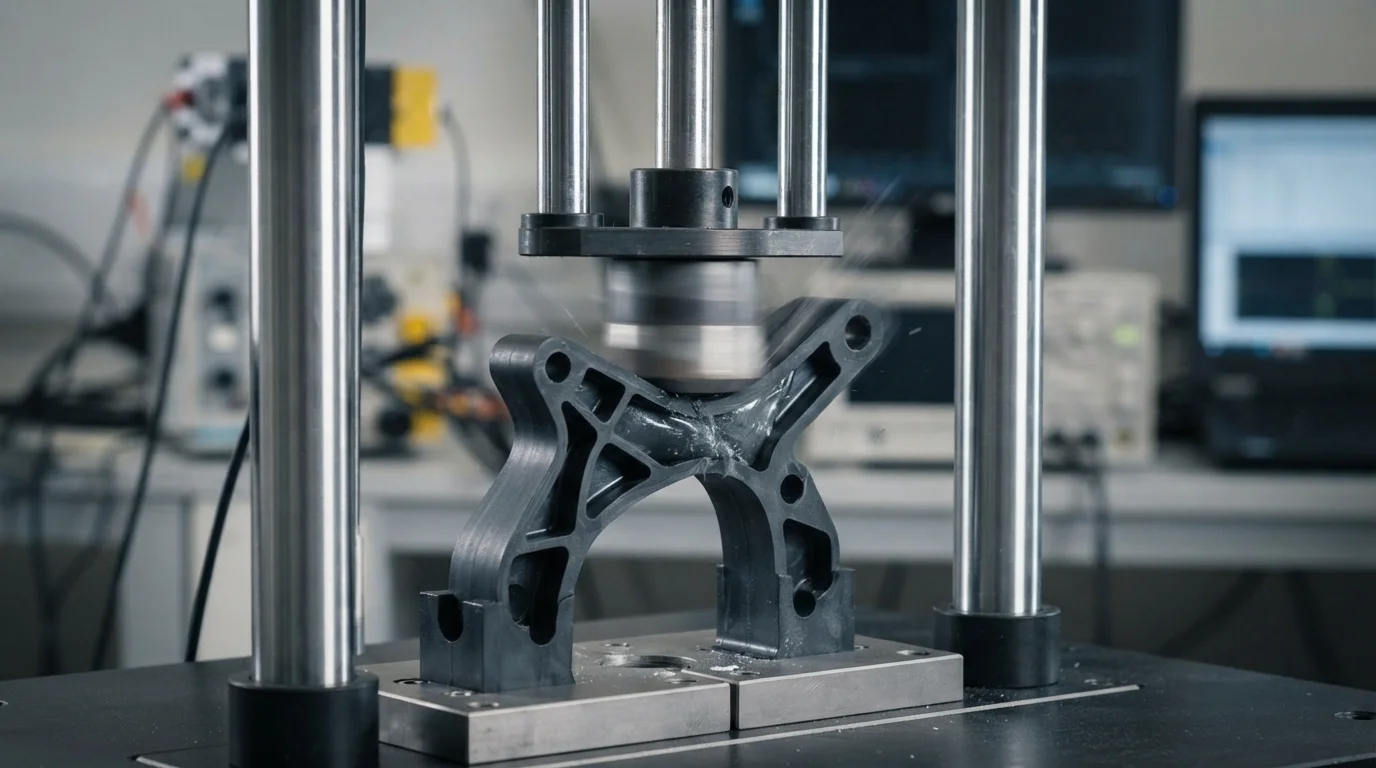
Question: How does Jucheng Precision assist robotics engineers in optimizing wall sections for high-impact molding? Expert manufacturing review teams analyze draft angles, uniform wall distributions, and rib networks to eliminate sink marks in heavy-duty structural parts.
Heavy machinery components often feature thick sections and complex rib patterns that challenge traditional cooling channels. By utilizing pre-hardened P20 and Tool Steel rapid mold inserts, production cells achieve efficient thermal regulation while maintaining tight dimensional control over large structural parts. Jucheng Precision streamlines automation development by delivering high-precision pilot components that match final series production standards without costly tooling delays.
Partnering with an experienced manufacturing provider ensures your automated systems are built for long-term survival in aggressive factory environments. Key operational advantages of our robotics tooling solutions include:
- Rigorous structural analysis—Engineering validation identifies stress concentrations and optimizes rib geometry before cutting metal
- Heavy-duty press compatibility—High-tonnage injection capabilities accommodate large-format robotic base covers and structural cowlings
- Flexible batch scaling—Seamless transition from functional engineering prototypes to low-rate initial production runs
Frequently Asked Questions (FAQ)
Why is injection-molded rapid tooling superior to 3D printing for robotics structural parts?
Injection molding produces fully dense, isotropic components with superior impact strength and fatigue resistance, whereas 3D printing often suffers from micro-porosity and layer delamination under heavy mechanical loads.
What are the best engineering resins for rugged robotic controller housings?
Glass-filled nylon and high-impact polycarbonate/ABS blends are widely considered the best choices due to their exceptional structural rigidity, drop toughness, and resistance to factory oils and greases.
How does Jucheng Precision support industrial robotics development?
Jucheng Precision provides expert engineering review, high-tonnage rapid tooling, and custom injection molding to deliver durable, field-ready polymer components for automation applications.

