


Sourcing cost-effective physical validation models represents a critical phase in modern hardware commercialization, bridging the structural gap between additive prints and high-volume mass production. Sourcing alternative, fast-turnaround fabrication methods allows engineering groups to produce highly consistent structural components quickly. Sourcing your components from an experienced partner ensures design changes are propagated across all stages safely. Sourcing pre-production components molded from genuine engineering-grade resins allows product developers to conduct dynamic impact and environmental compliance tests safely. Slicing complex three-dimensional CAD geometries precisely ensures early-stage parts release cleanly from core cavities without scuffing or warping.
Table of Contents
1. Industrial Shifts and Selecting Aluminum Over Steel for Prototyping
2. Machining Feed Rates and Slashing Mold Lead Times by 50%
3. Injecting Genuine Resins and Production Grade Polymer Trials
4. Precision Aluminum Tooling Operations and In-House Mold-making
Industrial Shifts and Selecting Aluminum Over Steel for Prototyping
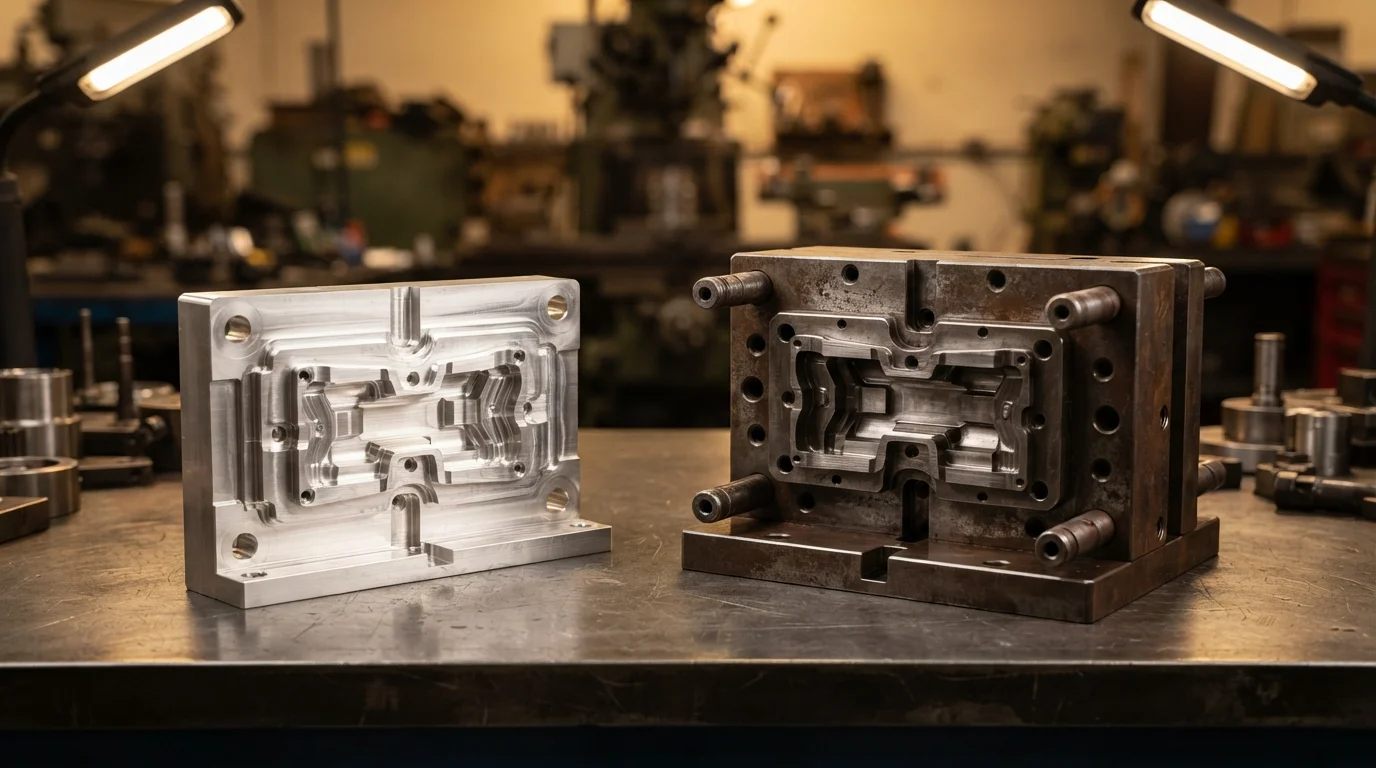
Question: Why are product developers selecting aluminum over traditional tool steel for prototyping? Aluminum molds can be machined up to five times faster on CNC mills, bypassing high upfront steel mold expenses cheaply.
Navigating the transition from early visual prototypes to mass-production molds requires a highly coordinated manufacturing strategy. For mechatronics startups, understanding the capabilities of aluminum molds for injection molding is essential to scale up without locking up valuable development cash flow. Sourcing intermediate molds fabricated from soft metals allows product groups to fulfill crowdfunding orders or conduct extensive clinical trials safely. Sourcing high-fidelity physical mockups of structural linkages from a professional Prototype Service is ideal for early form studies, but those CAD files often violate mass-production injection molding physics.
Slicing CAD files precisely allows experienced toolmakers to analyze parting lines, draft angles, and wall thicknesses using advanced mold flow simulation software. Symmetrical component configurations simplify holding fixtures, reducing initial setup labor hours dramatically. Standardizing non-critical clearances allows high-speed milling spindles to clear raw stock quickly, maximizing cutting efficiency. Sourcing high-quality billet metals protects your developmental budget from material premium markups.
Machining Feed Rates and Slashing Mold Lead Times by 50%
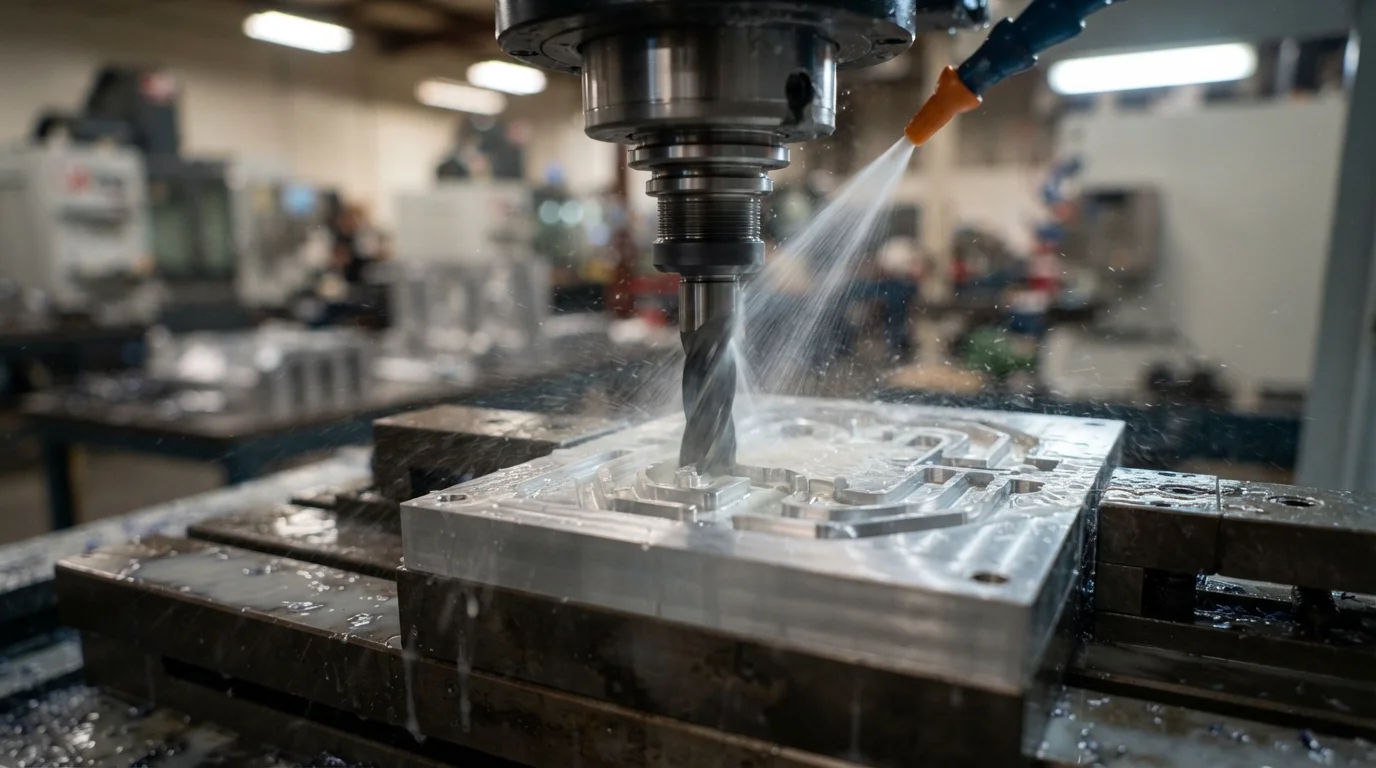
Question: How does aluminum tooling reduce mold lead times? High machinability allows tooling designers to mill core cavities directly on high-speed CNC centers, eliminating multiple EDM setups.
Selecting raw mold metals directly influences injection molding cycle times and overall part dimensional stability during short-run production. Following smart mold-making rules ensures engineers select high-grade AL7075-T6 Aluminum or soft pre-hardened Tool Steel (like P20) to construct cost-effective mold plates. Aluminum’s superior thermal conductivity dissipates heat from molten polymers rapidly, reducing the cooling phase duration dramatically. Shorter cooling cycles minimize localized internal stresses, preventing thin plastic walls from warping during part ejection.
AL7075 aluminum cavities are machined utilizing high-speed CNC Machining Service spindles, eliminating multiple EDM setups and accelerating tool delivery times. Sourcing aluminum tooling blocks lowers initial mold expenditures by up to 70 percent compared to traditional production molds. Symmetrical component designs simplify holding fixtures, reducing initial setup labor hours dramatically. Sourcing native solid bodies prevents dimensional discrepancies during final assembly runs.
Operating molds under stable cavity temperatures requires integrating precise thermal control water channels directly within the mold cores. Conformal cooling channels routed on multi-axis CNC machines follow complex part contours, maintaining absolute cooling uniformity. Consistent thermal reduction prevents thick polymer hubs or solid screw bosses from shrinking unevenly. Eliminating uneven shrinkage stresses prevents unsightly cosmetic sink marks from appearing on show faces.
Injecting Genuine Resins and Production Grade Polymer Trials
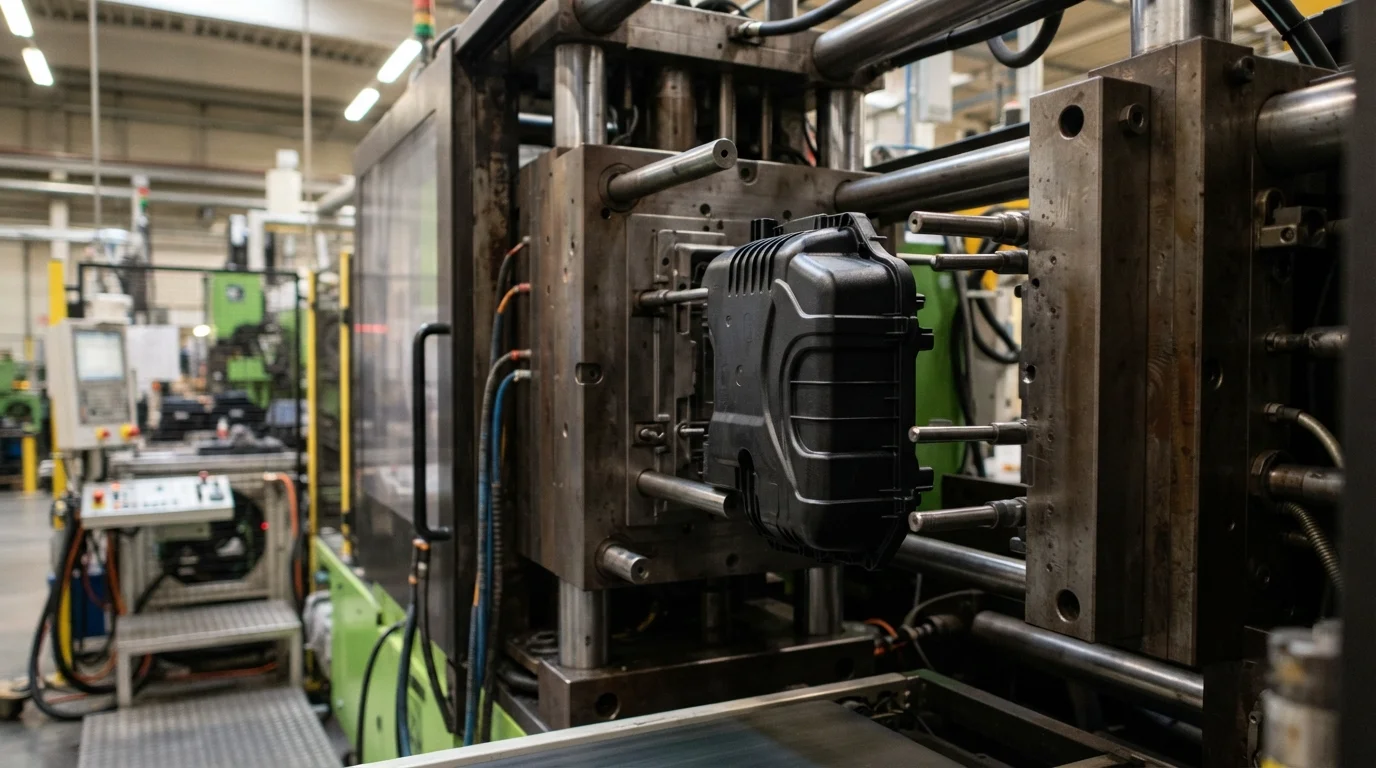
Question: Can aluminum molds inject production-grade plastics? Yes, customized aluminum tool inserts handle standard engineering-grade polymers like ABS, polycarbonate, and nylon efficiently.
Testing functional parts using authentic aluminum molds for injection molding allows mechanical groups to validate long-term mechanical wear. Sourcing functional parts molded from solid engineering plastics like ABS, Nylon (PA), or aluminum Polycarbonate (PC) provides authentic material behavior before cutting hard mold blocks. This detailed materials validation eliminates mechanical failure risks when transitioning prototype to production design configurations. Early validation prevents expensive engineering changes when scaling up to high-volume Injection Molding Service.
Selecting the correct mold metal involves balancing part material shrinkages with overall tooling expenditures. This technical comparison table highlights baseline cost behaviors across different manufacturing approaches to help you plan your hardware budget:
| Manufacturing Metric | Rapid Prototyping Standard | Traditional Manufacturing Standard | Primary B2B Financial Influence |
|---|---|---|---|
| Initial Tooling Cost | Zero to low ($200 – $500 per mold) | Extreme ($10,000 – $50,000+) | Dictates upfront development risk and cash flow |
| Minimum Order Quantity | Zero MOQ (No minimum penalties) | High (5,000 to 10,000+ units) | Influences warehouse inventory storage costs |
| Lead Time to Samples | 3 to 15 business days | 8 to 12 weeks minimum | Determines time-to-market speed and launch velocity |
Precision Aluminum Tooling Operations and In-House Mold-making
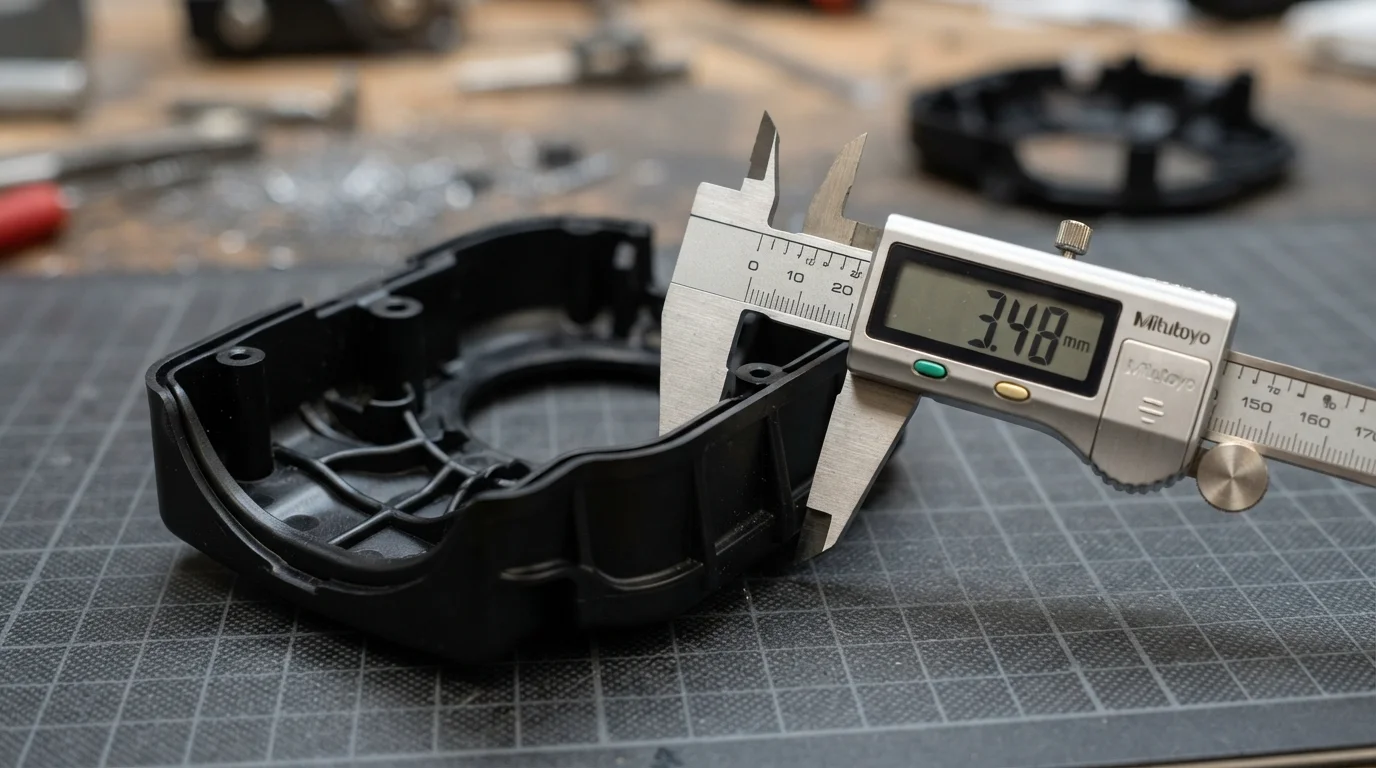
Question: How is absolute mold coordinate repeatability guaranteed? Factory teams verify sub-micron dimensions using automated coordinate measuring machines to ensure complete tooling compliance.
Sourcing customized aluminum tooling options is highly effective for crowdfunding fulfillment, medical device clinical trials, and low-volume premium consumer launches. Jucheng Precision operates a fully-integrated factory setup containing both multi-axis machining centers and precision injection molding presses. Sourcing our expert 24-hour free DFM reviews helps product groups optimize gate placements, parting lines, and draft profiles before cutting metal or pouring silicone. Sourcing high-quality prototypes ensures your designs are built to withstand severe dynamic forces safely.
Partnering with a certified Rapid Tooling Service specialist ensures your finished hardware matches the premium software experience. Sourcing your quotes manually ensures experienced engineers analyze your 3D STEP files to find additional ways of saving money on metal rapid prototyping. Custom components undergo rigorous coordinate metrology checks to confirm exact dimensional compliance. Sourcing high-quality prototypes ensures your designs are built to withstand severe dynamic forces safely.
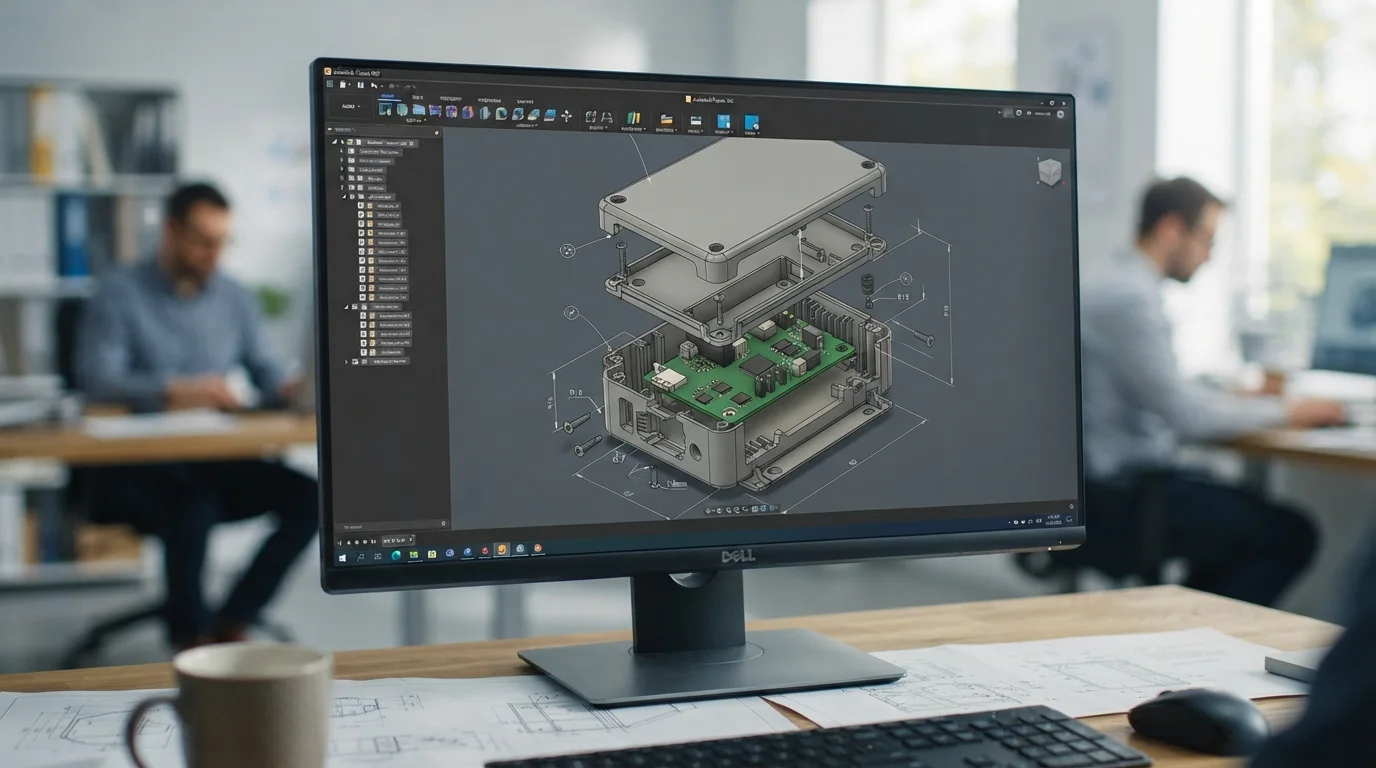
Sourcing low-volume injection-molded parts from our certified, single-roof manufacturing facility prevents communication errors, ensuring design changes are propagated across all stages safely. Scribing detailed dimensions onto digital CAD files is critical, but flat computer renders frequently fail to convey physical volumetric scale or ergonomic hand feel. Sourcing your prototypes from Jucheng Precision guarantees your designs are manufactured to exact mathematical specifications safely. Sourcing high-quality prototypes ensures your designs are built to withstand severe dynamic forces safely.
Frequently Asked Questions (FAQ)
Are aluminum molds good for injection molding?
Mold makers machine aluminum rapid molds quickly on multi-axis CNC mills, typically taking only 10 to 15 business days to complete. Bypassing slow spark-erosion EDM processes allows manufacturers to deliver functional molded samples within weeks. Sourcing early DFM reviews simplifies split line layouts, eliminating the need for expensive mechanical sliders in rapid molds, illustrating the benefits of aluminum molds for injection molding projects.
Can custom plastic molds handle high-stiffness carbon fiber resins?
Vacuum casting in silicone molds represents an excellent, low-cost method to manufacture twenty to fifty plastic enclosures cheaply. Sourcing custom polyurethane parts from silicone molds becomes highly cost-effective before investing in aluminum or soft steel cores. Product designers utilize Vacuum Casting to replicate production-grade polymer qualities, including flexible elastomer overmolding.
How many parts can you pull from a single silicone mold before it fails?
Most silicone molds yield twenty to thirty clean pulls before the rubber becomes brittle and begins to tear. Designing parts with gentle draft angles and generous fillets helps preserve the cavity walls, extending mold life up to forty runs. Sourcing early DFM reviews simplifies split line layouts, eliminating the need for expensive mechanical sliders in rapid molds.

