


Developing high-fidelity custom plastic components during new product introduction (NPI) phases demands a balanced understanding of mold wear physics, material thermal conductivities, and mechanical clamping forces. Sourcing the correct mold metal protects your starting developmental budgets by preventing premature cavity erosion when injecting abrasive glass-filled resins. Mold designers evaluate thermal dissipation rates and raw billet hardness options carefully, matching mold steel specifications with target production volumes. Sourcing intermediate molds fabricated from high-conductivity aluminum or pre-hardened soft steels allows engineering groups to produce up to 100,000 functional parts cheaply. Slicing complex three-dimensional CAD files precisely ensures early-stage parts release cleanly from core cavities without scuffing or warping.
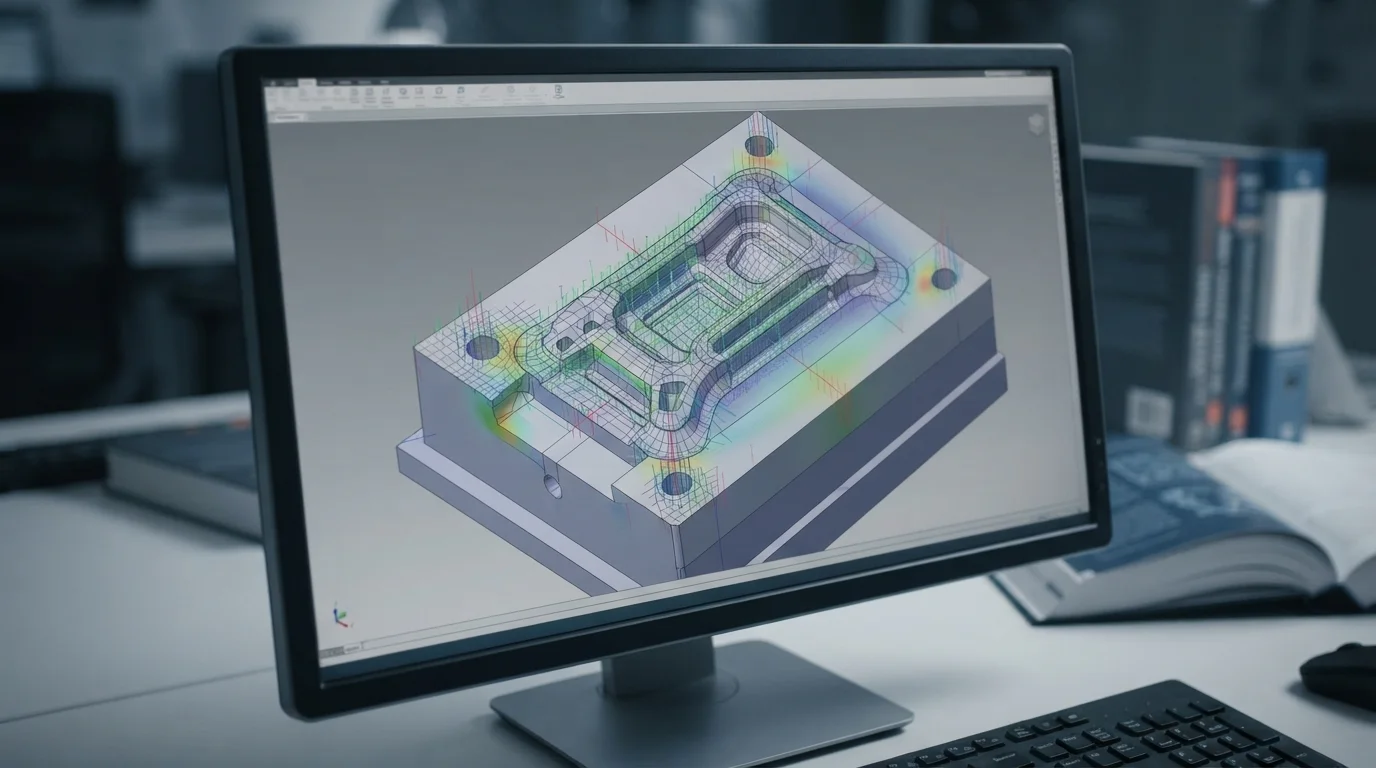
Table of Contents
1. Core Strengths of Quick Turn Soft Alloys
Core Strengths of Quick Turn Soft Alloys
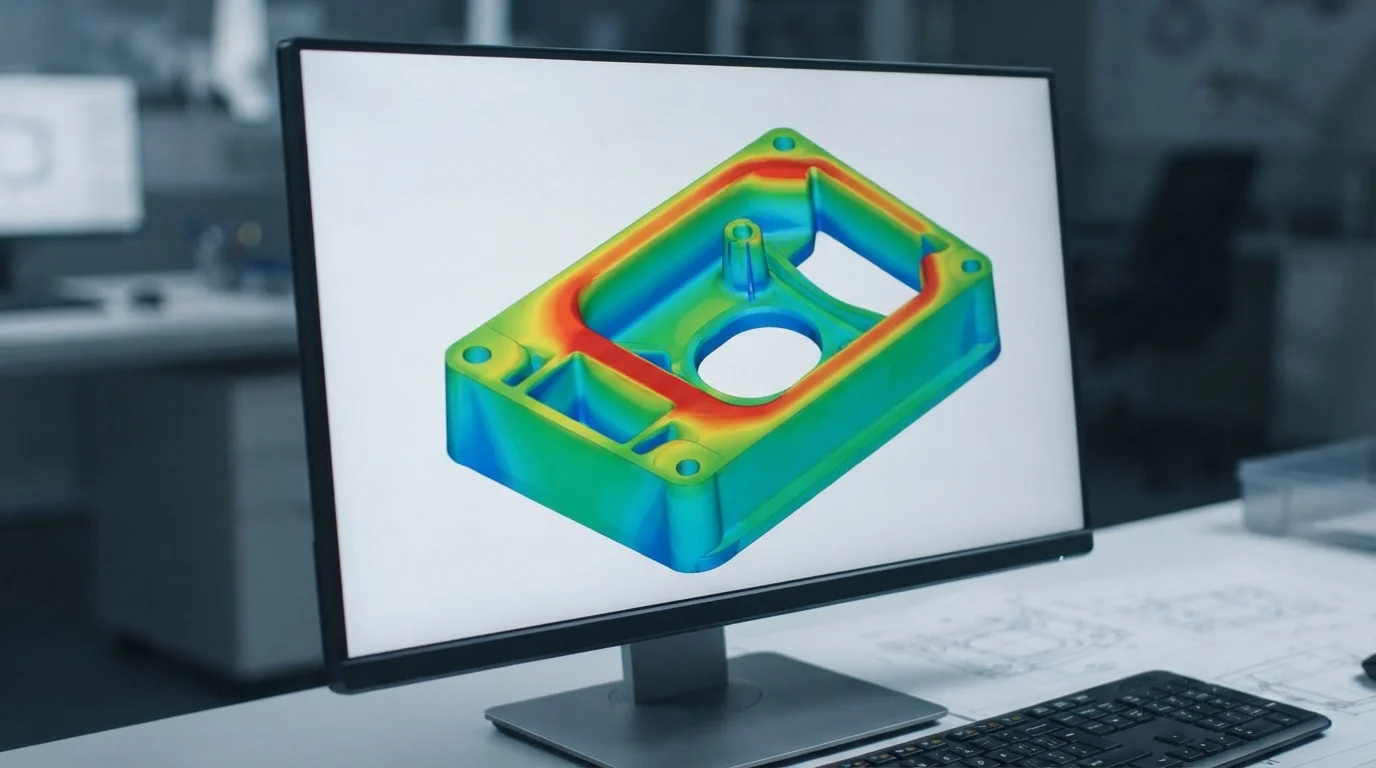
Question: What is the primary benefit of selecting aluminum molds for low-volume injection molding? Aluminum exhibits thermal conductivity values up to four times higher than standard tool steel, reducing cooling cycle duration.
Selecting premium Aluminum alloys like AL7075-T6 or QC-10 represents the most effective way to shorten injection molding cycle times during short-run production. Aluminum’s superior heat transfer capabilities absorb thermal energy from hot liquid polymers rapidly, allowing molded parts to solidify much faster than in steel cavities. Shorter cooling cycles minimize localized internal shrinkages, preventing thin plastic walls from warping during part ejection. Sourcing these high-conductivity alloys ensures your advantages and disadvantages of aluminum tooling program delivers flat, highly accurate components with outstanding repeatabilities.
QC-10 aluminum cavities are machined utilizing high-speed CNC Machining Service spindles, eliminating multiple EDM setups and accelerating tool delivery times. Soft metal cavities handle non-abrasive resins like ABS or polypropylene efficiently for production runs of 10,000 to 20,000 components safely. Sourcing aluminum tooling blocks lowers initial mold expenditures by up to 70 percent compared to traditional production molds. Symmetrical component designs simplify holding fixtures, reducing initial setup labor hours dramatically.
Sourcing high-fidelity physical mockups of structural linkages from a professional Prototype Service is ideal for early form studies, but those CAD files often violate mass-production injection molding physics. Slicing CAD files precisely allows experienced toolmakers to analyze parting lines, draft angles, and wall thicknesses using advanced mold flow simulation software. Mold designers analyze parting line splits early to ensure the soft aluminum shut-offs resist wear under high clamping pressures. Sourcing high-quality billet metals protects your developmental budget from material premium markups.
Physical Limitations and Mitigation Strategies
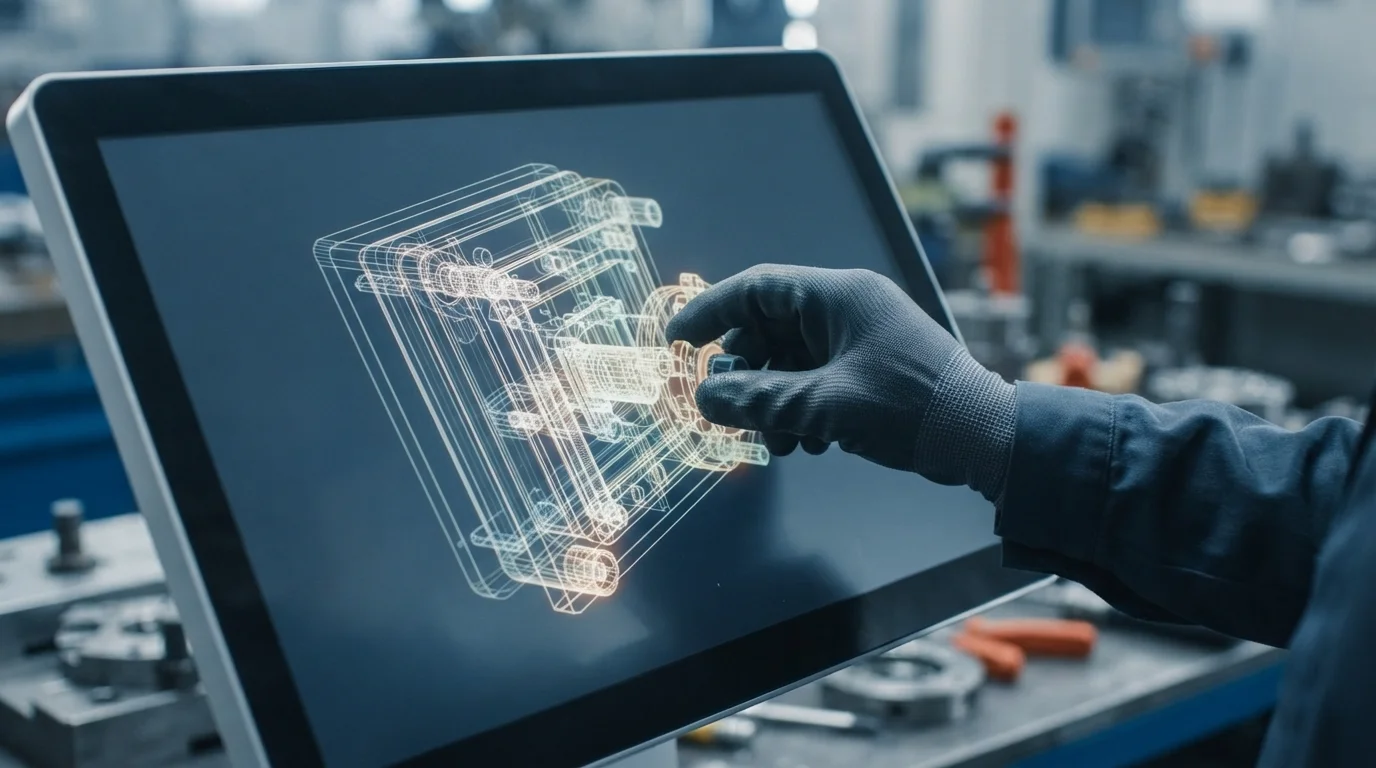
Question: How can rapid tooling designers mitigate the rapid wear of soft mold gates? Engineers integrate localized hard steel inserts around highly abrasive gate paths or apply protective surface coatings like hard anodizing.
Weighing the advantages and disadvantages of aluminum tooling is critical when selecting appropriate mold metals for fiber-reinforced materials. Glass-filled polyamides or flame-retardant ABS polymers wear down soft aluminum gates rapidly, shortening your target mold lifespan. Tooling designers specify pre-hardened Tool Steel (like P20) for these abrasive materials to protect critical gate geometries. Standardizing draft angles and nominal wall thicknesses is the primary method to prevent mold flash.
Jucheng Precision operates a fully-equipped factory setup containing both multi-axis machining centers and precision injection molding presses. Factory engineers deliver comprehensive 24-hour free DFM reviews to optimize gate locations, parting lines, and draft profiles before cutting metal. Sourcing a dedicated Rapid Tooling Service using aluminum or soft steel cores delivers genuine injection-molded components from production-grade resins within weeks. Sourcing rapid tooling allows product developers to validate gating, parting lines, and draft angles under real machine pressures.
Partnering with a certified Injection Molding Service specialist ensures your finished hardware matches the premium software experience. Sourcing your quotes manually ensures experienced engineers analyze your 3D STEP files to find additional ways of optimizing your advantages and disadvantages of aluminum tooling selections. Custom components undergo rigorous coordinate metrology checks to confirm exact dimensional compliance. Sourcing high-quality prototypes ensures your designs are built to withstand severe dynamic forces safely.
Applying these rigid rapid tooling design principles ensures your prototype parts perform exactly like series-production injection molded components. Sourcing high-quality Surface Finishes ensures your finished hardware matches target mechanical parameters perfectly. This technical comparison table highlights baseline cost and material behaviors across standard mold standards:
| Mold Core Material | Base Hardness | Estimated Lifetime | Primary B2B Purpose |
|---|---|---|---|
| AL7075-T6 Aluminum | 150 Brinell | 5,000 to 20,000 cycles | Fast-turnaround NPI scaling, non-abrasive resins (PP, PE) |
| P20 Pre-hardened Steel | 30 HRC | 20,000 to 50,000 cycles | Mid-volume consumer enclosures, pre-hardened steel stiffness |
Frequently Asked Questions (FAQ)
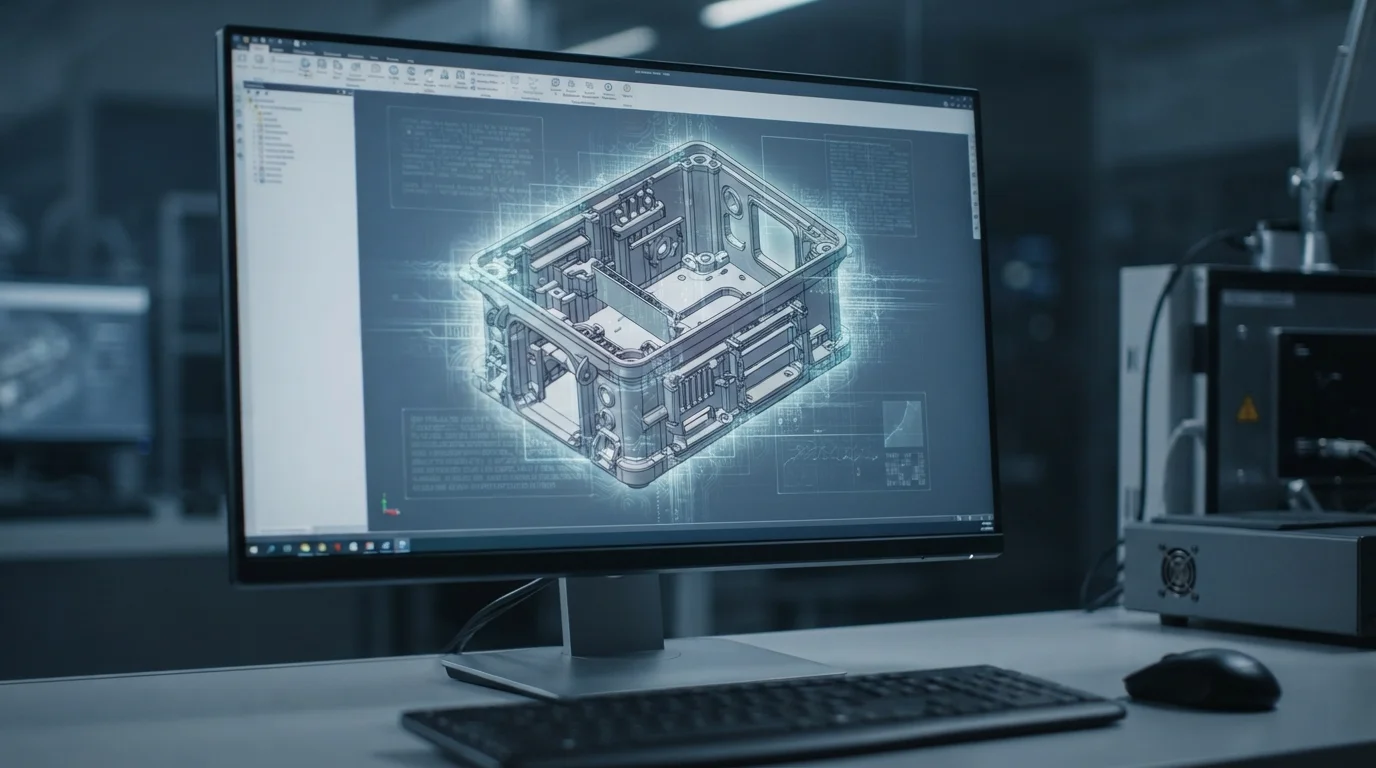
What are the primary material advantages of advantages and disadvantages of aluminum tooling?
Sourcing customized aluminum tooling options is highly effective for crowdfunding fulfillment, medical device clinical trials, and low-volume premium consumer launches. Standardizing your CAD geometries early allows you to use rapid tooling aluminum molds to bypass high upfront steel mold expenses cheaply. Sourcing early DFM reviews simplifies split line layouts, eliminating the need for expensive mechanical sliders in rapid molds.
How fast can custom metal mold cavities be CNC milled?
Mold makers machine aluminum rapid molds quickly on multi-axis CNC mills, typically taking only 10 to 15 business days to complete. Bypassing slow spark-erosion EDM processes allows manufacturers to deliver functional molded samples within weeks. Sourcing early DFM reviews simplifies split line layouts, eliminating the need for expensive mechanical sliders in rapid molds.
What is the primary cause of rubber mold failure during vacuum casting?
Most silicone molds yield twenty to thirty clean pulls before the rubber becomes brittle and begins to tear. Designing parts with gentle draft angles and generous fillets helps preserve the cavity walls, extending mold life up to forty runs. Sourcing early DFM reviews simplifies split line layouts, eliminating the need for expensive mechanical sliders in rapid molds, protecting your total Vacuum Casting program.

