


Choosing between soft aluminum alloys and hardened tool steels represents a foundational financial crossroads during new product introduction (NPI) phases. Sourcing custom mold plates requires balancing initial tooling CapEx with long-term per-part piece prices to protect developmental cash flow. Early hardware iterations rarely require million-cycle lifespans, making soft metal molds an attractive alternative for low-to-medium volume runs.
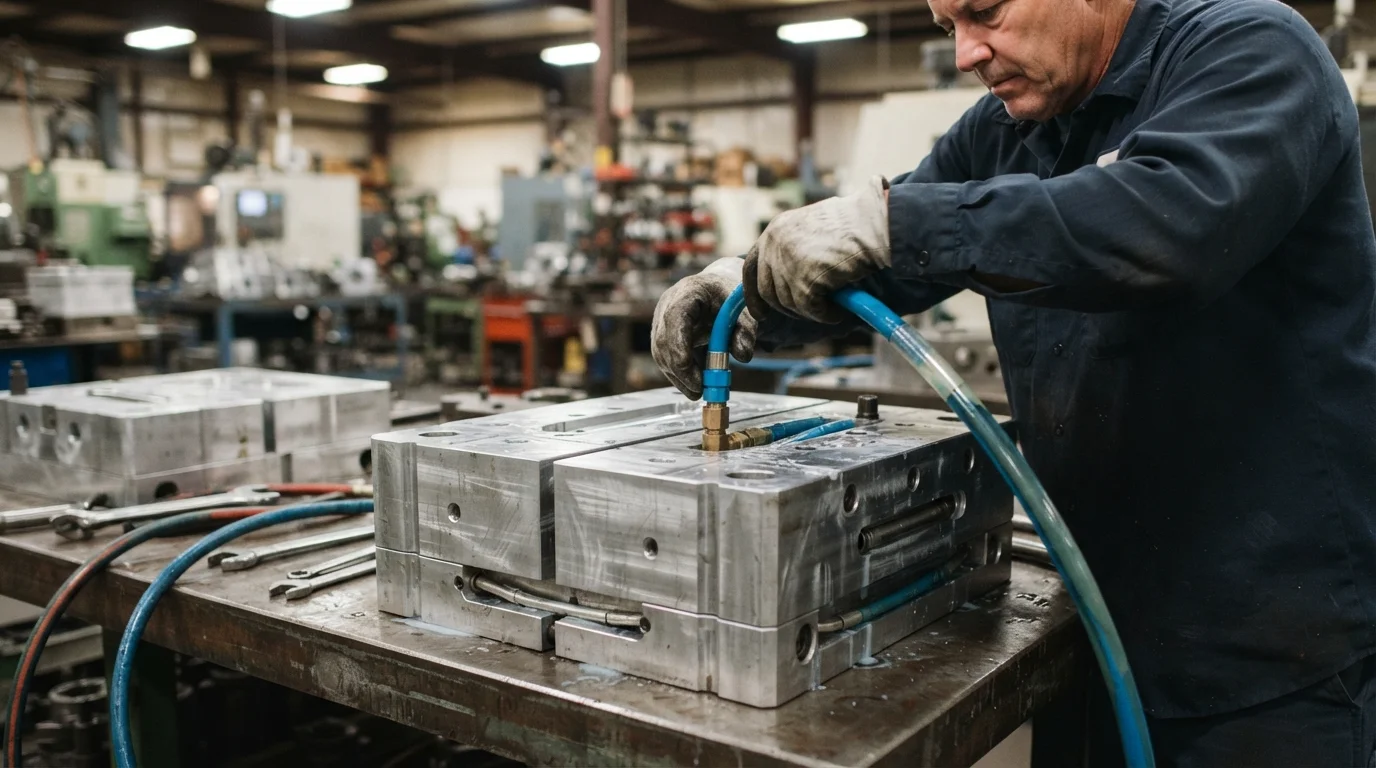
Manufacturing specialists evaluate Machinability ratings, thermal heat transfer rates, and raw material block prices before recommending mold metals. Slicing complex CAD files precisely allows toolmakers to analyze parting lines, draft angles, and wall thicknesses using advanced mold flow simulation software. Sourcing your components from an experienced partner ensures design changes are propagated across all stages safely.
Let’s explore the physical machinability advantages of aluminum, analyze when hardened steel is mandatory, and calculate your volume break-even points.
Table of Contents
1. Machinability Physics: Cutting Aluminum vs Tool Steel
2. Hardened Tool Steel Investments and Lifetime Tooling Value
3. Selecting the Most Cost Effective Option for Your Product Lifecycle
Machinability Physics: Cutting Aluminum vs Tool Steel
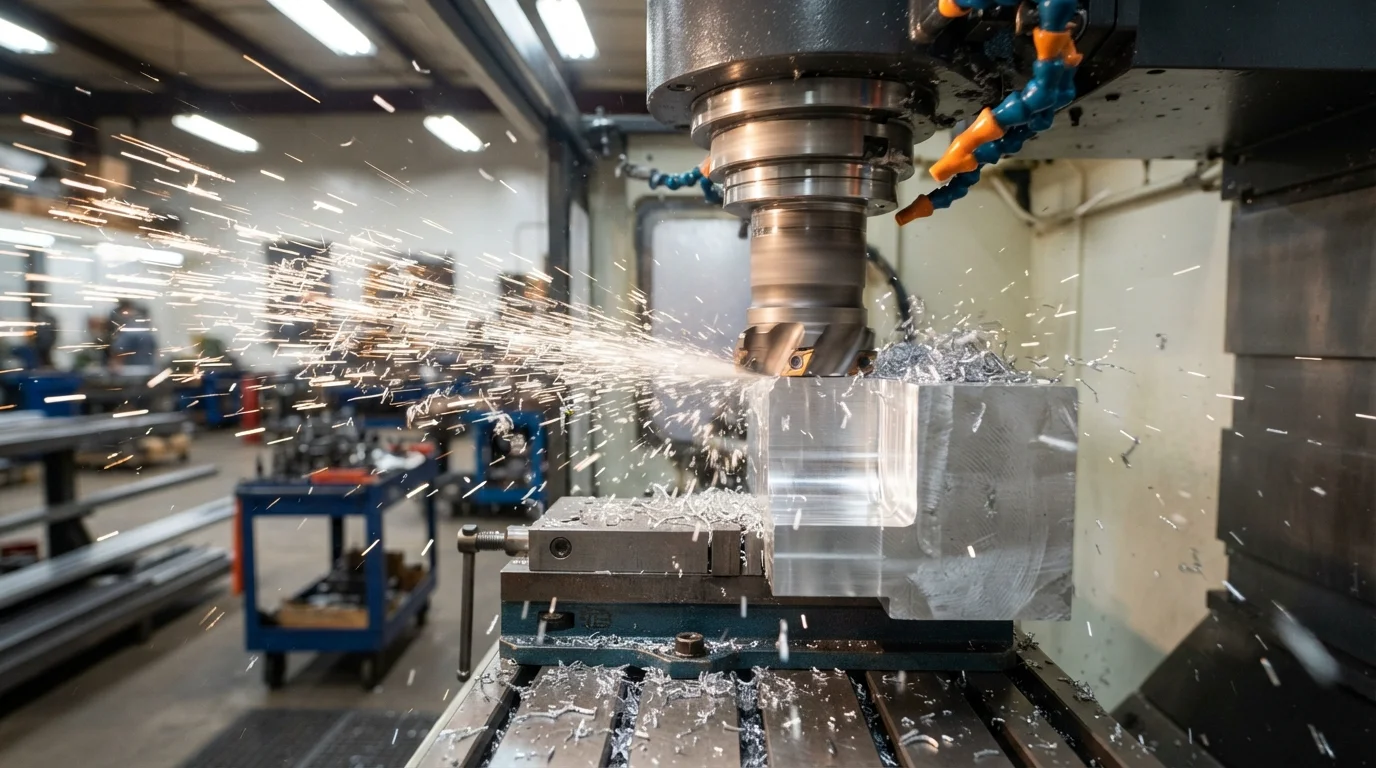
Question: Why do aluminum molds cost 30% to 50% less to machine into a mold than steel? Aluminum AL7075 cuts up to five times faster than pre-hardened steel, reducing CNC machine hours and spindle wear.
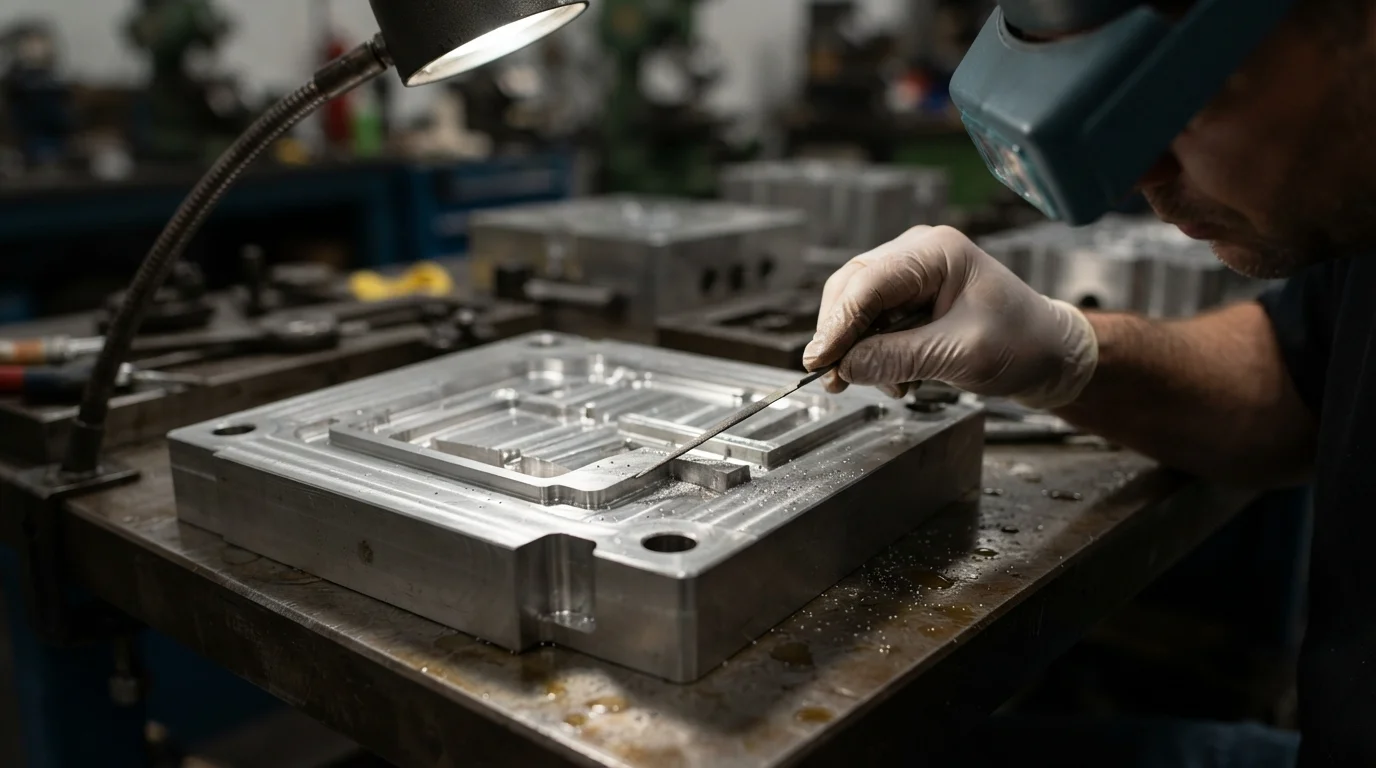
Evaluating aluminum vs steel mold cost variables requires looking beyond raw metal billet prices to analyze active CNC machine hours. Standard Aluminum alloys like AL7075-T6 cut three to five times faster on multi-axis milling spindles than pre-hardened Tool Steel grades like P20. Sourcing soft-metal billets allows machinists to take aggressive cut depths without risking cutter chatter or tool breakage. Rapid chip removal accelerates core fabrication, enabling short-run molds to reach the injection press floor within days.
Subtractive CNC Machining Service operations on aluminum avoid secondary vacuum heat-treating cycles completely, cutting overall lead times down to 10 to 15 business days. Key physical factors that drive down aluminum mold manufacturing costs include:
- High material removal rates—Spindles clear material at high feeds and speeds without cutter tool deflection
- Elimination of EDM spark erosion—Direct milling clears deep cavities without making custom copper electrodes
- Faster cooling thermal transfer—High thermal conductivity cuts molding cycle times by up to thirty percent
Hardened Tool Steel Investments and Lifetime Tooling Value
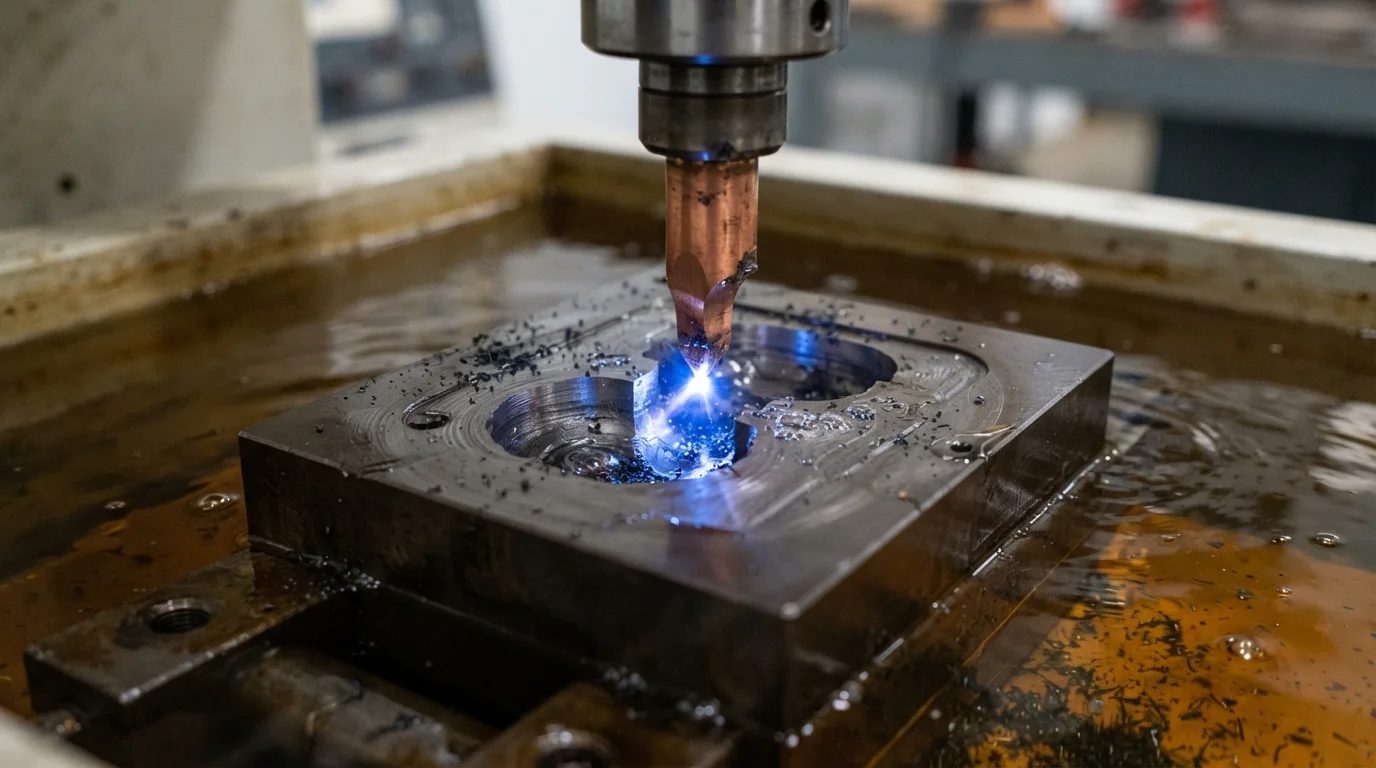
Question: When is hardened steel tooling worth the higher initial CapEx? Hardened steel molds like H13 or S7 survive over 1,000,000 injection shots, offering the lowest per-part unit price for mass production.
Investing in hardened steel tooling requires significant upfront capital, but delivers unmatched durability when annual order volumes exceed 100,000 units. Hardened steel core cavities resist high clamping forces and abrasive polymer flow easily, maintaining tight tolerances over millions of cycles. Sourcing a dedicated Rapid Tooling Service using aluminum or soft steel inserts represents a smarter intermediate step when product designs are still subject to market revisions. Sourcing rapid tooling allows product developers to validate gating, parting lines, and draft angles under real machine pressures.
Calculating your total rapid tooling cost requires evaluating how initial CapEx distributes across your target batch size. Sourcing functional Prototype Service parts or short-run aluminum molds allows hardware startups to validate sales demand before locking in high-volume steel tools. This technical comparison table highlights baseline cost and performance differences between aluminum and steel molds:
| Mold Material | Initial CapEx Investment | Tool Lifespan (Shots) | Best Cost-Saving Volume |
|---|---|---|---|
| AL7075-T6 Aluminum | Low ($2,000 – $8,000) | 5,000 to 50,000 | 100 to 10,000 units (short runs) |
| P20 Soft Steel | Moderate ($5,000 – $15,000) | 50,000 to 100,000 | 5,000 to 50,000 units (bridge production) |
| H13 Hardened Steel | High ($20,000 – $100,000+) | 1,000,000+ | Over 100,000 units (mass scale) |
Transitioning to an automated Injection Molding Service requires a complete overhaul of raw prototype CAD geometries to accommodate mold release physics. Sourcing your copies from a partner with extensive in-house capabilities ensures you receive honest, cost-saving advice for your specific hardware program. Slicing CAD files precisely allows experienced toolmakers to analyze parting lines, draft angles, and wall thicknesses using advanced mold flow simulation software.
Sourcing functional parts molded from solid engineering thermoplastics like ABS or Nylon (PA) provides authentic material behavior under dynamic loading. Splicing raw CAD files precisely allows experienced toolmakers to analyze parting line shut-offs manually. Early validation prevents expensive engineering changes when scaling up to high-volume injection molding.
Selecting the Most Cost Effective Option for Your Product Lifecycle
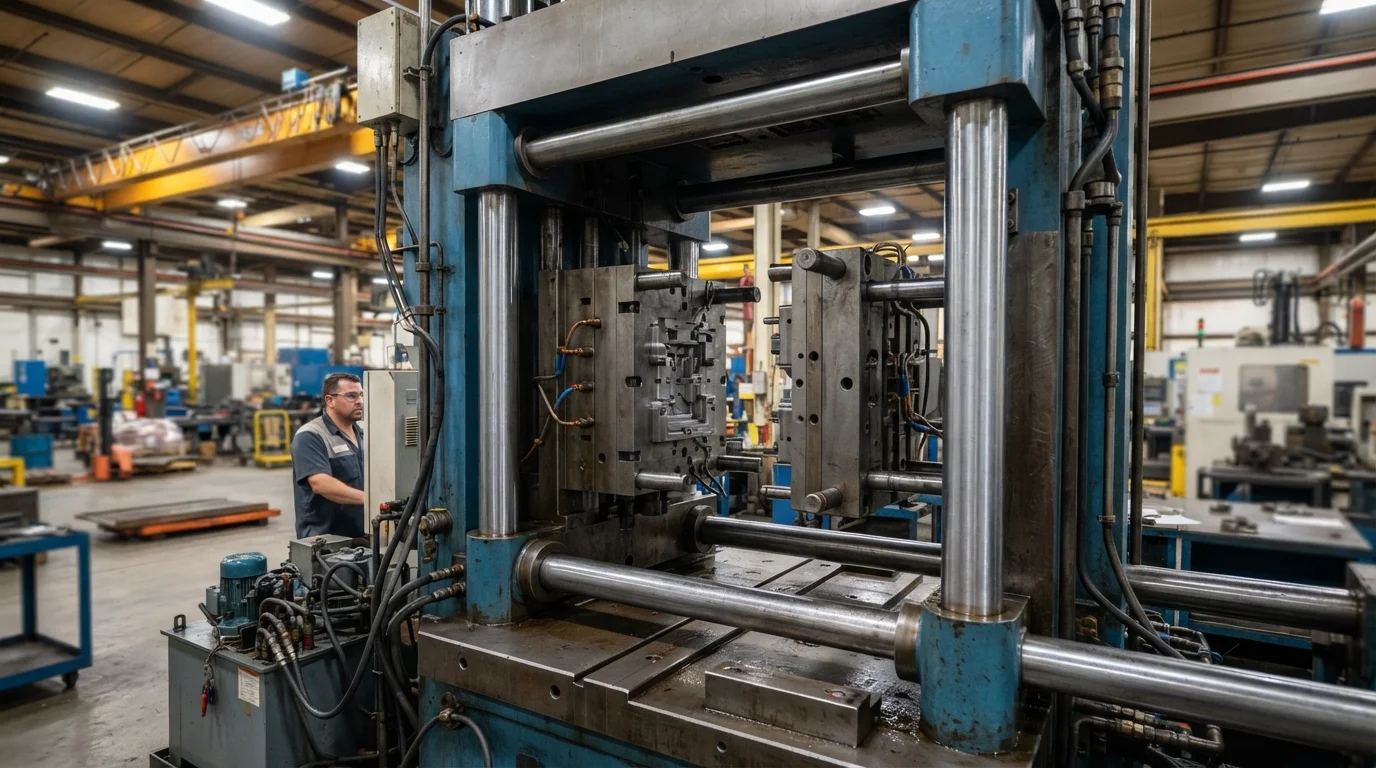
Question: How do hardware developers choose between aluminum and steel molds? Sourcing aluminum molds is ideal for early NPI, bridge production, and crowdfunding runs, while steel molds suit fully frozen, high-volume designs.
Analyzing aluminum vs steel mold cost structures allows hardware innovators to stage their tooling investments as product demand grows. Sourcing aluminum molds early protects your capital, enabling rapid design changes without destroying expensive hard tool steel. Sourcing your components from a certified, single-roof manufacturing facility prevents communication errors, ensuring design changes are propagated across all stages safely. Sourcing high-quality prototypes ensures your designs are built to withstand severe dynamic forces safely.
- Initial prototype phase (1 to 20 parts)—Use 3D printing or CNC billet machining to validate basic form and fitment
- Bridge production phase (100 to 20,000 parts)—Use aluminum rapid tooling to fulfill early market orders at low CapEx
- Mass production scaling (Over 100,000 parts)—Invest in multi-cavity H13 hardened steel molds for maximum piece-part economy
Frequently Asked Questions (FAQ)
How much cheaper is aluminum tooling than steel tooling?
Aluminum tooling is typically 30% to 50% cheaper upfront than steel tooling. Soft aluminum AL7075 cuts significantly faster on CNC spindles, eliminating slow EDM spark erosion and vacuum heat-treating hours.
When should a hardware venture choose aluminum molds over steel?
Understanding aluminum vs steel mold cost dynamics ensures you select the right tooling material for your specific order volume. Sourcing aluminum molds early allows hardware ventures to launch products months ahead of competitors.
How does Jucheng Precision support low-volume mold development?
Jucheng Precision operates a fully equipped manufacturing setup containing both multi-axis machining centers and precision injection molding presses. Factory engineers deliver comprehensive 24-hour free DFM reviews to optimize gate locations, parting lines, and draft profiles before cutting metal.

