


Securing early market supply chains during new product introduction (NPI) phases requires a strategic balance between initial capital expenditures and high-velocity product launches. Product development teams face severe financial risks when attempting to jump directly from early 3D printed prototypes to multi-cavity hardened steel production molds. Sourcing intermediate molds fabricated from high-conductivity aluminum or pre-hardened soft steels allows hardware ventures to generate early sales revenue while hard steel production tools are still being machined. Slicing complex three-dimensional CAD geometries precisely ensures early-stage parts release cleanly from core cavities without scuffing or warping. Sourcing these low-volume parts preserves crucial development cash flow, avoiding the massive capital expenditure associated with traditional hard steel molds.
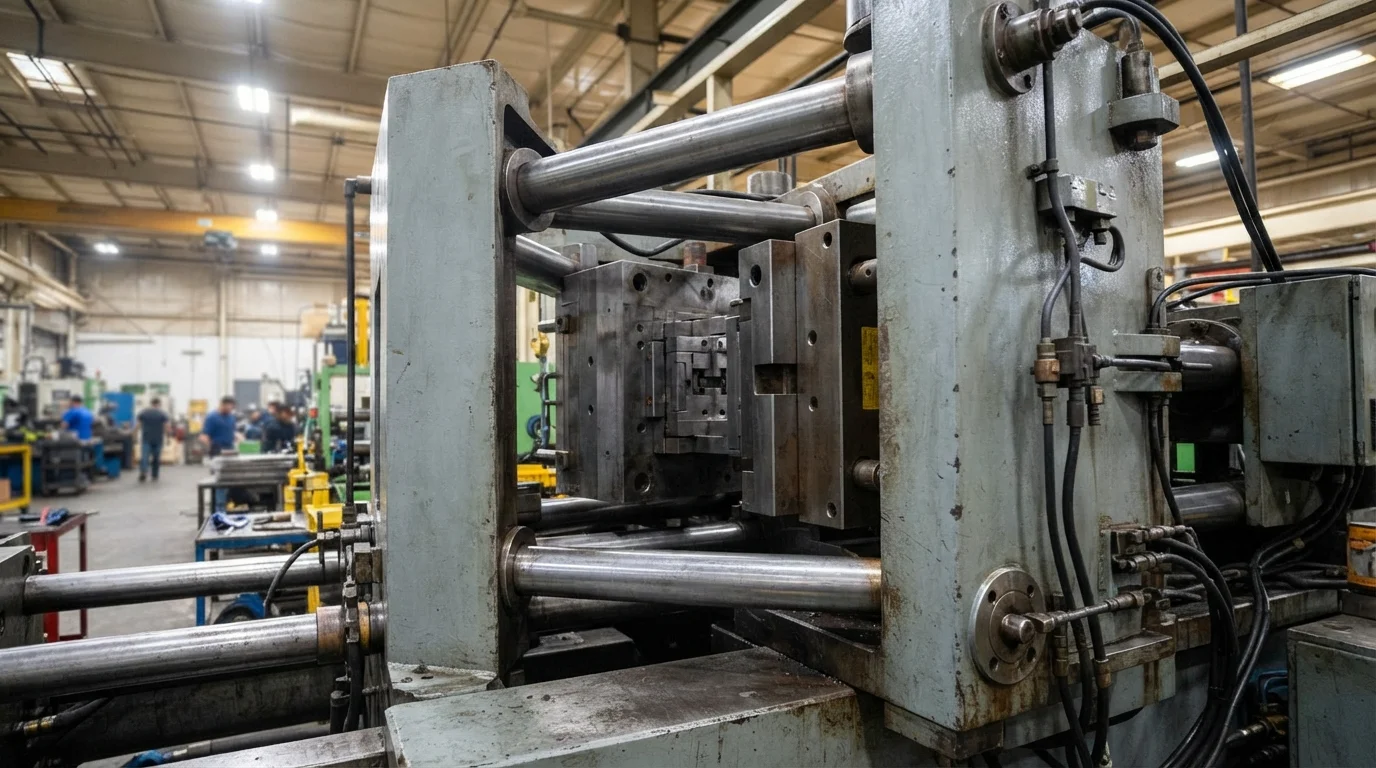
Table of Contents
1. Role of Bridge Tooling in New Product Introduction
2. Generating Early Revenue While Awaiting Hard Steel Molds
Role of Bridge Tooling in New Product Introduction
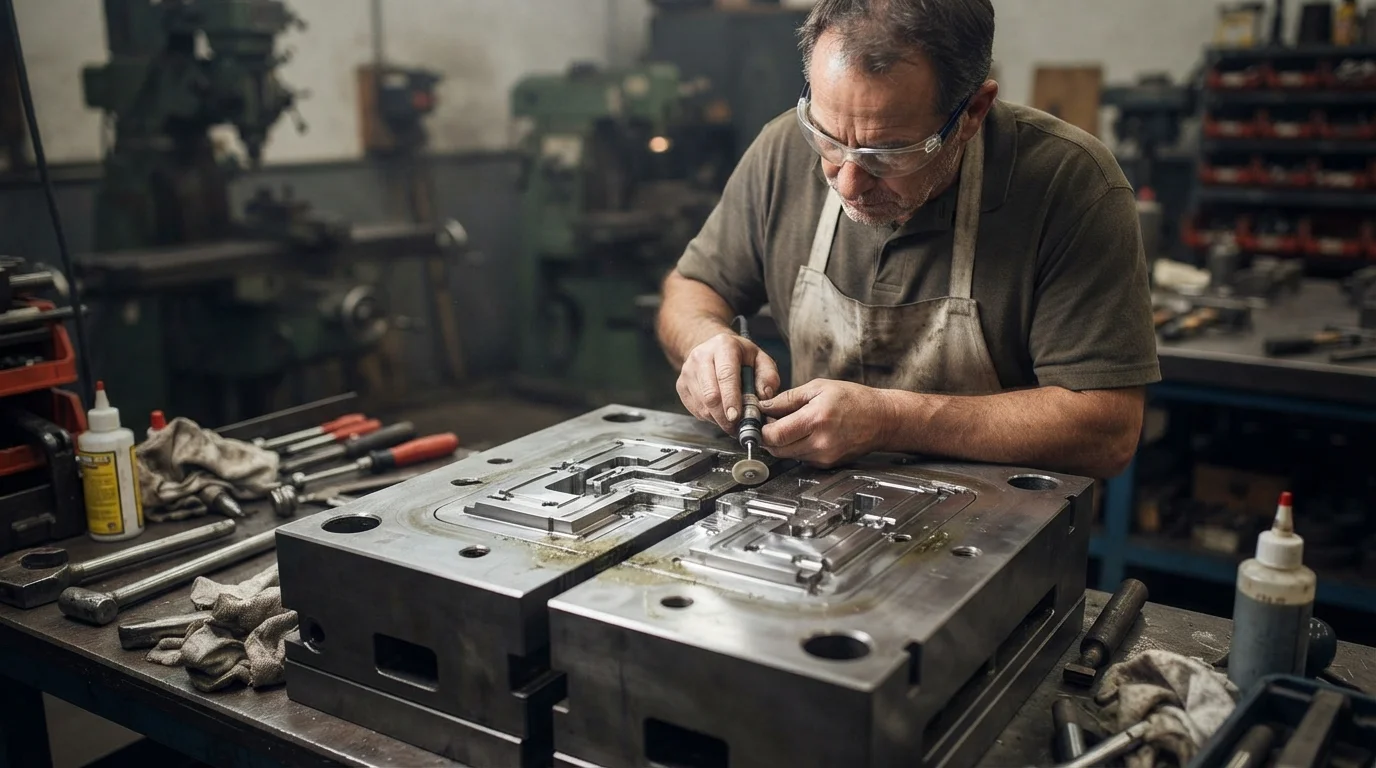
Question: What is the main purpose of bridge tooling in NPI? Bridge tooling fills the production gap between early prototyping and high-volume mass production, delivering 1,000 to 50,000 retail-ready parts using standard resins.
Evaluating bridge tooling vs production tooling strategies reveals how intermediate soft molds protect hardware startups during unpredictable market launches. Soft molds fabricated from AL7075-T6 Aluminum or pre-hardened P20 Tool Steel deliver genuine injection-molded parts within 2 to 4 weeks. Sourcing a dedicated Rapid Tooling Service program enables mechatronics groups to produce functional components cheaply without paying mass production overheads. Early market feedback allows design teams to refine CAD geometries before locking down permanent production tools.
Sourcing functional parts from a professional Prototype Service is ideal for early form studies, but those CAD files often violate mass-production injection molding physics. Slicing CAD files precisely allows experienced toolmakers to analyze parting lines, draft angles, and wall thicknesses using advanced mold flow simulation software. Mold designers analyze parting line splits early to ensure the soft aluminum shut-offs resist wear under high clamping pressures. Symmetrical component designs simplify holding fixtures, reducing initial setup labor hours dramatically.
Standardizing non-critical clearances allows high-speed milling spindles to clear raw stock quickly, maximizing cutting efficiency. Sourcing functional CNC Machining Service parts from extruded billets of ABS, Nylon (PA), or Polycarbonate (PC) provides authentic material behavior before cutting tool steel. This detailed materials validation eliminates mechanical failure risks when transitioning prototype to production design configurations. Early validation prevents expensive engineering changes when scaling up to high-volume injection molding.
Generating Early Revenue While Awaiting Hard Steel Molds
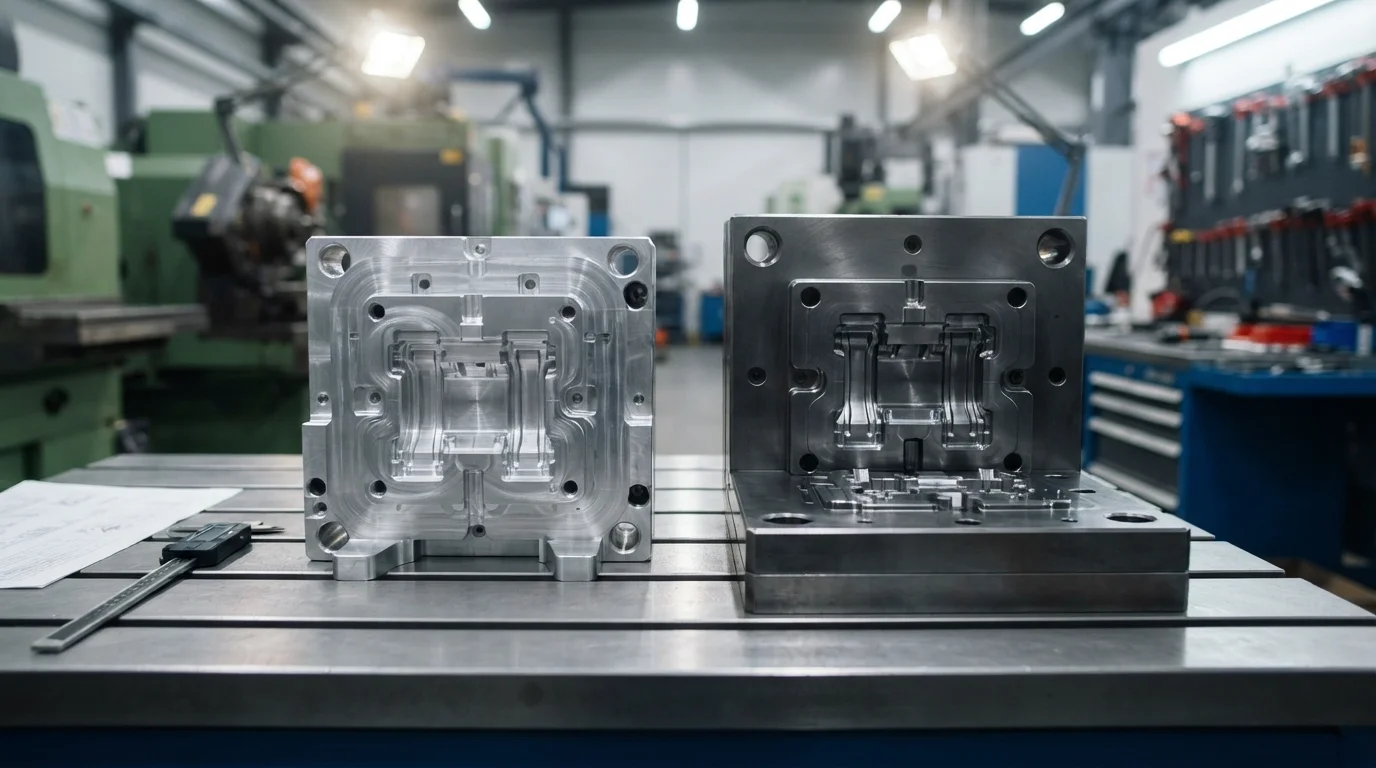
Question: How does bridge tooling help companies generate early revenue? Bridge molds deliver sample parts in weeks, allowing hardware ventures to start shipping orders to customers while hard steel molds are being machined.
Analyzing rapid tooling vs production tooling metrics proves that speed-to-market is the primary driver of early product profitability. Hardened H13 steel molds require 8 to 12 weeks of slow precision EDM machining and vacuum heat-treating. Bridge tooling, by contrast, delivers T1 molded samples in 2 to 4 weeks, allowing consumer brands to fulfill Kickstarter pledges and retail orders months earlier. Generating sales revenue while awaiting production steel tools preserves working capital and strengthens brand equity.
Selecting the correct tooling philosophy involves balancing raw physical properties with overall financial risk. This technical comparison table highlights baseline cost and timeline differences between intermediate bridge molds and mass production steel tools:
| Manufacturing Metric | Bridge Tooling Standard | Production Tooling Standard | Primary B2B Financial Influence |
|---|---|---|---|
| Lead Time to T1 Samples | 2 to 4 weeks | 8 to 12 weeks | Enables market entry months ahead of competitors |
| Initial Tooling CapEx | Low ($3,000 – $12,000) | High ($25,000 – $100,000+) | Minimizes upfront financial risk during design validation |
| Estimated Tool Life | 5,000 to 50,000 shots | 1,000,000+ shots | Governs per-part piece price amortization over long runs |
Promoting Bridge Molds into Permanent Low Volume Tooling
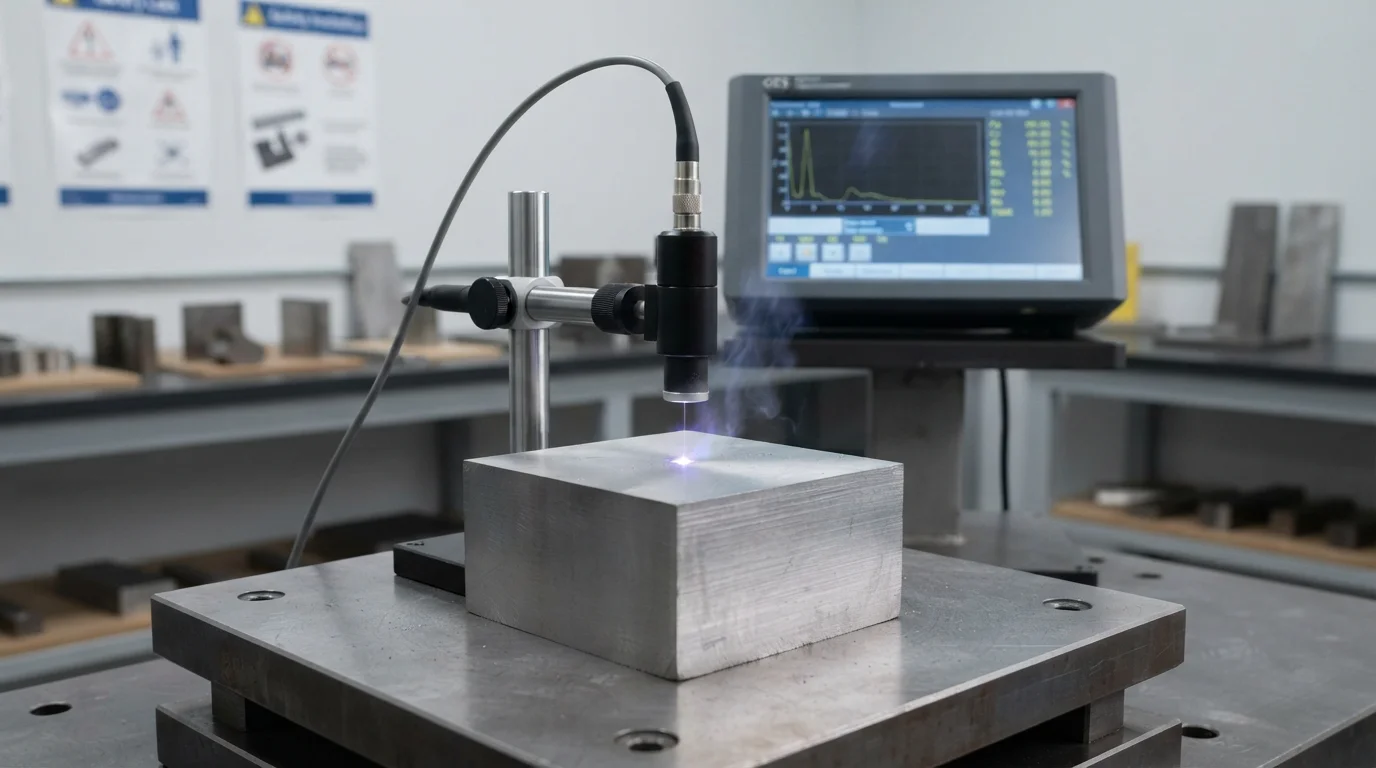
Question: Can a bridge mold be used as a permanent production tool? Yes, if annual part demand remains under 20,000 to 50,000 units, a pre-hardened P20 steel bridge mold can serve as the permanent production tool indefinitely.
Evaluating bridge tooling vs production tooling options reveals that many niche hardware products never require upgrading to hardened steel molds. If annual market demand stabilizes between 5,000 and 30,000 parts, a pre-hardened P20 steel bridge tool serves as the permanent production mold indefinitely. Transitioning to an automated Injection Molding Service using soft steel cores eliminates the need to ever spend $50,000+ on hardened H13 production tools. Sourcing pre-hardened steel core inserts provides exceptional dimensional stability across moderate production volumes.
Jucheng Precision operates a fully-integrated factory setup containing both multi-axis machining centers and precision injection molding presses. Factory engineers deliver comprehensive 24-hour free DFM reviews to optimize gate locations, parting lines, and draft profiles before cutting metal. Key engineering steps to optimize your bridge tooling programs include:
- Modular MUD frame adoption—Reusing universal master bases avoids custom outer mold frame machining expenses
- Pre-hardened P20 core selection—Using 30 HRC soft steel extends tool lifespan when molding glass-filled resins
- Pass-through shut-off implementation—Designing CAD features with zero undercuts eliminates expensive mechanical sliders
Partnering with an experienced moldmaker ensures design changes and quality checks are managed seamlessly under one roof. Key operational advantages of scaling with an integrated factory include:
- 24-hour free DFM reviews—Factory engineers evaluate parting lines, gate sizes, and cooling waterlines before cutting core metal
- Certified quality management systems—ISO 13485 and IATF 16949 compliant facilities guarantee full material traceability and part repeatabilities
- Single-roof manufacturing facilities—Operating in-house toolmaking and injection presses eliminates communication gaps between vendors
Frequently Asked Questions (FAQ)
How do I choose between bridge tooling vs production tooling?
Choosing between bridge tooling vs production tooling depends on whether your design is fully frozen and your target annual volume. Standardizing your CAD geometries early allows you to use rapid tooling aluminum molds to bypass high upfront steel mold expenses cheaply.
Does complex surface polishing increase overall manufacturing bills dramatically?
Standard multi-axis CNC milling and high-resolution stereolithography SLA processes can deliver fully validated physical mockups within 3 to 5 business days. Bypassing slow manual mold-making procedures allows hardware developers to conduct dynamic fitment checks and aerodynamic wind tunnel tests immediately. Sourcing your prototypes from a turnkey manufacturer ensures experienced mold makers suggest smart gate placements.
How many parts can you pull from a single silicone mold before it fails?
Most silicone molds yield twenty to thirty clean pulls before the rubber becomes brittle and begins to tear. Designing parts with gentle draft angles and generous fillets helps preserve the cavity walls, extending mold life up to forty runs. Sourcing early DFM reviews simplifies split line layouts, eliminating the need for expensive mechanical sliders in rapid molds.

