


Navigating hardware commercialization requires knowing precisely when to transition from quick-turn soft molds to multi-cavity hardened steel tooling. Sourcing early-stage plastic components from soft aluminum or pre-hardened steel cavities preserves capital while validating real-world resin performance. Transitioning prematurely to production steel molds locks up massive capital and makes late CAD modifications extremely expensive.
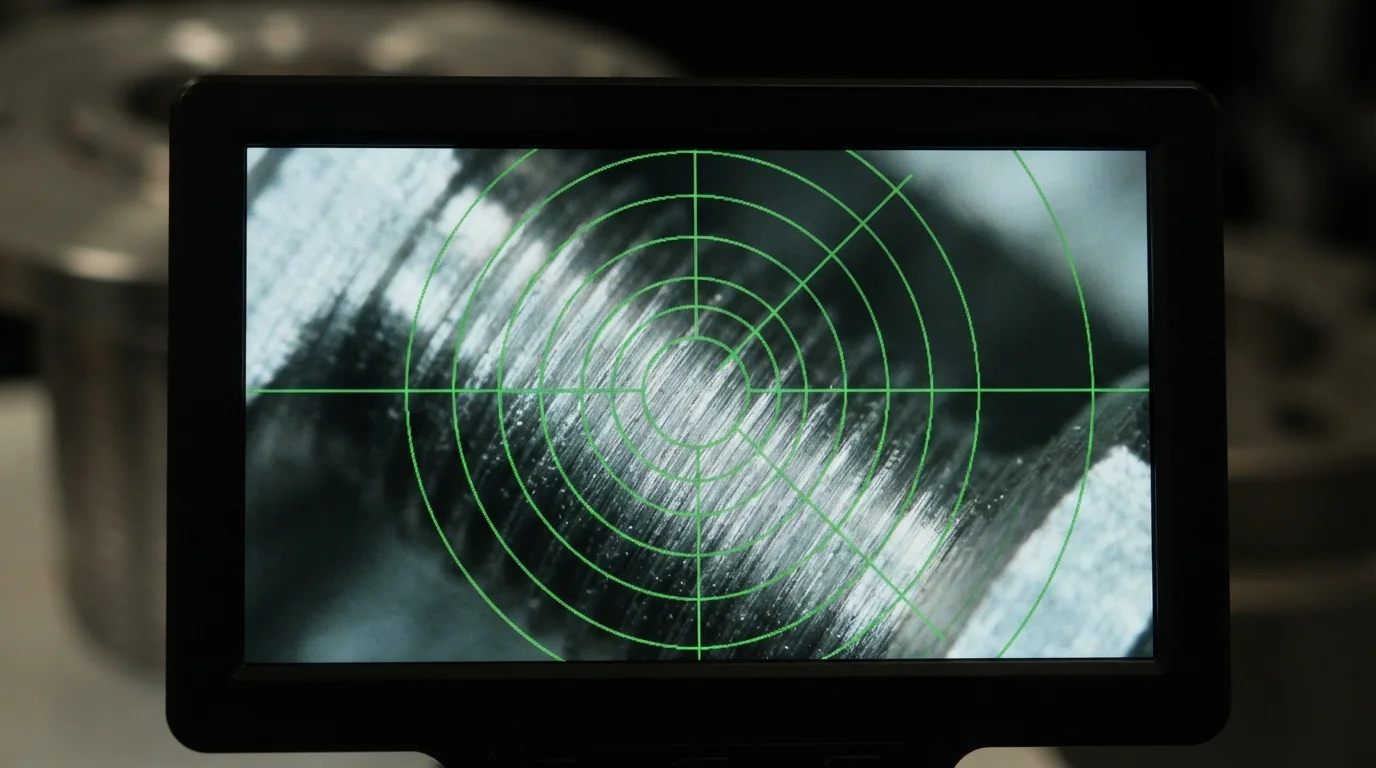
Manufacturing specialists evaluate design freeze milestones, annual order forecasts, and material abrasiveness before recommending permanent steel tooling. Slicing complex three-dimensional CAD geometries precisely allows toolmakers to analyze parting lines, draft angles, and wall thicknesses using advanced mold flow simulation software. Sourcing your components from an experienced partner ensures design changes are propagated across all stages safely.
Let’s explore the three primary operational indicators that dictate when hard steel molds are required for long-term commercial success.
Table of Contents
1. Design Freeze Milestones and CAD Lock Constraints
2. Annual Volume Thresholds and Piece Part Amortization
Design Freeze Milestones and CAD Lock Constraints
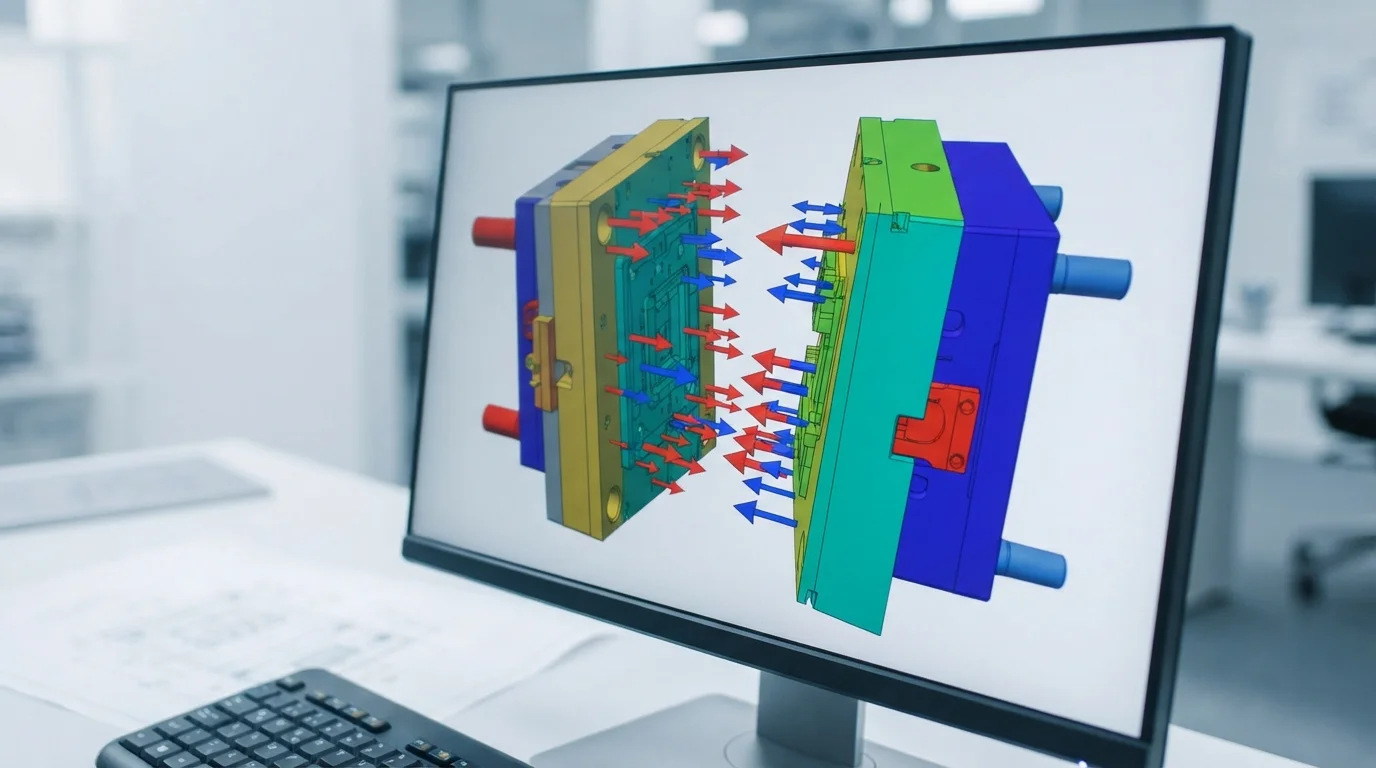
Question: Why is a complete design freeze mandatory before ordering production steel molds? Modifying hardened H13 steel cavities after cutting requires slow EDM spark erosion or annealing, adding thousands of dollars in ECO charges.
Identifying when to switch from rapid tooling to production tooling begins with confirming that your part geometry is 100 percent frozen. Sourcing soft aluminum or P20 steel molds allows hardware startups to execute late engineering changes cheaply on high-speed mills. Hardened H13 production steel, by contrast, resists modification, requiring slow spark-erosion EDM or micro-welding to alter geometries. Freezing CAD files completely ensures your high-volume mold investment delivers maximum ROI without unexpected rework fees.
Evaluating readiness for production steel tooling requires checking key NPI milestones:
- Design freeze sign-off—Mechanical geometries, snap fits, and wall thicknesses require zero further revision
- Regulatory certification approval—Parts molded from production-grade resins pass UL, CE, or ISO Class 8 cleanroom audits
- Market demand confirmation—Order volumes consistently justify high multi-cavity steel mold CapEx investments
Annual Volume Thresholds and Piece Part Amortization

Question: What annual order volume justifies switching to hard steel tooling? Annual volumes exceeding 50,000 to 100,000 parts justify production steel tools because low per-part piece prices offset high initial CapEx.
Calculating piece-part amortization reveals the exact financial tipping point where hardened steel tools outperform soft rapid molds. Sourcing a dedicated Rapid Tooling Service using Aluminum core inserts keeps initial CapEx low for runs of 1,000 to 20,000 parts. Sourcing functional Prototype Service parts or short-run aluminum molds allows hardware ventures to validate market demand before locking in high-volume steel tools. Lower initial mold expenses protect cash flow during early market entry.
Weighing rapid tooling vs production tooling trade-offs ensures mechatronics groups do not overpay for unit piece prices or lock up early cash flow. Multi-cavity production steel molds run fully automated high-speed cycles, lowering individual piece-part costs to minimal OpEx targets. This technical comparison table outlines volume thresholds across different tooling options:
| Tooling Option | Core Metal Material | Typical Tool Life | Ideal Production Volume |
|---|---|---|---|
| Rapid Tooling | AL7075-T6 Aluminum | 5,000 to 20,000 shots | 100 to 10,000 units (NPI & bridge runs) |
| Bridge Tooling | P20 Soft Steel | 20,000 to 100,000 shots | 5,000 to 50,000 units (market validation) |
| Production Tooling | H13 Hardened Steel | 1,000,000+ shots | Over 100,000 units (high-volume series) |
Transitioning to an automated Injection Molding Service requires a complete overhaul of raw prototype CAD geometries to accommodate mold release physics. Sourcing your copies from a partner with extensive in-house capabilities ensures you receive honest, cost-saving advice for your specific hardware program. Slicing CAD files precisely allows experienced toolmakers to analyze parting lines, draft angles, and wall thicknesses using advanced mold flow simulation software.
Sourcing functional parts molded from solid engineering thermoplastics like ABS, Nylon (PA), or Polycarbonate (PC) provides authentic material behavior under dynamic loading. Splicing raw CAD files precisely allows experienced toolmakers to analyze parting line shut-offs manually. Early validation prevents expensive engineering changes when scaling up to high-volume injection molding.
Material Cavity Wear Indicators and Flash Risks
Question: What physical signs indicate an aluminum mold needs replacement by a steel production tool? Severe parting line flash, gate erosion, and dimensional scuffing signal that soft mold cavities have reached their life expectancy limits.
Injecting abrasive glass-filled polymers into soft aluminum cavities eventually causes gate erosion and parting line washouts. Recognizing these physical wear indicators signals exactly when to switch from rapid tooling to production tooling to protect part quality. Installing pre-hardened Tool Steel gate inserts extends soft mold life, but high-volume runs with glass-filled resins ultimately require hardened H13 production steel.
Jucheng Precision supports mechatronics startups by delivering comprehensive 24-hour free DFM reviews that analyze draft angles, wall uniformity, gating locations, and shrinkage factors. Sourcing functional CNC Machining Service parts or Vacuum Casting models allows engineering groups to validate designs before committing to high-volume production. Key operational benefits of scaling with an integrated moldmaker include:
- In-house toolroom machining—Cutting soft metal cores directly on high-speed mills cuts lead times down to 10 business days
- Pre-molding DFM engineering reviews—Toolmakers analyze moldflow fill fronts, venting, and gate locations before milling core steel
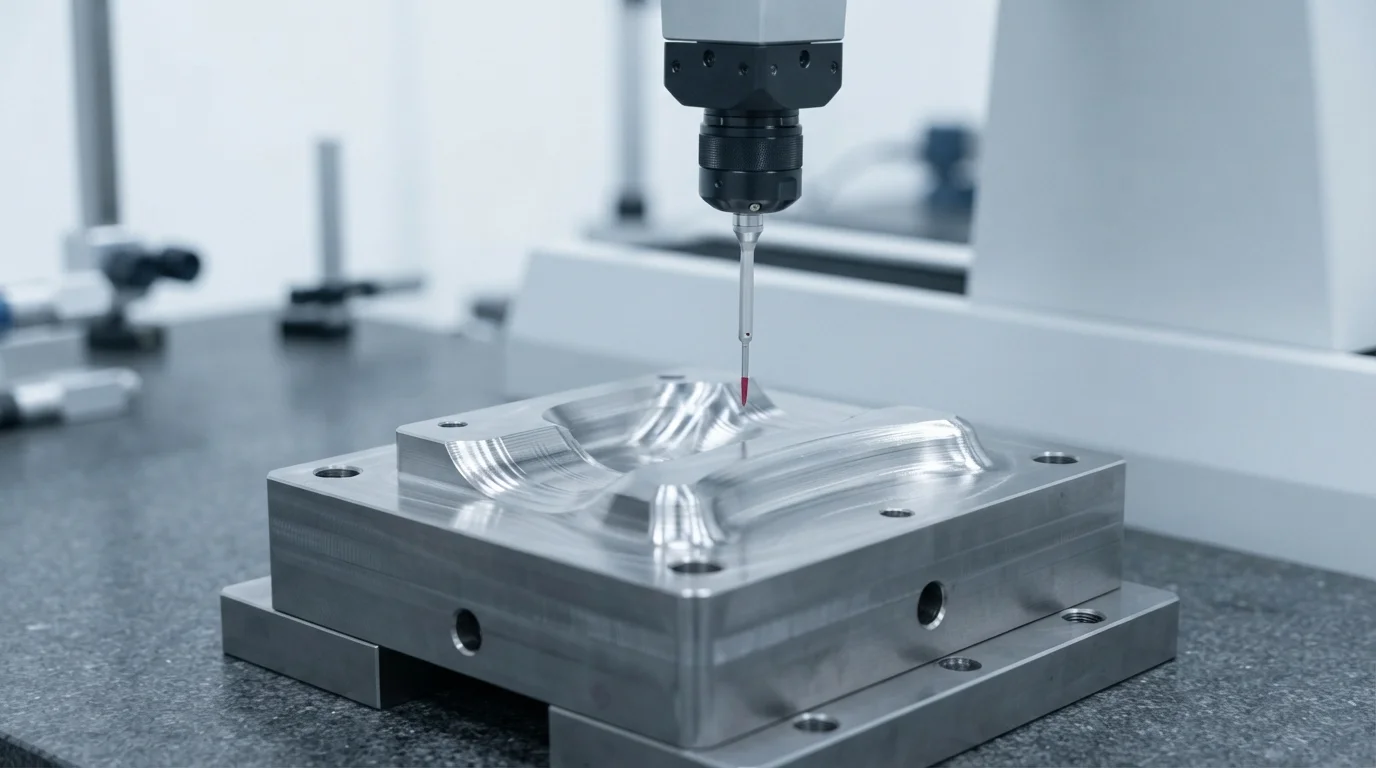
- Certified metrology inspection—CMM touch-probes verify sub-micron dimensions under strict ISO 9001 and ISO 13485 quality protocols
Frequently Asked Questions (FAQ)
How do I know when to switch from rapid tooling to production tooling?
Knowing when to switch from rapid tooling to production tooling depends on whether your design is 100% frozen and your annual volume exceeds 50,000 units. Sourcing rapid aluminum molds early allows you to validate market demand before locking up cash flow in hard steel tools.
Why is a complete design freeze required before cutting production steel?
Modifying hardened H13 steel cavities after cutting requires slow spark-erosion EDM or micro-welding, adding thousands in unexpected tooling charges. Freezing CAD geometries completely before ordering production steel molds eliminates these expensive ECO fees.
How fast can rapid aluminum molds be delivered for sample testing?
Soft aluminum or P20 steel rapid molds are typically machined on multi-axis CNC mills within 10 to 15 business days. Bypassing slow spark-erosion EDM processes allows manufacturers to deliver functional, production-grade molded samples in weeks rather than months.

