


Evaluating initial mold capital investments alongside long-term per-part piece prices represents a critical financial crossroads for procurement heads and hardware startups. Conducting a thorough rapid tooling vs production tooling evaluation allows development teams to determine the exact volume threshold where soft metal cavities yield superior ROI. Sourcing low-volume plastic parts from aluminum or soft steel molds reduces initial CapEx dramatically, preserving working capital during uncertain market launch phases. Multi-cavity hardened steel production molds, by comparison, require heavy upfront investments but deliver minimal piece-part costs for extreme mass production. Sourcing early DFM feedback ensures your team selects the optimal tooling path before committing heavy capital to mold fabrication.
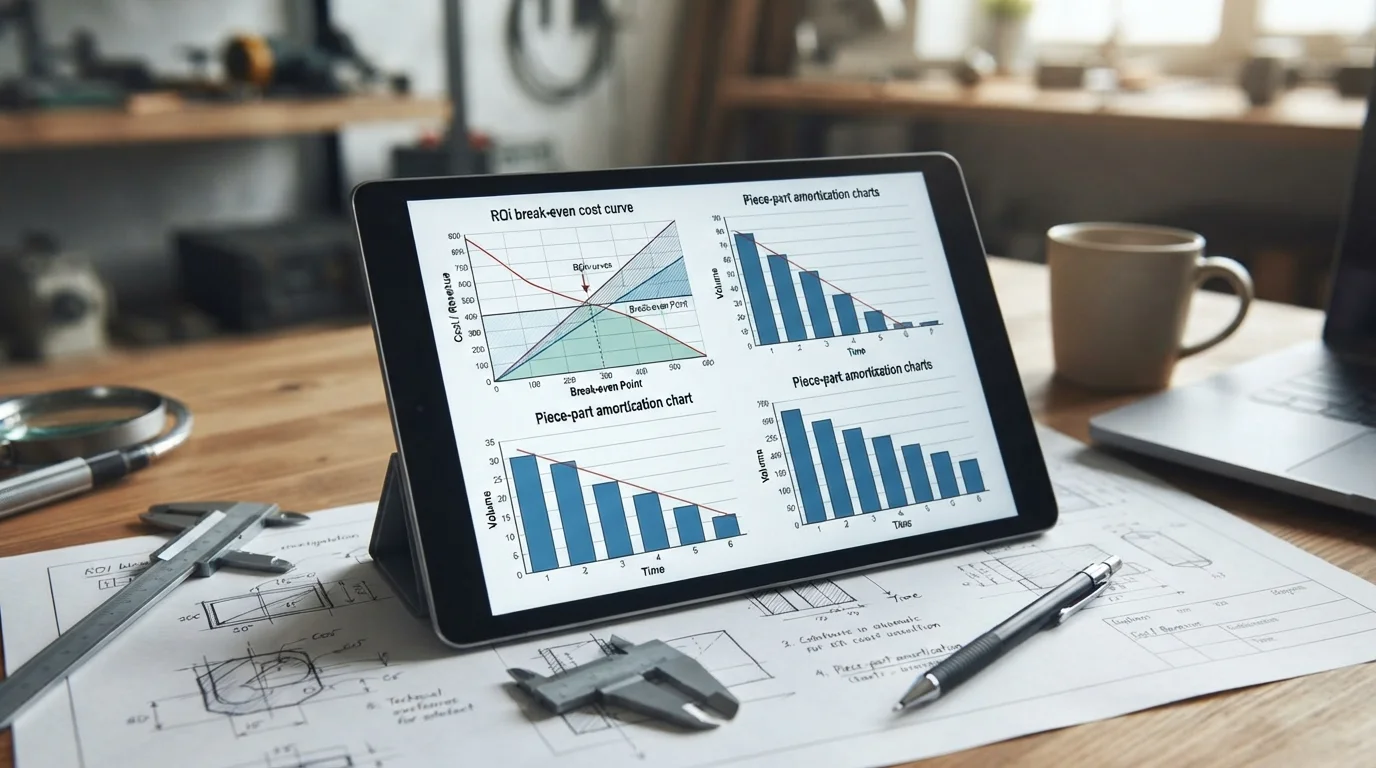
Table of Contents
1. Initial Capital Expenditures and Tooling Setup Differences
2. Piece Part Price Amortization and Volume Break Even Calculations
Initial Capital Expenditures and Tooling Setup Differences
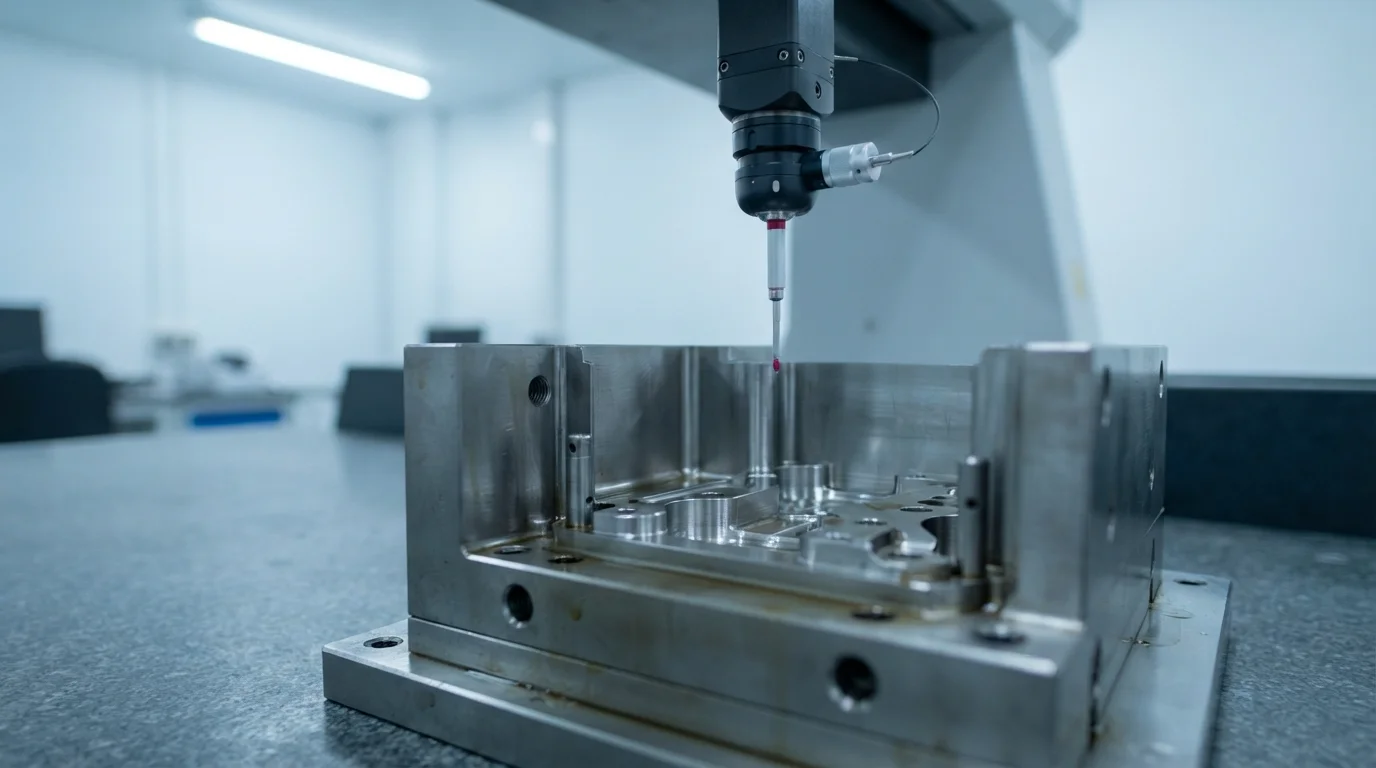
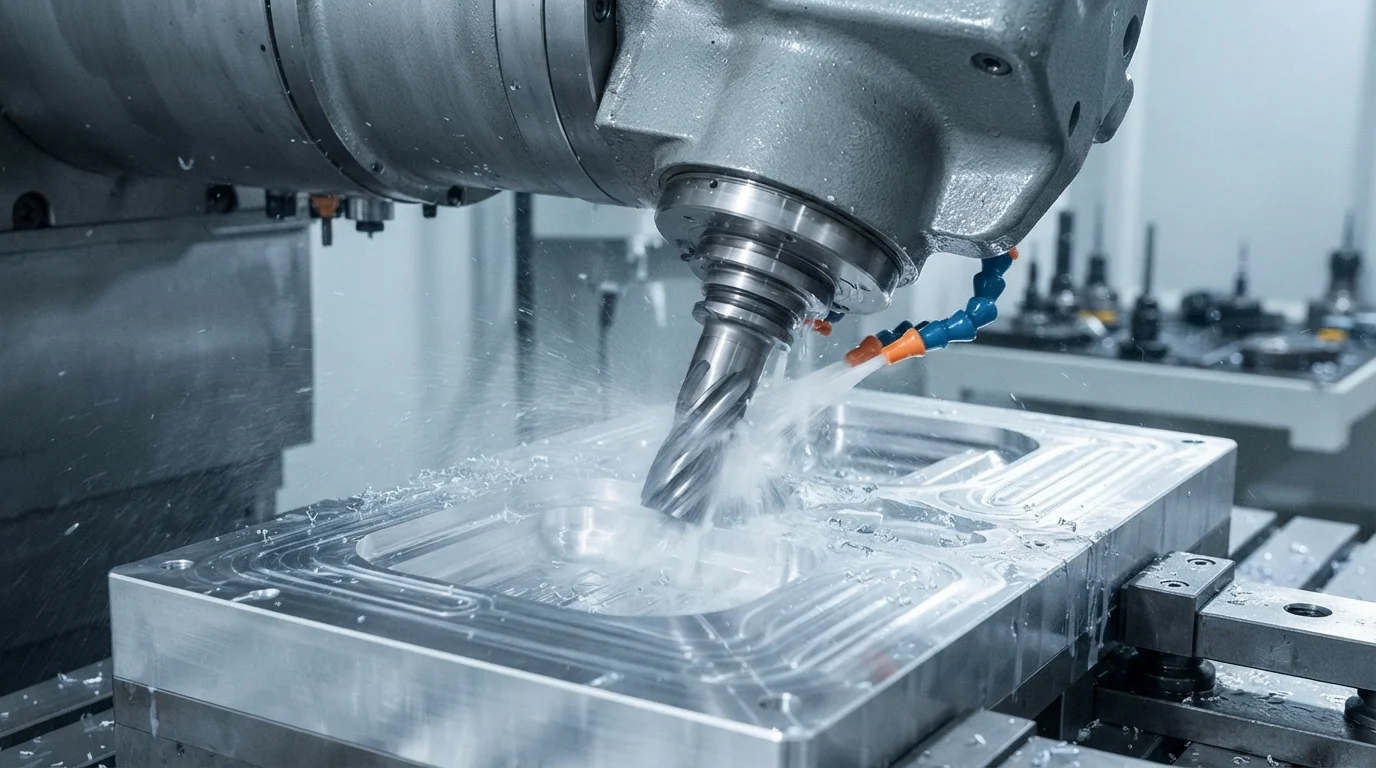
Question: Why do rapid molds cost up to 70% less upfront than production steel molds? Rapid molds use highly machinable aluminum or soft pre-hardened steel and standard modular MUD bases, eliminating expensive EDM spark erosion.
Performing an itemized cost comparison rapid tooling vs production tooling reveals why soft metal molds require significantly lower starting investments. Sourcing a dedicated Rapid Tooling Service using Aluminum (AL7075-T6) or pre-hardened Tool Steel (like P20) slashes machining hours by up to seventy percent. Hardened H13 steel production molds require months of slow subtractive milling, vacuum hardening, and manual EDM spark erosion, driving up initial toolroom labor fees. Soft metal cavities cut upfront mold CapEx to a fraction of production tooling costs, helping startups launch products affordably.
Sourcing companion insert dies housed inside standardized modular unit die (MUD) frames avoids custom mold base machining expenses entirely. Key factors driving down initial rapid tooling CapEx include:
- Fast CNC spindle cutting speeds—Soft alloys cut up to 5x faster than tool steel, minimizing machine hours
- Bypassing vacuum heat-treatment—Pre-tempered T6 aluminum and P20 steel eliminate multi-week hardening cycles
- Modular MUD mold bases—Reusing universal master frames saves 50% on raw metal plate purchases
Piece Part Price Amortization and Volume Break Even Calculations
Question: What is the volume breakeven point between rapid and production tooling? Rapid tooling is cheaper overall for batches under 10,000 to 50,000 units, while production steel molds become cheaper per part at higher volumes.
Understanding the mathematical relationship in cost comparison rapid tooling vs production tooling equations requires analyzing piece-part OpEx amortization across your total order quantity. For short runs under 10,000 parts, rapid tooling delivers a far lower total cost of ownership because initial mold savings outweigh minor unit price premiums. Multi-cavity production steel molds run fully automated high-speed cycles, lowering individual piece-part costs to minimal OpEx targets when producing hundreds of thousands of units. Sourcing early financial reviews helps product managers establish clear volume thresholds before selecting mold materials.
Selecting the correct tooling strategy involves balancing initial CapEx with expected annual sales volume. This technical comparison table outlines baseline cost and volume relationships across different mold standards:
| Tooling Philosophy | Initial Mold CapEx | Piece-Part OpEx | Best Volume Range |
|---|---|---|---|
| Rapid Tooling (AL7075) | Low ($2,000 – $8,000) | Moderate (Semi-automated cycles) | 100 to 10,000 units (NPI & bridge runs) |
| Bridge Tooling (P20 Steel) | Moderate ($5,000 – $15,000) | Low-Moderate (Automated runs) | 5,000 to 50,000 units (market validation) |
| Production Tooling (H13 Steel) | High ($25,000 – $100,000+) | Lowest (Multi-cavity automated) | 100,000+ units (extreme mass scale) |
Risk Mitigation and Staged Production Financial Planning
Question: How does rapid tooling reduce financial risk during product launches? Staging your tooling investment with soft molds allows teams to test market demand and execute DFM changes before committing to steel tools.
Staging your tooling investments protects your business against market adoption delays and unpredicted engineering change orders (ECOs). Reviewing the cost comparison rapid tooling vs production tooling data proves that soft molds allow agile CAD modifications without destroying expensive hard steel cores. Sourcing functional CNC Machining Service parts or soft-alloy molds allows engineering groups to validate designs using real thermoplastics like ABS, Nylon (PA), or Polycarbonate (PC). Early validation prevents expensive engineering changes when scaling up to high-volume injection molding.
Jucheng Precision operates a fully-integrated factory setup containing both multi-axis machining centers and precision Injection Molding Service presses. Factory engineers deliver comprehensive 24-hour free DFM reviews to optimize gate locations, parting lines, and draft profiles before cutting metal. Sourcing functional Prototype Service parts or Vacuum Casting models allows engineering groups to validate designs before committing to high-volume production. Key financial benefits of staging your tooling investment include:
- 24-hour free DFM reviews—Factory engineers evaluate parting lines, gate placements, and draft angles before cutting core metal
- Transparent turnkey quotes—Itemized estimates include all secondary gate trimming, surface painting, and packaging fees upfront
- Single-roof manufacturing facilities—Operating in-house toolmaking and injection presses eliminates communication gaps between vendors
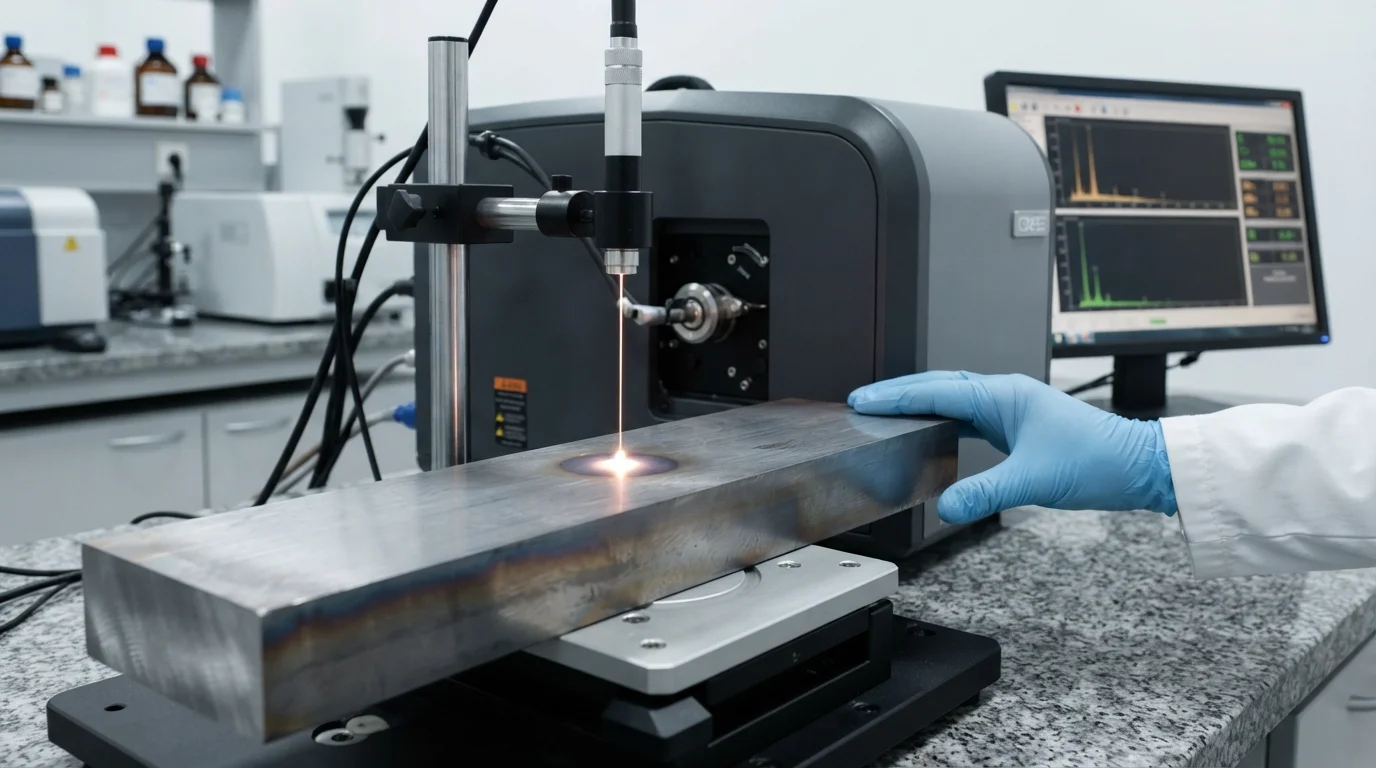
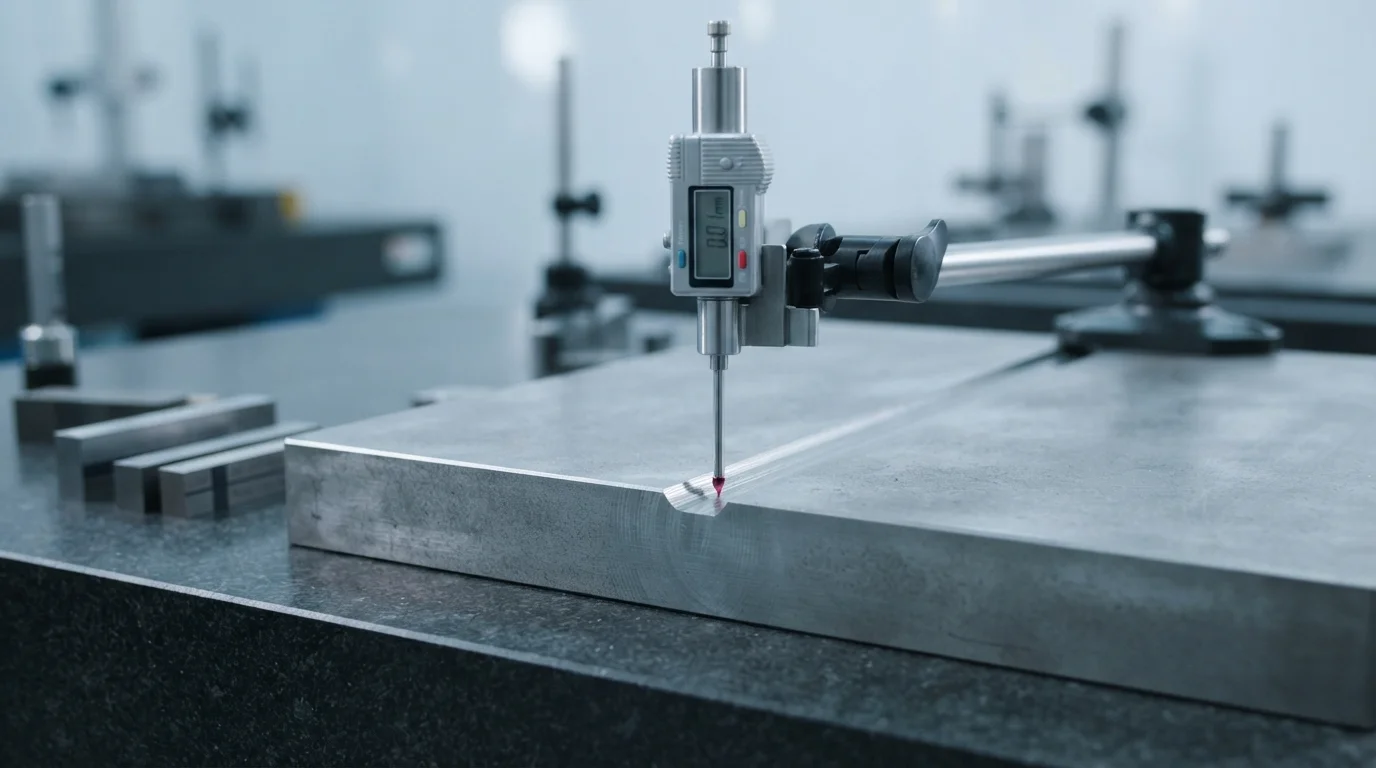
Partnering with a certified manufacturer helps you navigate the transition from early visual mockups to low-volume bridge tooling seamlessly. Sourcing your quotes manually ensures experienced engineers analyze your 3D STEP files to find additional ways of optimizing your cost of rapid tooling vs production tooling decisions. Custom components undergo rigorous coordinate metrology checks to confirm exact dimensional compliance. Sourcing high-quality prototypes ensures your designs are built to withstand severe dynamic forces safely.
Frequently Asked Questions (FAQ)
How much cheaper is rapid tooling than production tooling?
Comparing short-run and mass-production mold quotes shows that rapid tooling saves 40% to 70% in upfront mold CapEx. Soft aluminum or pre-hardened steel cores machine significantly faster on CNC mills, bypassing slow spark-erosion EDM hours completely.
When should a hardware startup transition to hardened steel production molds?
Transitioning to hardened steel tools is recommended when product designs are 100% frozen and annual part demand exceeds 50,000 to 100,000 units. High production volumes justify initial steel mold CapEx by delivering minimal piece-part prices.
Can rapid tooling molds produce parts that meet ISO 13485 and IATF 16949 standards?
Rapid molds run in certified facilities produce parts from production-grade resins that fully comply with medical and automotive quality management standards. Full material mill certifications and CMM inspection reports guarantee full traceability across short-run batches.

