


As additive manufacturing technologies grow faster and more sophisticated, a common question echoes across engineering boardrooms: will industrial 3D printers eventually render metal mold tooling entirely obsolete for small-scale production runs? While printers boast impressive build speeds, manufacturing a thousand identical commercial components purely through layer deposition introduces steep operational bottlenecks. Evaluating whether rapid tooling can completely replace 3D printing for low volume requires examining the distinct operational boundaries where each technology excels.
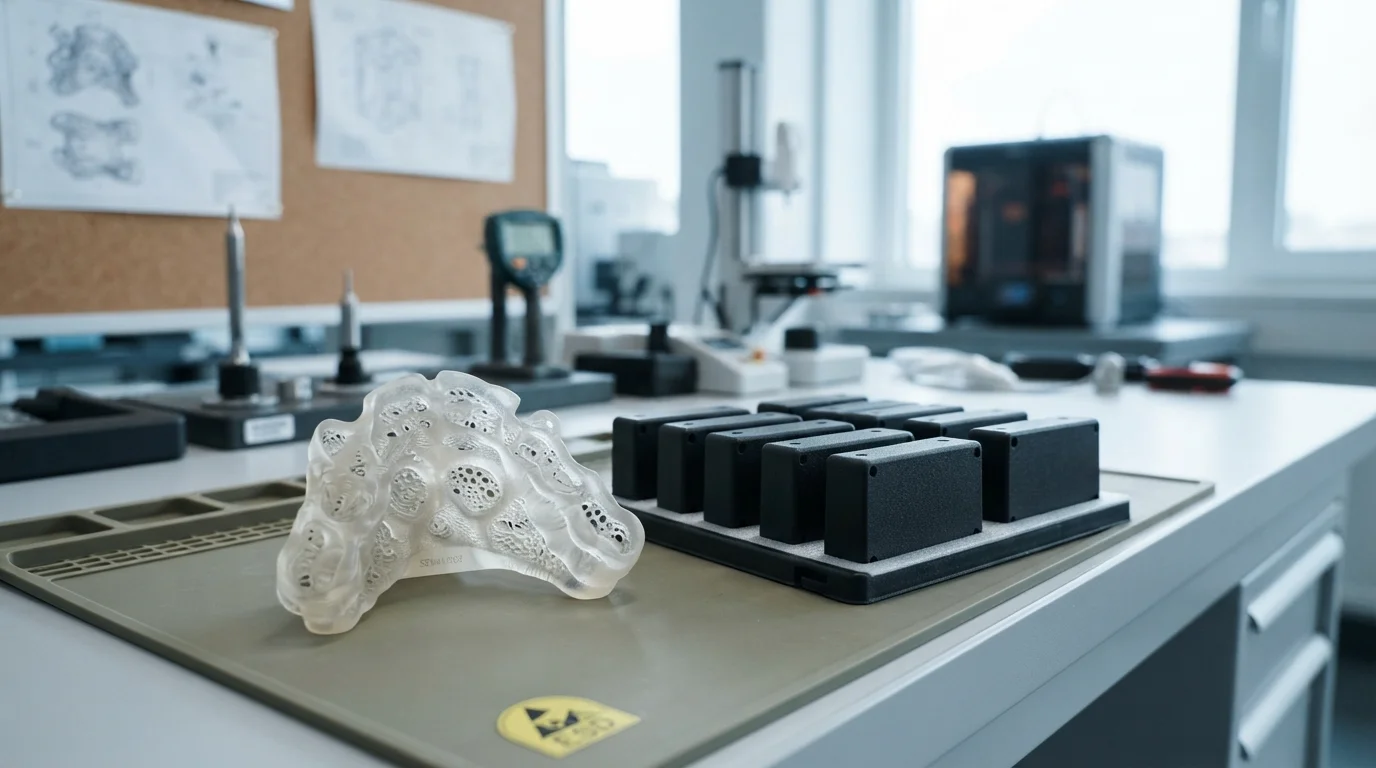
Table of Contents
1. Defining “Low Volume” in Modern Manufacturing (100 to 5,000 Units)
2. Where 3D Printing Still Reigns: Ultra-Customized Single-Off Devices
3. Where Rapid Tooling Dominates: Batch Production and Snap-Fits
Defining “Low Volume” in Modern Manufacturing (100 to 5,000 Units)
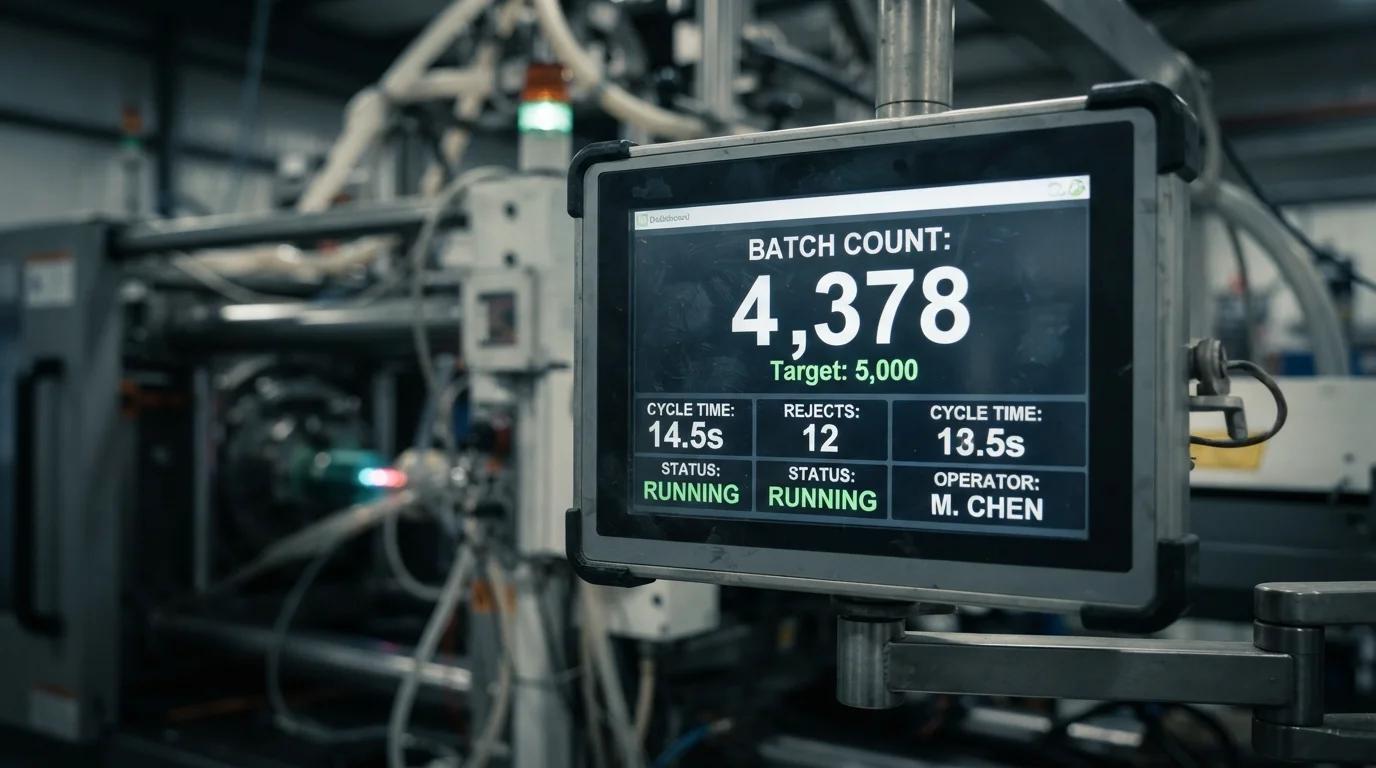
Question: Why is the definition of low-volume production crucial when selecting between additive labs and soft metal molding? Quantities ranging from one hundred to five thousand units represent a unique economic zone where neither pure one-off prototyping nor full-scale mass production tooling is financially optimal.
In this crucial bridge zone, project managers must weigh the linear labor burden of running hundreds of prints against the one-time NRE investment of cutting an aluminum bridge mold. Utilizing an agile Injection Molding Service bridges this gap, transforming slow layer-by-layer fabrication into automated press cycles. Sourcing bridge components through a specialized Rapid Tooling Service guarantees predictable unit economics.
Contrasting scaling behaviors across the 100-to-5,000 unit spectrum involves monitoring specific production parameters:
| Production Attribute | Pure 3D Printing Scale (100-5000) | Rapid Bridge Tooling Scale (100-5000) |
|---|---|---|
| Labor Intensity | Extremely high (Manual support cleanup) | Low (Automated press ejection) |
| Total Batch Lead Time | Scales linearly with part count | Fast cycle rates once mold is cut |
| Mechanical Uniformity | Prone to layer variance across builds | Identical isotropic resin performance |
Where 3D Printing Still Reigns: Ultra-Customized Single-Off Devices
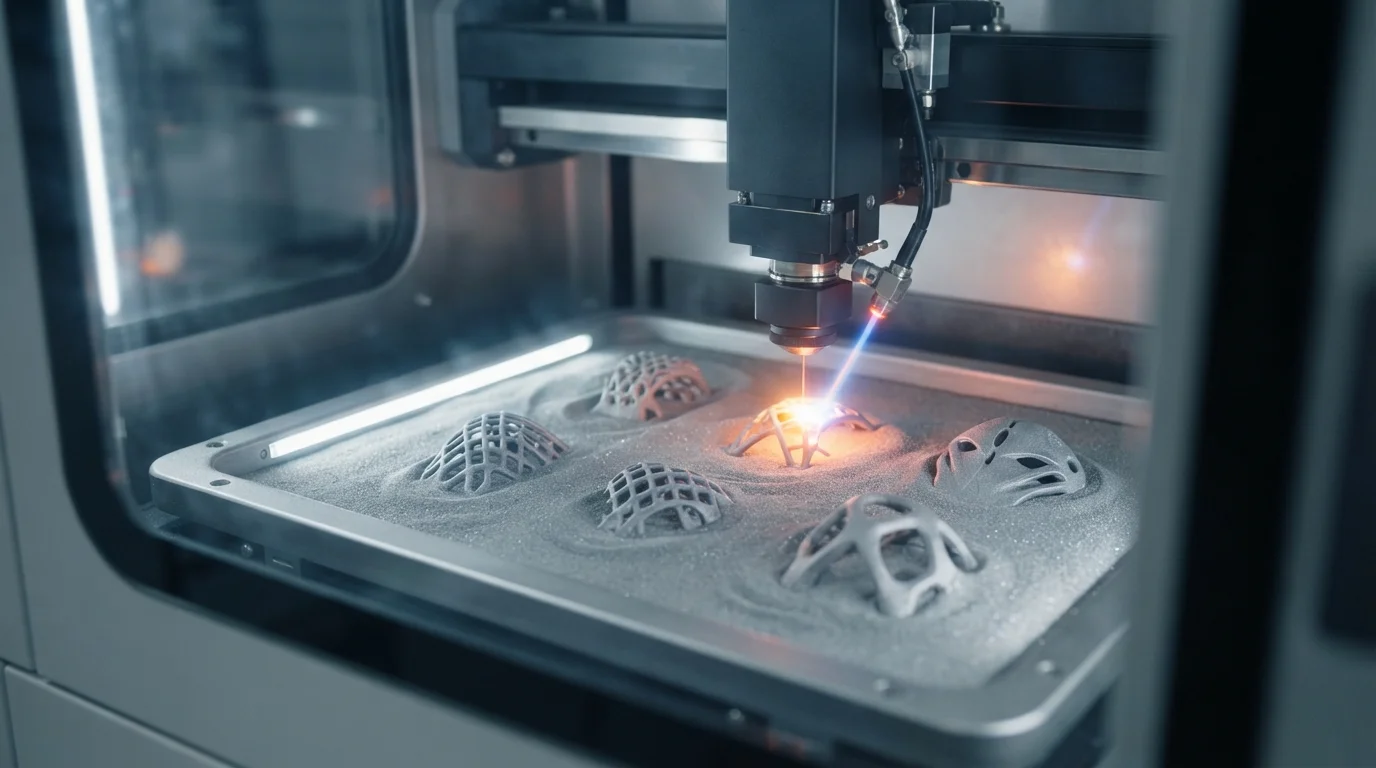
Question: In what specific manufacturing scenarios does 3D printing remain completely irreplaceable by metal mold tooling? Ultra-personalized medical implants, patient-specific surgical guides, and bespoke architectural elements require zero tooling because every single unit features distinct geometry.
Whenever digital CAD geometry changes entirely with every manufactured item—such as in custom cranial plates or dental aligner molds—cutting a physical metal tool is structurally impossible. Additive manufacturing thrives in these pure digital-to-part workflows. However, for standardized commercial products requiring hundreds of identical housings, 3D printing loses its economic advantage.
Identifying the ideal deployment domains for additive platforms involves tracking key project rules:
- Infinite geometric variation—Utilizing printers when every single manufactured unit must feature unique custom contours
- Instant digital inventory—Storing spare parts as CAD files and printing them on demand without warehouse overhead
- Complex internal channels—Fabricating topology-optimized lattice structures impossible to eject from a metal mold
Where Rapid Tooling Dominates: Batch Production and Snap-Fits
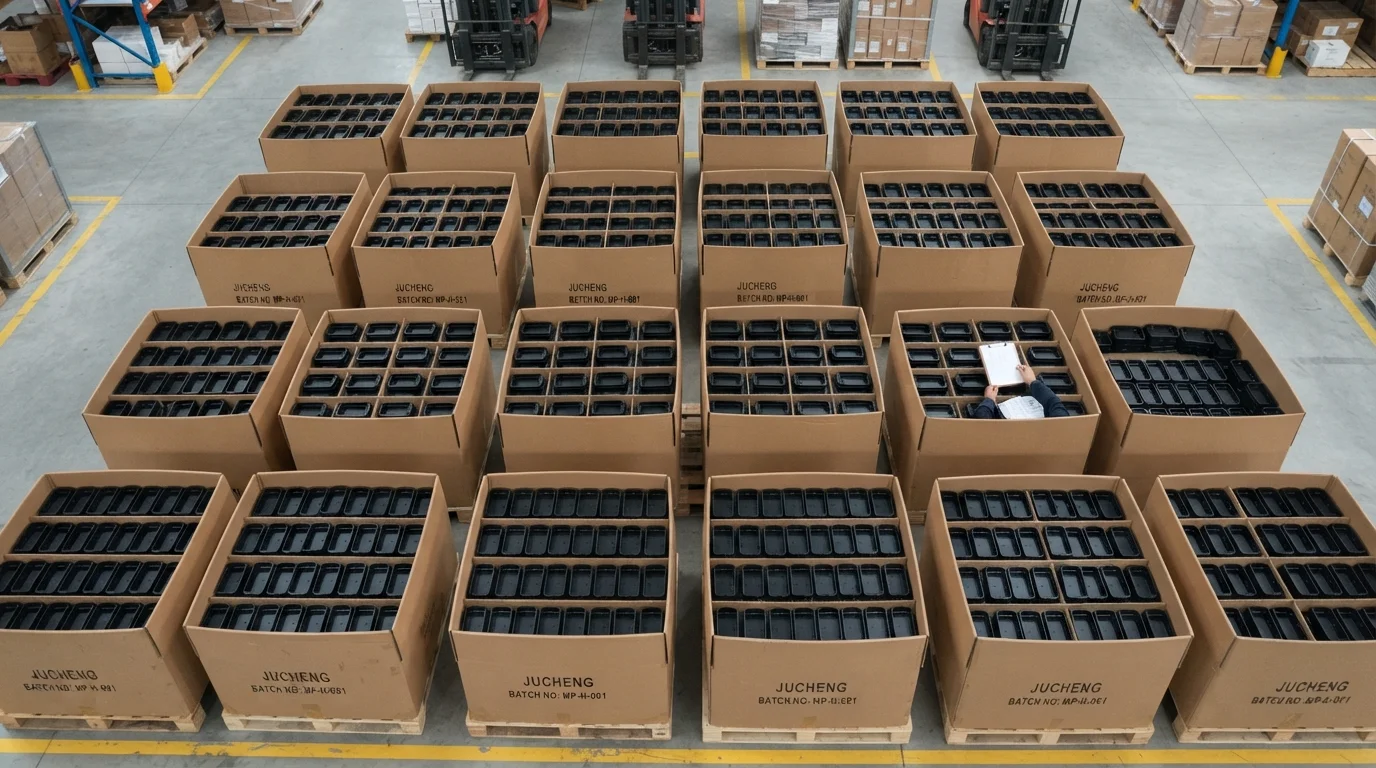
Jucheng Precision supports hardware developers by delivering comprehensive 24-hour free DFM reviews that evaluate batch volume targets, geometric complexity, and material specifications prior to manufacturing. Operating with 150+ advanced CNC machines alongside 35+ specialized injection molding workstations, our ISO 9001 certified facilities ensure seamless execution across low-volume bridge campaigns.
Key operational advantages of our flexible manufacturing framework include:
- Expert volume guidance—Determining whether your batch size favors additive printing or bridge molding
- High-speed soft tooling—Cutting durable aluminum and steel inserts within days to support pilot rollouts
- Zero minimum order constraints—No MOQ policies allow exact inventory alignment with customized pilot production runs
Ready to scale your low-volume production? Let Jucheng’s manufacturing experts optimize your batch manufacturing strategy today.
Frequently Asked Questions (FAQ)
Can rapid tooling completely replace 3D printing for low-volume production?
Rapid tooling cannot completely replace 3D printing because additive manufacturing remains essential for ultra-customized single-off devices, patient-specific medical guides, and topology-optimized geometries that cannot be ejected from metal molds.
Where does 3D printing dominate over rapid injection molding in low volume?
3D printing dominates when every manufactured unit requires unique customization, such as dental aligners or medical implants, making physical metal mold tooling structurally impossible.
How does Jucheng Precision help manage low-volume manufacturing runs?
Jucheng Precision provides 24-hour free DFM reviews, expert volume analysis, and flexible rapid tooling to optimize production pathways for batches ranging from 100 to 5,000 units.

