


Scaling down physical dimensions introduces a completely different tier of engineering hurdles where standard fabrication assumptions no longer apply. When product developers attempt to build fractional-millimeter enclosures, miniature medical connectors, or tiny internal gears, traditional prototyping methods often hit a hard wall. Evaluating prototyping small plastic parts 3D printing or molding requires understanding how layer resolution limits and micro-shrinkage affect functional reliability.
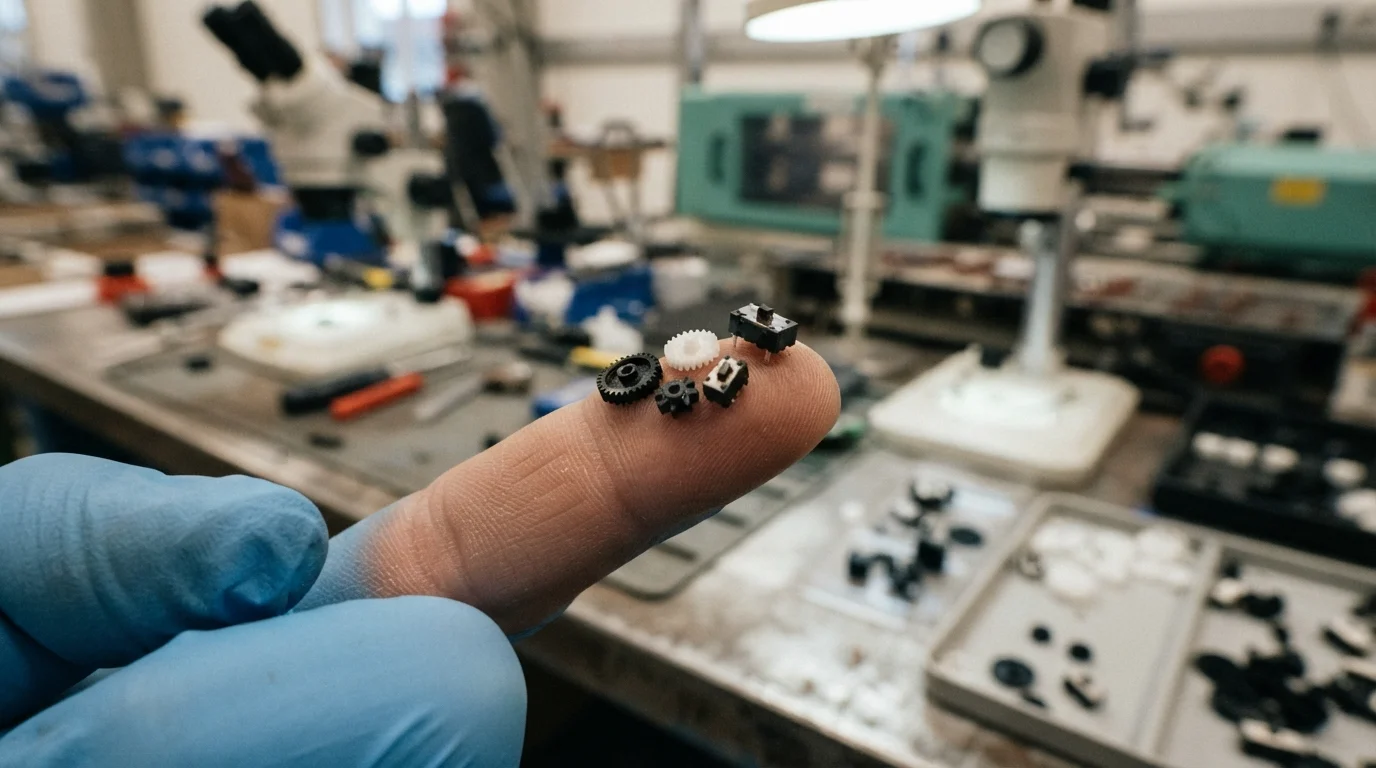
Table of Contents
1. The Micro-Precision Challenge: Tolerances for Miniature Components
2. Why 3D Printers Struggle with Tiny Snaps and Thin Walls
3. Achieving Micrometer-Level Precision with Rapid Tooling and CNC
The Micro-Precision Challenge: Tolerances for Miniature Components
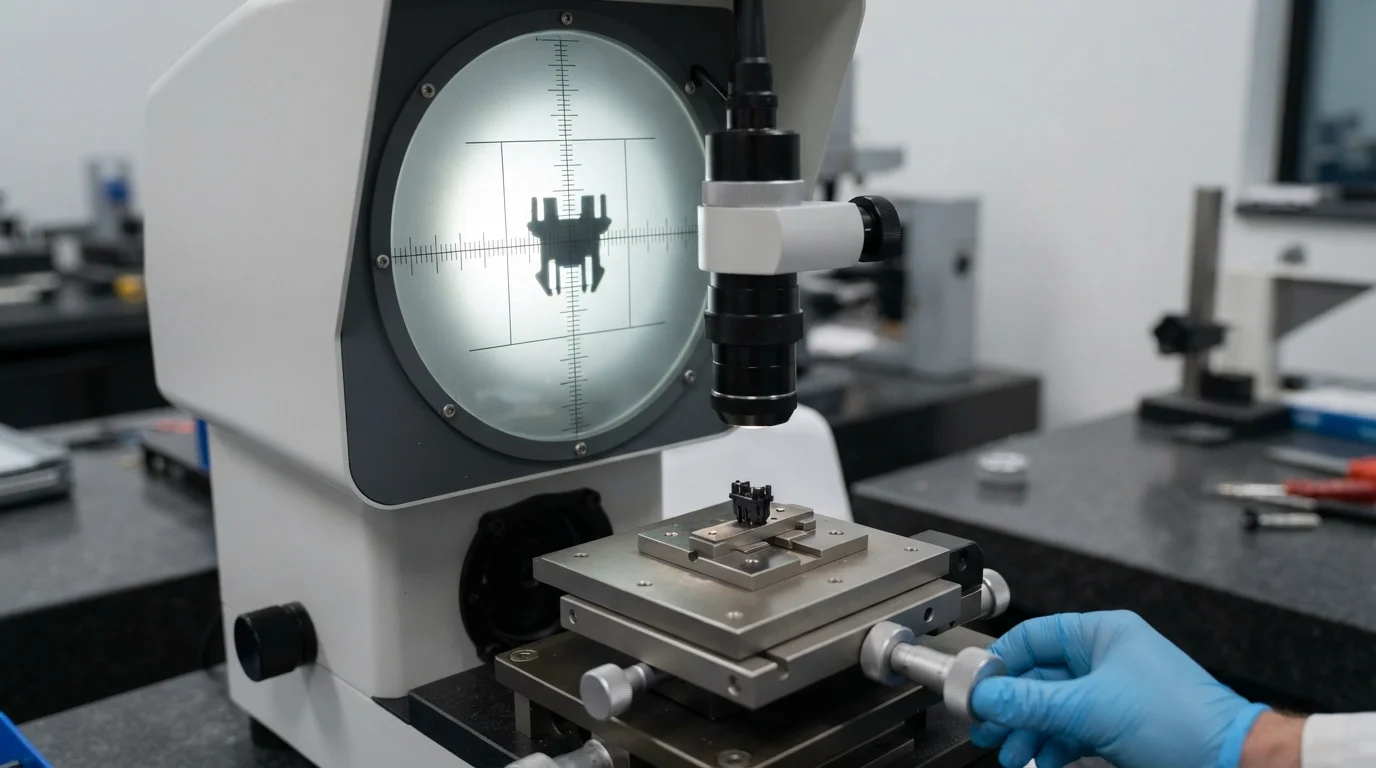
Question: What dimensional variance boundaries characterize miniature plastic prototyping compared to larger industrial enclosures? Micro-components require strict sub-millimeter tolerances where a deviation of just 0.02 millimeters can prevent proper mechanical engagement.
Designing miniature electronics, hearing aid shells, or tiny optical sensor holders involves managing fractional wall thicknesses and micro-slots. At this microscopic scale, standard commercial tolerances are completely inadequate, demanding high-precision machining and stable material contraction control. Sourcing a specialized Prototype Service or high-accuracy CNC Machining Service ensures miniature metal inserts and direct-machined test blocks reproduce exact CAD geometry.
Contrasting miniature fabrication capabilities involves monitoring specific micro-precision attributes:
| Micro-Feature Attribute | High-Resolution 3D Printing | Rapid Tooling and CNC Machining |
|---|---|---|
| Smallest Achievable Wall | 0.30 mm to 0.50 mm (Prone to warping) | 0.15 mm to 0.25 mm (Rigid and stable) |
| Micro-Snap Resilience | Brittle due to layered curing lines | High spring-back using engineering resins |
| Dimensional Repeatability | Variable across build platform | High consistency across thousands of cycles |
Why 3D Printers Struggle with Tiny Snaps and Thin Walls
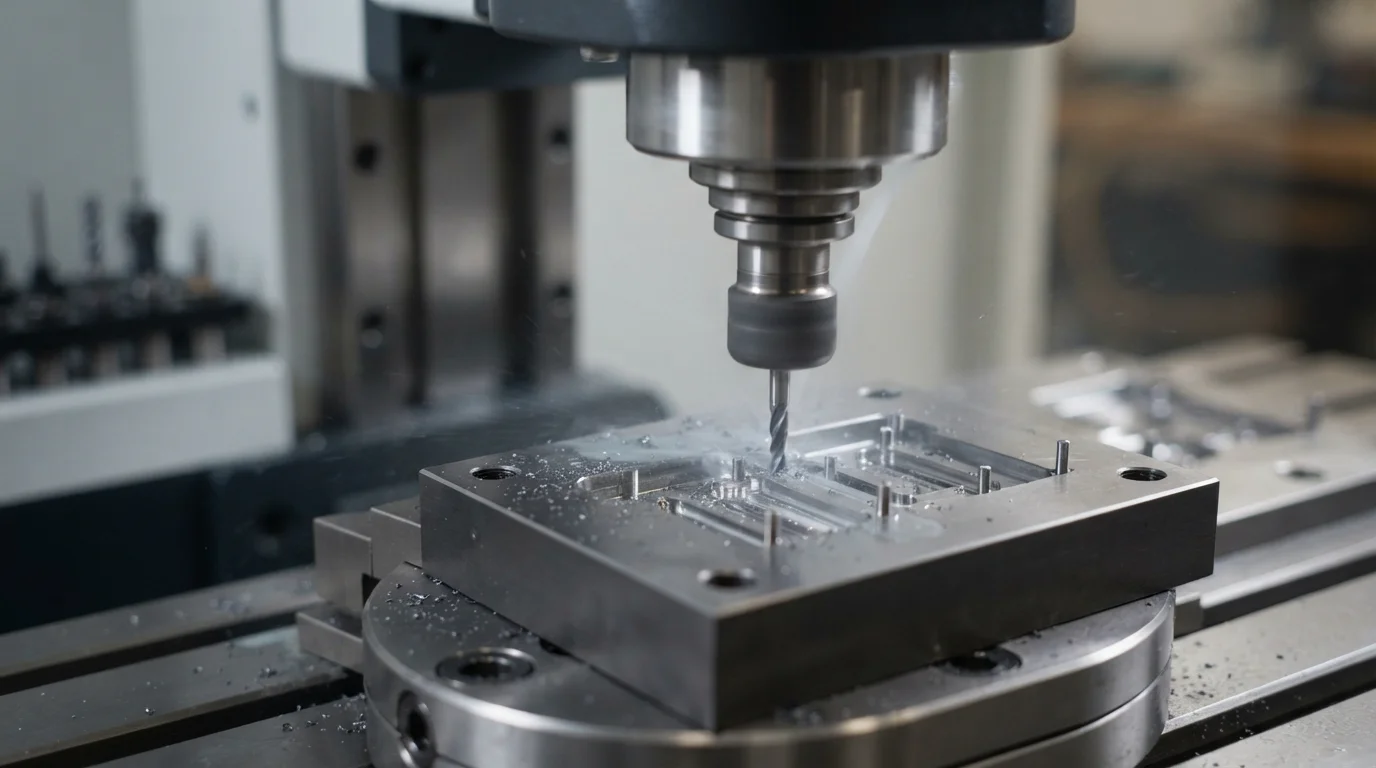
Question: Why do laser or light-cured 3D printers often fail when building microscopic snap-fit latches and thin walls? Laser spot diameters and photopolymer liquid surface tension blur fine feature edges, causing microscopic snap features to fuse shut or snap off.
Miniature snap fits rely on precise cantilever deflection and elastic memory. Printed photopolymers lack the necessary elongation-at-break, snapping instantly when deflected. Shifting production to a dedicated Rapid Tooling Service allows engineers to mold tiny components out of tough engineering polymers like POM (Acetal) or Polycarbonate (PC) that withstand repeated micro-deflection.
Optimizing miniature component design and ensuring structural resilience involves monitoring key engineering rules:
- Preventing laser bleed—Accounting for light scattering during printing to avoid oversized micro-holes
- Selecting wear-resistant resins—Molding miniature gears from low-friction plastics like acetal to minimize operational wear
- Maintaining uniform draft—Ensuring microscopic vertical walls feature adequate draft for clean mold release
Achieving Micrometer-Level Precision with Rapid Tooling and CNC
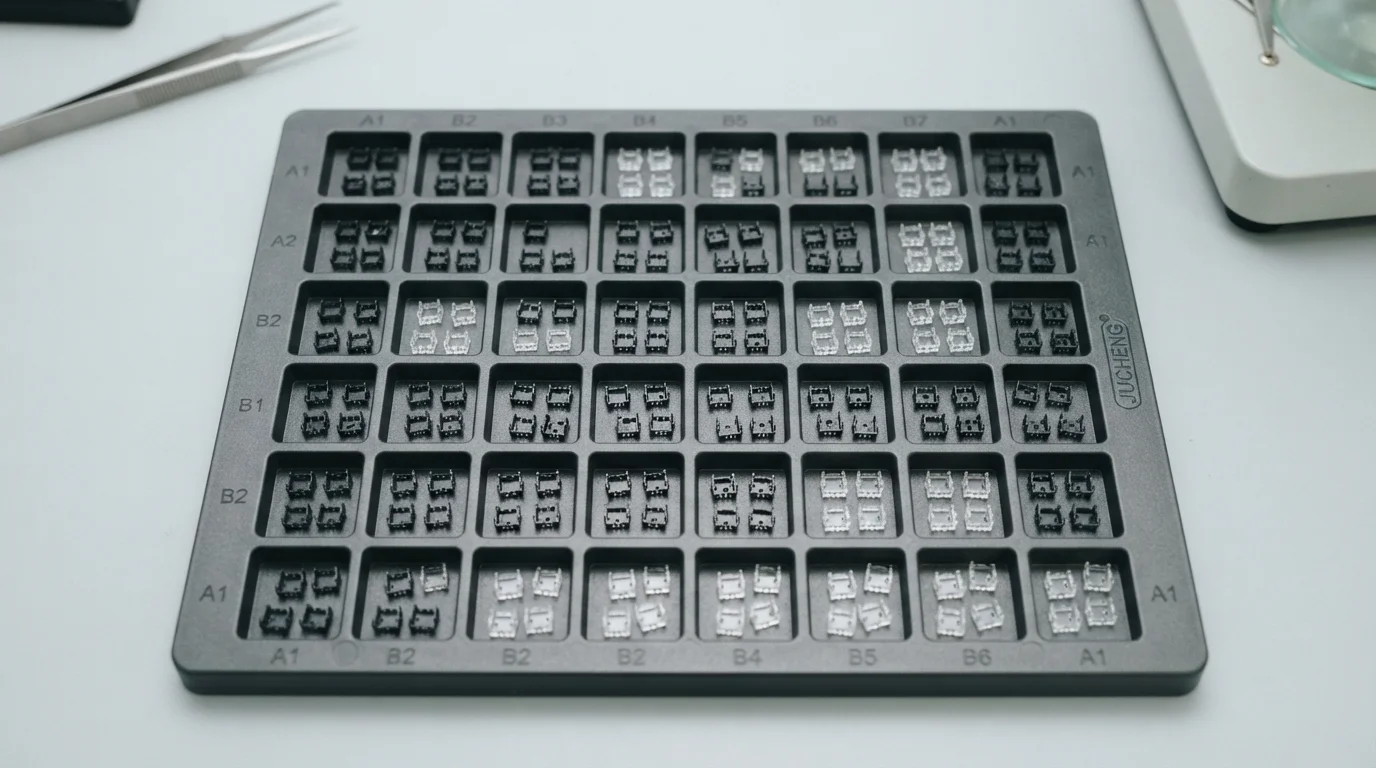
Jucheng Precision supports hardware developers by delivering comprehensive 24-hour free DFM reviews that analyze micro-feature wall thicknesses, draft angles, and gating positions prior to tool cutting. Operating with 150+ advanced CNC machines—including 25 high-precision 5-axis systems—alongside 35+ specialized injection molding workstations, our ISO 9001 certified facilities ensure exceptional micro-precision standards.
Key operational advantages of our precision micro-manufacturing framework include:
- High-speed micro-milling—Carving fractional millimeter cavity details with absolute dimensional fidelity
- Rigid engineering polymers—Injecting robust thermoplastics that outperform brittle 3D printed resins
- Zero minimum order constraints—No MOQ policies allow exact inventory alignment with customized pilot production runs
Ready to prototype miniature components? Let Jucheng’s micro-molding experts bring your precision designs to life.
Frequently Asked Questions (FAQ)
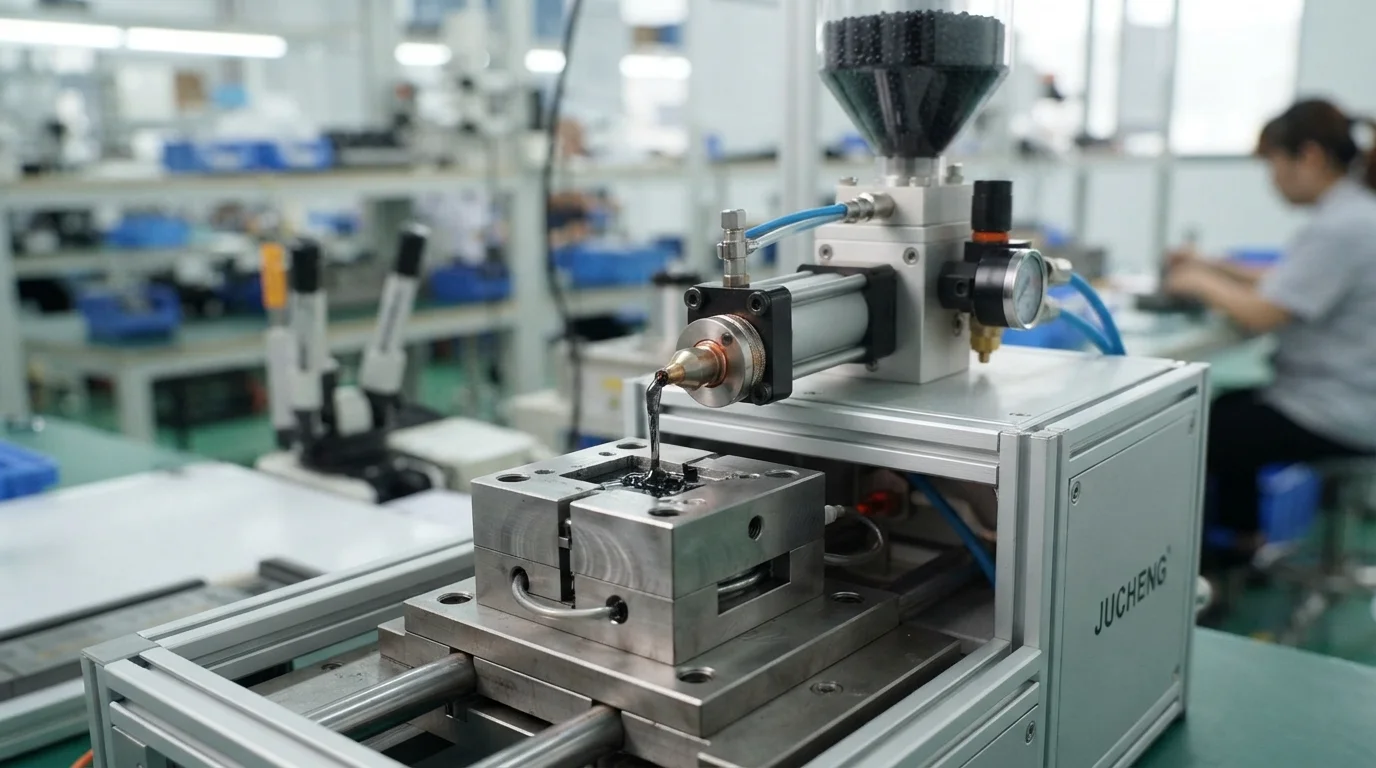
Why do 3D printers struggle when prototyping miniature plastic parts?
Laser spot limits, light scattering, and liquid surface tension blur fine feature edges, causing tiny snap-fits and thin walls on 3D printed parts to fuse shut or break easily.
How does rapid tooling achieve micrometer-level precision for small components?
Rapid aluminum and steel molds carved via high-precision 5-axis CNC machines allow stable, high-pressure injection molding of robust engineering thermoplastics into delicate micro-features.
How does Jucheng Precision support miniature component prototyping?
Jucheng Precision provides 24-hour free DFM reviews, high-speed micro-milling, and precision injection molding to deliver accurate, high-strength small plastic parts.

