


Delivering sample parts to validation engineers on schedule represents the primary challenge facing hardware startups trying to meet fixed commercial launch dates. Traditional hard steel tooling requires months of precision machining and heat treatment, creating an immediate bottleneck for fast-moving product development pipelines. Sourcing short-run soft molds allows mechatronics groups to bypass long toolroom queues, receiving functional plastic components within weeks. Accelerating initial sample delivery protects your market launch window and prevents expensive delays.
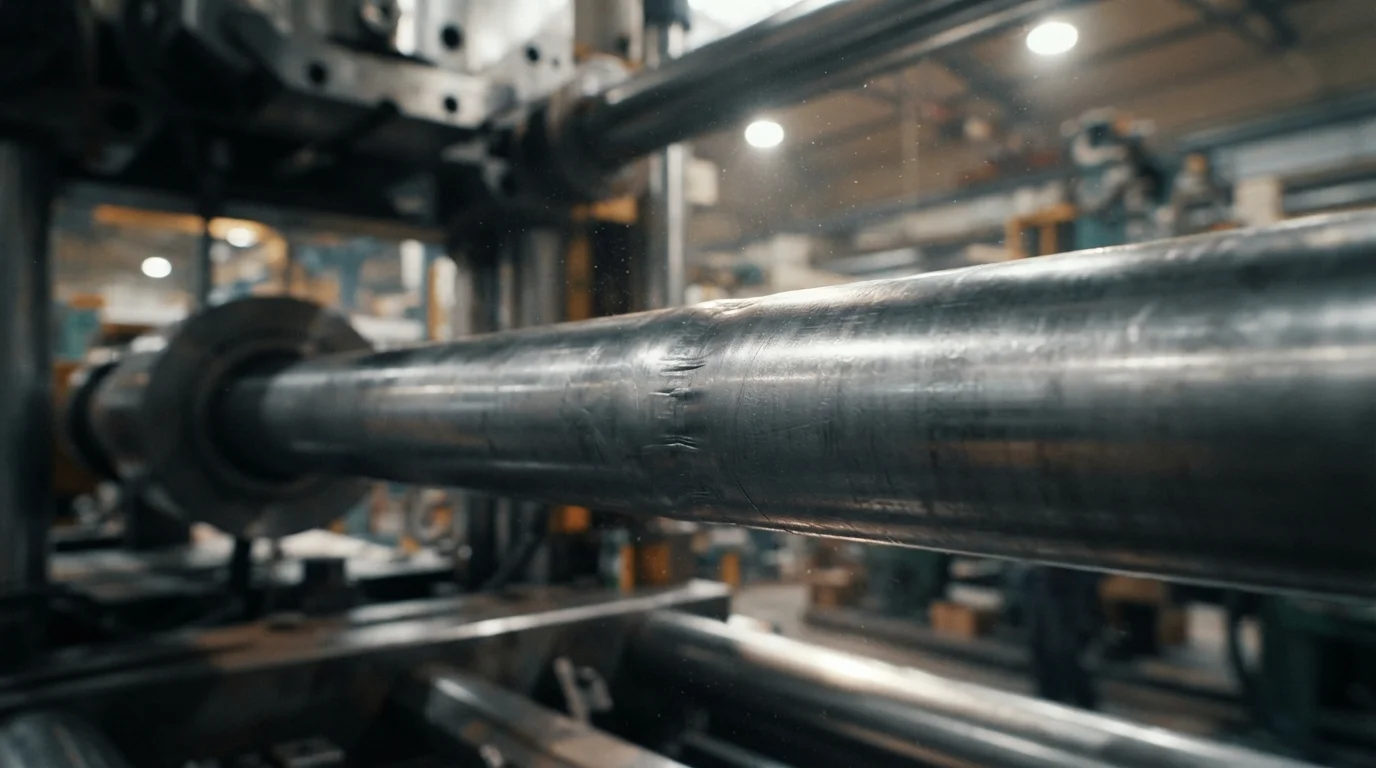
Manufacturing specialists coordinate with design engineers to evaluate parting lines, gate positions, draft angles, and wall uniformity using advanced mold flow simulation software. Selecting appropriate temporary manufacturing methods balances raw material properties with fast turnaround times during early-stage testing. Sourcing your components from an experienced partner ensures design changes are propagated across all stages safely.
Let’s examine why production steel tools take months to fabricate and explore how aluminum core inserts deliver T1 samples in weeks.
Table of Contents
1. Why Hard Tooling Takes Eight to Twelve Weeks
2. How Rapid Tooling Delivers T1 Samples in Two to Four Weeks
Why Hard Tooling Takes Eight to Twelve Weeks
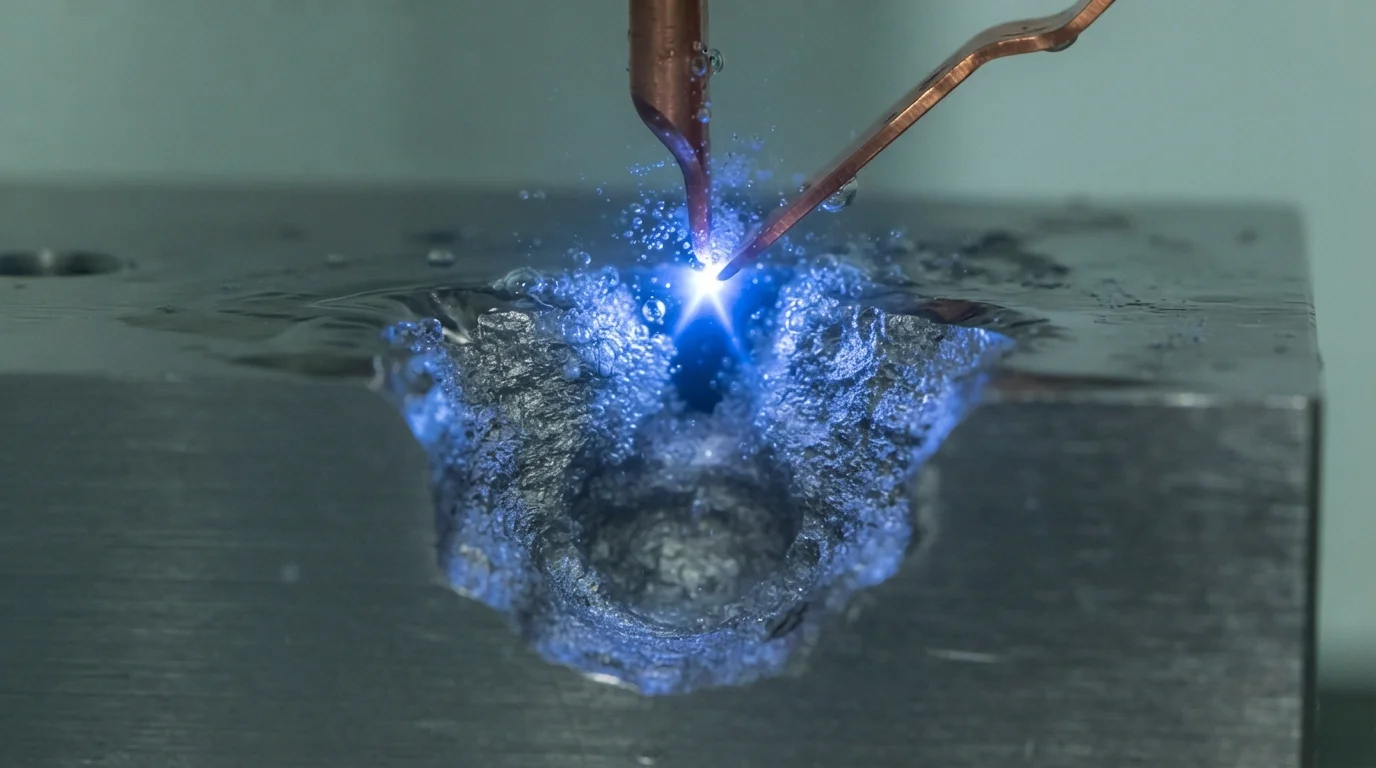
Question: Why do production steel molds require 8 to 12 weeks to build? Hardened steel tools require pre-machining, multi-pass EDM spark erosion, vacuum heat-treatment cycles, and complex multi-cavity hand fitting.
Analyzing lead time rapid tooling vs production tooling pipelines shows that tool steel processing physics drives the primary difference in delivery speed. Production molds engineered for high-volume series output rely on hardened H13 or S7 steel cores that must be heat-treated to over 50 HRC. Heat treatment requires sending machined blocks to specialized vacuum furnaces, adding weeks of thermal stress relief and tempering turnarounds. Sourcing hard steel tools makes sense for million-shot runs, but creates unnecessary delays during early design validation.
Evaluating hard tooling fabrication steps reveals several mandatory operations that extend delivery schedules:
- Vacuum heat treatment cycles—Hardening H13 steel blocks requires multi-day thermal baking and controlled cooling runs
- Slow EDM spark erosion—Carving deep internal rib slots into hardened steel requires custom copper electrodes and slow erosion passes
- Complex multi-cavity hand fitting—Matching four or eight cavity plates manually demands extensive toolroom bench assembly hours
How Rapid Tooling Delivers T1 Samples in Two to Four Weeks
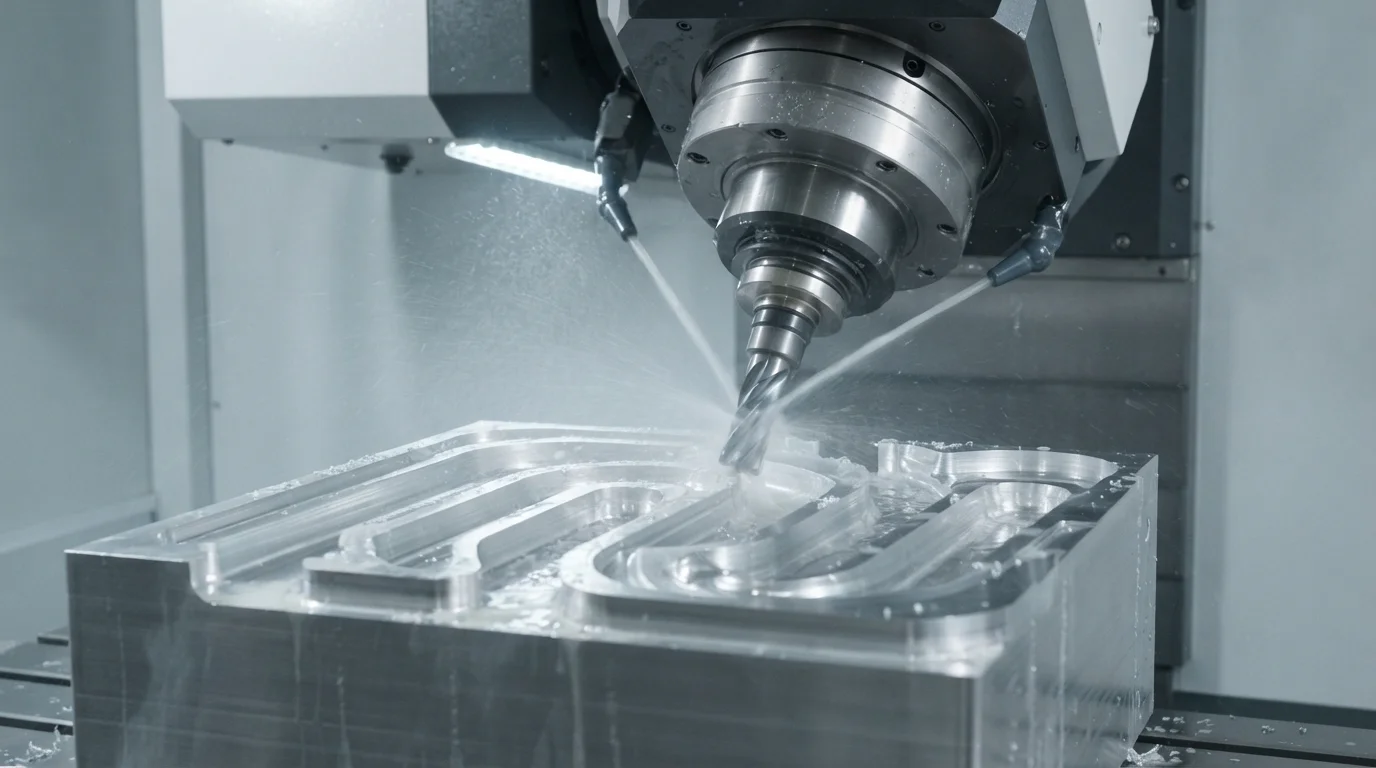
Question: How does rapid tooling achieve T1 sample delivery in just 2 to 4 weeks? Aluminum and soft P20 steel plates arrive pre-tempered, allowing high-speed CNC mills to cut finished cavities directly without heat treatment.
Evaluating rapid tooling vs production tooling options proves that soft metal molds bypass slow heat-treating and EDM steps completely. Sourcing a dedicated Rapid Tooling Service using AL7075 Aluminum or pre-hardened P20 Tool Steel enables machinists to mill finished cavities directly on multi-axis spindles. High-speed CNC Machining Service centers clear soft metals up to five times faster than hard steel, delivering completed core plates in days. Reusing standard modular unit die (MUD) mold frames further reduces lead times by eliminating custom mold base fabrication.
Selecting the correct mold material balances initial delivery speed with long-term tool longevity. This technical comparison table highlights baseline lead times and machining workflows across different mold types:
| Tooling Category | Core Material | Thermal Processing | Standard T1 Sample Lead Time |
|---|---|---|---|
| Rapid Tooling | AL7075-T6 Aluminum | None (Pre-tempered T6) | 10 to 15 business days (2 to 3 weeks) |
| Bridge Tooling | P20 Pre-hardened Steel | None (Pre-tempered 30 HRC) | 15 to 20 business days (3 to 4 weeks) |
| Production Tooling | H13 Hardened Steel | Required (Vacuum hardening & tempering) | 40 to 60 business days (8 to 12 weeks) |
Market Competitiveness and Speed to Market Impact

Question: How does faster sample delivery improve market competitiveness? Shipping functional samples months earlier allows startups to secure investor funding, complete regulatory testing, and capture market share ahead of rivals.
Understanding how lead time rapid tooling vs production tooling differences impact product launches helps hardware executives protect market share. Delivering functional plastic components months ahead of competitors enables marketing teams to launch presale campaigns and secure retail distribution channels early. Sourcing functional Prototype Service parts or short-run aluminum molds allows engineering groups to conduct real-world field trials using genuine production-grade resins like ABS, Nylon (PA), or Polycarbonate (PC). Early market feedback allows design teams to refine CAD geometries before locking down permanent production tools.
Jucheng Precision operates a fully-integrated factory setup containing multi-axis machining centers and thirty-five precision Injection Molding Service presses. Factory engineers deliver comprehensive 24-hour free DFM reviews to optimize gate locations, parting lines, and draft profiles before cutting metal. Key operational benefits of partnering with an integrated single-roof moldmaker include:
- 24-hour free DFM reviews—Factory engineers evaluate parting lines, gate sizes, and cooling waterlines before cutting core metal
- In-house toolroom machining—Cutting soft metal cores directly on high-speed mills cuts lead times down to 10 business days
- Certified quality management systems—ISO 13485 and IATF 16949 compliant facilities guarantee full material traceability and part repeatabilities
Frequently Asked Questions (FAQ)
What is the average lead time for a rapid aluminum injection mold?
Analyzing lead time rapid tooling vs production tooling metrics proves that soft aluminum molds deliver T1 samples in 2 to 3 weeks compared to 8 to 12 weeks for production steel tools. Bypassing slow vacuum heat-treatment cycles and complex multi-cavity EDM steps accounts for the dramatic delivery acceleration.
Why does high-speed CNC milling cut mold lead times so dramatically?
High-speed CNC milling spindles running at 15,000 to 24,000 RPM cut AL7075 aluminum up to five times faster than pre-hardened steel. Soft metal machinability allows toolmakers to carve complex 3D core cavities in days rather than weeks.
How do MUD mold bases accelerate short-run injection molding timelines?
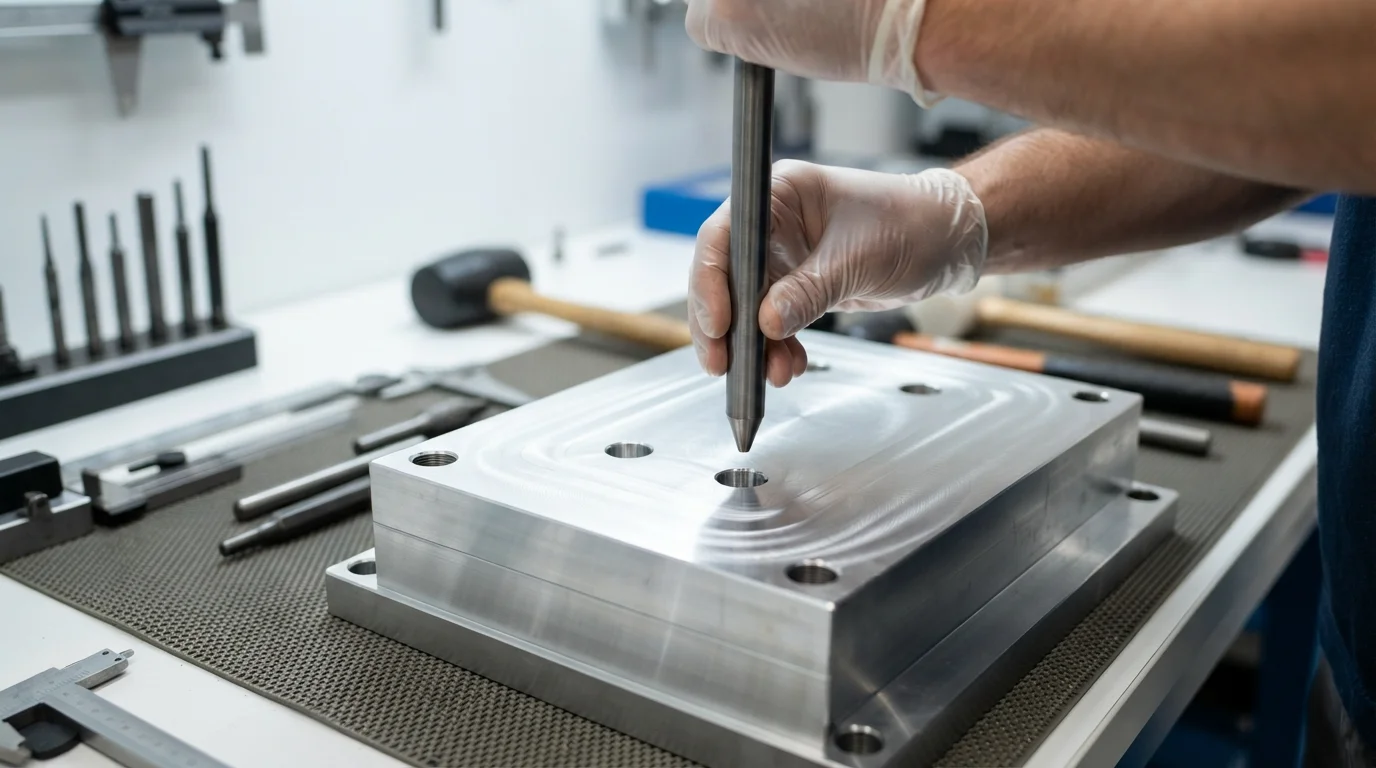
Reusing a standardized Master Unit Die (MUD) mold frame saves up to 10 days of toolroom fabrication time. Toolmakers only need to machine the inner companion core inserts, allowing short-run molding trials to start immediately.

