


Electromagnetic Shielding Coatings for Rapid Molded Plastic Enclosures
Modern electronic architecture demands complete protection against environmental signal noise and internal cross-talk. When product development teams finalize functional hardware designs, applying an electromagnetic shielding coating becomes mandatory to ensure regulatory compliance. Without specialized conductive finishes, lightweight polymer casings allow stray radio frequencies to disrupt sensitive microchips.
Utilizing an experienced rapid tooling provider ensures that interior surfaces are properly prepared to receive conductive layers right after injection molding extraction. Let us explore the specialized paints and attenuation physics that make plastic shielding possible.
Module 1 – Definition and Working Principles of EMI/RFI Shielding
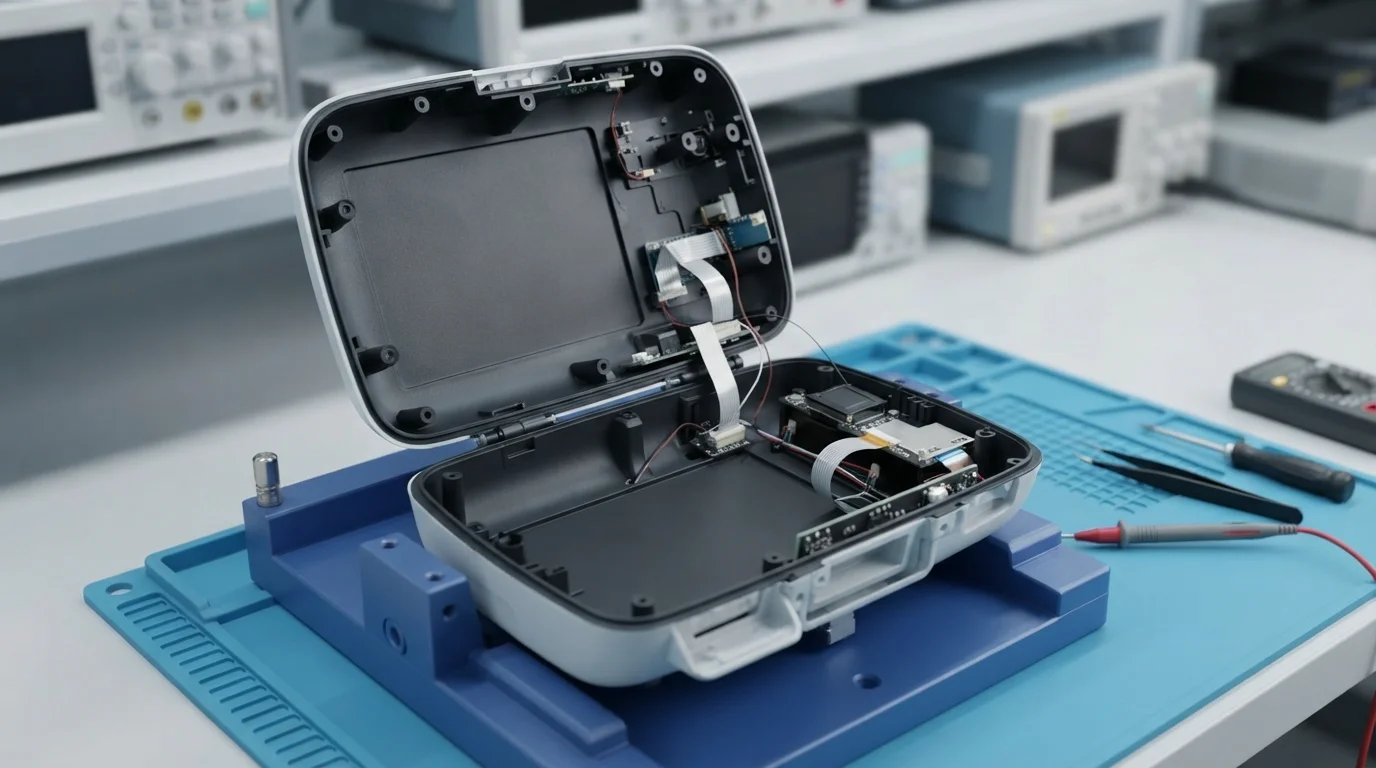
Electromagnetic and radio frequency interference (EMI/RFI) shielding involves coating the non-conductive interior walls of plastic boxes with metallic-infused paints. The working principle relies on reflecting or absorbing stray electromagnetic waves, trapping noise inside a Faraday cage effect. While primary structural shapes can be formed via CNC machining, secondary coating applications transform standard plastic shells into secure electronic shields.
To execute structured shielding application workflows, finishing technicians could follow these practical steps:
- Internal Degreasing: Clean molded polymer surfaces thoroughly to eliminate manufacturing oils that obstruct paint adhesion.
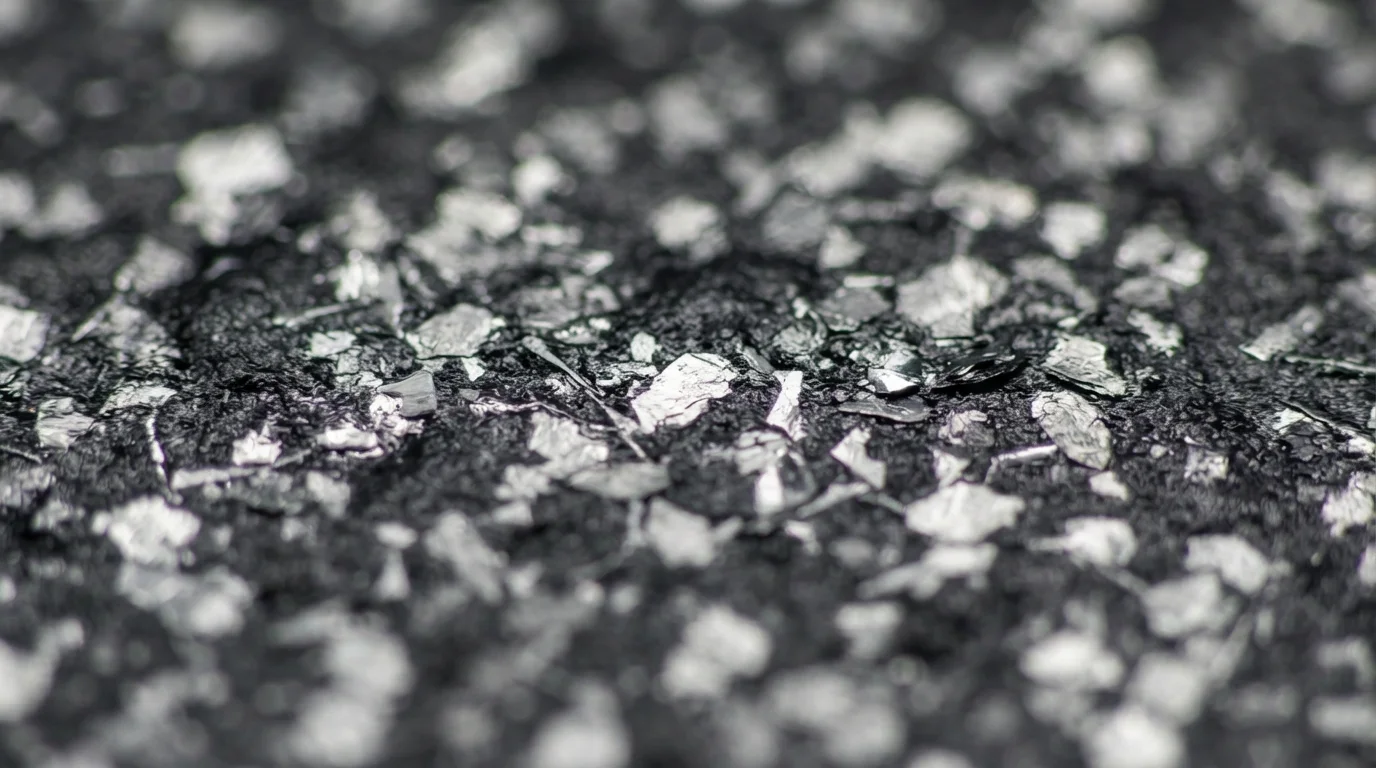
- Conductive Atomization: Spray specialized nickel-based or copper-based liquid coatings uniformly across interior cavity surfaces.
- Film Thickness Verification: Measure dry-film thickness using magnetic or eddy-current gauges to verify target decibel attenuation.
Module 2 – Core Application Scenarios
Conductive interior finishing is essential across high-frequency telecommunication nodes, medical monitoring devices, and aerospace instrumentation units where signal purity dictates operational safety. Feedback from professional prototyping groups on Reddit and Facebook indicates that internal nickel painting is the fastest route to FCC compliance.
Primary application sectors include:
- Medical Diagnostics: Shielding sensitive patient-monitoring hardware against local hospital radio wave interference.
- Telecommunication Gear: Protecting 5G router housings from cross-channel signal bleeding.
- Aerospace Systems: Enclosing navigation controllers in Faraday-protected plastic compartments.
Module 3 – Key Selection Factors for Project Success
When specifying conductive finishes for rapid molded items, engineering teams must weigh decibel attenuation performance against coating thickness and substrate compatibility. Evaluating these core parameters ensures your electronics pass EMC testing.
| Shielding Medium | Composition & Execution | Typical Attenuation Level |
|---|---|---|
| Nickel Conductive Paint | Acrylic resin loaded with nickel flakes | 40 dB to 60 dB across standard frequencies |
| Copper Conductive Paint | High-purity copper pigment suspension | 60 dB to 80 dB for high-noise environments |
| Conductive Gaskets | Elastomer cords loaded with silver particles | Seals perimeter gaps along parting lines |
Module 4 – Installation and Maintenance Tips

Proper handling during electronic integration and routine maintenance safeguard conductive interior films across active device lifecycles. Protecting coated surfaces from physical scraping ensures continuous electrical grounding paths.
Key installation and maintenance tips include:
- Grounding Continuity: Ensure internal metal chassis components maintain direct physical contact with the painted conductive layer.
- Scratch Avoidance: Prevent internal wiring harnesses or screws from scraping away the protective metallic paint film during assembly.
- Moisture Control: Keep sealed enclosures dry to prevent long-term oxidation of copper or nickel conductive pigments.
Module 5 – Frequently Asked Questions (FAQ)
1. Why do rapid molded plastic enclosures require electromagnetic shielding?
Plastics are naturally transparent to radio waves, meaning internal circuits can emit or absorb electromagnetic noise unless coated with a conductive metallic barrier.
2. What is the difference between nickel and copper conductive paints?
Nickel paint offers balanced corrosion resistance and standard attenuation, whereas copper paint provides higher conductivity and deeper decibel shielding for extreme noise environments.
3. Can shielding paint be applied selectively to specific interior areas?
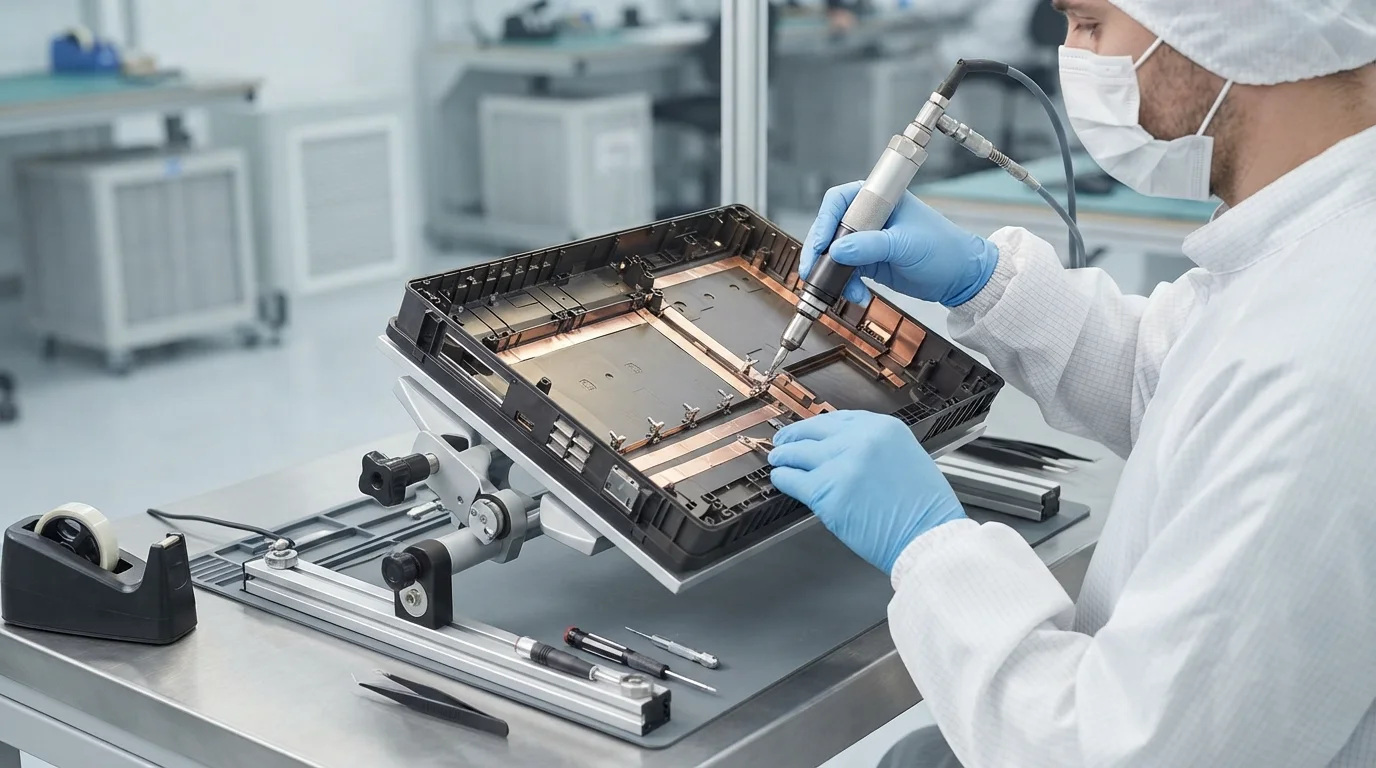
Yes, precision masking can be used to apply conductive coatings strictly to targeted interior chambers, leaving exterior cosmetic walls untouched.
4. How is shielding effectiveness measured on molded enclosures?
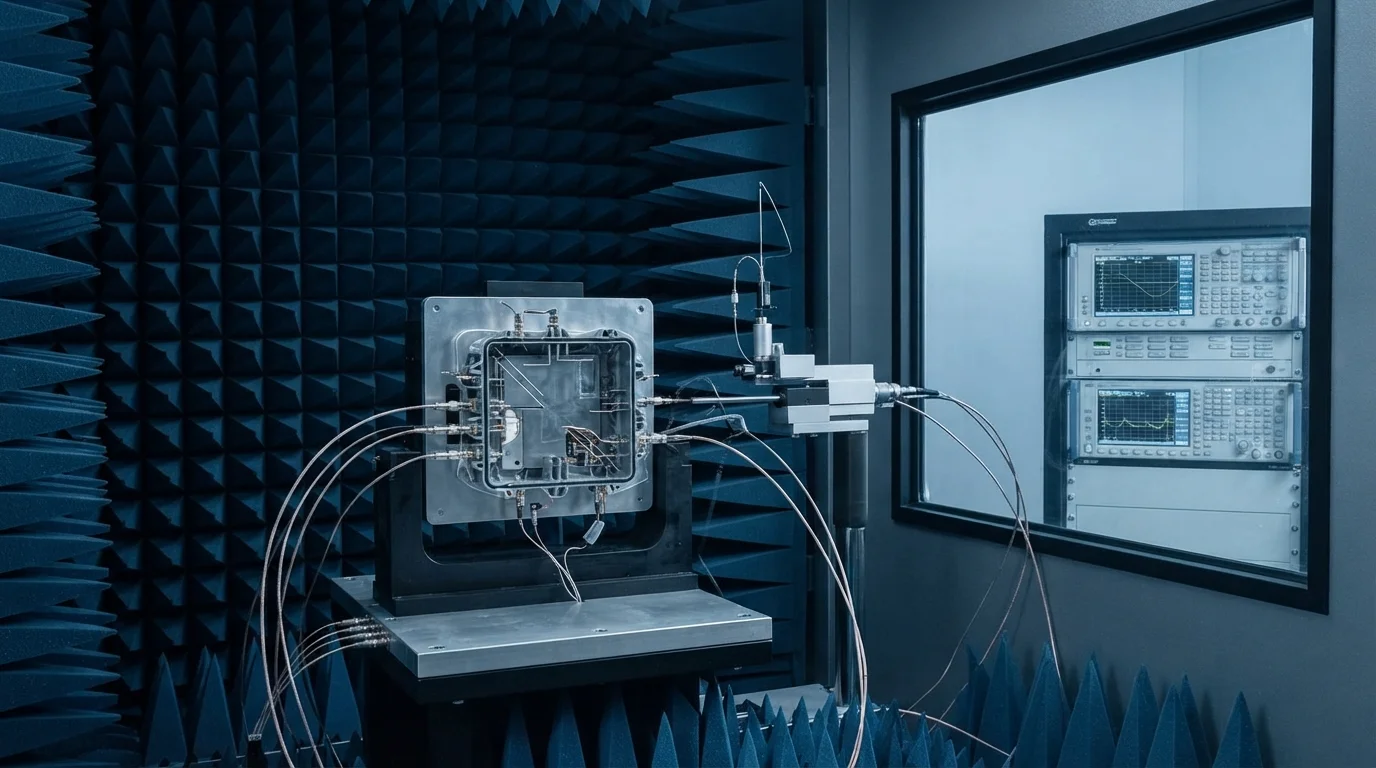
Effectiveness is measured in decibels (dB) of attenuation using specialized anechoic testing chambers and signal generators.
5. Do shielding coatings affect the structural dimensions of plastic parts?
Conductive paint layers are exceptionally thin (typically 25 to 50 microns), causing virtually zero impact on internal component fitment or assembly clearances.
6. How does Jucheng Precision support electronic enclosure shielding?
Jucheng Precision provides turnkey finishing services, including precision selective nickel and copper spray coating under strict ISO quality controls.
Module 6 – Why Choose JUCHENG for Your Project
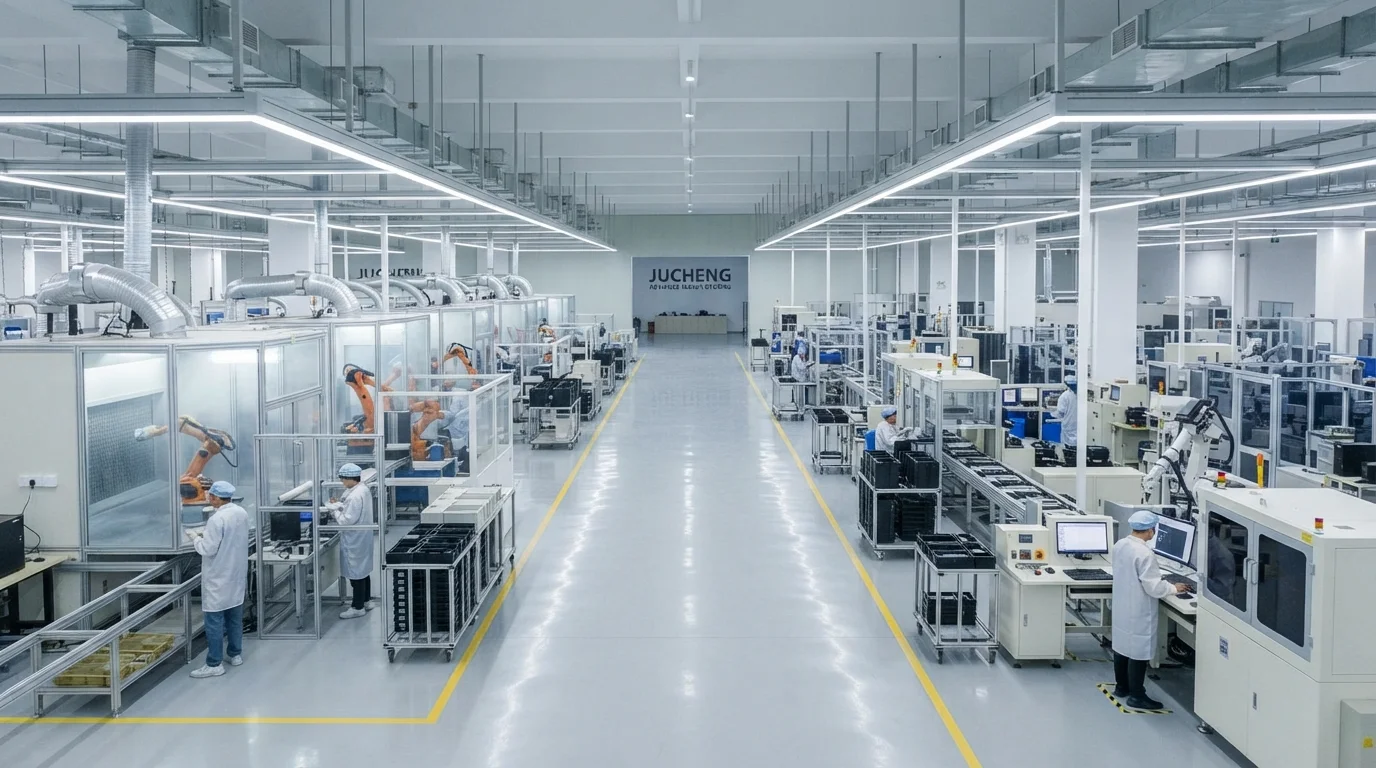
Achieving regulatory EMC compliance requires an experienced manufacturing partner. JUCHENG supports hardware innovators by delivering comprehensive 24-hour free DFM reviews that analyze wall thicknesses, internal masking zones, and gate locations prior to tool cutting. Founded in Shenzhen in 2012 with an 8,000-square-meter facility in Dongguan, our factory houses 150+ advanced machines, including 25+ high-performance 5-axis Haas and Mazak milling centers.
Backed by ISO 9001, ISO 14001, ISO 13485, and IATF 16949 certifications, our engineering teams ensure your electromagnetic shielding coating execution achieves optimal attenuation and durability.
Ready to Shield Your Rapid Molded Enclosures Against EMI Noise?
Upload your 3D models today to receive instant feedback, competitive pricing, and professional DFM analysis from our seasoned engineering experts. Let JUCHENG bring your complex designs to life with unmatched speed and reliability!

