


Deploying next-generation 5G base stations, cellular repeaters, and rugged network routers requires protective outer casings capable of withstanding severe outdoor weathering, intense solar radiation, and electromagnetic interference. Designing these infrastructure boxes using slow or superficial prototyping techniques exposes network hardware to premature moisture ingress and signal degradation. Implementing rapid tooling for telecommunications enclosures enables infrastructure hardware developers to produce large-format, weather-sealed polymer housings quickly without sacrificing long-term durability.
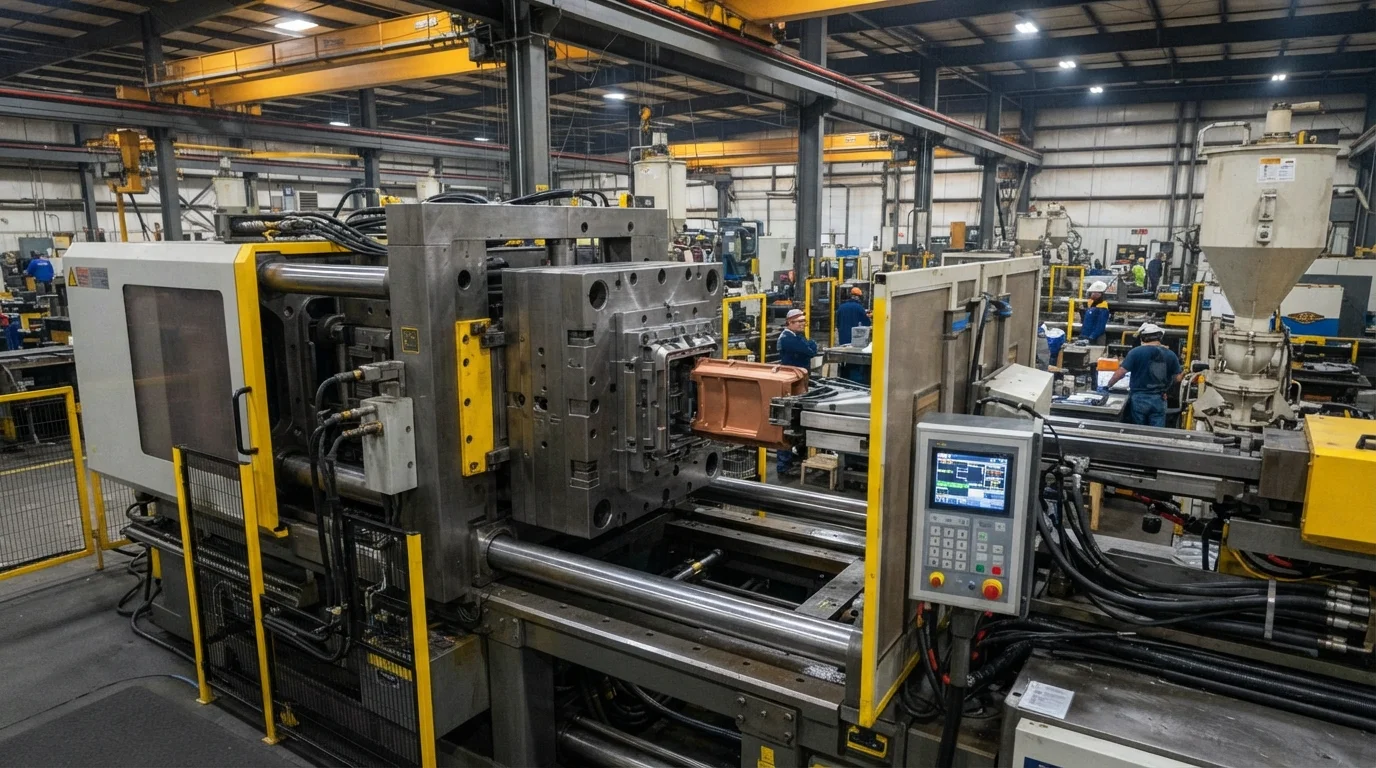
Constructing reliable telecommunications hardware demands specialized manufacturing capabilities that go beyond standard consumer product lines. Utilizing robust aluminum or pre-hardened steel mold inserts allows network equipment manufacturers to process weather-resistant engineering polymers under high-tonnage injection pressures. Let us examine how specialized rapid molding techniques solve outdoor sealing and electromagnetic shielding challenges for modern telecommunications networks.
Table of Contents
1. Weatherproofing and UV Resistance for Outdoor Telecom Boxes
2. EMI/RFI Shielding in Plastic Telecom Housings
3. Large-Format Injection Molding Capabilities for Network Gear
Weatherproofing and UV Resistance for Outdoor Telecom Boxes
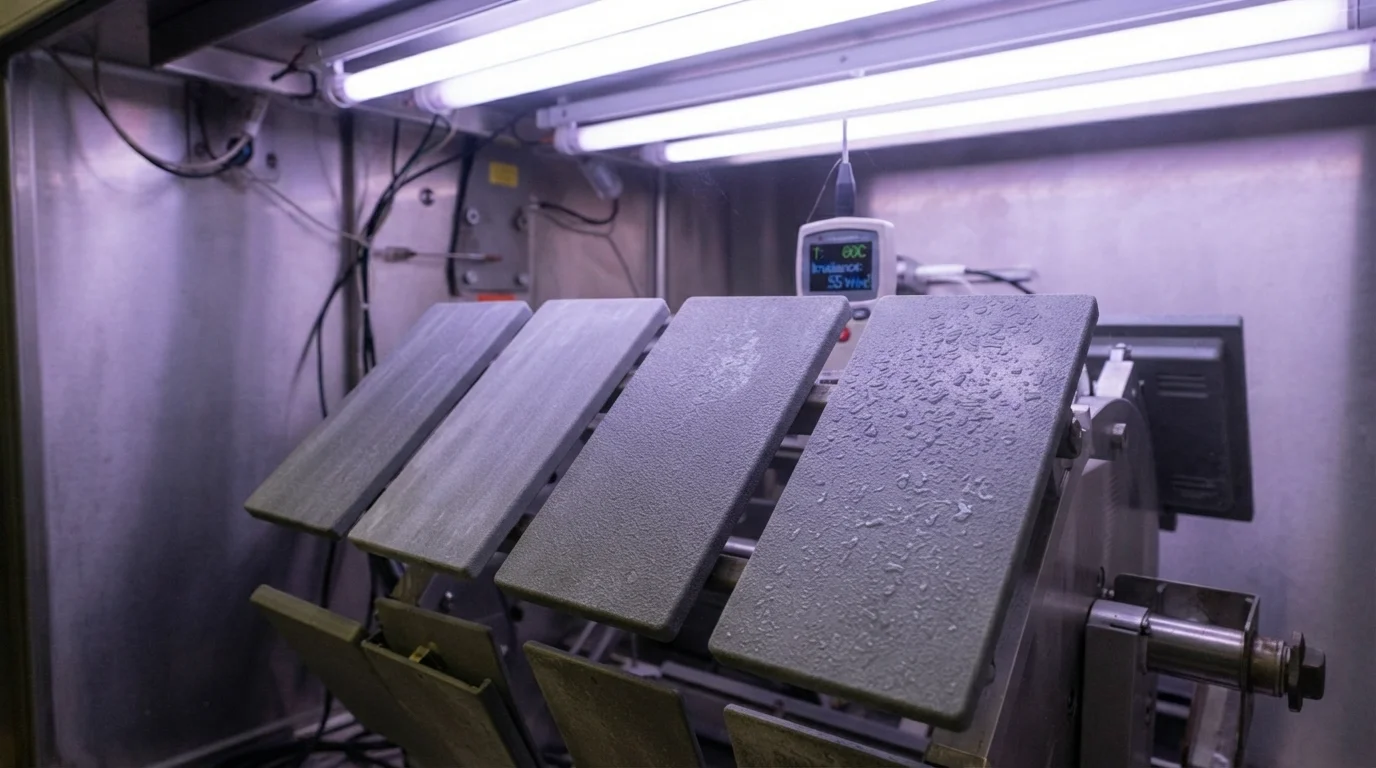
Question: Why do outdoor telecommunications enclosures require specialized polymers that resist solar ultraviolet degradation? Unprotected plastics exposed to years of direct sunlight become brittle, crack, and allow rainwater to breach internal electronic circuitry.
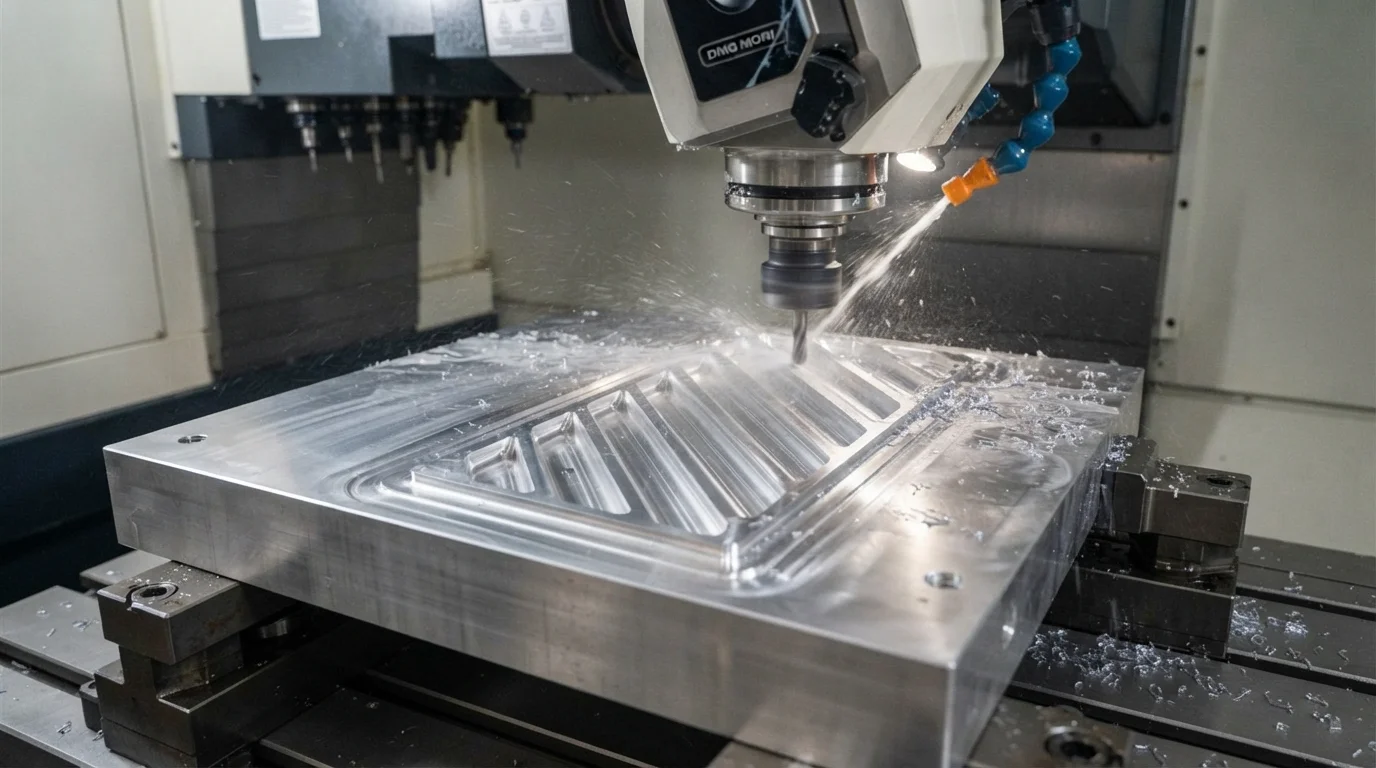
Cellular junction boxes and remote radio units are permanently mounted on exterior communication towers or utility poles, facing year-round temperature swings and severe storms. Utilizing a specialized Rapid Tooling Service enables network equipment builders to mold weather-stable thermoplastics like ASA or UV-stabilized Polycarbonate into weather-sealed junction boxes. Sourcing precise structural chassis components through an experienced CNC Machining Service ensures custom rubber gasket channels fit outer covers tightly.
Evaluating environmental survival metrics for outdoor communication hardware reveals critical operational requirements:
| Weatherproof Polymer | UV Stability | Moisture Seal Integrity | Outdoor Telecom Application |
|---|---|---|---|
| ASA (Acrylonitrile Styrene Acrylate) | Outstanding (Resists color fading) | High moisture barrier | Outdoor antenna radomes, junction boxes |
| UV-Stabilized Polycarbonate | High impact retention | Excellent gasket retention | Rugged base station controller shells |
| Weather-Resistant ABS | Moderate (Requires coating) | Good structural rigidity | Protected secondary distribution boxes |
EMI/RFI Shielding in Plastic Telecom Housings
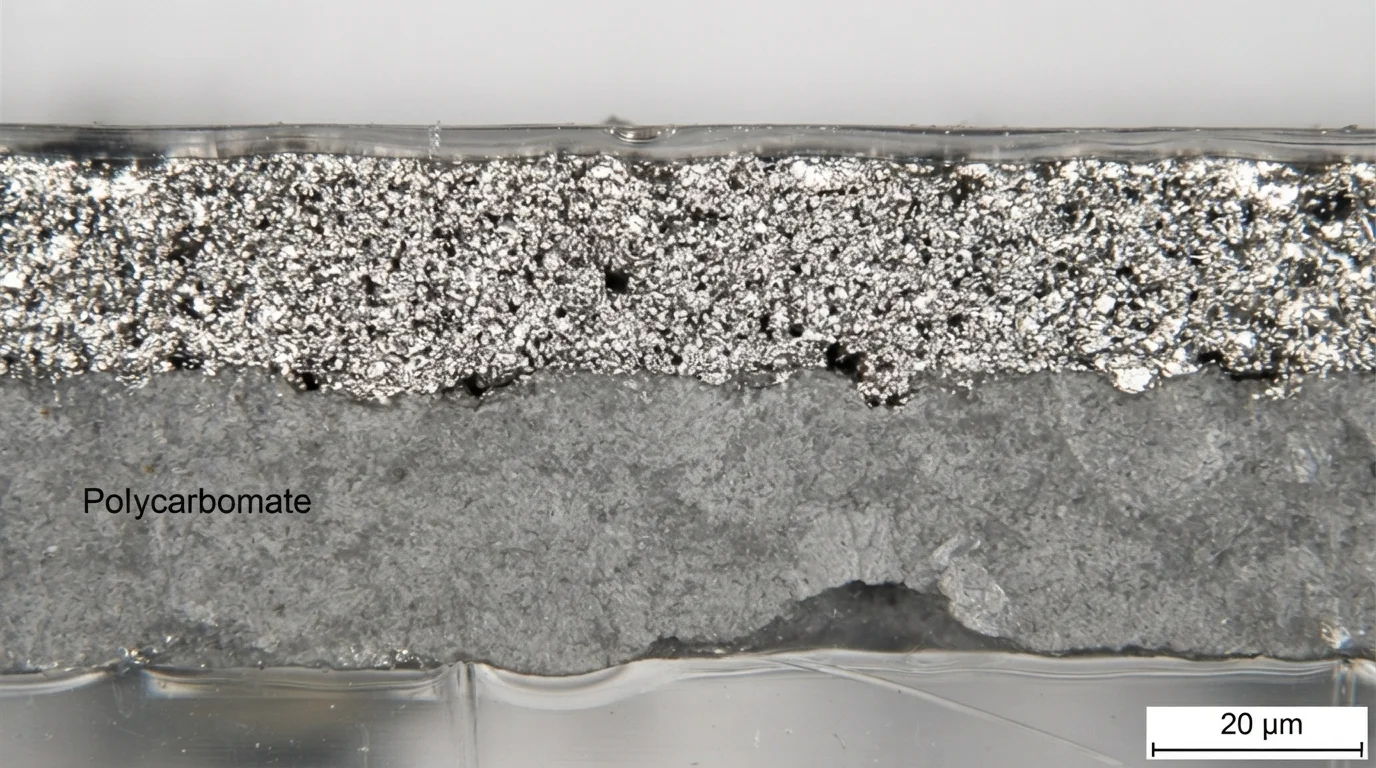
Question: How do injection-molded plastic telecom enclosures prevent electromagnetic and radio frequency interference? Secondary conductive coatings or stainless steel fiber additives transform non-conductive polymer walls into effective electromagnetic barriers.
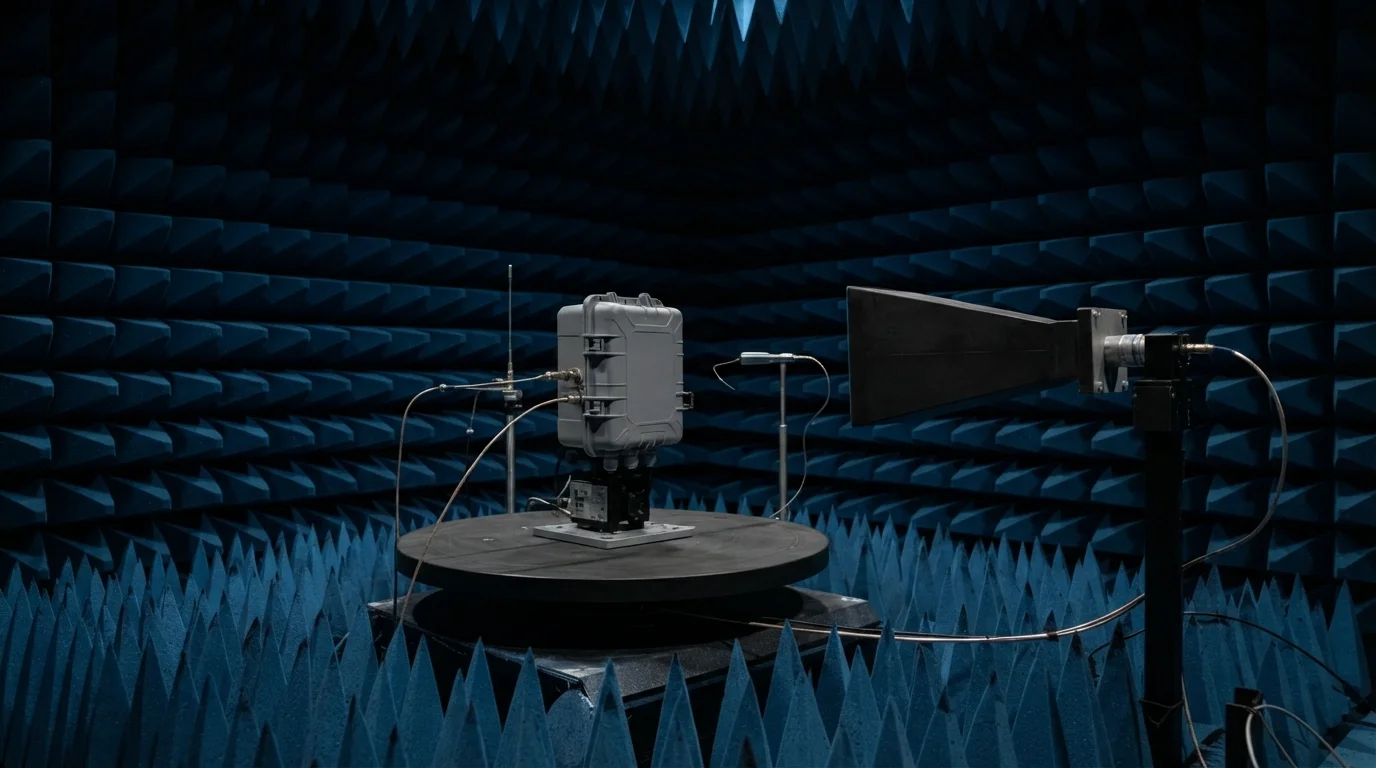
High-frequency 5G signal transmissions generate intense electromagnetic fields that can disrupt adjacent electronic circuits if enclosures lack proper shielding. Utilizing an agile Injection Molding Service allows engineers to mold complex internal rib patterns designed to receive conductive nickel-paint layers or copper foil gaskets. Securing reliable secondary finishing ensures signal integrity across dense urban network nodes without interference.
Establishing robust telecommunications infrastructure requires focusing on key electromagnetic performance targets:
- Electromagnetic attenuation—Conductive interior coatings block stray signal leakage between separate transmitter modules
- Grounding continuity—Molded mounting points accommodate metal contact clips to establish secure electrical ground paths
- Signal purity preservation—Shielded housings prevent external cellular interference from disrupting sensitive receiver cards
Large-Format Injection Molding Capabilities for Network Gear
Question: Why are large-format injection molding presses essential for producing bulky telecommunications hub covers? High-tonnage machinery supplies the massive clamping force needed to fill expansive mold cavities without surface warping.
Network infrastructure components often exceed standard machine dimensions, requiring high-tonnage production presses to inject massive polymer volumes evenly. Jucheng Precision supports telecommunications innovators by providing comprehensive engineering evaluations that optimize wall uniformity and gate positioning for large-format components. Operating with specialized heavy-duty press equipment, our facilities ensure expansive network enclosures achieve structural rigidity.
Partnering with a certified manufacturing provider guarantees your communication hardware is built for long-term outdoor survival. Key operational advantages of our large-format molding framework include:
- High-tonnage clamping power—Prevent flash and parting line separation during high-pressure polymer injection
- Optimized thermal cooling—Custom waterline layouts inside large rapid molds prevent sink marks across expansive surfaces
- Turnkey post-processing—In-house conductive coating, gasket insertion, and laser labeling streamline final assembly
Frequently Asked Questions (FAQ)
How do rapid-molded telecommunications enclosures protect internal circuits from bad weather?
By utilizing weather-resistant polymers like ASA and incorporating precision gasket channels into the mold design, rapid-molded housings achieve watertight seals against heavy rain and dust.
What methods are used to provide EMI shielding in plastic telecom boxes?
Manufacturers commonly apply conductive nickel paint coatings to the interior surfaces of molded plastic enclosures or compound stainless steel fibers directly into the raw resin.
Can large-format rapid tooling handle bulky 5G base station covers?
Yes, high-tonnage injection molding presses combined with large-format rapid aluminum or steel molds can successfully produce bulky base station covers with excellent structural integrity.

