


Product design iterations represent an inevitable reality during complex hardware engineering, requiring frequent geometric adjustments to fix assembly interference or optimize internal electronic clearances. Executing engineering change orders (ECOs) on physical mold tooling, however, introduces variable expenses and potential schedule delays depending on the core metal hardness. Soft-alloy rapid molds tolerate CAD modifications smoothly, whereas hardened steel production tools resist alteration, requiring slow spark-erosion or micro-welding procedures. Evaluating tooling adaptability during early development protects your financial runway and keeps your commercial launch on track.
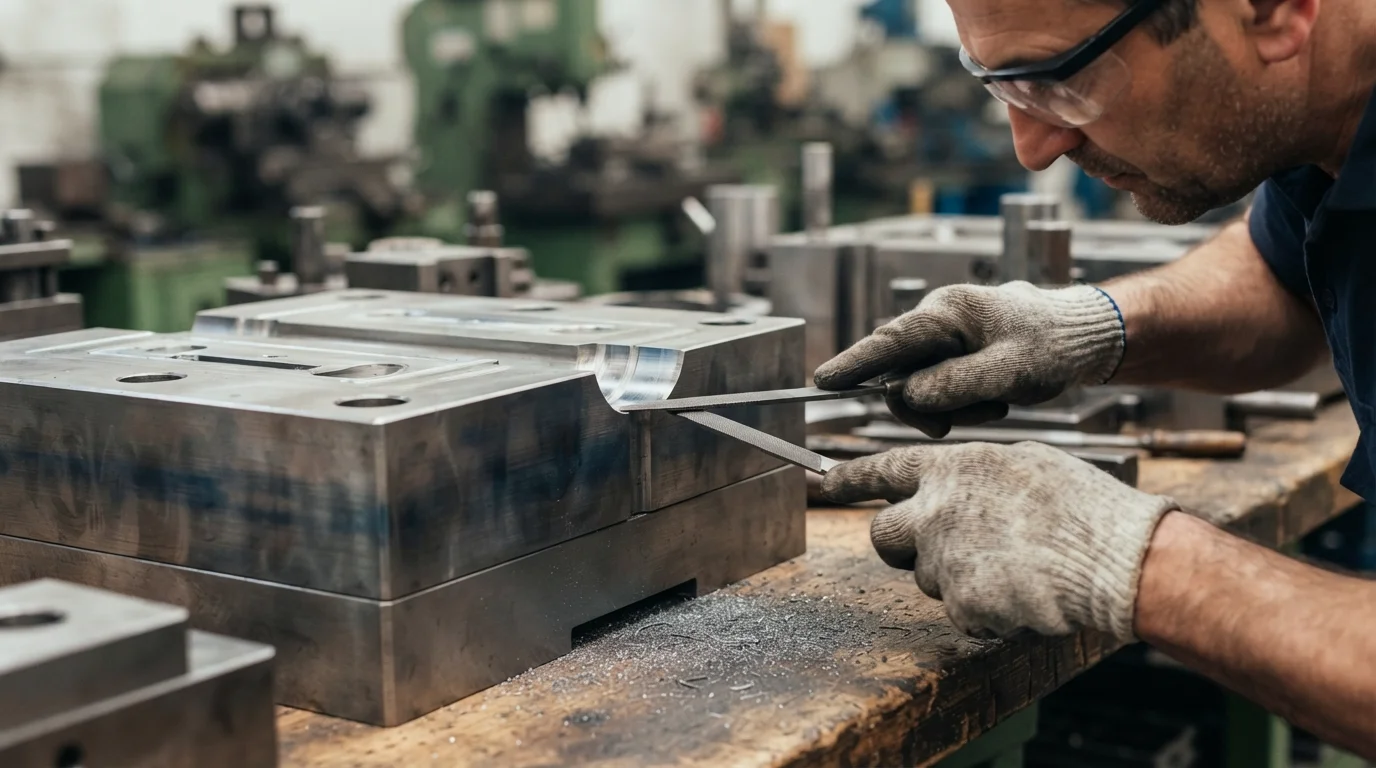
Selecting appropriate temporary manufacturing methods balances raw material properties with fast turnaround times during early-stage testing. Slicing complex three-dimensional CAD geometries precisely allows experienced toolmakers to analyze parting lines, draft angles, and wall thicknesses using advanced mold flow simulation software. Sourcing your components from an experienced partner ensures design changes are propagated across all stages safely. Let’s explore how mold material choices dictate ECO costs and examine how soft tooling provides agile design flexibilities.
Table of Contents
1. High Cost of Modifying Hardened Steel Production Molds
2. Agile CAD Re-Machining on Aluminum and Soft Steel Inserts
High Cost of Modifying Hardened Steel Production Molds
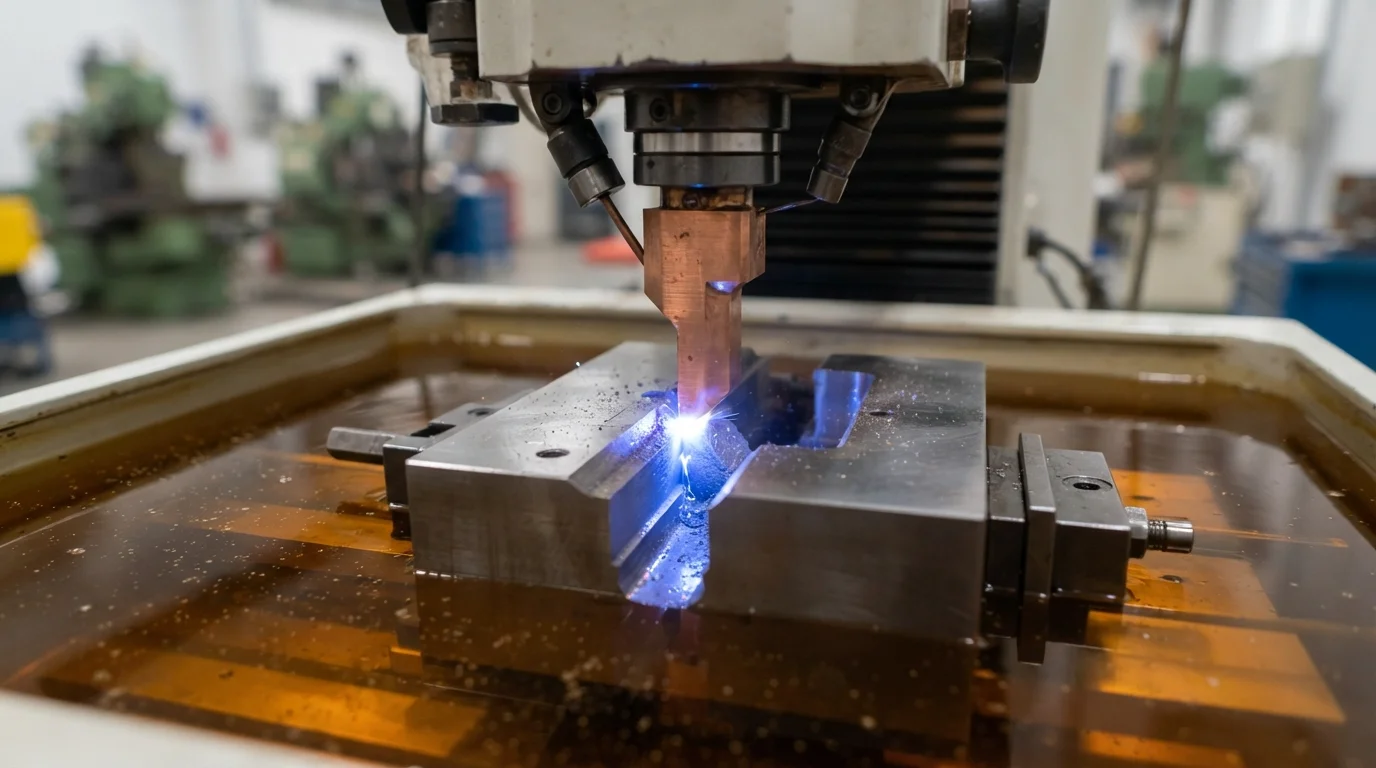
Question: Why are engineering changes so expensive on production steel molds? Hardened H13 steel cavities (52 HRC) resist conventional CNC milling, requiring slow EDM spark erosion or annealing heat treatments to alter geometry.
Hardened steel molds engineered for high-volume series production rely on H13 or S7 tool steel that has been vacuum-hardened to over 50 HRC. Cutting through hardened steel to add wall thickness or modify internal boss locations damages standard CNC milling cutters instantly. Toolmakers must resort to slow electrical discharge machining (EDM) using custom copper electrodes, adding weeks of toolroom labor and thousands of dollars per ECO. Sourcing a dedicated Rapid Tooling Service using soft metal inserts keeps early modification expenses minimal while product designs remain fluid.
Evaluating the financial risks of late CAD modifications requires checking common ECO rework costs:
- Metal-safe modifications (Adding plastic)—Milling additional steel out of a cavity core is straightforward but still requires CAM G-code reprogramming
- Non-metal-safe modifications (Subtracting plastic)—Adding metal back to a carved cavity demands micro-laser welding or replacing entire core inserts
- Multi-cavity coordination charges—Modifying four or eight identical cavities multiplies toolroom labor and CMM metrology inspection hours
Agile CAD Re-Machining on Aluminum and Soft Steel Inserts
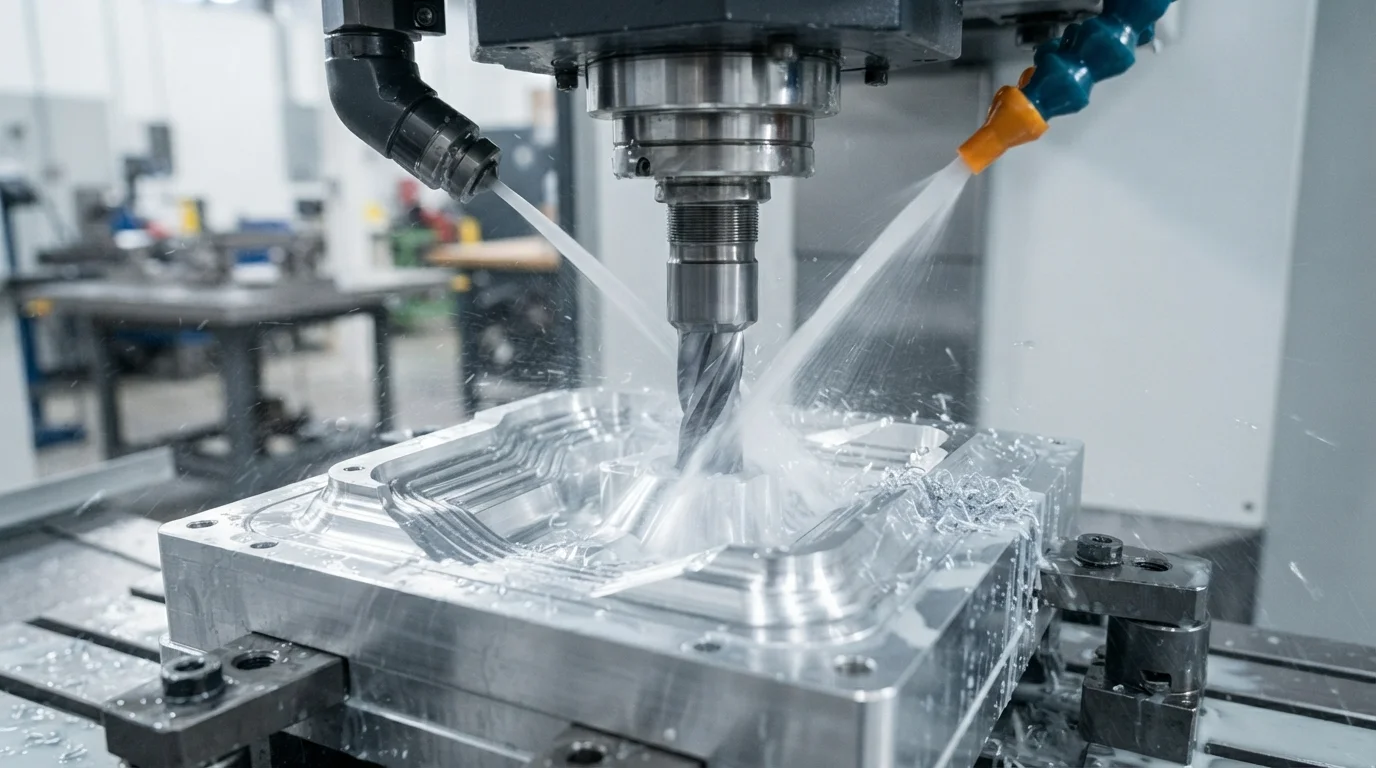
Question: Why are aluminum molds more agile for engineering changes? Soft AL7075 aluminum can be mounted back onto high-speed 5-axis CNC mills to re-cut modified coordinates within 24 to 48 hours.
Evaluating engineering changes rapid vs production tooling factors demonstrates why soft metal molds offer unmatched agility during NPI phases. AL7075 Aluminum and pre-hardened P20 Tool Steel plates arrive pre-tempered, allowing CNC Machining Service centers to re-cut updated CAD profiles directly without heat treatment. Weighing rapid tooling vs production tooling flexibilities proves that soft molds allow engineers to test multiple design iterations affordably. Sourcing soft molds prevents hardware ventures from locking up cash flow in inflexible hard steel.
Sourcing functional parts molded from solid engineering plastics like ABS, Nylon (PA), or Polycarbonate (PC) provides authentic material behavior under dynamic loading. This technical comparison table outlines ECO modification capabilities across different mold standards:
| Mold Material | Metal-Safe Modification (Add Plastic) | Non-Metal-Safe Modification (Subtract Plastic) | Average ECO Lead Time |
|---|---|---|---|
| AL7075-T6 Aluminum | Simple (Direct high-speed CNC re-milling) | Easy (Micro-laser wire welding & re-milling) | 2 to 4 business days |
| P20 Soft Steel | Moderate (Direct CNC re-milling) | Moderate (Micro-welding or new core insert) | 4 to 7 business days |
| H13 Hard Steel | Difficult (Requires slow EDM or annealing) | Extreme (EDM, welding & re-hardening) | 3 to 6 weeks |
Testing Design Variations Before Executing CAD Freezes
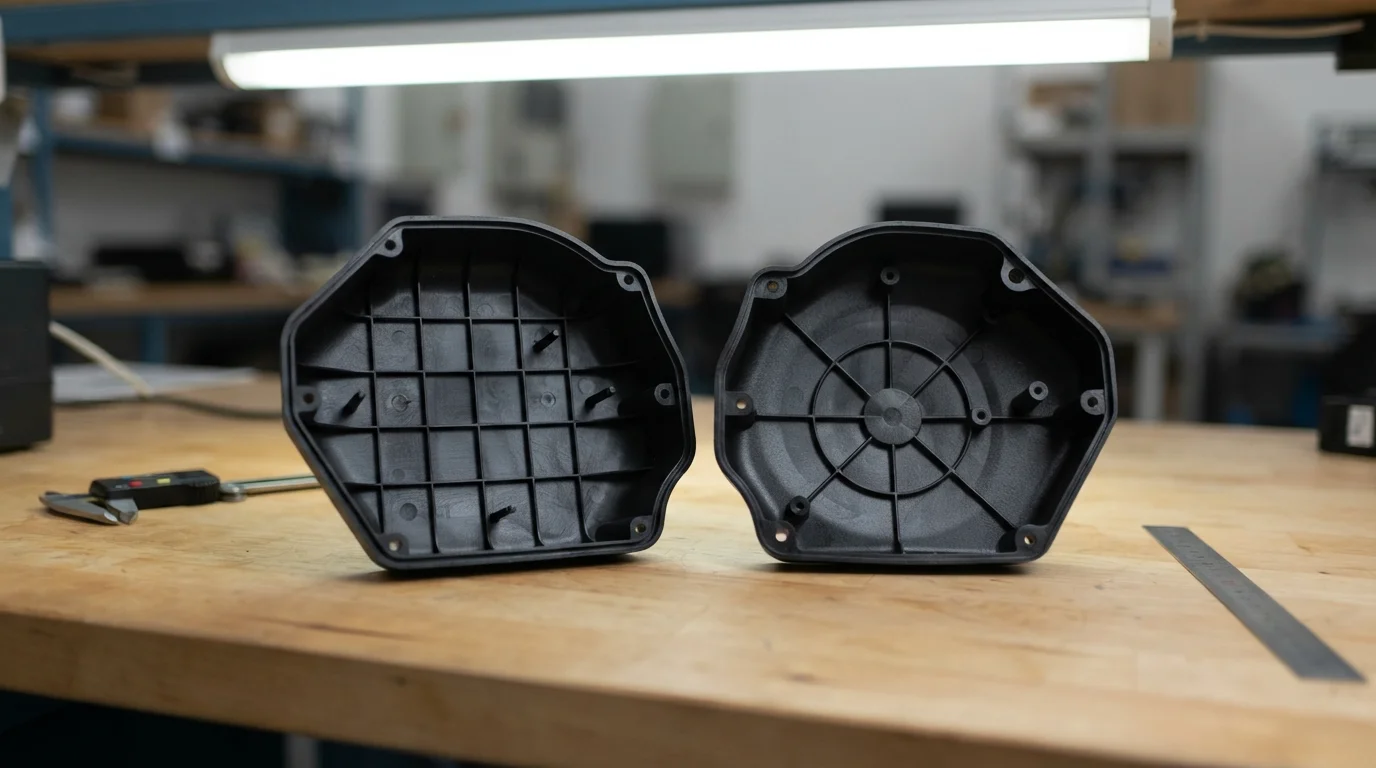
Question: How does testing variations in soft molds protect NPI budgets? Running physical trials on rapid molds verifies snap fits, wall transitions, and gate locations before committing to permanent production tools.
Testing multiple geometric variations on soft mold inserts allows mechatronics groups to identify optimal wall thicknesses and rib locations empirically. Sourcing an automated Injection Molding Service from an integrated partner ensures your short-run parts are injected under production-grade press pressures. Sourcing functional Prototype Service parts or Vacuum Casting models allows engineering groups to validate designs before committing to aluminum or soft steel molds. Early physical verification prevents expensive engineering changes when scaling up to high-volume injection molding.
Managing engineering changes rapid vs production tooling workflows smoothly requires working with a single-roof manufacturing partner. Jucheng Precision supports mechatronics startups by delivering comprehensive 24-hour free DFM reviews that analyze draft angles, wall uniformity, gating locations, and shrinkage factors. Sourcing our expert DFM reviews helps product groups optimize gate placements, parting lines, and draft profiles before cutting metal. Sourcing high-quality prototypes ensures your designs are built to withstand severe dynamic forces safely.
Partnering with a certified manufacturer helps you navigate the transition from early visual mockups to low-volume bridge tooling seamlessly. Key operational advantages of executing early ECOs on soft tooling include:
- 24-hour free DFM reviews—Factory engineers evaluate parting lines, gate sizes, and cooling waterlines before cutting core metal
- In-house toolroom machining—Cutting soft metal cores directly on high-speed mills cuts modification lead times to days
- Certified quality management systems—ISO 13485 and IATF 16949 compliant facilities guarantee full material traceability and part repeatabilities
Frequently Asked Questions (FAQ)
How much cheaper is modifying an aluminum mold than a hardened steel mold?
Evaluating engineering changes rapid vs production tooling costs proves that soft aluminum molds can be re-milled in 2 to 4 days for a few hundred dollars. Hardened H13 steel production molds require slow EDM spark erosion or annealing, adding weeks of toolroom downtime and thousands in ECO fees.
What is the difference between a metal-safe and non-metal-safe CAD change?
Metal-safe changes involve removing additional steel or aluminum from a mold cavity to increase part wall thickness, which is easily accomplished via CNC re-milling. Non-metal-safe changes require adding metal back to a cavity, demanding micro-laser welding or replacing entire core inserts.
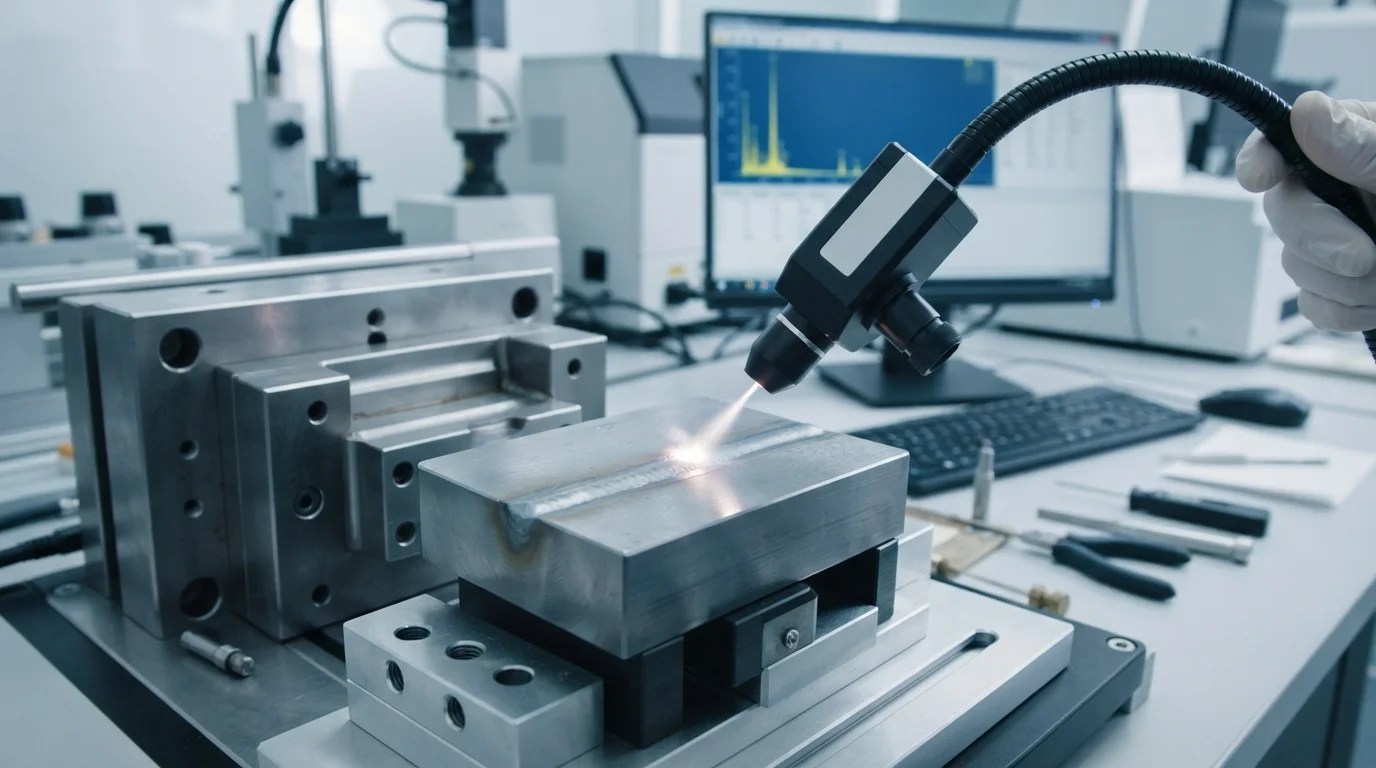
How does micro-laser wire welding repair damaged mold shut-offs?
Micro-laser welding deposits narrow beads of AL7075 or steel wire onto worn or over-machined cavity shut-offs without inducing thermal distortion. Toolmakers then re-mill the welded area on high-speed CNC centers to restore exact drawing coordinates.

