


Evaluating mold durability represents a paramount concern when transitioning custom plastic designs from low-volume prototypes to medium-volume pilot production runs. Product development teams must determine exactly how many repeatable parts a soft-alloy or pre-hardened steel cavity can eject before dimensional tolerances begin to drift. Sourcing short-run injection molded parts requires a balanced engineering strategy that matches target part yields with cost-effective mold metal selections. Meticulous planning prevents expensive engineering reworks, ensuring custom assemblies transition seamlessly from early prototypes to mass production. Sourcing these low-volume parts preserves crucial development cash flow, avoiding the massive capital expenditure associated with traditional hard steel molds.
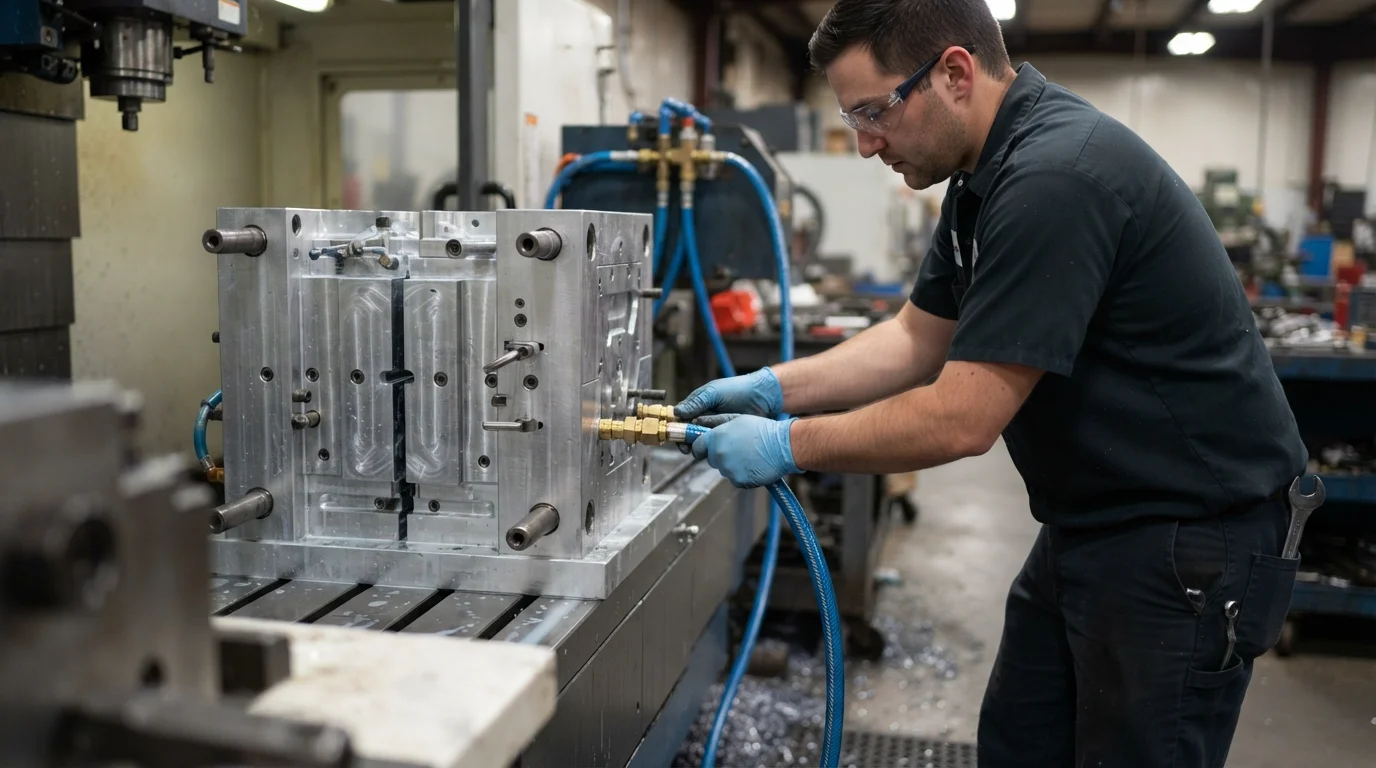
Table of Contents
1. Shot Volumetric Expectancy and Baseline Longevity Limits
2. Physical Variables Accelerating Cavity Wear and Resin Impact
Shot Volumetric Expectancy and Baseline Longevity Limits
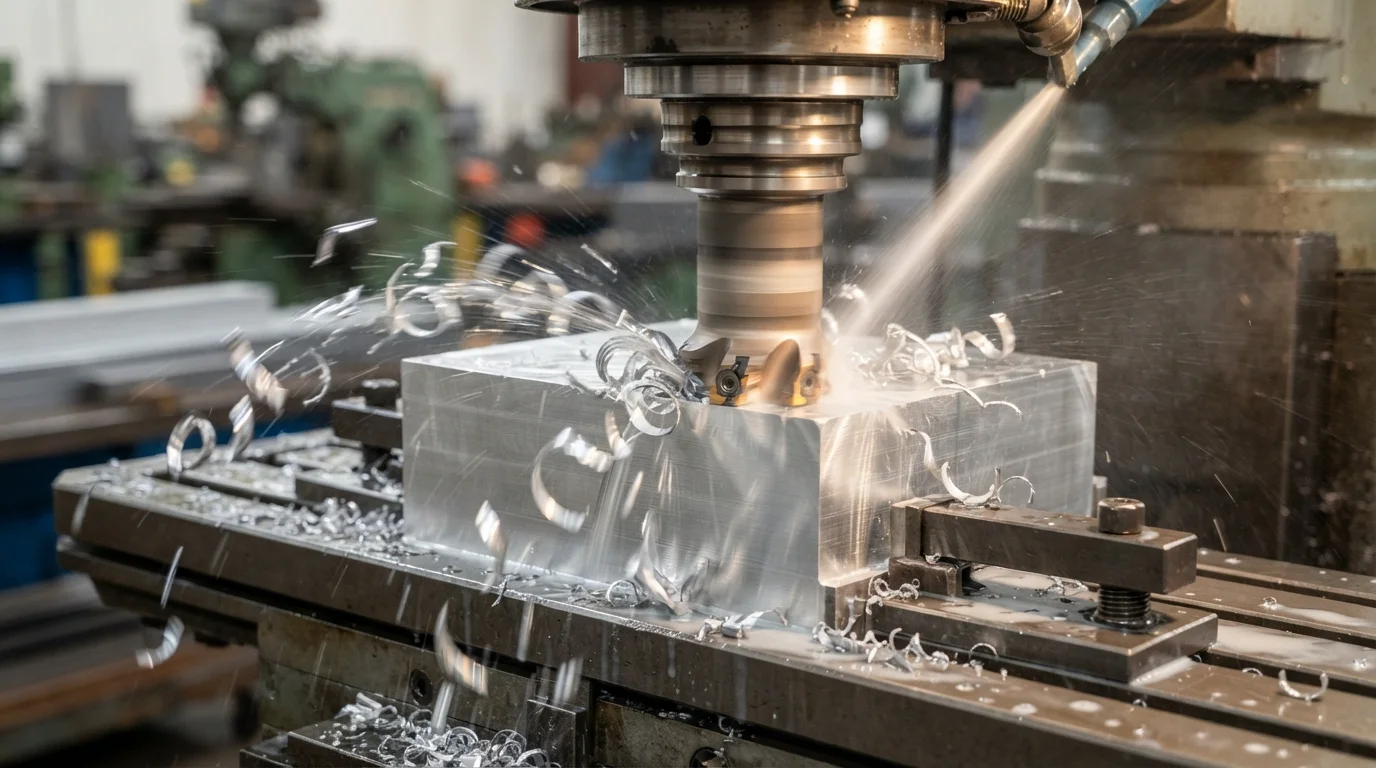
Question: What is the average shot life of a rapid mold compared to production steel tooling? Soft aluminum molds typically yield 5,000 to 20,000 cycles, P20 soft steel yields up to 100,000 cycles, and H13 hard steel exceeds 1,000,000 cycles.
Predicting your tool life rapid tooling vs production tooling parameters requires analyzing physical material limits, clamp forces, and polymer chemical characteristics carefully. Aluminum AL7075-T6 cavities represent an excellent starting choice, delivering 5,000 to 20,000 clean pulls before dimensions shift. Pre-hardened P20 steel core inserts are more durable, easily surviving 50,000 injection cycles when run under standard operating pressures. Sourcing high-quality billet metals protects your developmental budget from material premium markups.
Sourcing high-fidelity mockups of structural linkages from a professional Prototype Service is ideal for early form studies, but those CAD files often violate mass-production injection molding physics. Slicing CAD files precisely allows experienced toolmakers to analyze parting lines, draft angles, and wall thicknesses using advanced mold flow simulation software. Mold designers analyze parting line splits early to ensure the soft aluminum shut-offs resist wear under high clamping pressures. Symmetrical component designs simplify holding fixtures, reducing initial setup labor hours dramatically.
Sourcing functional CNC Machining Service parts from extruded billets of ABS, Nylon (PA), or aluminum Aluminum provides authentic material behavior before cutting tool steel. This detailed materials validation eliminates mechanical failure risks when transitioning prototype to production design configurations. Early validation prevents expensive engineering changes when scaling up to high-volume Injection Molding Service. Standardizing non-critical clearances allows high-speed milling spindles to clear raw stock quickly, maximizing cutting efficiency.
Physical Variables Accelerating Cavity Wear and Resin Impact
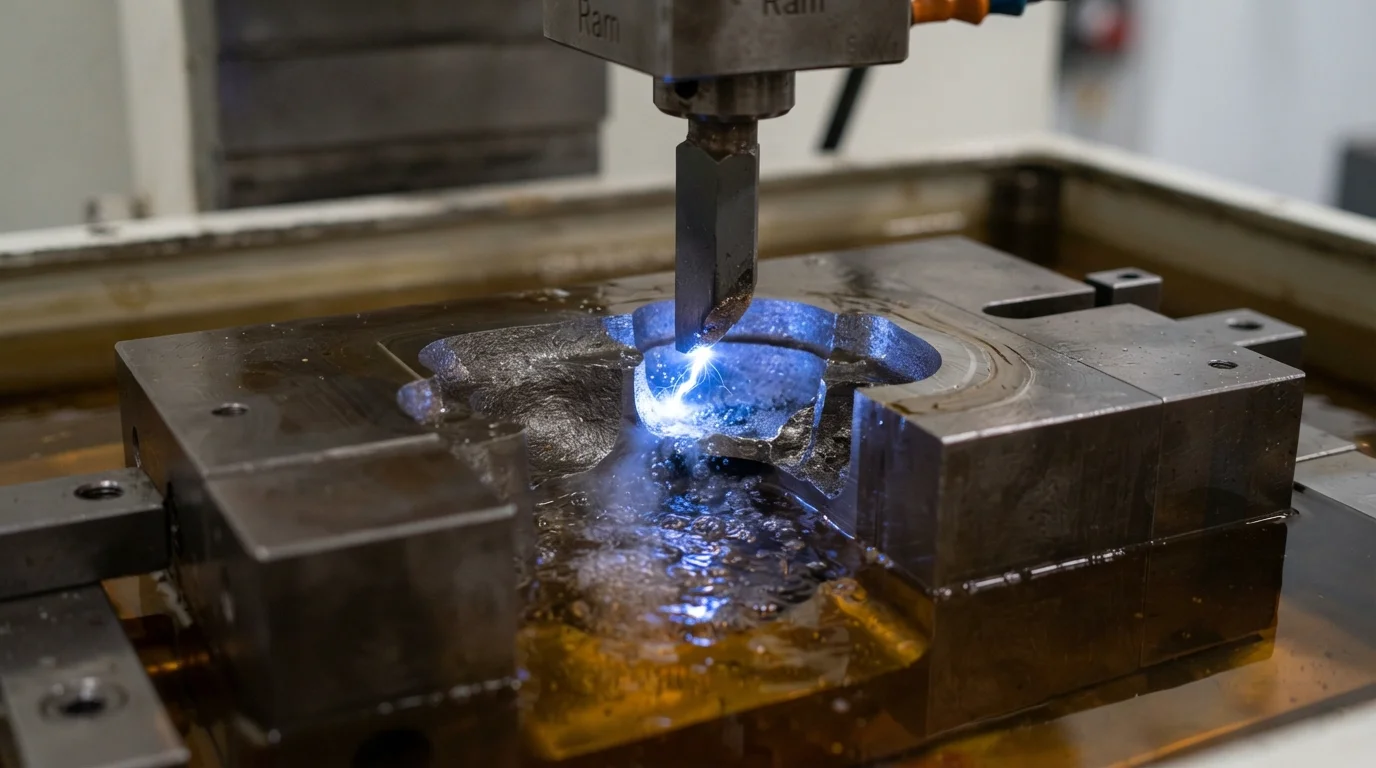
Question: What factors shorten the lifespan of rapid tooling? Injecting abrasive glass-filled polymers, applying extreme clamping pressures, and corrosive resin outgassing accelerate gate and cavity erosion.
Evaluating rapid tooling vs production tooling wear variables reveals that polymer chemical composition heavily dictates mold metal choices. Glass-filled polyamides or flame-retardant ABS polymers wear down soft aluminum gates rapidly, making pre-hardened Tool Steel mandatory for long runs. Tooling designers specify pre-hardened P20 steel or localized H13 inserts for these abrasive materials to protect critical gate geometries. Standardizing draft angles and nominal wall thicknesses is the primary method to prevent mold flash.
Corrosive outgassing from specialized polymers like PVC or high-temperature PEEK also creates microscopic pitting on raw cavity walls. This technical comparison table highlights baseline lifespans and performance limits across different mold metal selections:
| Mold Core Material | Base Hardness | Estimated Lifetime | Primary B2B Purpose |
|---|---|---|---|
| AL7075-T6 Aluminum | 150 Brinell | 5,000 to 20,000 cycles | Fast-turnaround NPI scaling, non-abrasive resins (PP, PE) |
| P20 Pre-hardened Steel | 30 HRC | 20,000 to 50,000 cycles | Mid-volume consumer enclosures, pre-hardened steel stiffness |
| H13 Hardened Steel | 52 HRC (Heat treated) | 1,000,000+ cycles | High-volume mass series production, extreme-volume scaling |
Proper Tool Maintenance to Maximize Lifespan
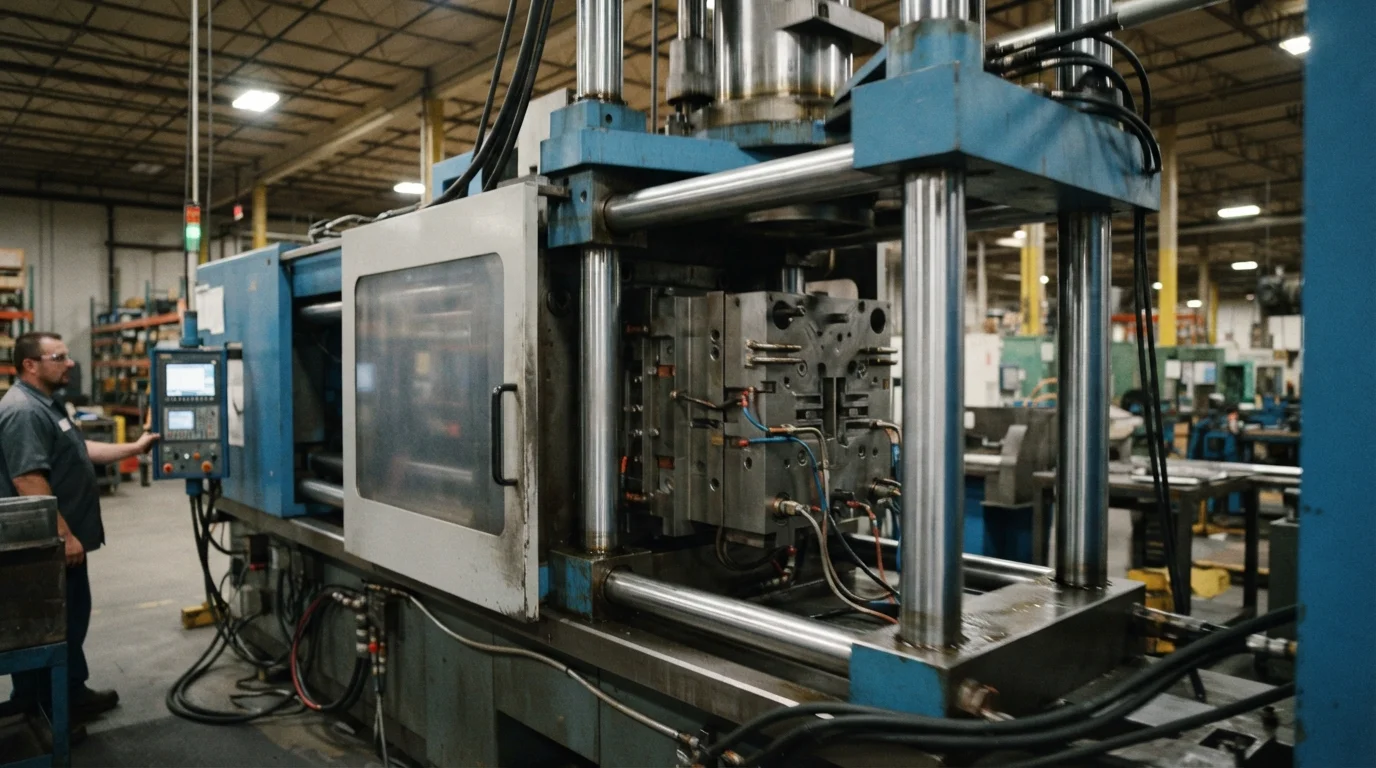
Question: How can toolmakers maximize the life expectancy of soft molds? Implementing gentle clamping pressures, regular parting line wipe-downs, and installing steel gate inserts extends tool life.
Understanding how tool life rapid tooling vs production tooling metrics dictate maintenance schedules helps plant managers protect mold assets. Sourcing a dedicated Rapid Tooling Service using aluminum or soft steel cores delivers genuine injection-molded components from production-grade resins within weeks. Slicing CAD files precisely allows experienced toolmakers to analyze parting line shut-offs manually. Sourcing rapid tooling allows product developers to validate gating, parting lines, and draft angles under real machine pressures.
Jucheng Precision operates a fully-integrated factory setup containing both multi-axis machining centers and precision injection molding presses. Factory engineers deliver comprehensive 24-hour free DFM reviews to optimize gate locations, parting lines, and draft profiles before cutting metal. Key engineering steps to maximize soft mold longevity include:
- Installing hardened steel gate inserts—Protecting high-velocity polymer entry zones prevents gate erosion
- Applying protective hard anodizing—Surface coatings raise aluminum skin hardness up to 60 HRC
- Regulating clamp forces and cycle temps—Low injection pressures prevent parting line shut-off crushing
Partnering with an experienced moldmaker ensures design changes and quality checks are managed seamlessly under one roof. Key operational advantages of scaling with an integrated factory include:
- 24-hour free DFM reviews—Factory engineers evaluate parting lines, gate sizes, and cooling waterlines before cutting core metal
- Certified quality management systems—ISO 13485 and IATF 16949 compliant facilities guarantee full material traceability and part repeatabilities
- Single-roof manufacturing facilities—Operating in-house toolmaking and injection presses eliminates communication gaps between vendors
Frequently Asked Questions (FAQ)
How many shots can a P20 steel mold last?
Analyzing tool life rapid tooling vs production tooling parameters proves that aluminum molds easily deliver 5,000 to 20,000 shots for non-abrasive polymers. Installing localized steel gate inserts extends aluminum mold usability up to 50,000 cycles.
What causes parting line flash on aluminum injection molds?
Soft aluminum shut-off faces begin to crush under excessive press clamping forces, creating noticeable parting line flash. Re-machining the shut-off surfaces or micro-welding worn edges restores mold alignment and stops plastic leakage.
Does P20 pre-hardened steel require secondary vacuum heat treatment?
Pre-hardened P20 steel does not require secondary vacuum heat treatment because it arrives pre-tempered to 30 HRC. Bypassing heat-treatment cycles eliminates risks of thermal mold distortion and cuts lead times by weeks.

