


Selecting the correct baseline metal alloy during early tool design directly dictates whether pilot components will meet strict engineering specifications or require constant toolroom rework. When manufacturing bridge tooling or short-run production molds, engineers frequently weigh the machining speed of light alloys against the long-term structural resilience of pre-hardened steels. Analyzing how mold material affects rapid tooling tolerances helps development teams anticipate thermal fluctuations, minimize tool wear drift, and protect critical assembly dimensions. Making an informed alloy choice prevents unexpected geometric distortion as production injection cycles scale upward.
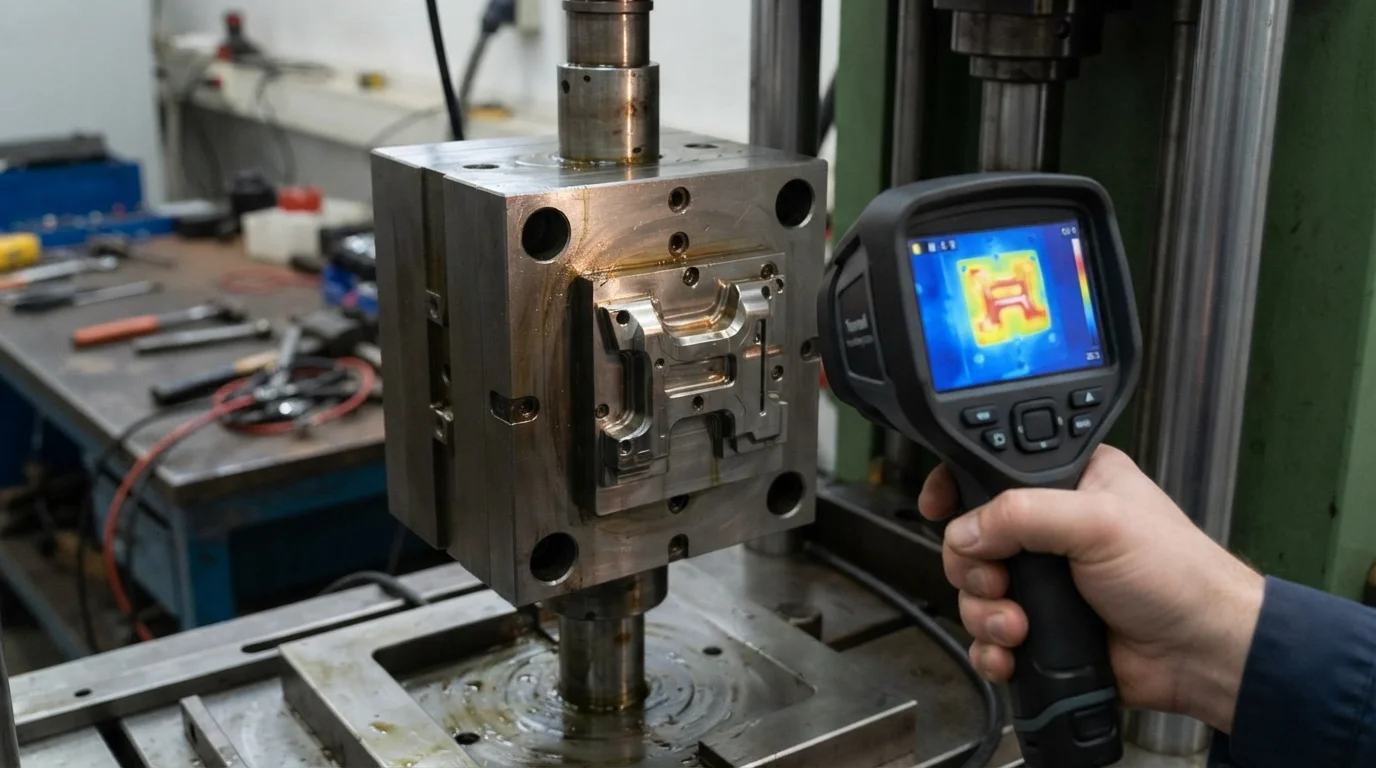
Balancing metal characteristics within Rapid tooling tolerances requires understanding how coefficients of thermal expansion dictate cavity behavior under continuous clamp heat. Utilizing high-grade aluminum or soft alloy steel plates accelerates initial manufacturing cycles while maintaining reliable dimensional consistency. Let us explore the fundamental differences between aluminum and steel alloys and how they influence your ultimate part precision.
Table of Contents
1. The Thermal Expansion Factor: Why Aluminum Behaves Differently Than Steel
2. Tool Wear and Dimensional Drift: 1,000 Shots vs. 10,000 Shots
3. Choosing Between AL7075 and P20 Soft Steel Based on Your Tolerance Needs
The Thermal Expansion Factor: Why Aluminum Behaves Differently Than Steel
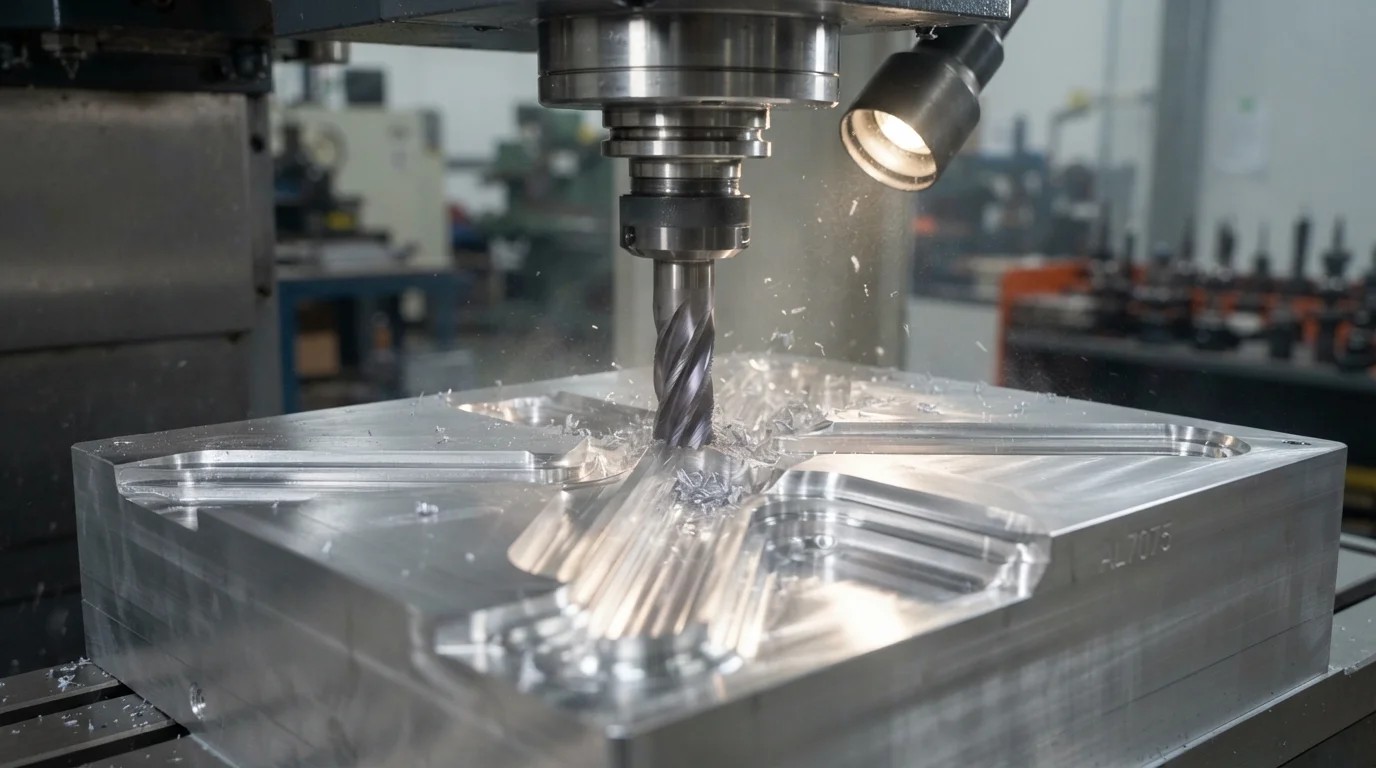
Question: How does the coefficient of thermal expansion in aluminum mold blocks impact part precision during high-speed injection cycles? Aluminum expands and contracts more rapidly under fluctuating operating temperatures, requiring careful thermal management to maintain tight linear tolerances.
Aircraft-grade aluminum alloys such as AL7075-T6 offer exceptional thermal conductivity, pulling heat away from injected polymer melts much faster than steel and shortening overall cycle times. However, this high thermal responsiveness means aluminum cavities experience noticeable dimensional expansion as the mold warms up to steady-state operating temperatures. Utilizing an agile Injection Molding Service ensures cooling lines are engineered to stabilize thermal gradients, preventing unexpected shifting in critical feature coordinates.
Comparing the thermal and mechanical properties of common rapid mold alloys outlines distinct operational behaviors:
| Mold Alloy | Thermal Conductivity | Thermal Expansion Rate | Typical Hardness |
|---|---|---|---|
| AL7075-T6 Aluminum | Very High (~130 W/m-K) | High (~23 µm/m-K) | ~150 HB |
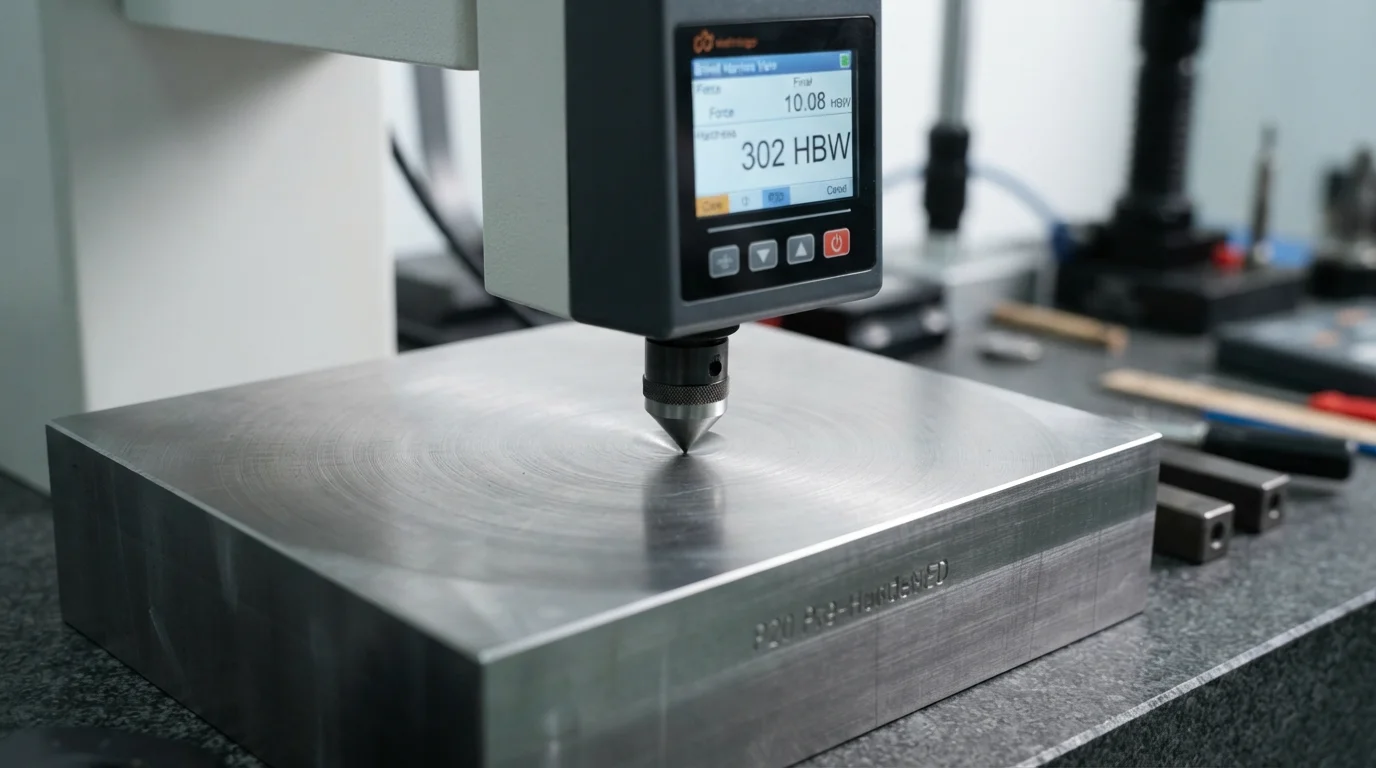
| P20 Pre-Hardened Steel | Moderate (~40 W/m-K) | Lower (~12 µm/m-K) | ~300 HB (30 HRC) |
| H13 Hardened Tool Steel | Lower (~25 W/m-K) | Lowest (~11 µm/m-K) | ~52 HRC |
Tool Wear and Dimensional Drift: 1,000 Shots vs. 10,000 Shots
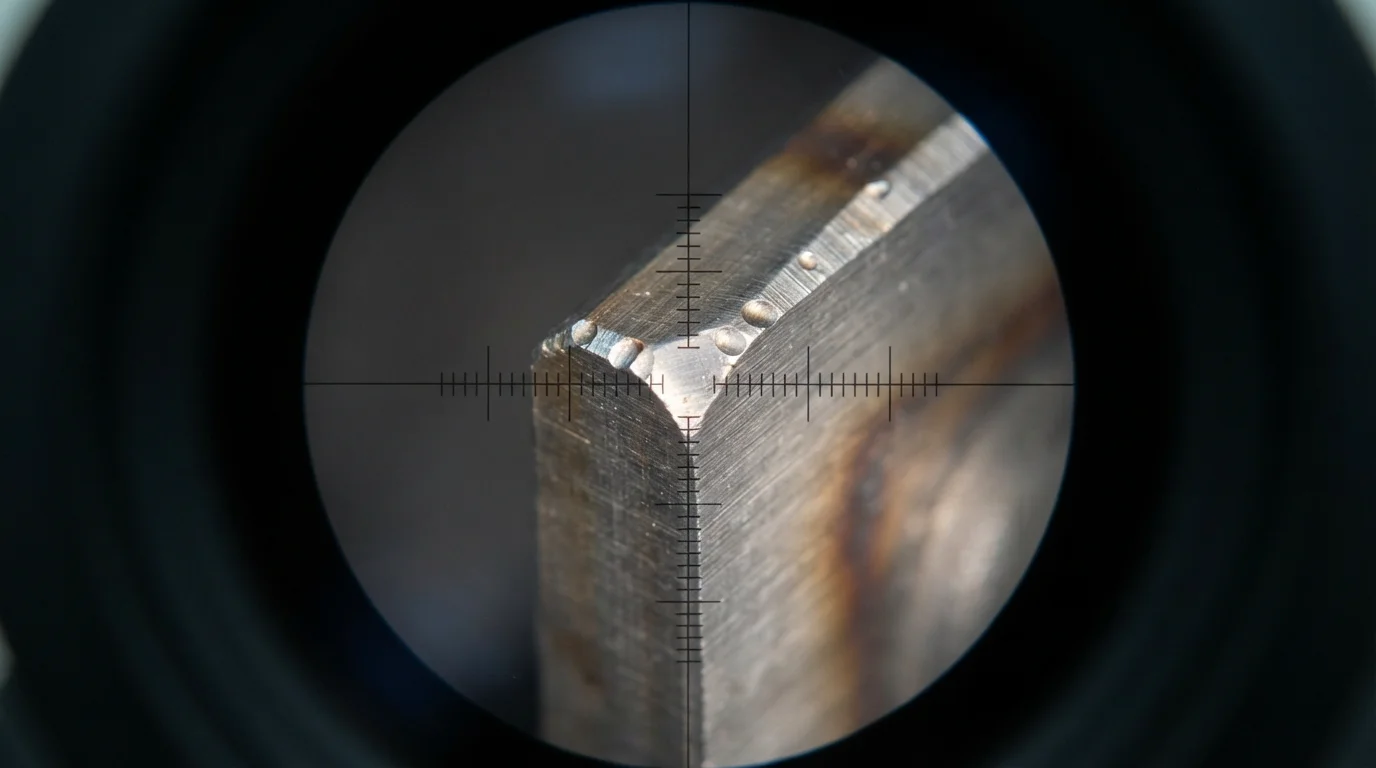
Question: How does extended production cycling impact dimensional drift between initial sampling and the ten-thousandth molded part? Abrasive glass-filled resins and high-pressure clamping gradually erode gate edges and shut-off surfaces on softer metal inserts.
When managing bridge manufacturing campaigns targeting up to 10,000 components, tool wear becomes a decisive factor in maintaining tight tolerances. While aluminum rapid tooling excels for low-shot prototype validation (1 to 1,000 units), abrasive polymers containing glass or mineral fillers can wear down soft aluminum shut-offs over extended runs. Sourcing a dedicated Rapid Tooling Service utilizes pre-hardened P20 steel when higher volume durability and long-term dimensional stability are required. Sourcing precision parts through an experienced CNC Machining Service ensures custom steel inserts maintain sharp, repeatable parting lines.
Controlling tool wear and preventing long-term dimensional drift involves monitoring critical operational milestones:
- Gate erosion monitoring—High-velocity resin injection gradually widens gate entry points, increasing part weight over time
- Parting line crushing—Excessive clamp tonnage can flatten soft aluminum shut-off surfaces, resulting in visible flash
- Periodic metrology audits—Inspecting sample parts every 2,500 cycles catches subtle dimensional drift before out-of-tolerance batches occur
Choosing Between AL7075 and P20 Soft Steel Based on Your Tolerance Needs
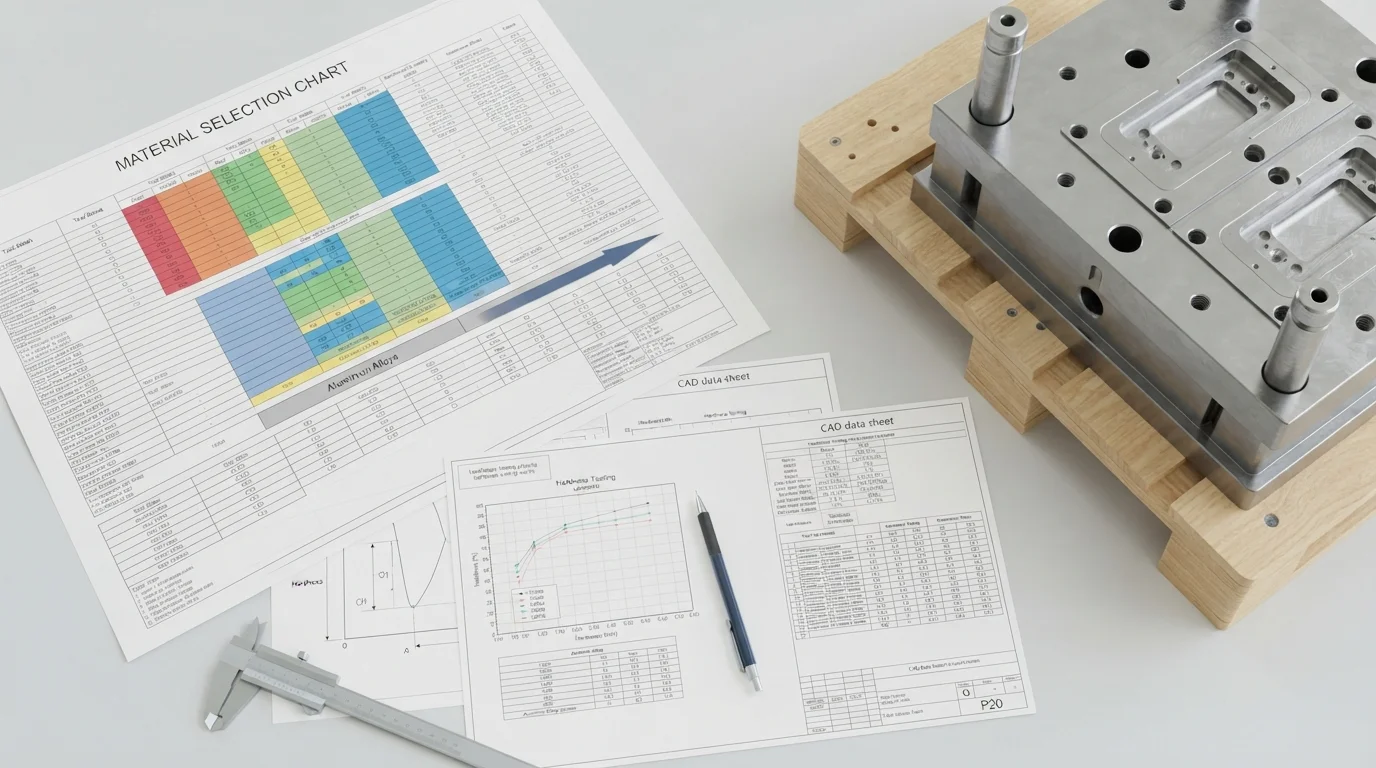
Question: How do Jucheng Precision engineers help clients select the ideal mold alloy for their specific tolerance and volume targets? Expert tooling evaluation teams analyze part geometry, resin abrasiveness, and lifecycle quantities to recommend the optimal metal alloy.
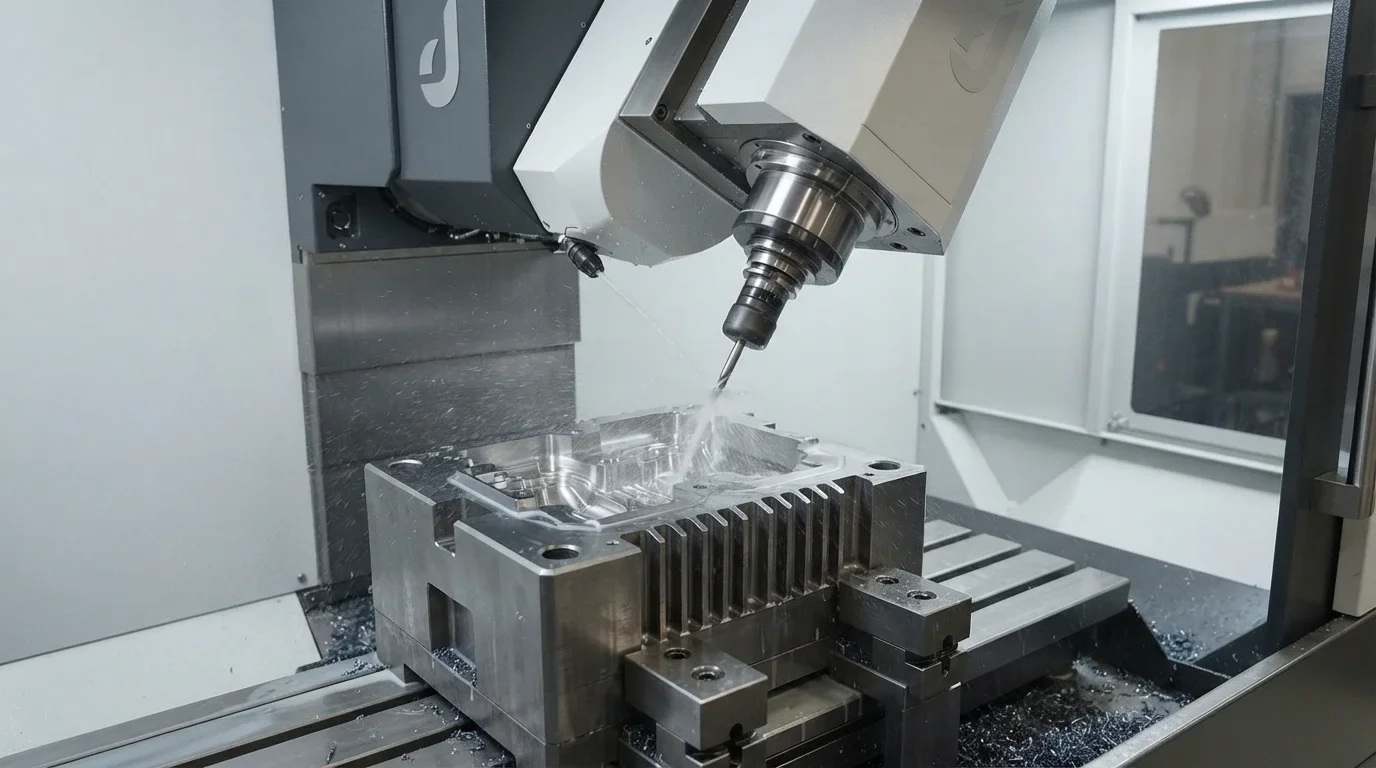
Jucheng Precision supports hardware developers by delivering comprehensive 24-hour free DFM reviews that analyze draft angles, wall uniformity, and material shrinkage factors prior to cutting metal. Operating with 150+ advanced CNC machines—including 25 high-precision 5-axis systems—alongside 35+ specialized injection molding presses, our ISO 9001 certified facilities ensure absolute quality control. Sourcing expert engineering guidance guarantees your bridge tooling achieves precise dimensional results without unnecessary expense.
Partnering with an internationally certified manufacturer guarantees full material traceability and robust tooling performance. Key operational advantages of our material sourcing framework include:
- Tailored alloy selection—Matching AL7075 aluminum or P20 soft steel directly to your project volume and precision targets
- Advanced 5-axis machining—Executing complex cavity contours with micron-level dimensional fidelity
- Zero minimum order constraints—No MOQ policies allow exact inventory alignment with customized bridge production runs
Frequently Asked Questions (FAQ)
How does thermal expansion in aluminum molds affect rapid tooling tolerances?
Aluminum expands more rapidly than steel under operating temperatures, requiring precise cooling line engineering to stabilize thermal gradients and maintain tight linear tolerances.
When should an engineer choose P20 soft steel over aluminum for rapid tooling?
P20 soft steel is recommended when production runs exceed 5,000 units or when utilizing abrasive glass-filled resins that accelerate tool wear on softer aluminum alloys.
How does Jucheng Precision assist with rapid tooling material selection?
Jucheng Precision provides 24-hour free DFM reviews, expert alloy recommendations, and certified machining to ensure your rapid tooling meets all precision and volume requirements.

