


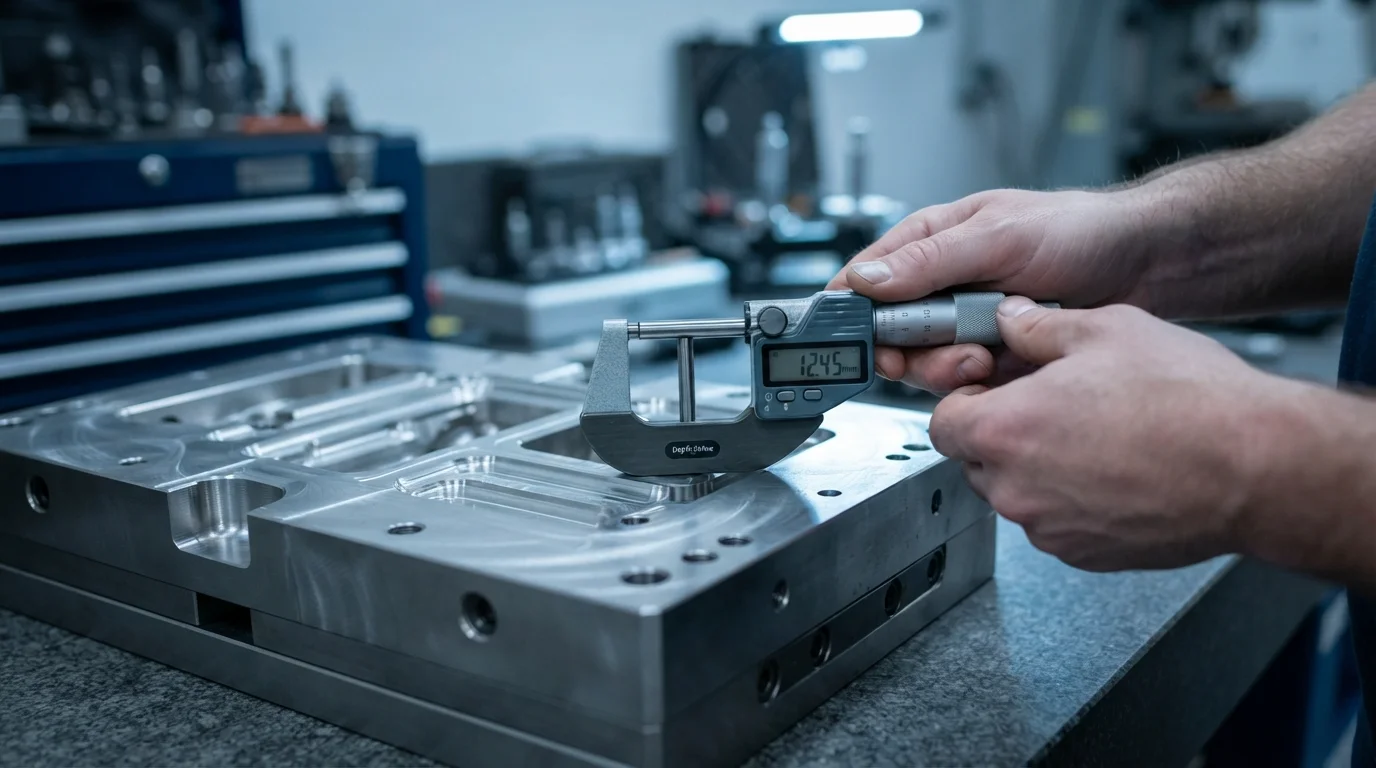
Hardware engineers evaluating bridge manufacturing options frequently encounter a persistent design dilemma: can a lower-cost, fast-turnaround soft mold truly deliver the same dimensional precision as a multi-thousand-dollar hardened production tool? During initial prototype sampling, rapid molds often yield identical linear dimensions and cosmetic fidelity compared to their heavy industrial counterparts. However, long-term tolerance retention diverges as production cycles scale upward into thousands of units. Evaluating rapid tooling vs production mold accuracy helps product teams balance upfront financial exposure against strict manufacturing tolerances without risking assembly failures.
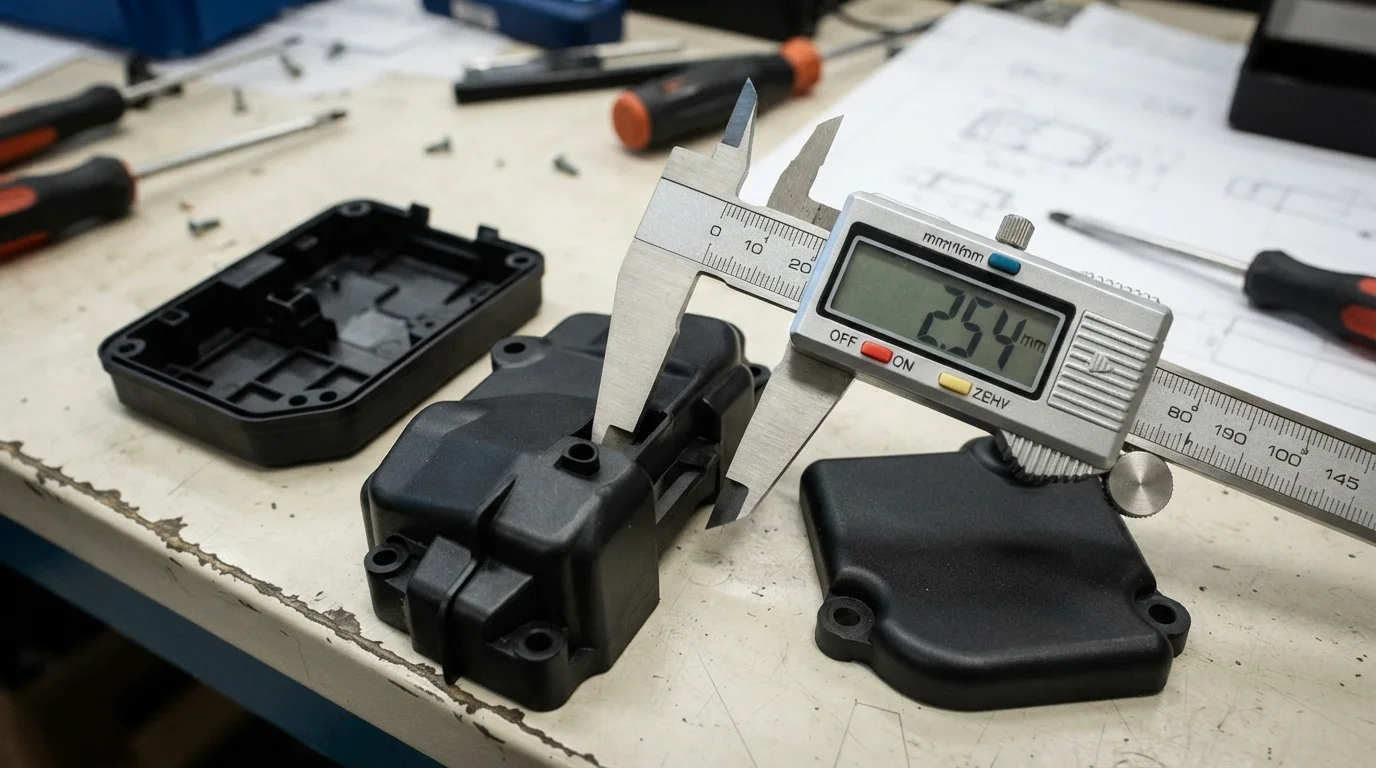
Analyzing precision limits within Rapid tooling tolerances requires separating short-term sampling capabilities from long-term thermal fatigue resistance. Utilizing modular aluminum or pre-hardened steel bridge tools accelerates product introductions while injecting authentic polymers under real press pressures. Let us examine why initial shots match hard molds so closely and identify exactly when rapid tools begin experiencing dimensional drift.
Table of Contents
1. Initial Shot Accuracy: Why Rapid Molds Match Hard Molds at the Start
2. Long-Term Stability: When Do Rapid Molds Start Losing Tolerance?
3. Cost vs. Precision: Balancing Your Budget and Specifications
Initial Shot Accuracy: Why Rapid Molds Match Hard Molds at the Start
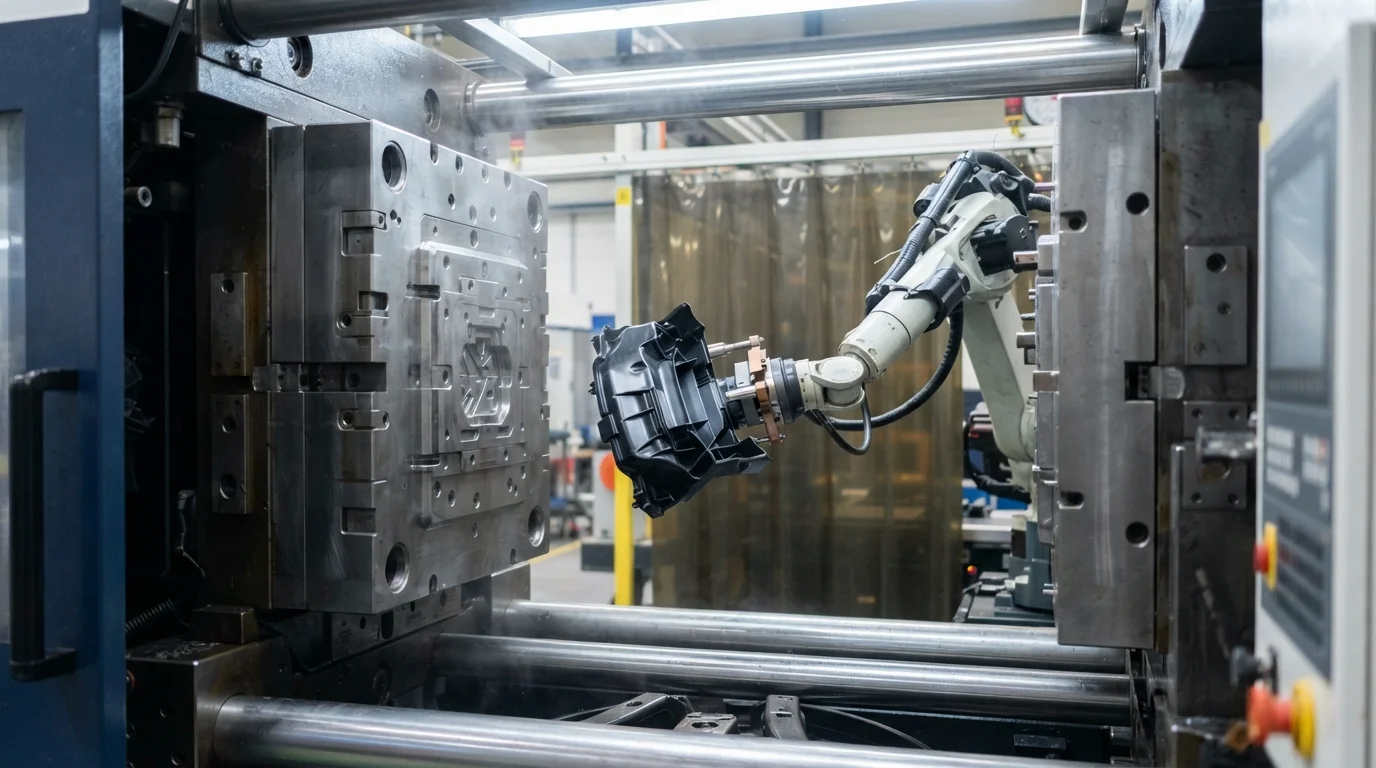
Question: Why do initial T1 sample parts produced from soft rapid molds frequently achieve the exact same dimensional accuracy as hardened production tooling? Both manufacturing paths begin with high-precision 5-axis CNC machining centers carving digital CAD geometry to identical micron-level coordinates.
During the initial sampling phase, a newly cut aluminum or pre-hardened P20 steel mold possesses sharp, unblemished shut-offs and precise cavity contours. Because high-speed milling and EDM operations dictate initial cavity geometry regardless of final alloy hardness, early component batches exhibit identical linear accuracy. Utilizing an agile Injection Molding Service ensures process parameters are dialed in correctly from the very first shot. Sourcing initial bridge components through a specialized Prototype Service allows engineering groups to validate form and fit without committing to heavy production outlays.
Comparing the initial structural behavior of soft bridge tooling against permanent series molds highlights shared performance traits:
| Performance Metric | Rapid Bridge Tooling (T1 Shot) | Hard Production Tooling (T1 Shot) |
|---|---|---|
| Initial Linear Precision | ±0.05 mm to ±0.10 mm | ±0.03 mm to ±0.08 mm |
| Resin Flow Fidelity | Identical (Real production polymers) | Identical (Real production polymers) |
| Surface Texture Match | High fidelity (SPI/VDI polishing) | High fidelity (SPI/VDI polishing) |
Long-Term Stability: When Do Rapid Molds Start Losing Tolerance?
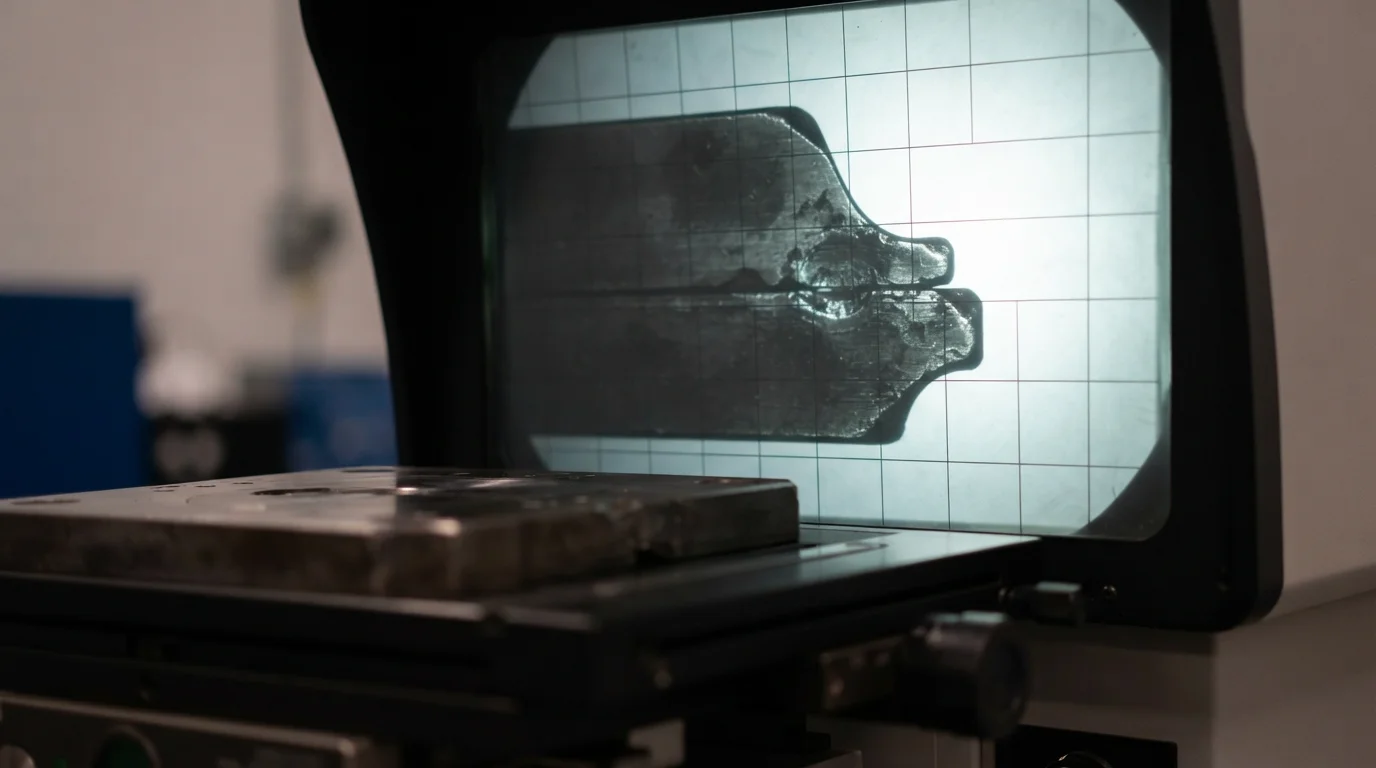
Question: At what lifecycle threshold do rapid bridge tools experience noticeable dimensional wear compared to fully hardened H13 production steel? Once production cycles exceed several thousand shots—particularly when processing abrasive glass-filled resins—softer alloy cavities begin exhibiting gate wear and parting line flattening.
While rapid aluminum and soft steel tools maintain remarkable stability during initial batches, their lower surface hardness makes them vulnerable to mechanical fatigue over extended production runs. High clamping tonnages and high-velocity resin injection gradually compress shut-off edges, leading to slight flash formation and minor dimensional drift. Sourcing a dedicated Rapid Tooling Service ensures soft tooling is deployed strictly within its optimal lifecycle window (typically 100 to 10,000 units), preserving peak dimensional accuracy before wear sets in.
Managing the transition between bridge tooling and mass-production systems requires monitoring specific operational indicators:
- Parting line crushing—High clamp pressure can gradually deform soft aluminum edges, creating micro-flash on finished parts
- Resin erosion at gates—Abrasive glass fibers widen injection gating points, altering local packing pressures and part weight
- Thermal fatigue limits—Continuous thermal cycling eventually induces microscopic metal fatigue in softer alloy matrices
Cost vs. Precision: Balancing Your Budget and Specifications
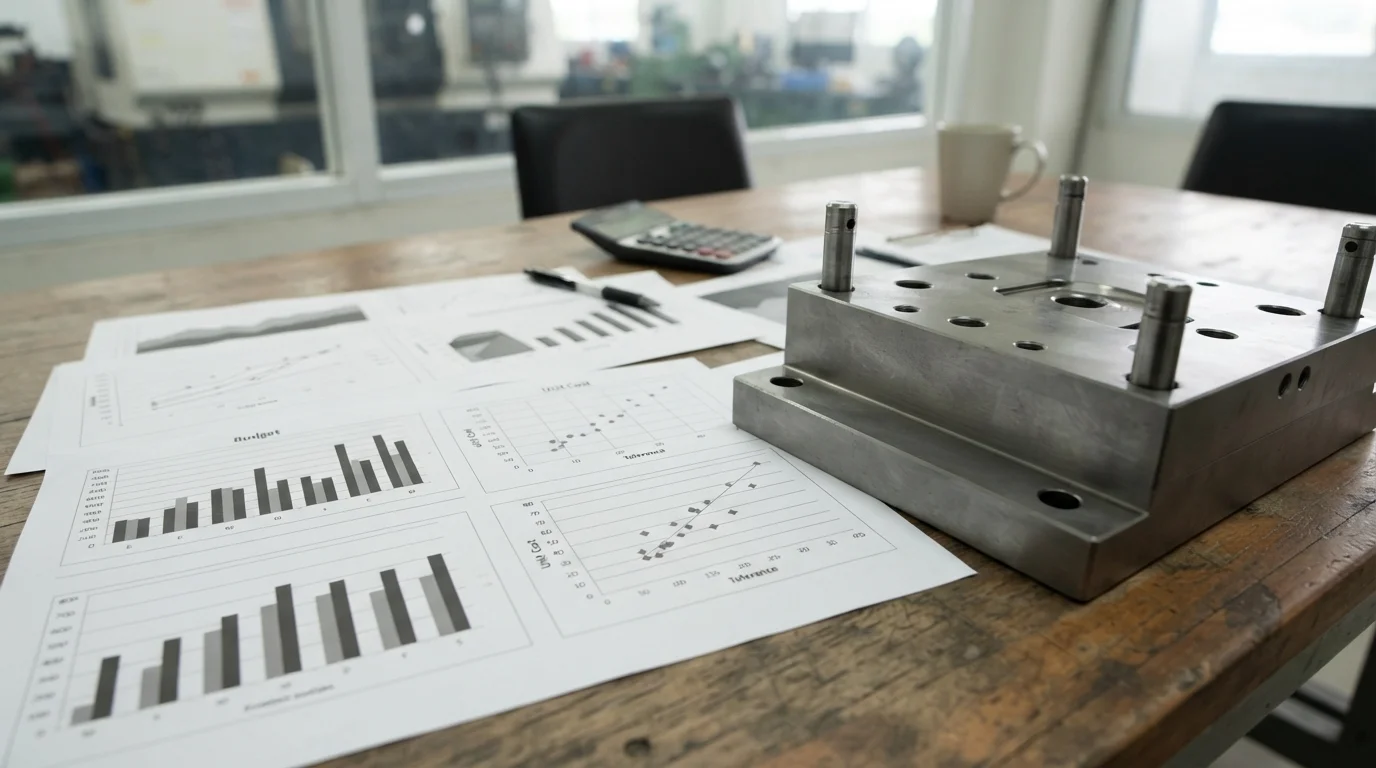
Question: How do product teams determine whether bridge tooling precision satisfies their commercial requirements without overspending? Aligning projected market volumes and assembly tolerance stacks with the correct tooling tier prevents unnecessary capital expenditure.
Jucheng Precision supports hardware developers by providing comprehensive 24-hour free DFM reviews that analyze draft angles, wall uniformity, and tolerance stack risks prior to cutting metal. Operating with 150+ advanced CNC machines—including 25 high-precision 5-axis systems—alongside 35+ specialized injection molding presses, our ISO 9001 certified facilities ensure absolute quality control. Sourcing expert engineering guidance guarantees your bridge tooling achieves optimal cost-to-precision balance.
Partnering with an internationally certified manufacturer guarantees full material traceability and robust tooling performance. Key operational advantages of our turnkey precision framework include:
- Optimized tier selection—Matching rapid bridge tooling or production steel directly to your actual commercial volume goals
- Rigorous metrology checks—Advanced CMM inspection verifies that initial and intermediate batches satisfy all critical callouts
- Zero minimum order constraints—No MOQ policies allow exact inventory alignment with pilot distribution schedules
Frequently Asked Questions (FAQ)
Do rapid soft molds achieve the same initial accuracy as hardened production molds?
Yes. Because both rapid and production molds begin with high-precision 5-axis CNC machining, initial T1 sample parts exhibit nearly identical linear accuracy and cosmetic fidelity.
When do rapid tools start losing their dimensional tolerance stability?
Rapid tools typically begin experiencing minor dimensional drift or wear after several thousand injection cycles, especially when processing abrasive glass-filled engineering resins.
How does Jucheng Precision help balance tooling costs with precision needs?
Jucheng Precision provides 24-hour free DFM reviews, expert alloy recommendations, and rigorous CMM metrology to ensure your tooling investment matches your exact volume and accuracy goals.

