


Compressing developmental schedules represents the ultimate competitive edge for hardware innovators navigating aggressive global launch windows. Understanding exactly how rapid prototyping reduces time to market allows mechatronics groups to bypass long toolmaker queues and validate mechanical features within days. Sourcing early physical scale models prevents development teams from locking in costly geometric errors before permanent machinery is activated. Meticulous execution of design reviews protects your launch budget, ensuring your products move swiftly from early concept studies to retail shelves.

Selecting appropriate manufacturing methods balances raw material properties with fast turnaround times during early-stage testing. Slicing complex three-dimensional CAD files precisely allows experienced toolmakers to analyze parting lines, draft angles, and wall thicknesses using advanced mold flow simulation software. Sourcing your copies from a partner with extensive in-house capabilities ensures you receive honest, cost-saving advice for your specific hardware program. Let’s look at how you can optimize your geometries to drive down expenses safely while maintaining high-fidelity quality.
Table of Contents
1. Compressing Design Iteration Cycles through Rapid Verification
2. Bypassing Long Lead Times of Conventional Steel Tooling
Compressing Design Iteration Cycles through Rapid Verification
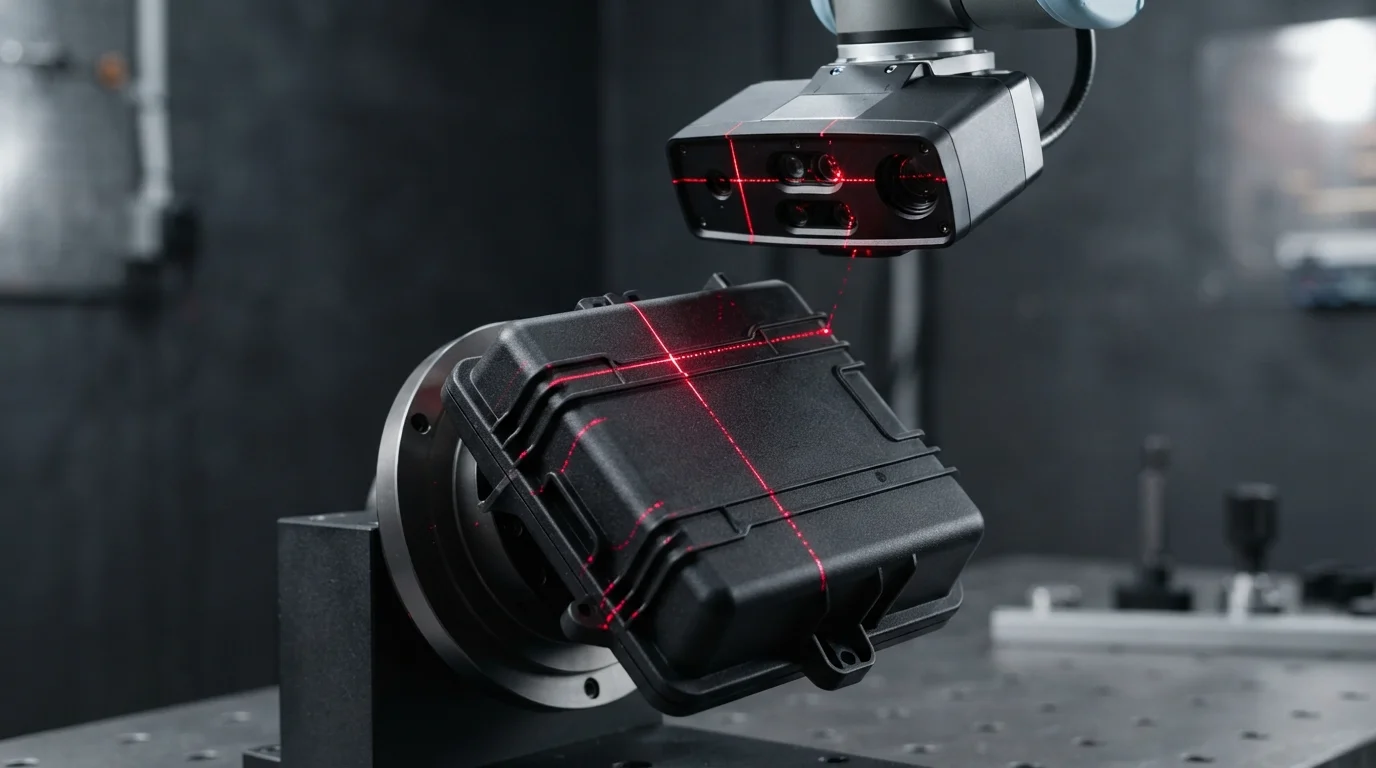
Question: How do physical validation models speed up early design phases? Fabricating fast, low-cost prototypes allows developers to test ergonomics, identify assembly interferences, and execute design changes within days rather than months.
Design iterations frequently encounter severe bottlenecks when teams rely solely on digital CAD software to predict physical product behavior. Product engineers use physical mockups to evaluate tactile ergonomics, verify snap-fit retention forces, and check internal printed circuit board (PCB) clearances realistically. Sourcing high-fidelity visual and functional models from an advanced 3D Printing Service platform allows teams to execute multiple design sweeps within a single week. Experiencing how rapid prototyping reduces time to market during early form studies empowers startups to beat competitive commercial offerings.
Sourcing physical validation models accelerates the early design cycle by providing tactile feedback that computer renders cannot simulate. Symmetrical component configurations simplify holding fixtures, reducing initial setup labor hours dramatically. Standardizing non-critical clearances allows high-speed milling spindles to clear raw stock quickly, maximizing cutting efficiency. Understanding the baseline advantages of rapid prototyping allows mechatronics groups to bypass these high capital barriers safely during early development.
Bypassing Long Lead Times of Conventional Steel Tooling
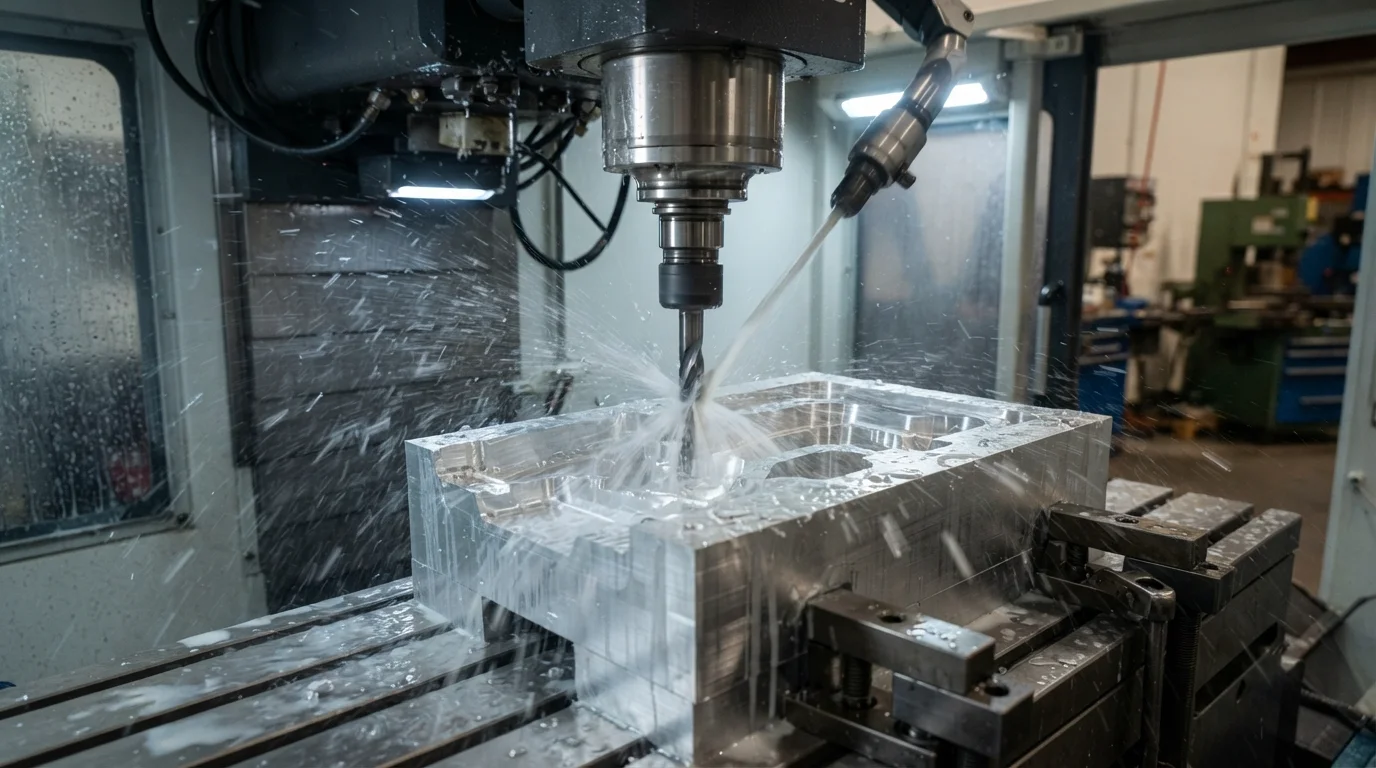
Question: What is the primary cause of tooling delays during developmental transitions? Traditional hardened steel molds require weeks of slow precision EDM machining, whereas rapid tooling uses soft metals to deliver parts in weeks.
Traditional hardened steel molds require months of precision machining and manual toolroom fittings, creating a massive bottleneck for fast-moving hardware programs. Sourcing a dedicated Rapid Tooling Service using aluminum or soft steel cores delivers genuine injection-molded components from production-grade resins within weeks. Slicing CAD files precisely allows experienced toolmakers to analyze parting lines, draft angles, and wall thicknesses using advanced mold flow simulation software. Sourcing your copies from a partner with extensive in-house capabilities ensures you receive honest, cost-saving advice for your specific hardware program.
Selecting the correct structural material involves balancing raw physical properties with overall milling times and tool wear. This technical comparison table highlights baseline lead times and cost behaviors across standard rapid fabrication methods:
| Manufacturing Method | Starting Setup Cost | Dimensional Tolerance | Standard Lead Time |
|---|---|---|---|
| 3D Printing (SLA) | Very Low (Automated slicing) | ±0.15 mm to ±0.20 mm | 2 to 4 business days |
| CNC Machining | High (Manual G-code setup) | ±0.01 mm to ±0.05 mm | 3 to 7 business days |
| Rapid Tooling | Extreme (Core milling hours) | ±0.10 mm to ±0.15 mm | 10 to 15 business days |
Parallel Engineering and Low Volume Production Scaling
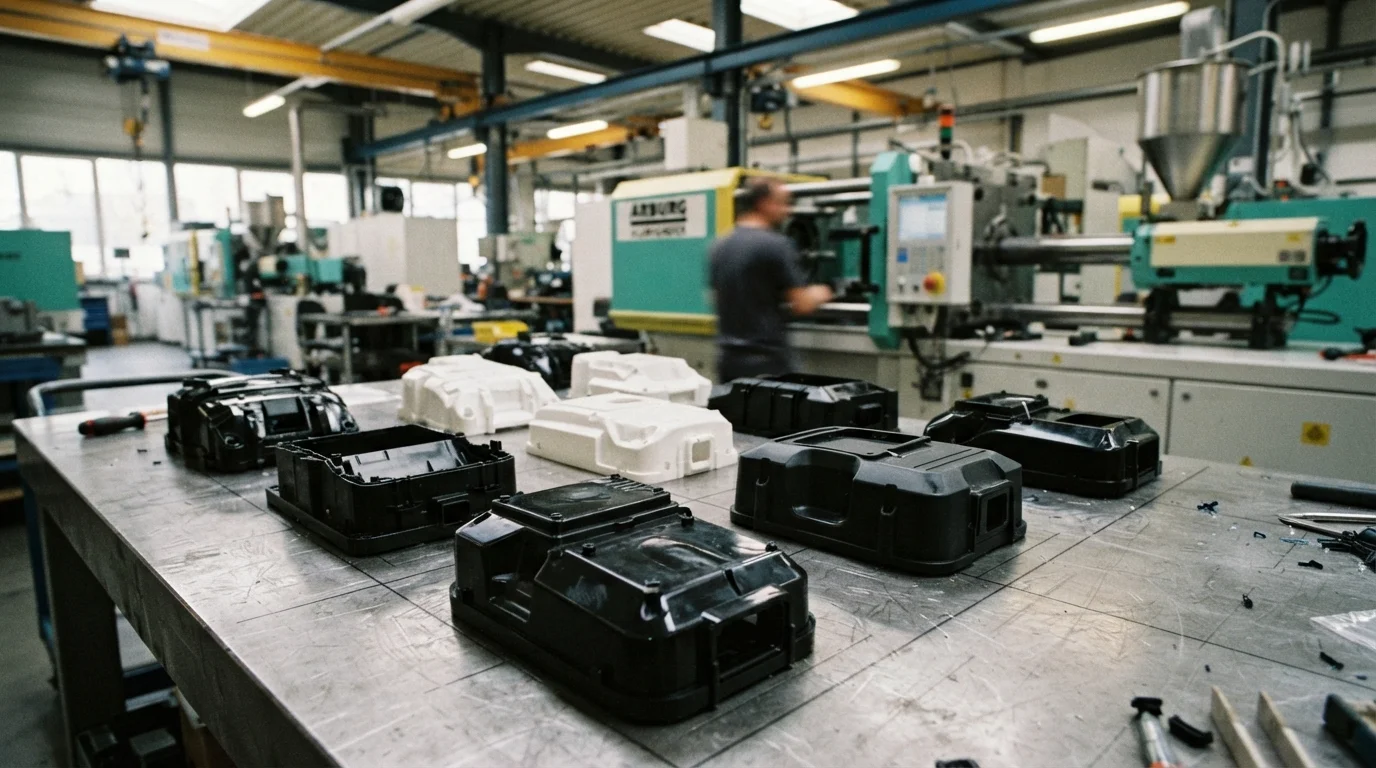
Question: How does parallel engineering reduce B2B time-to-market? Parallel engineering allows teams to conduct environmental and regulatory tests on functional prototype parts while mass-production steel molds are being fabricated.
Choosing to execute your early-stage evaluations using identical production-grade resins helps mechanical groups validate long-term mechanical wear. Sourcing functional CNC Machining Service parts from extruded billets of ABS, Nylon (PA), or aluminum Aluminum provides authentic material behavior before cutting tool steel. This detailed materials validation eliminates mechanical failure risks when transitioning prototype to production design configurations. Early validation prevents expensive engineering changes when scaling up to high-volume injection molding.
Jucheng Precision supports mechatronics groups by delivering highly optimized, cost-saving fabrication options that align with tight budgets. Sourcing our expert 24-hour free DFM reviews helps product groups optimize gate placements, parting lines, and draft profiles before cutting metal or pouring silicone. Sourcing high-quality prototypes ensures your designs are built to withstand severe dynamic forces safely. Sourcing your components from our certified, single-roof manufacturing facility prevents communication errors, ensuring design changes are propagated across all stages safely.
Partnering with an experienced Prototype Service specialist ensures your finished hardware matches the premium software experience. Sourcing your quotes manually ensures experienced engineers analyze your 3D STEP files to find additional ways of proving out how rapid prototyping reduces time to market. Custom components undergo rigorous coordinate metrology checks to confirm exact dimensional compliance. Sourcing high-quality prototypes ensures your designs are built to withstand severe dynamic forces safely.
Frequently Asked Questions (FAQ)
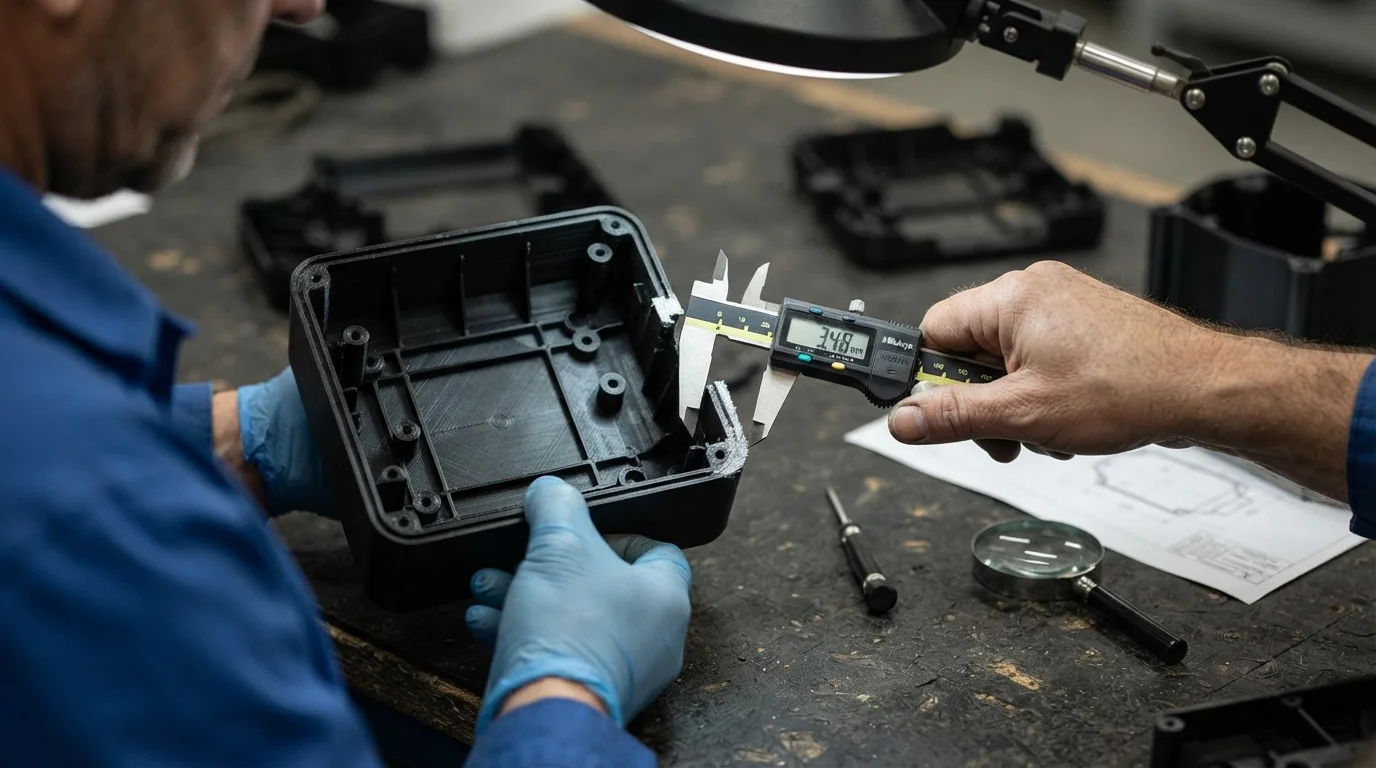
How fast can I get a custom rapid prototype?
Standard multi-axis CNC milling and high-resolution stereolithography SLA processes can deliver fully validated physical mockups within 3 to 5 business days. Bypassing slow manual mold-making procedures allows hardware developers to conduct dynamic fitment checks and aerodynamic wind tunnel tests immediately.
Can 3D printed parts survive functional snap-fit testing?
SLA and SLS printing resins provide fast concept models but exhibit high brittleness under tension, causing snap-fit tabs to break instantly. Subtractive CNC milling from extruded bars of Delrin or Nylon delivers functional snap-fits matching production-grade molded mechanics. Machined engineering plastics recover their shape completely after deflection, allowing designers to perform accurate assembly checks.
How many parts can you pull from a single silicone mold before it fails?
Most silicone molds yield twenty to thirty clean pulls before the rubber becomes brittle and begins to tear. Designing parts with gentle draft angles and generous fillets helps preserve the cavity walls, extending mold life up to forty runs. Sourcing early DFM reviews simplifies split line layouts, eliminating the need for expensive mechanical sliders in rapid molds.

