


Securing early-stage funding and validating market viability represents the most challenging hurdle for newly formed hardware ventures trying to disrupt competitive industries. Understanding exactly why startups need rapid prototyping allows product development teams to bypass traditional tooling costs and present realistic, functional concepts to potential investors. Standard computer renders frequently fail to convey physical volumetric scale or ergonomic hand feel, leaving stakeholders skeptical of theoretical designs. Sourcing high-fidelity physical mockups ensures your startup avoids catastrophic design flaws before major capital resources are committed.
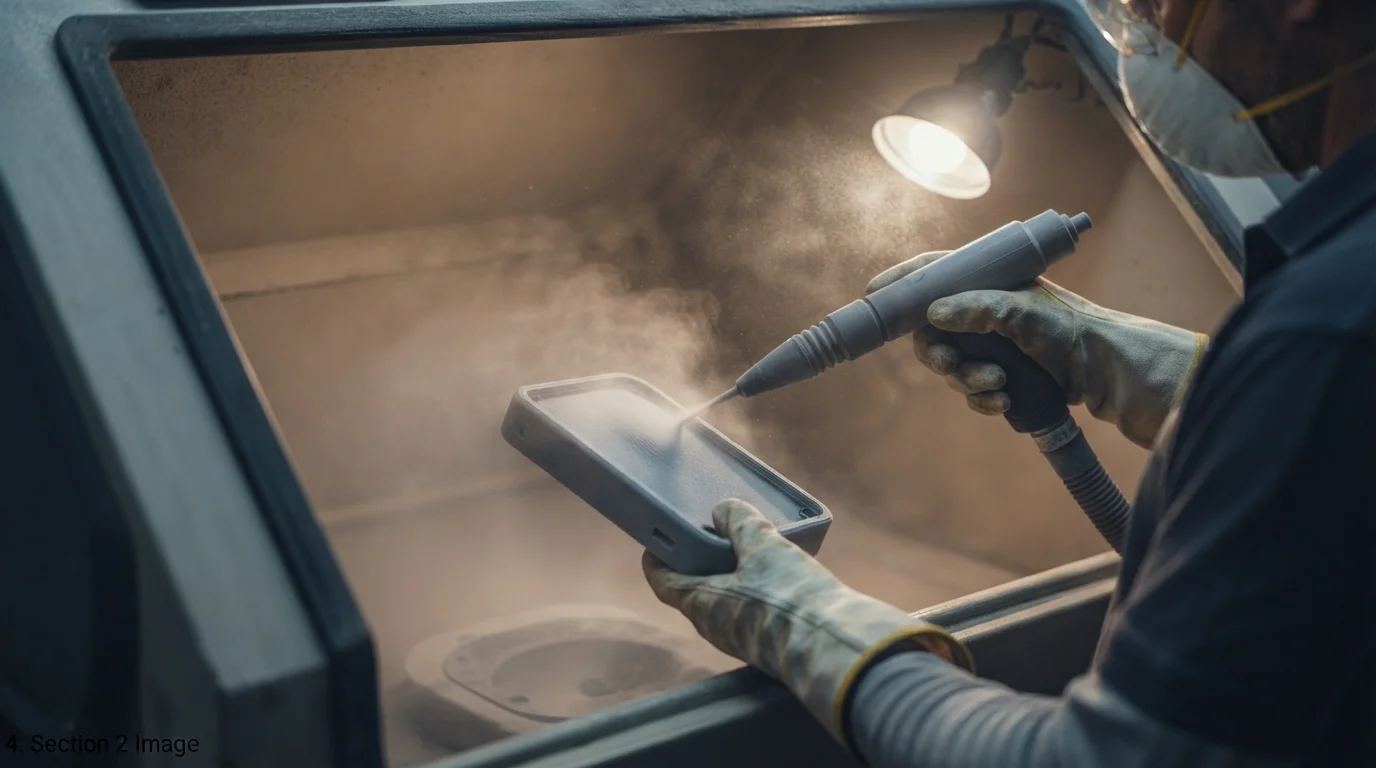
Selecting appropriate manufacturing methods balances raw material properties with fast turnaround times during early-stage testing. Slicing complex three-dimensional CAD files precisely allows experienced toolmakers to analyze parting lines, draft angles, and wall thicknesses using advanced mold flow simulation software. Sourcing your copies from a partner with extensive in-house capabilities ensures you receive honest, cost-saving advice for your specific hardware program. Let’s look at how you can optimize your geometries to drive down expenses safely while maintaining high-fidelity quality.
Table of Contents
1. Pitching to Investors and Crowdfunding with High-Fidelity Mockups
2. Conserving Precious Cash Flow by Avoiding High Upfront Tooling
3. Securing Intellectual Property and Turn Ideas Into Realities
Pitching to Investors and Crowdfunding with High-Fidelity Mockups
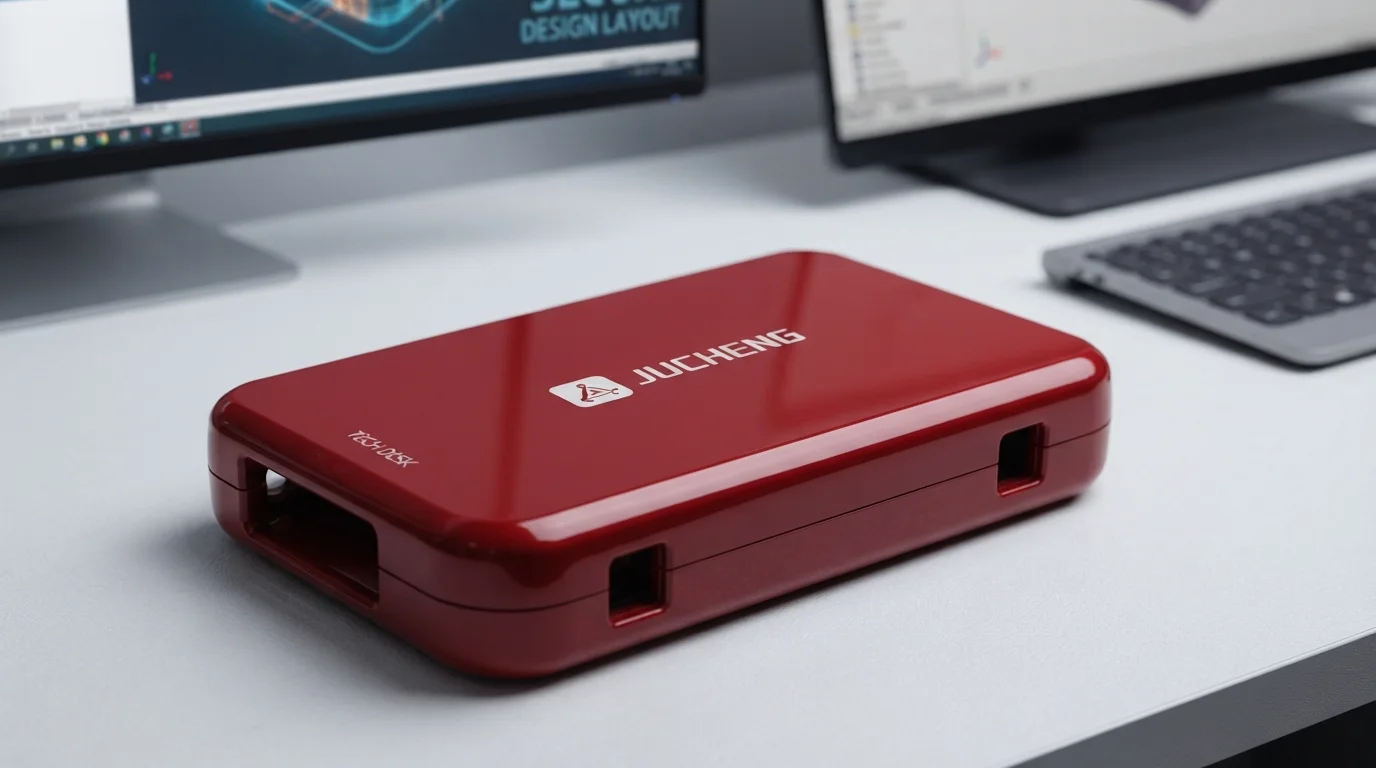
Question: Why are physical high-fidelity prototypes critical for venture capital pitches? Physical mockups duplicate production-grade cosmetic finishes and tactile weights, helping founders win stakeholder confidence.
Venture capitalists and crowdfunding backers require physical representations that duplicate the exact cosmetic feel of mass-produced commodities before releasing capital. Sourcing high-fidelity mockups equipped with custom soft-touch coatings or high-gloss paint replicates final production finishes beautifully. Implementing premium Surface Finishes to 3D printed or CNC machined parts creates a retail-ready aesthetic that proves manufacturing feasibility to skeptical boards. Understanding why startups need rapid prototyping strategies allows founders to raise valuations and secure crucial development budgets cleanly.
Sourcing physical validation models accelerates the early design cycle by providing tactile feedback that computer renders cannot simulate. Symmetrical component configurations simplify holding fixtures, reducing initial setup labor hours dramatically. Standardizing non-critical clearances allows high-speed milling spindles to clear raw stock quickly, maximizing cutting efficiency. Understanding the baseline advantages of rapid prototyping allows mechatronics groups to bypass these high capital barriers safely during early development.
Conserving Precious Cash Flow by Avoiding High Upfront Tooling
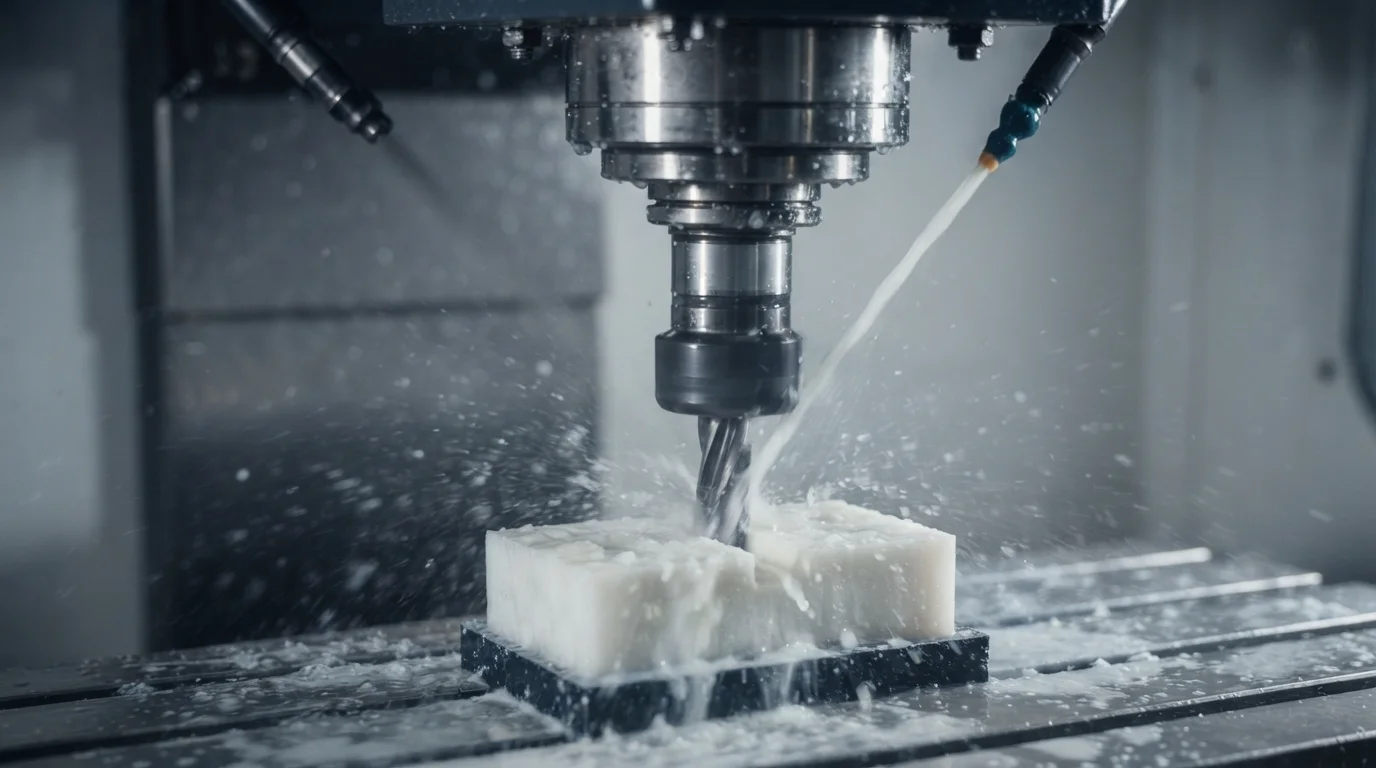
Question: How can early-stage ventures protect their cash flow during design validation? Fabricating functional plastic parts using 3D printing or CNC machining avoids the heavy upfront costs of hardened steel molds.
Investing in high-volume, hardened steel molds requires severe upfront capital that startup budgets can rarely support without locking up crucial cash flow. Sourcing custom plastic enclosures from an advanced 3D Printing Service platform allows teams to validate complex snap-fits and cored-out bosses affordably. Slicing CAD files precisely allows experienced toolmakers to analyze parting lines, draft angles, and wall thicknesses using advanced mold flow simulation software. Sourcing your copies from a partner with extensive in-house capabilities ensures you receive honest, cost-saving advice for your specific hardware program.
Selecting the correct structural material involves balancing raw physical properties with overall milling times and tool wear. This technical comparison table highlights baseline cost behaviors across different manufacturing approaches to help you plan your hardware budget:
| Manufacturing Metric | Rapid Prototyping Standard | Traditional Manufacturing Standard | Primary B2B Financial Influence |
|---|---|---|---|
| Initial Tooling Cost | Zero to low ($200 – $500 per mold) | Extreme ($10,000 – $50,000+) | Dictates upfront development risk and cash flow |
| Minimum Order Quantity | Zero MOQ (No minimum penalties) | High (5,000 to 10,000+ units) | Influences warehouse inventory storage costs |
| Lead Time to Samples | 3 to 15 business days | 8 to 12 weeks minimum | Determines time-to-market speed and launch velocity |
Securing Intellectual Property and Turn Ideas Into Realities
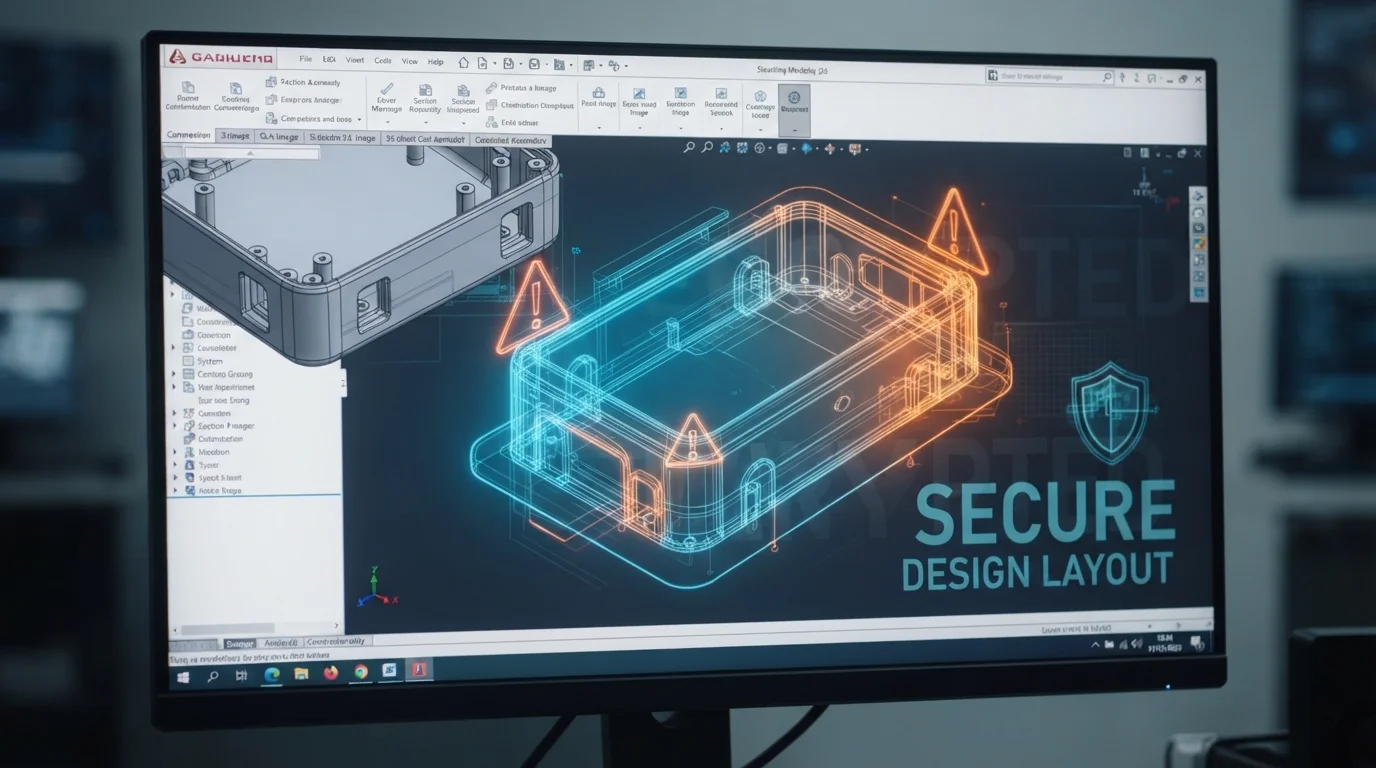
Question: Why is intellectual property protection critical for hardware startups? Innovators face severe copying risks if design data leaks before patent filings are secured, making trusted manufacturers vital.
Choosing to execute your early-stage evaluations using identical production-grade resins helps mechanical groups validate long-term mechanical wear. Sourcing functional CNC Machining Service parts from extruded billets of ABS, Nylon (PA), or aluminum Polycarbonate (PC) provides authentic material behavior before cutting tool steel. This detailed materials validation eliminates mechanical failure risks when transitioning prototype to production design configurations. Early validation prevents expensive engineering changes when scaling up to high-volume injection molding.
Jucheng Precision supports mechatronics groups by delivering highly optimized, cost-saving fabrication options that align with tight budgets. Sourcing our expert 24-hour free DFM reviews helps product groups optimize gate placements, parting lines, and draft profiles before cutting metal or pouring silicone. Sourcing high-quality prototypes ensures your designs are built to withstand severe dynamic forces safely. Sourcing your components from our certified, single-roof manufacturing facility prevents communication errors, ensuring design changes are propagated across all stages safely.
Partnering with an experienced Prototype Service specialist ensures your finished hardware matches the premium software experience. Sourcing your quotes manually ensures experienced engineers analyze your 3D STEP files to find additional ways of proving why startups need rapid prototyping. Custom components undergo rigorous coordinate metrology checks to confirm exact dimensional compliance. Sourcing high-quality prototypes ensures your designs are built to withstand severe dynamic forces safely.
Frequently Asked Questions (FAQ)
What is a proof-of-concept (POC) prototype?
Sourcing early DFM reviews ensures non-critical tolerances are loosened to prevent unnecessary machining hours, optimizing your overall rapid prototyping development. Initial low-fidelity mockups focus purely on functional validation before refining aesthetic surface textures.
Can 3D printed parts survive functional snap-fit testing?
SLA and SLS printing resins provide fast concept models but exhibit high brittleness under tension, causing snap-fit tabs to break instantly. Subtractive CNC milling from extruded bars of Delrin or Nylon delivers functional snap-fits matching production-grade molded mechanics. Machined engineering plastics recover their shape completely after deflection, allowing designers to perform accurate assembly checks.
How many parts can you pull from a single silicone mold before it fails?
Most silicone molds yield twenty to thirty clean pulls before the rubber becomes brittle and begins to tear. Designing parts with gentle draft angles and generous fillets helps preserve the cavity walls, extending mold life up to forty runs. Sourcing early DFM reviews simplifies split line layouts, eliminating the need for expensive mechanical sliders in rapid molds.

