


Translating a conceptual CAD layout into a successful physical commodity requires navigating highly iterative verification steps that evaluate material behaviors, assembly clearances, and ergonomic comforts. Recognizing the absolute importance of rapid prototyping in product development cycles allows product managers to identify hidden clearance conflicts early, preserving critical launch schedules. Simple computer renders frequently distort volumetric proportions in real environmental lighting, making physical scale models essential for early visual confirmation. Sourcing high-fidelity physical mockups ensures your startup avoids catastrophic design flaws before cutting hard steel core blocks.
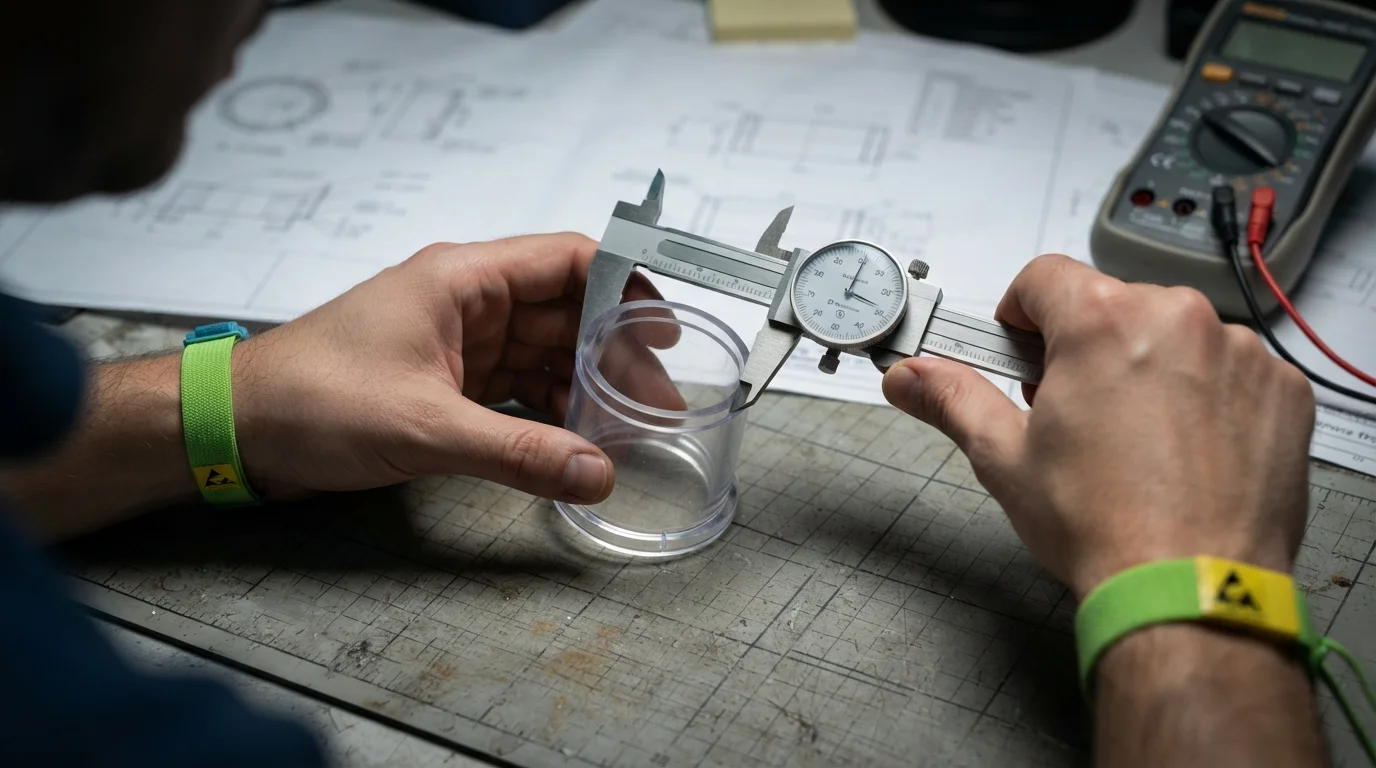
Selecting appropriate manufacturing methods balances raw material properties with fast turnaround times during early-stage testing. Slicing complex three-dimensional CAD files precisely allows experienced toolmakers to analyze parting lines, draft angles, and wall thicknesses using advanced mold flow simulation software. Sourcing your copies from a partner with extensive in-house capabilities ensures you receive honest, cost-saving advice for your specific hardware program. Let’s look at how you can optimize your geometries to drive down expenses safely while maintaining high-fidelity quality.
Table of Contents
1. Aesthetic Form Studies and Early-Stage Geometric Iteration
2. Cross-Functional Communication and Stakeholder Alignment
Aesthetic Form Studies and Early-Stage Geometric Iteration
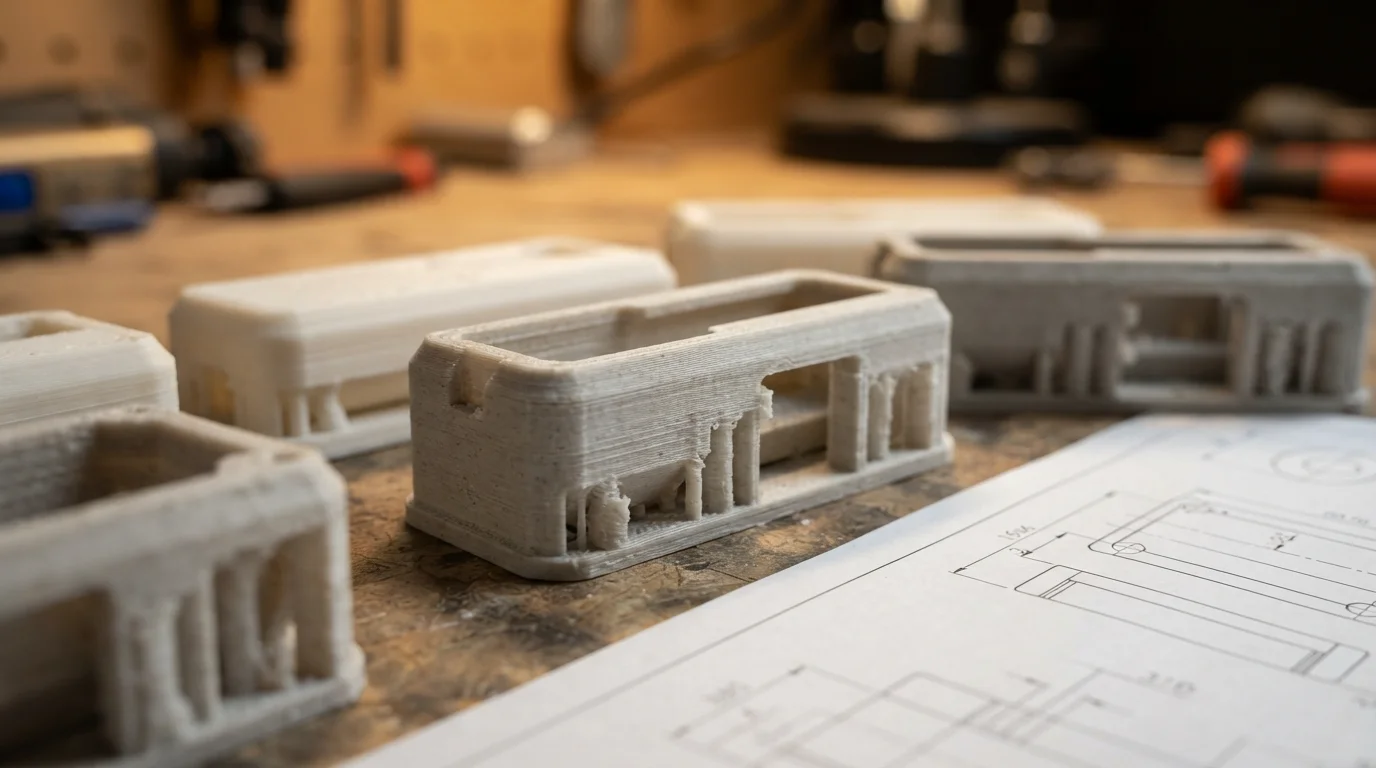
Question: What is the primary benefit of early aesthetic mockups? Low-fidelity form studies validate physical scale and structural clearances quickly, helping design teams spot volumetric defects before detailed engineering begins.
Initial design exploration begins with low-fidelity concept mockups to establish volumetric scale and check component clearances. Engineers analyze the advantages of rapid prototyping in product design and development by utilizing fast FDM or SLA 3D Printing Service platforms to build tactile form studies. Sourcing early plastic mockups allows industrial design departments to pitch bold structural styles to project sponsors with minimal capital expenditure. Early physical confirmation clears a direct pathway toward high-fidelity functional integration trials.
Sourcing physical validation models accelerates the early design cycle by providing tactile feedback that computer renders cannot simulate. Symmetrical component configurations simplify holding fixtures, reducing initial setup labor hours dramatically. Standardizing non-critical clearances allows high-speed milling spindles to clear raw stock quickly, maximizing cutting efficiency. Understanding the baseline advantages of rapid prototyping allows mechatronics groups to bypass these high capital barriers safely during early development.
Cross-Functional Communication and Stakeholder Alignment
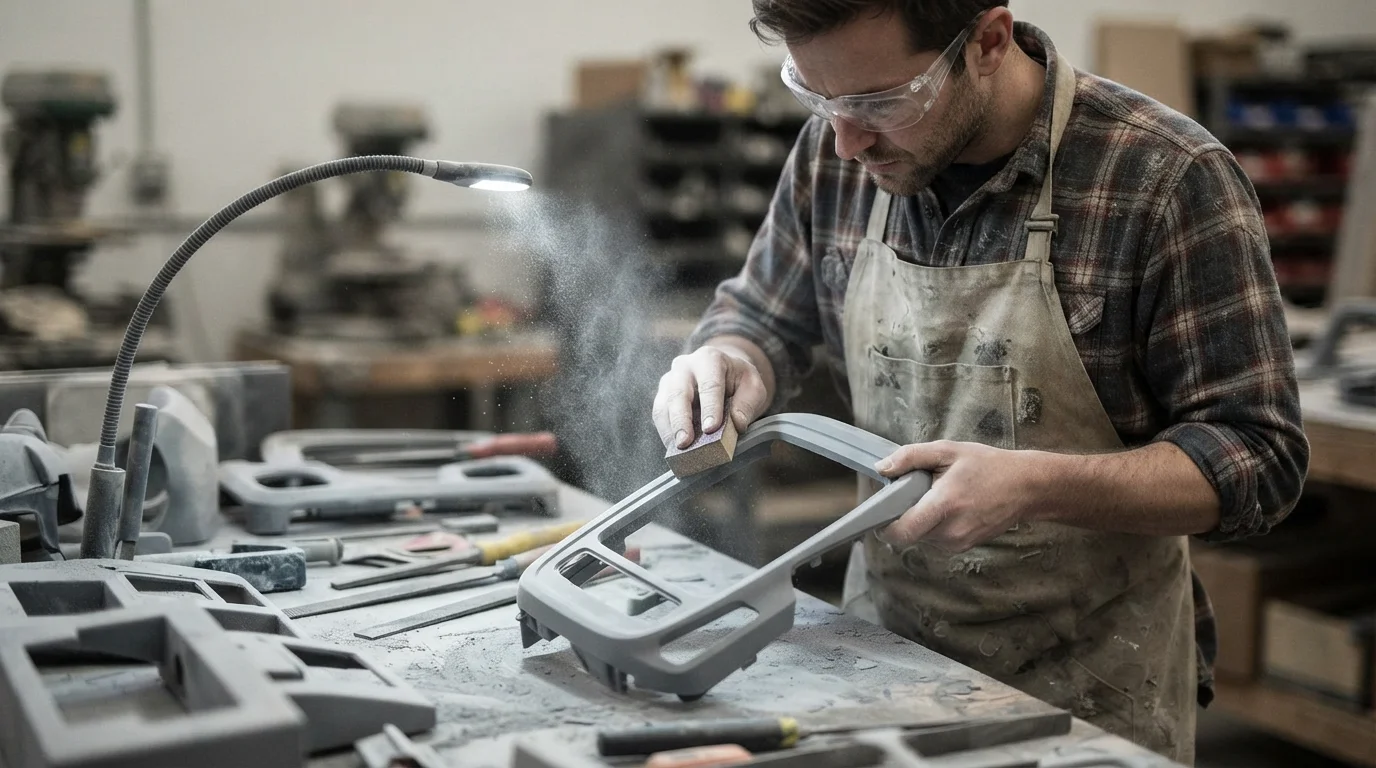
Question: How do physical prototypes improve cross-functional team alignment? Having a tactile, real-world model ensures engineers, marketing specialists, and executives agree on parting lines, button tactile clicks, and overall form.
Design reviews frequently suffer from communication gaps when different departments interpret flat engineering blueprints differently. Sourcing high-fidelity mockups provides a neutral, tactile physical reference that aligns cross-functional groups on split lines and aesthetic finishes. Sourcing custom colored polyurethane resins or solid thermoplastics is mandatory when validating functional mechanical clearances. Sourcing your components from a certified, single-roof manufacturing facility prevents communication errors, ensuring design changes are propagated across all stages safely.
Venture capitalists and internal stakeholders require physical models that duplicate the exact cosmetic feel of mass-produced commodities. Hand-finished prototypes equipped with custom soft-touch coatings or high-gloss paint replicate final production finishes beautifully. Sourcing physical validation models early in your developmental cycle ensures you avoid hidden fees like mold redesigns and gating errors. Understanding the importance of rapid prototyping in product development helps project managers align diverse engineering teams toward a unified product launch.
Functional Validation for Ergonomics, Fit, and Assembly
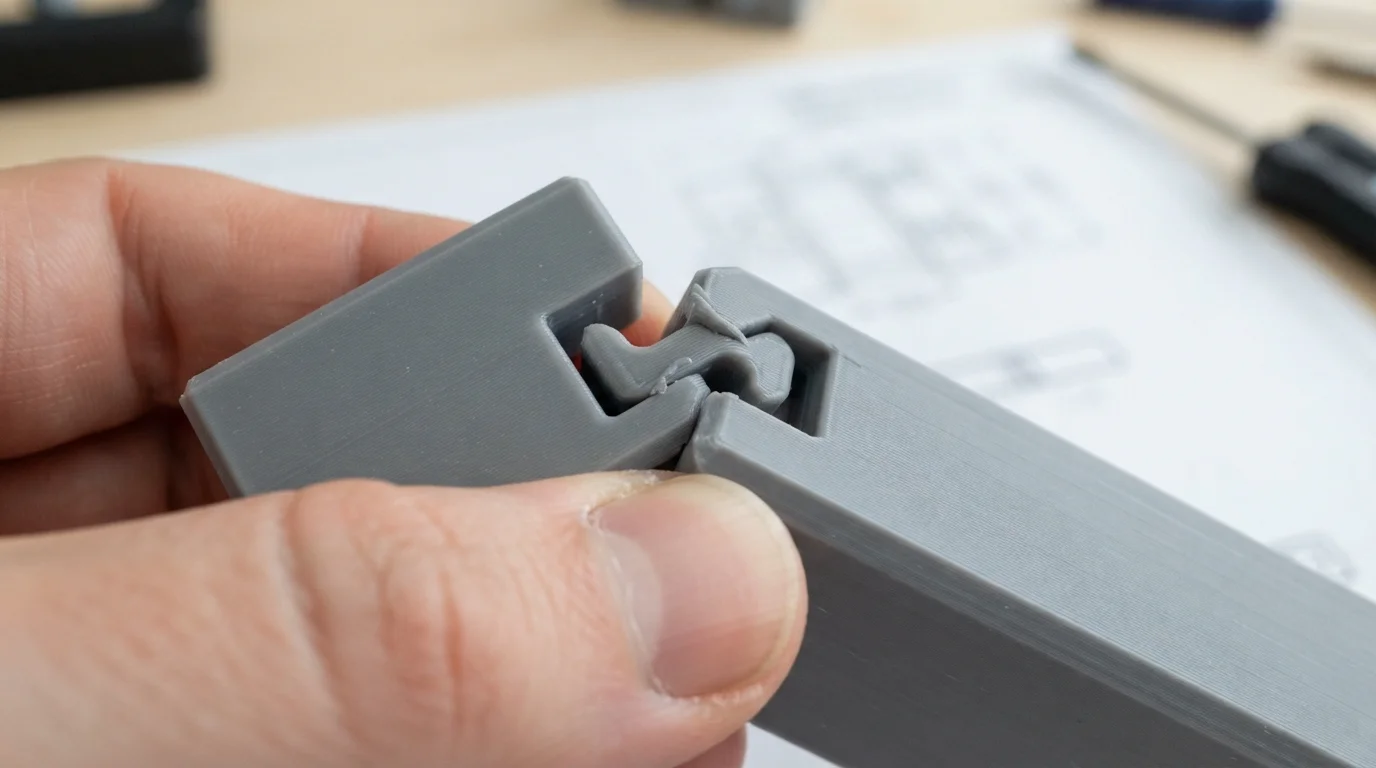
Question: Why must functional testing be conducted with real production-grade plastics? Standard photopolymer resins are highly brittle and fracture instantly under load, whereas machined or molded thermoplastics simulate authentic mechanical strength.
Handheld medical instruments and consumer electronics demand meticulous user-experience verification to guarantee fatigue-free handling during prolonged operations. Subtractive CNC Machining Service centers bypass the material limitations of 3D printing by cutting parts directly from solid blocks of ABS, Nylon (PA), or Polycarbonate (PC). Machining from solid billets preserves the isotropic grain structures of the raw plastics, preventing delamination under dynamic tension. High-speed spindles carve complex geometries with micro-tolerances down to ±0.01 mm, delivering premium functional components ready for immediate stress testing.
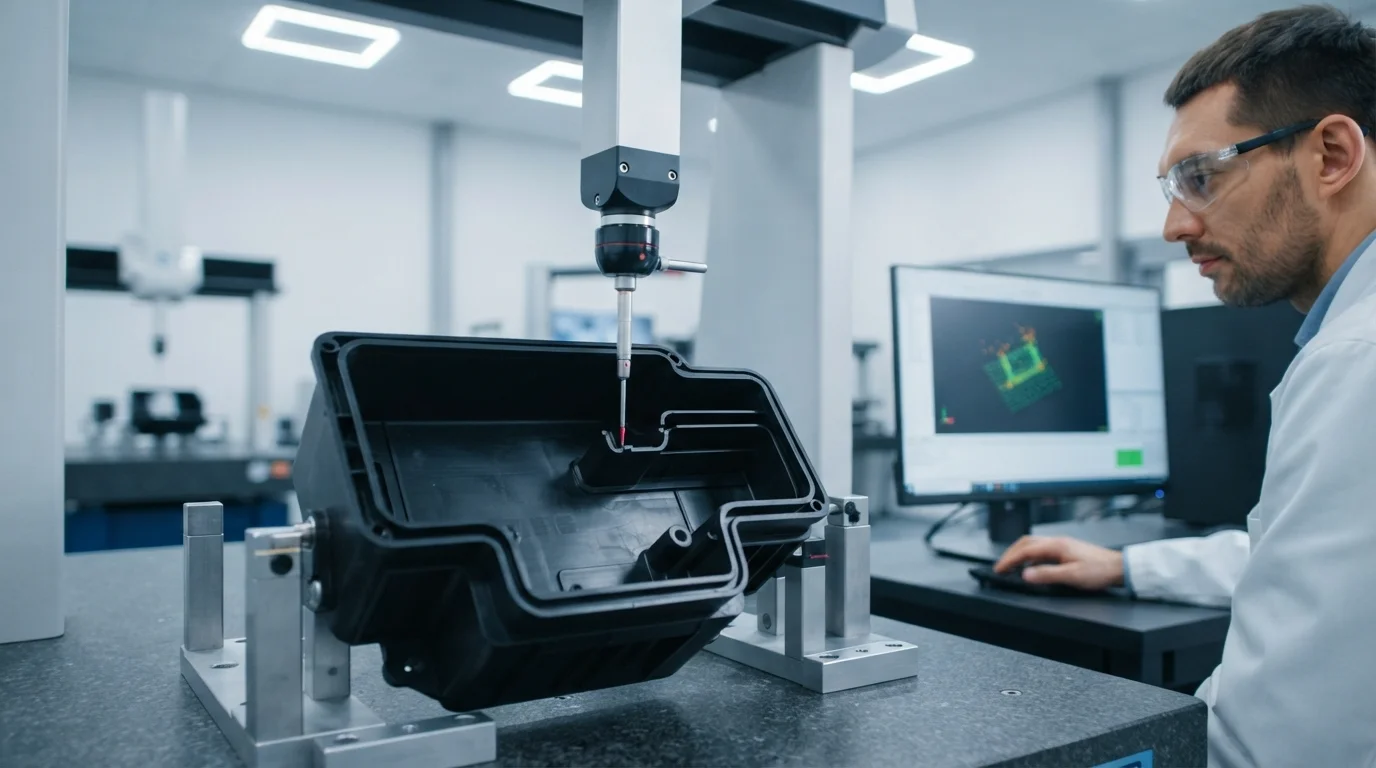
Successfully managing the transition from early prototypes to mass production requires a highly coordinated, single-roof manufacturing ecosystem. Jucheng Precision supports mechatronics groups by executing precise DFM reviews to optimize draft profiles, runner styles, and parting line shut-offs. Factory engineers deliver comprehensive 24-hour free DFM reviews to optimize gate locations, parting lines, and draft profiles before cutting metal. High-precision coordinate measuring machines verify sub-micron dimensions to guarantee compliance with ISO 9001 and ISO 13485 guidelines.
Partnering with a certified Prototype Service specialist ensures your finished hardware matches the premium software experience. Sourcing your quotes manually ensures experienced engineers analyze your 3D STEP files to find additional ways of proving out the importance of rapid prototyping in product development. Custom components undergo rigorous coordinate metrology checks to confirm exact dimensional compliance. Sourcing high-quality prototypes ensures your designs are built to withstand severe dynamic forces safely.
Frequently Asked Questions (FAQ)
Why do we need a physical prototype if we have 3D CAD models?
Computer models simulate overall shape, but physical mockups are required to validate real-world clearances and fitments realistically. Sizing wall thicknesses and internal rib geometries to a uniform standard prevents localized polymer shrinkage stresses during subsequent molding transitions. Sourcing early DFM reviews simplifies split line layouts, eliminating the need for expensive mechanical sliders in rapid molds.
Can 3D printed parts survive functional snap-fit testing?
SLA and SLS printing resins provide fast concept models but exhibit high brittleness under tension, causing snap-fit tabs to break instantly. Subtractive CNC milling from extruded bars of Delrin or Nylon delivers functional snap-fits matching production-grade molded mechanics. Machined engineering plastics recover their shape completely after deflection, allowing designers to perform accurate assembly checks.
How many parts can you pull from a single silicone mold before it fails?
Most silicone molds yield twenty to thirty clean pulls before the rubber becomes brittle and begins to tear. Designing parts with gentle draft angles and generous fillets helps preserve the cavity walls, extending mold life up to forty runs. Sourcing early DFM reviews ensures all post-processing offsets are calculated precisely, preventing dimensional discrepancies during final lab assemblies.

