


Modern hardware development rarely succeeds by forcing product teams into rigid, single-method manufacturing philosophies. Sticking exclusively to additive labs or waiting entirely for permanent steel tools can introduce critical path delays that push commercial launch dates off track. Smart engineering directors increasingly rely on a combined approach, leveraging the instantaneous speed of digital deposition during early validation before seamlessly switching to metal tools for pilot batches. This synergistic path represents the core philosophy behind hybrid rapid manufacturing 3D printing and tooling workflows in cutting-edge facilities.
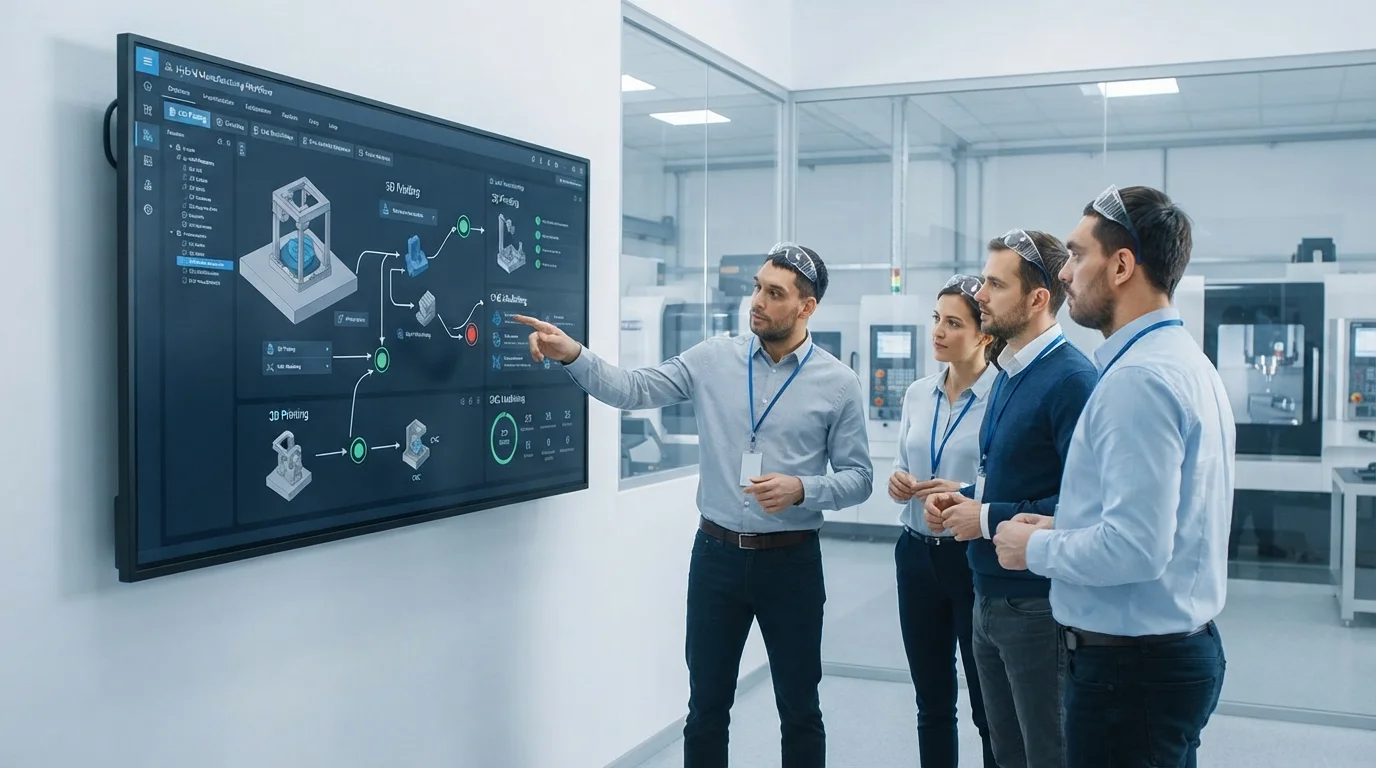
Merging two distinct industrial domains requires harmonizing digital CAD pipelines with physical toolroom execution. When prototyping consumer electronics or mechanical automation assemblies, a structured transition protects capital while delivering functional components. Let us examine how combining additive iteration with soft metal cavities creates an unstoppable New Product Introduction (NPI) engine.
The Best of Both Worlds: Fast Concept Iteration Followed by Soft Tooling
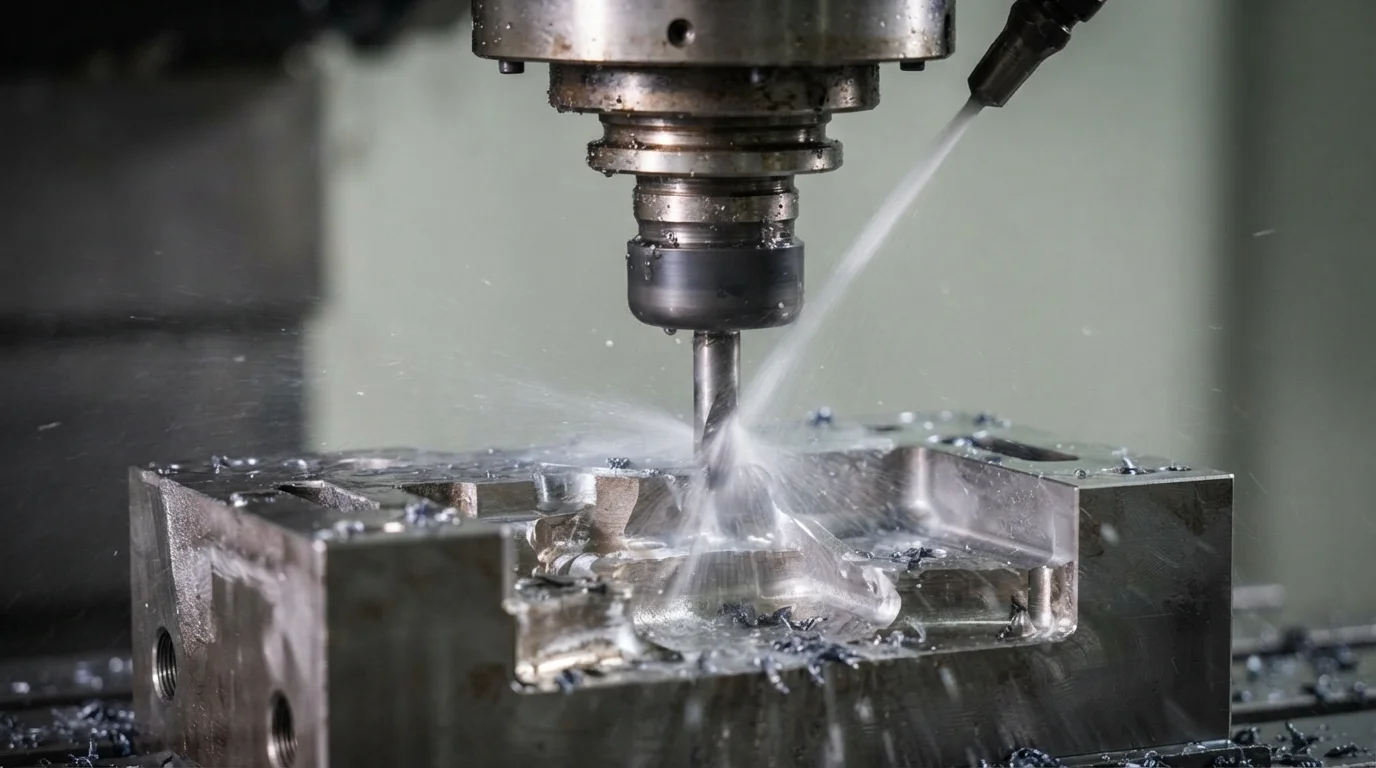
Initial aesthetic checkouts and ergonomic evaluations demand zero-delay solutions. By utilizing advanced 3D printing for the first handful of visual models, industrial designers can alter wall thicknesses and button placements on the fly without incurring non-recurring engineering fees. Once digital geometries achieve stability, the workflow shifts gears instantly into Rapid tooling Service production, cutting aluminum or P20 steel mold inserts to inject genuine engineering polymers like ABS or Polycarbonate (PC).
This sequential deployment eliminates the traditional friction points that occur when handing off projects between disconnected service providers. Engineering teams benefit from sustained momentum, keeping project timelines compressed and predictable.
Minimizing Financial Risk in New Product Introduction (NPI)
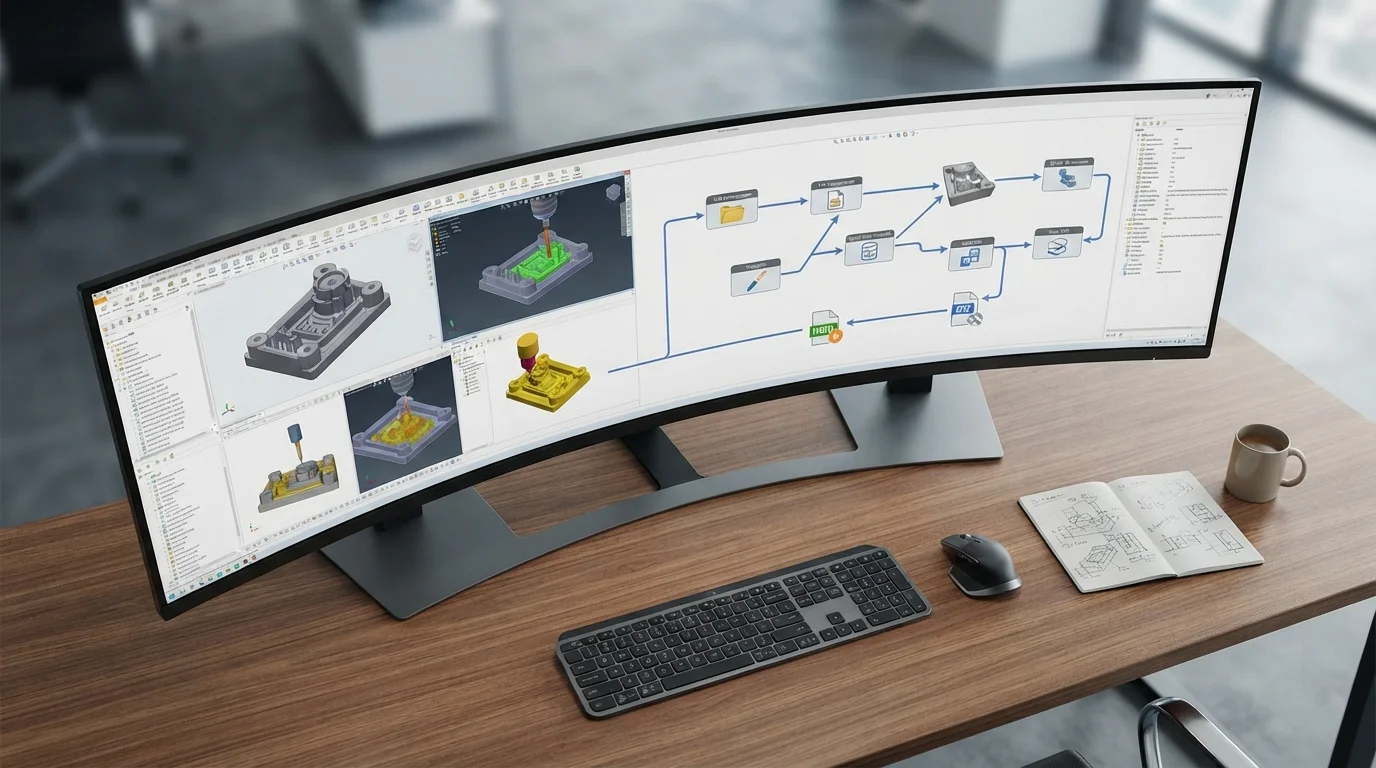
Venture capitalists and corporate controllers alike scrutinize early-stage CapEx allocations with extreme rigor. Committing tens of thousands of dollars to high-volume hardened steel tooling before verifying true market demand is a high-stakes gamble. A hybrid manufacturing strategy splits financial exposure across manageable, milestone-driven increments.
Reviewing financial and technical milestones across a synchronized hybrid development path illustrates clear budgetary advantages:
| NPI Development Milestone | Deployed Technology | Primary Financial & Technical Objective |
|---|---|---|
| Phase 1: Concept Freeze (1-10 Units) | High-Resolution 3D Printing | Zero NRE risk, instant aesthetic validation |
| Phase 2: Alpha Testing (10-50 Units) | Precision CNC Machining Service | Initial mechanical fit and functional clearance checks |
| Phase 3: Beta Launch (100-5000 Units) | Modular Rapid Tooling Service | Real resin performance, volume cost reduction |
Designing for Hybrid Workflows Under One Roof
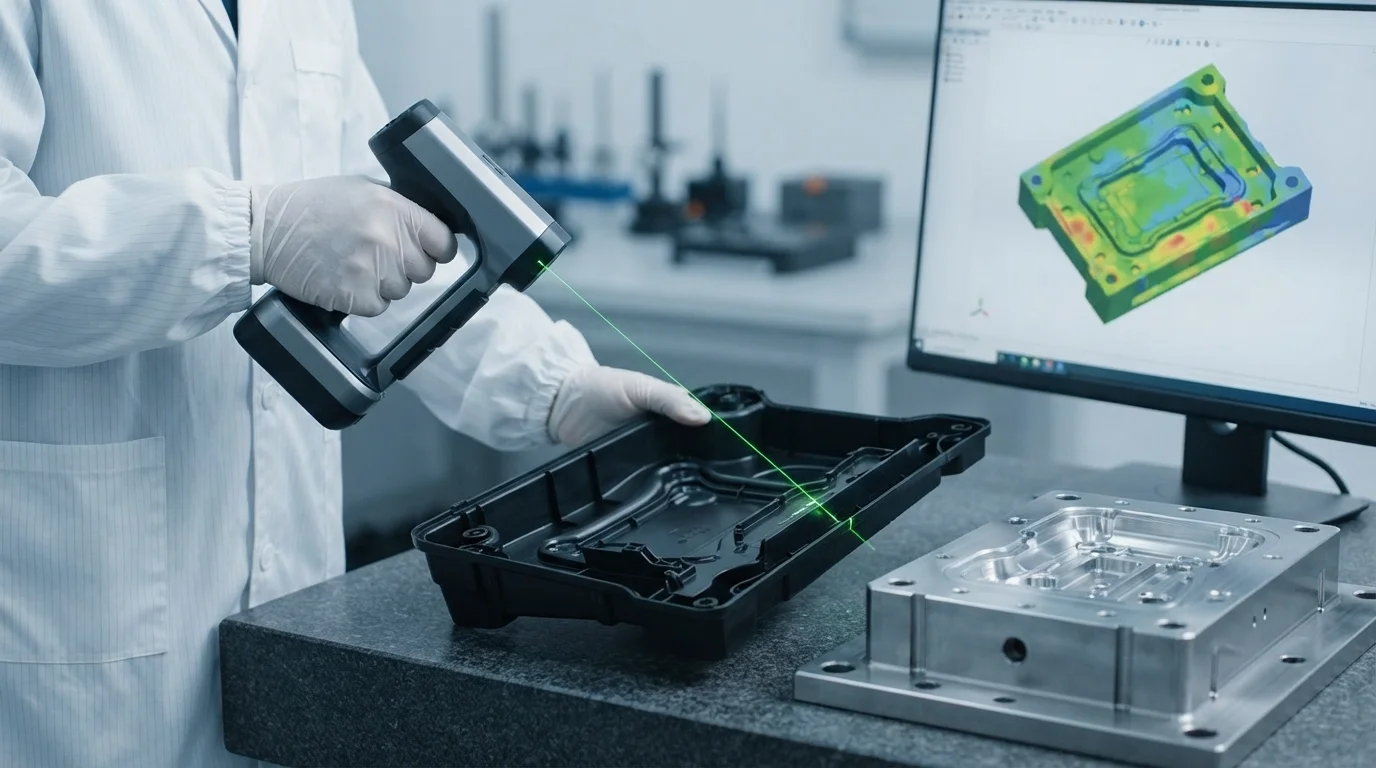
Executing a seamless transition from digital build files to metal bridge molds requires centralized engineering oversight. When multiple vendors manage disparate stages of a project, critical design intent often gets lost in translation, resulting in costly geometry redesigns.
Jucheng Precision eliminates inter-vendor friction by housing advanced additive printing platforms, 150+ CNC workstations, and 35+ injection molding presses under a single roof. Our ISO 9001 certified engineering teams examine every digital submission thoroughly, providing 24-hour free DFM feedback that prepares your CAD data for both rapid printing and subsequent metal mold cutting.
Adopting an integrated manufacturing partnership offers distinct operational strengths:
- Unified CAD data management—Zero data loss or translation errors when shifting from print files to tool paths
- Flexible volume scaling—Smooth ramp-up from concept models to multi-thousand-unit bridge batches
- Zero minimum order constraints—No MOQ policies tailored for agile product development cycles
Want to streamline your product development cycle? Explore end-to-end hybrid solutions under one roof at Jucheng Precision.
Frequently Asked Questions (FAQ)
How does a hybrid manufacturing strategy reduce financial risks in product development?
A hybrid approach defers heavy tooling investments until conceptual designs are fully validated through fast 3D printing, protecting early-stage capital while ensuring smooth scalability.
What are the primary operational benefits of using a single manufacturing partner?
Working with a single provider eliminates data translation errors between vendors, streamlines communication, and accelerates the transition from rapid prototypes to bridge production.
How does Jucheng Precision support combined additive and molding workflows?
Jucheng Precision houses advanced 3D printing platforms, 150+ CNC machines, and 35+ injection presses under one roof, backed by 24-hour free DFM reviews and ISO certified quality assurance.

